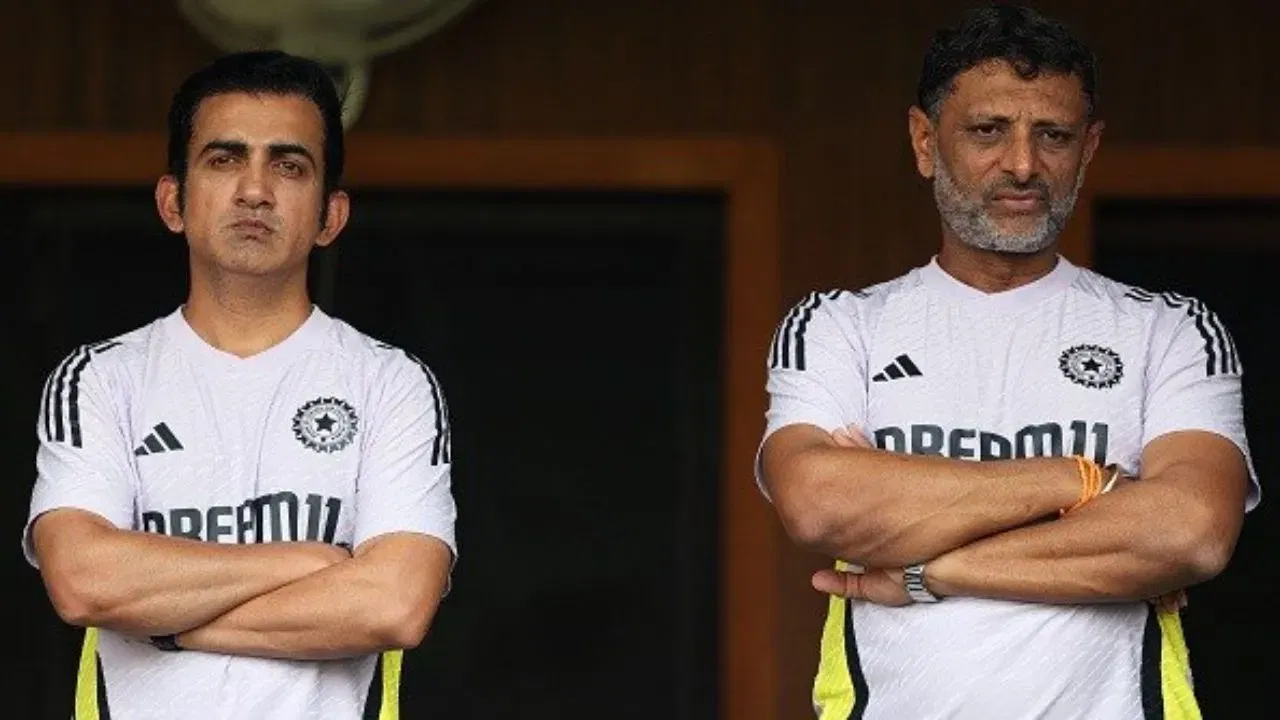
Kavya Maran and Indian owners SLAP Mohsin Naqvi; ignore Pakistan players in Women’s Hundred auction
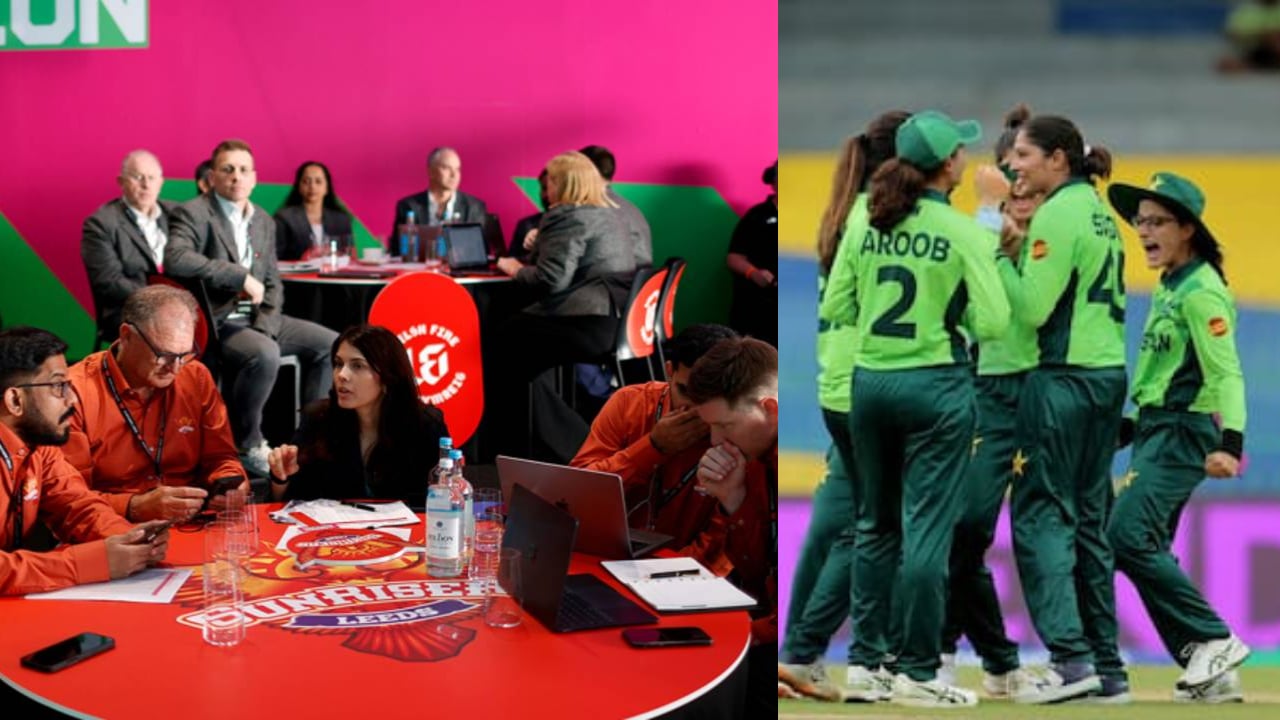
The Women’s Hundred Auction 2026: Shocking Results for Pakistani Players
The recently concluded Women’s Hundred Auction in London has left the cricket world stunned as Pakistani players failed to secure any contracts. Despite their talent and international recognition, players like Muneeba Ali, Diana Baig, Sadia Iqbal, and captain Fatima Sana went unnoticed during the auction, much to the disappointment of Pakistani cricket fans.
Embarrassing Outcome for Pakistan
Among the Pakistani players who registered for the auction with a base price of 15,000 pounds each, only Fatima Sana and Sadia Iqbal were shortlisted. However, even these talented individuals were left without any deals. This outcome was particularly embarrassing considering Sadia Iqbal’s current status as the top-ranked bowler in women’s T20I cricket and Fatima Sana’s reputation as one of the top all-rounders in the format.
Despite their impressive international records, the lack of interest from teams during the auction has raised eyebrows and sparked discussions about potential biases. Reports prior to the auction had hinted at the possibility of teams connected to the Indian Premier League (IPL) avoiding signing Pakistani players. However, the England and Wales Cricket Board (ECB) had assured that selection would be based solely on performance, availability, and squad balance, with nationality playing no role.
Controversy Surrounding IPL Team Links
Interestingly, several teams in The Hundred have strong backing from IPL owners, leading to speculations about the influence of these connections on the auction results. Franchises like Manchester Super Giants, MI London, Southern Brave, and SunRisers Leeds are among those linked to IPL groups. The connection between IPL teams and The Hundred has added an extra layer of intrigue to the selection process.
As the cricket world processes the shocking outcome of the Women’s Hundred Auction, all eyes are now on the upcoming auction for the men’s tournament. The Pakistani men’s cricket team will be hoping for a different fate as they await their turn on March 13.
Record-breaking Deals and Notable Picks
Despite the disappointment for Pakistani players, the Women’s Hundred Auction did see some remarkable deals. Sophie Devine and Beth Mooney emerged as the most expensive signings, each fetching GBP 210,000. England’s Dani Gibson followed closely behind with a deal worth GBP 190,000. South African all-rounder Nadine de Klerk secured a contract worth GBP 170,000, showcasing the diverse talent on display during the auction.
Among the uncapped players, Tilly Corteen-Coleman surprised everyone with a deal worth GBP 105,000, highlighting the potential for new talent to make a mark in the tournament. Notable picks also included Amy Jones (GBP 70,000) and youngster Davina Perrin (GBP 50,000), showcasing the variety of talent that teams were eager to secure.
While Indian players Richa Ghosh and Deepti Sharma were bought at their base price, the Women’s Hundred Auction 2026 concluded with teams finalizing their squads for the upcoming tournament.
Impact of the Women’s Hundred Auction Results
The exclusion of Pakistani players from the Women’s Hundred Auction has not only disappointed fans but also raised questions about the transparency and fairness of the selection process. With players like Sadia Iqbal and Fatima Sana boasting impressive skills and international records, their absence from the auction deals has left many puzzled. This outcome sheds light on the challenges faced by players from certain countries in gaining recognition and opportunities on a global stage.
Furthermore, the alleged influence of IPL team connections on the auction results has added a layer of controversy to the event. While the ECB maintained that nationality would not be a factor in player selection, the strong presence of IPL-backed teams among the franchises raises concerns about potential biases and favoritism. This situation underscores the complexities and intricacies of cricket’s global landscape, where political and commercial interests can impact player opportunities.
Diversity in Talent and Surprising Picks
Amidst the disappointment surrounding the exclusion of Pakistani players, the Women’s Hundred Auction showcased the wealth of talent present in women’s cricket. Record-breaking deals for players like Sophie Devine and Beth Mooney reflect the high demand for skilled athletes in the tournament. The significant investment in uncapped players like Tilly Corteen-Coleman emphasizes the potential for emerging talents to shine and make significant contributions to their teams.
The diverse range of players selected during the auction highlights the international nature of the sport, with athletes from various countries securing contracts based on their abilities and potential. While established stars like Dani Gibson and Amy Jones commanded high prices, the inclusion of youngsters like Davina Perrin underlines the importance of nurturing new talent and providing opportunities for growth and development in the sport.
Looking Ahead to the Men’s Tournament
As the cricket world reflects on the outcomes of the Women’s Hundred Auction, attention now turns to the upcoming auction for the men’s tournament. With the Pakistani men’s cricket team awaiting their turn, there is anticipation and hope for a different outcome. The results of the women’s auction have sparked discussions about fairness, transparency, and the need for equal opportunities for players from all backgrounds.
As cricket continues to evolve and expand globally, it is essential for governing bodies, franchises, and fans to prioritize inclusivity, diversity, and meritocracy in player selection processes. The Women’s Hundred Auction results serve as a reminder of the challenges faced by athletes from underrepresented regions and the importance of creating a level playing field for all players, regardless of their nationality or affiliations.
In conclusion, while the Women’s Hundred Auction 2026 may have had its share of surprises and controversies, it also highlighted the exceptional talent and potential within women’s cricket. As the sport progresses towards greater inclusivity and fairness, it is crucial for stakeholders to address issues of bias, promote transparency, and support the growth of cricket on a global scale.
Latest News

IPL 2026 boycott announced by overseas cricketers because of Jay Shah-led ICC’s failure
IPL owners ordered Hundred coaches to ignore Pakistan players? Explosive truth revealed
West Indies cricketer banned for match-fixing after T20 World Cup 2026
Kavya Maran and Indian owners SLAP Mohsin Naqvi; ignore Pakistan players in Women’s Hundred auction
Indian players to join franchises late for IPL 2026? Report makes stunning revelation
Shaheen Afridi pulls out of The Hundred auction at the last minute
Shubman Gill crowned Cricketer of the Year as Rahul Dravid receives BCCI Lifetime Achievement award
Hardik Pandya booked over ‘obscene act’ with Mahieka Sharma while wrapped in tricolour
Zimbabwe batter put on the same pedestal as Virat Kohli by ex-KKR star
Jasprit Bumrah all set to quit Test cricket? ‘White-ball specialist’ fears emerge
Rohit Sharma set to retire after IPL 2026? Colossal truth behind viral claim revealed
Jasprit Bumrah offered English citizenship to help England win World Cup

Sanjiv Goenka ready to sell Lucknow Super Giants before IPL 2026
IPL 2026 Full Schedule: Match Dates, Venues, Timings and Team Fixtures