KL Rahul back in T20 World Cup 2026 reckoning; Yashasvi Jaiswal, Ruturaj Gaikwad re-enter picture
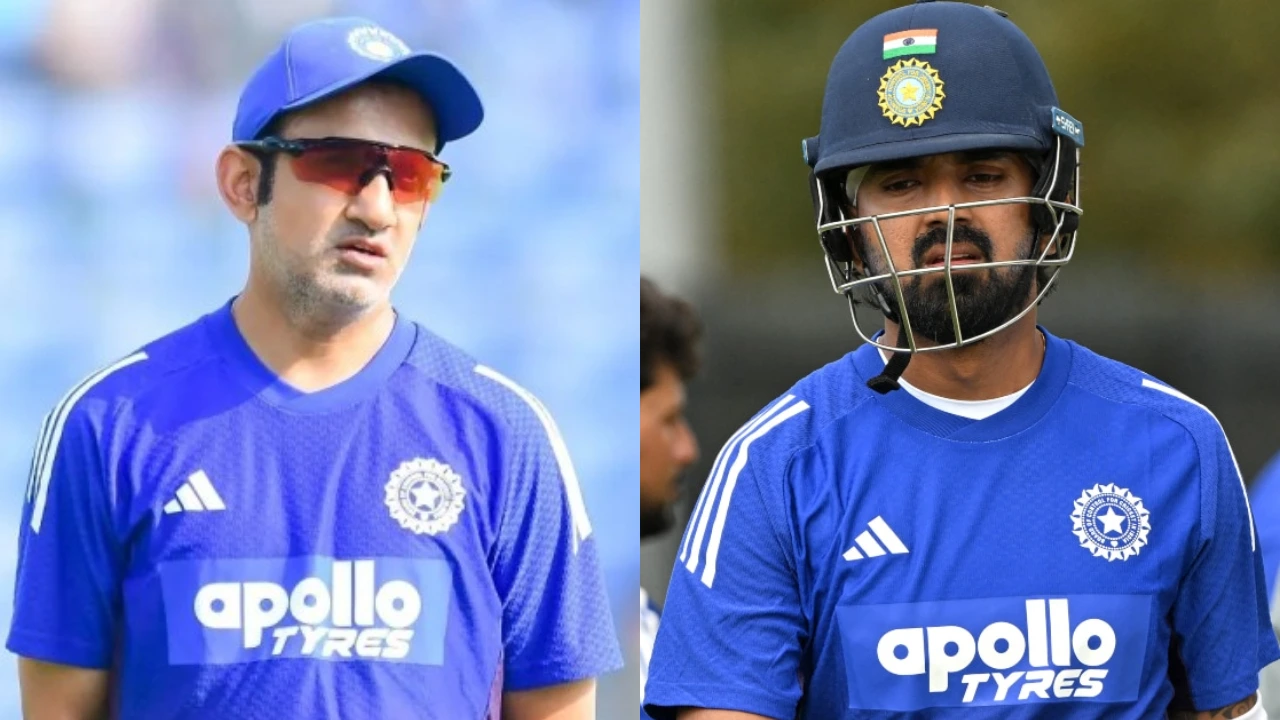
Shubman Gill’s Toe Injury Forces India to Rethink T20I Plans
Team India vice-captain Shubman Gill will be missing the final T20I match against South Africa due to a toe injury he sustained during a net session in Lucknow. This unfortunate incident has forced the team management to reshuffle their batting order and test the bench strength as they prepare for the upcoming T20 World Cup in 2026.
Exploring Batting Options
With Gill unavailable, the team management and selectors are looking to explore different batting combinations starting with the final T20I against South Africa and the upcoming series against New Zealand. According to reports, the team is keen on using every match as a trial run to solidify their lineup for the T20 World Cup.
One name that is expected to benefit from Gill’s absence is Yashasvi Jaiswal. Known for his aggressive approach in the powerplay, Jaiswal is seen as a strong addition to India’s T20 plans. The selectors are also considering the likes of Sanju Samson and KL Rahul to add depth to the batting order.
Considering KL Rahul’s Role
KL Rahul’s experience and ability to handle pressure situations make him a valuable asset in the middle order. The team management is contemplating using him as a wicketkeeper-batter to provide stability in case of early wickets falling. With several aggressive players likely to bat early on, Rahul’s composure could be crucial for India.
Exploring New Faces
Aside from Jaiswal, Samson, and Rahul, other names are also being discussed in the selection meetings. Rinku Singh, who missed the T20Is against South Africa, is back in contention, as is Ruturaj Gaikwad, who impressed with a century in the recent ODI series. Both players offer versatility and could add depth to the team.
On the bowling front, all-rounders like Hardik Pandya and Shivam Dube provide a good balance to the side. Their presence allows the captain to adjust the bowling attack based on conditions without compromising the batting depth. Despite some disruptions like Axar Patel’s illness, players like Shahbaz Ahmed and Washington Sundar are being considered as replacements.
Conclusion
The absence of Shubman Gill has given India the opportunity to test different combinations and assess the depth of their squad ahead of the T20 World Cup in 2026. With a focus on building a strong and adaptable team, the selectors and team management are leaving no stone unturned in their quest for success in the shortest format of the game.
Impact on Team Dynamics
Shubman Gill’s toe injury not only affects the batting order but also disrupts the team dynamics, as he was an integral part of the squad’s middle-order stability. His absence creates an opportunity for other players to step up and showcase their abilities under pressure situations. This unexpected setback forces the team to adapt quickly and find a suitable replacement to maintain a well-balanced lineup.
Strategic Adjustments
With Gill out of the equation, the team management needs to make strategic adjustments to compensate for his absence. This includes reevaluating the roles of existing players and potentially introducing new faces to fill the void left by Gill’s injury. The coaching staff will need to work closely with the players to ensure that everyone is on the same page and ready to execute the revised game plan effectively.
Moreover, the selectors may need to rethink their approach to team selection, keeping in mind the specific requirements of each match and the long-term goal of building a competitive squad for the T20 World Cup. This period of experimentation and adaptation is crucial for India’s success in international T20 cricket, as it allows them to identify the best possible combinations and strategies for different scenarios.
Building Resilience
Adversities like Shubman Gill’s injury present an opportunity for the team to build resilience and depth within the squad. By overcoming challenges and setbacks, players learn to adapt to changing circumstances and develop the mental toughness required to succeed at the highest level of the game. This period of uncertainty can serve as a valuable learning experience for the team, helping them grow stronger as a unit.
Long-Term Planning
While the immediate focus is on finding a suitable replacement for Shubman Gill in the upcoming matches, the team management is also looking towards the future. The T20 World Cup in 2026 is a major target for Team India, and every decision made now is aimed at building a competitive team capable of challenging the best in the world. This long-term planning involves grooming young talents, testing different combinations, and fine-tuning strategies to ensure peak performance when it matters the most.
Embracing Challenges
Ultimately, the absence of Shubman Gill due to injury is a challenge that Team India must embrace with a positive mindset. It provides an opportunity for players to showcase their skills, for the team management to assess the depth of the squad, and for the selectors to identify potential game-changers for the future. By approaching this situation with adaptability, resilience, and a forward-thinking attitude, India can turn adversity into an opportunity for growth and success in T20 cricket.
As Team India navigates the challenges posed by Shubman Gill’s injury, they are not just rethinking their T20 plans but also shaping the future of Indian cricket with a focus on building a formidable team that can compete at the highest level.
Latest News
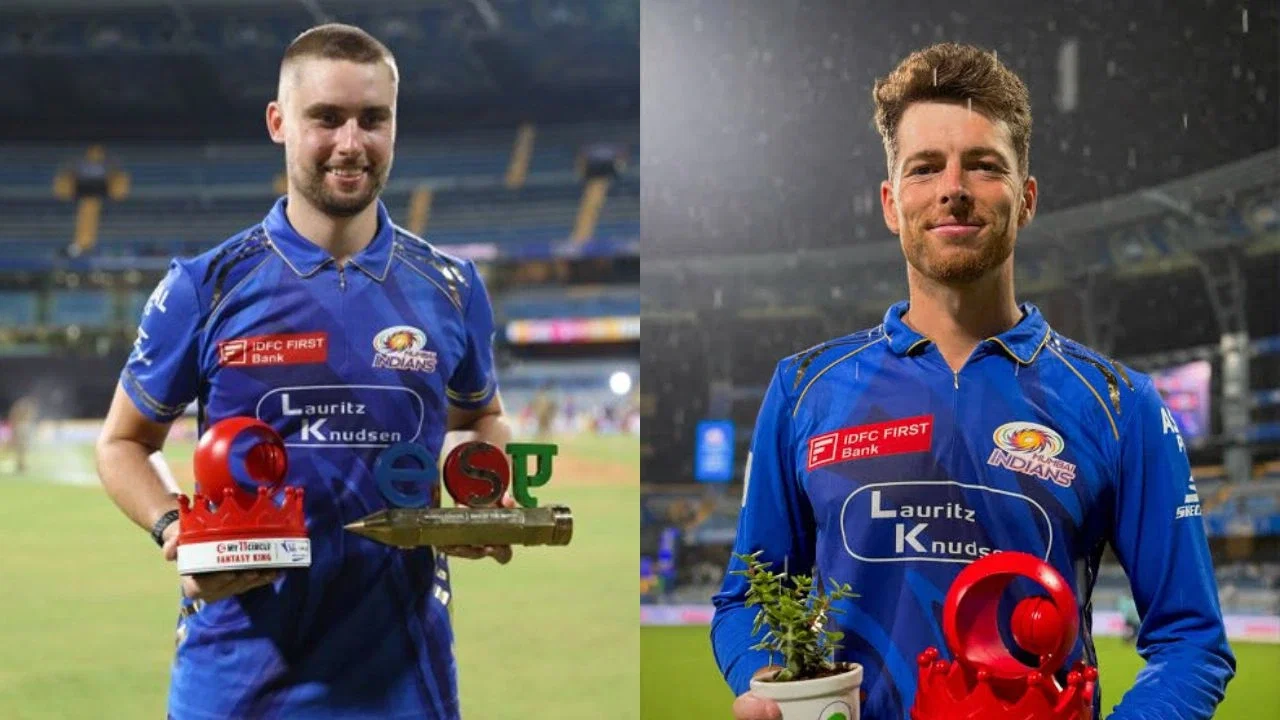
Mumbai Indians suffer blow! Mitchell Santner, Will Jacks ruled out of IPL 2026 games
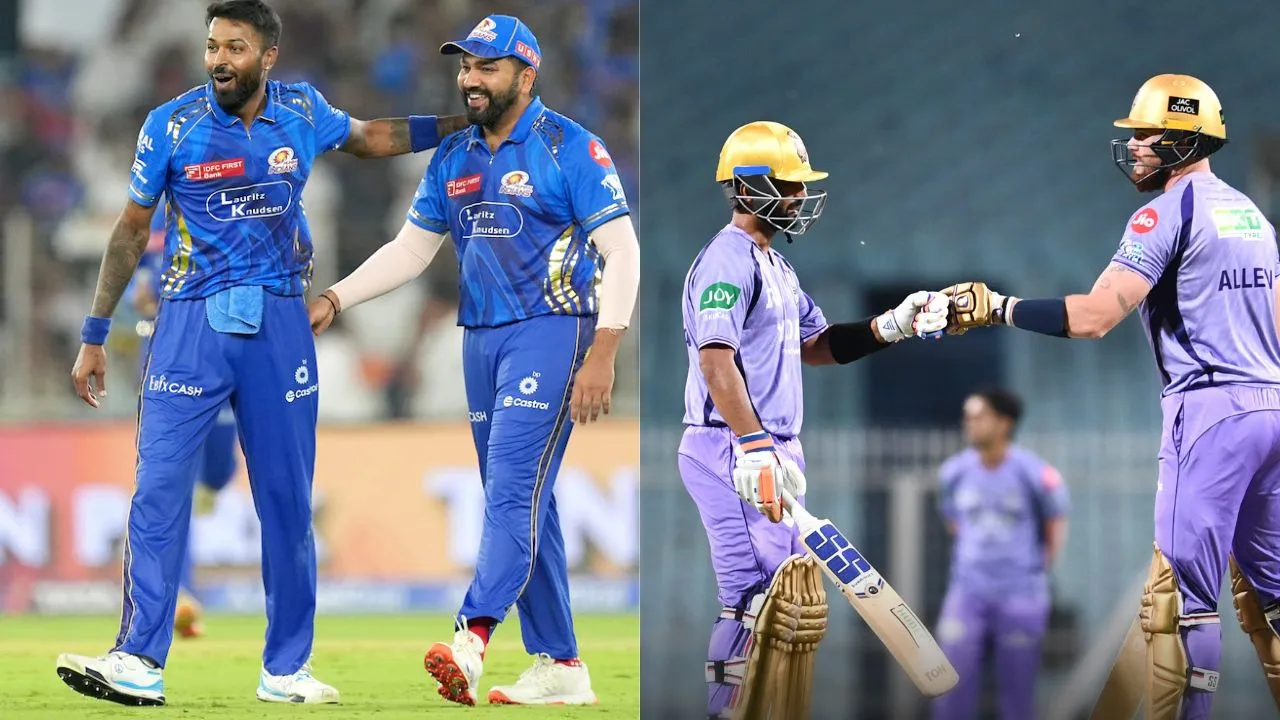
MI vs KKR Match Prediction – Who Will Win Match No.2? | IPL 2026
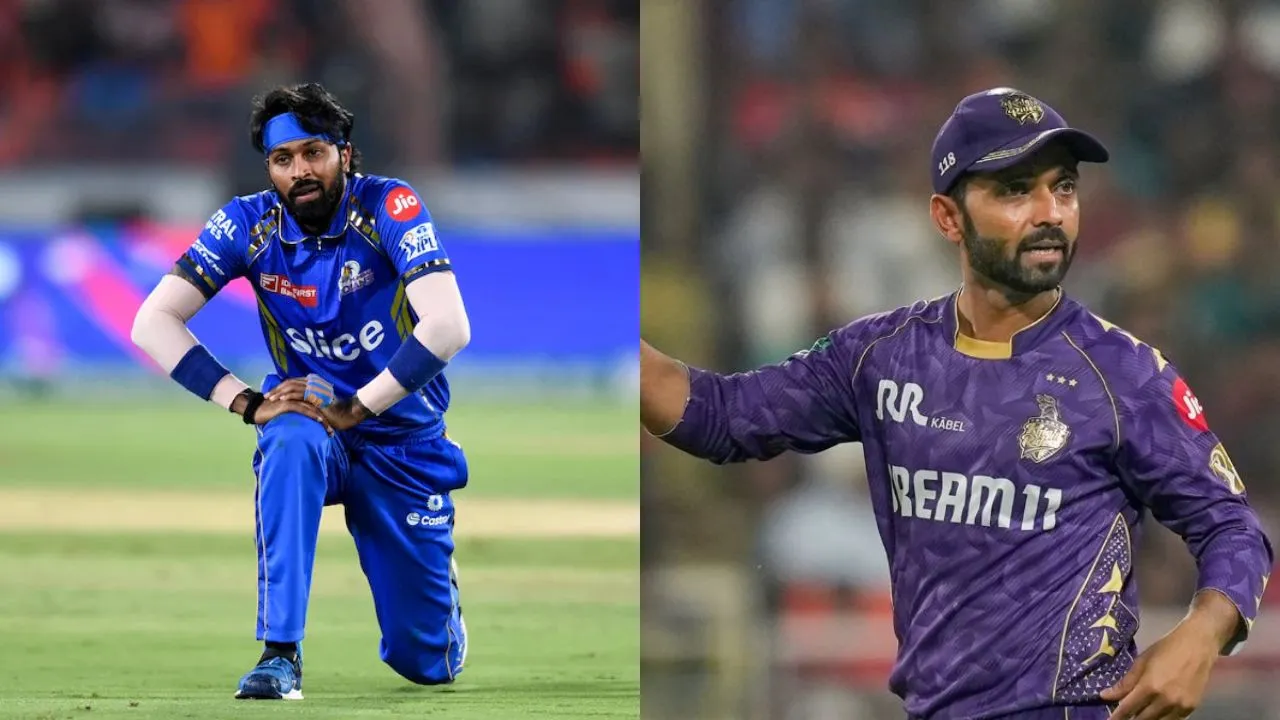
Mumbai Indians Playing XI vs Kolkata Knight Riders Playing XI- Match No. 2 | IPL 2026
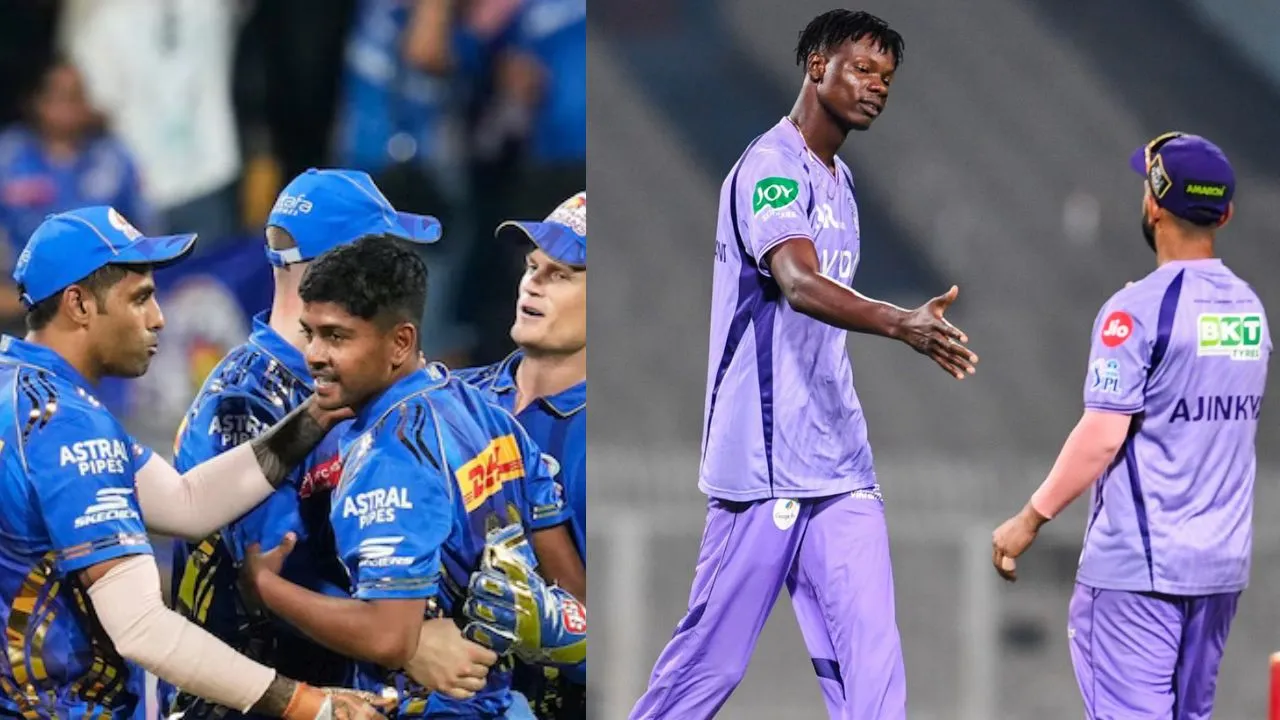
MI vs KKR Match 2 Preview: Free Live Streaming, Pitch & Weather Report, Head-to-Head | IPL 2026
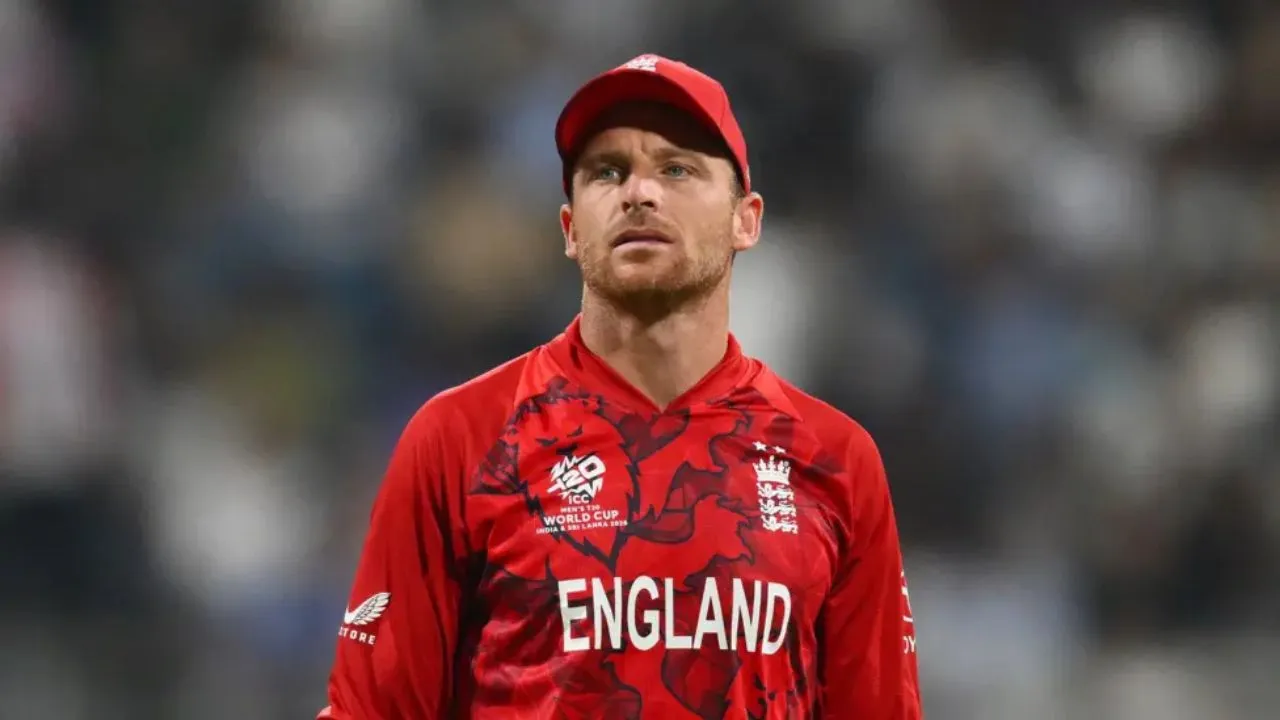
Not English cricket! Jos Buttler credits IPL for his success as a cricketer
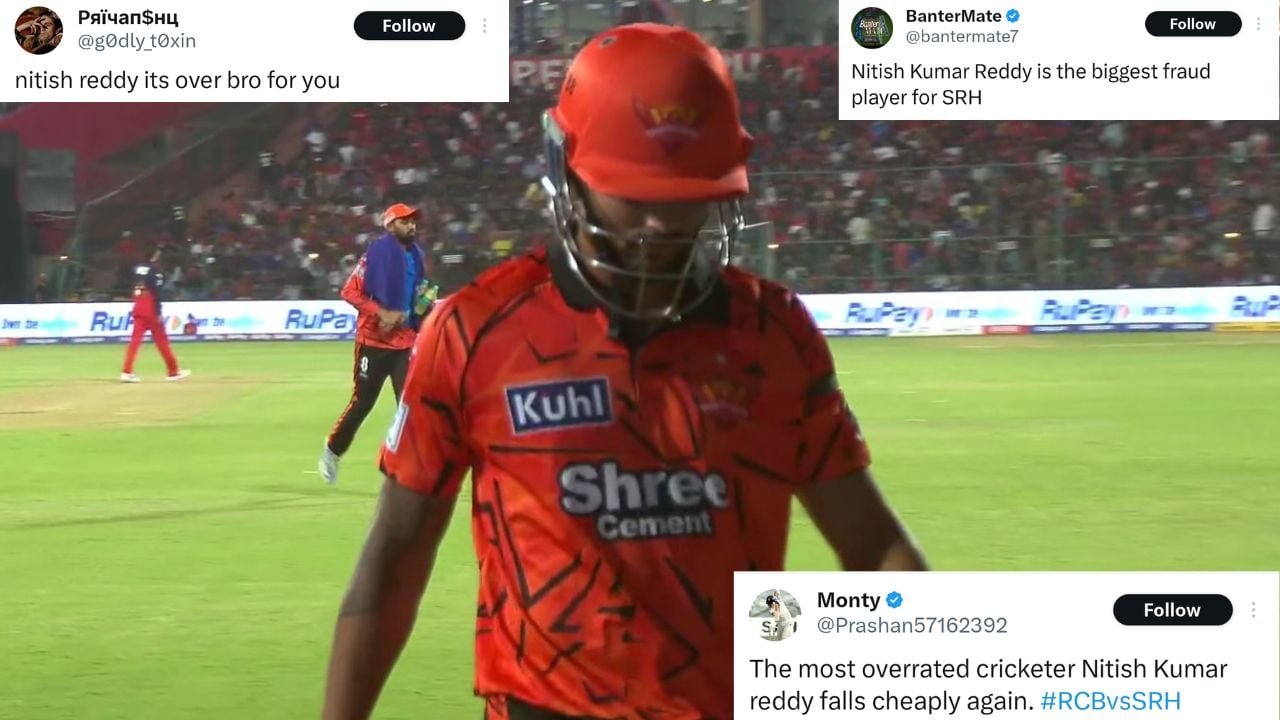
“Nitish Kumar Reddy is biggest fraud”: Fans fume as SRH star fails vs RCB in IPL 2026 opener
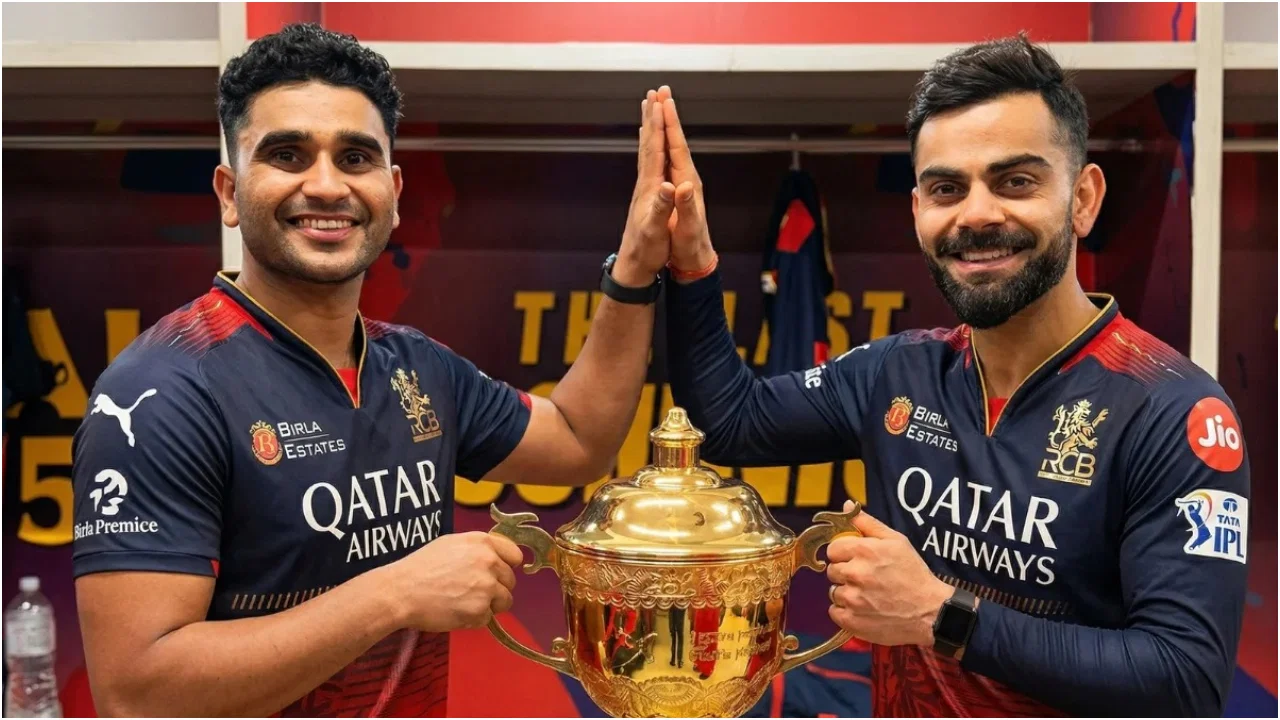
Who is Abhinandan Singh? The Virat Kohli troublemaker who made his IPL debut for RCB vs SRH
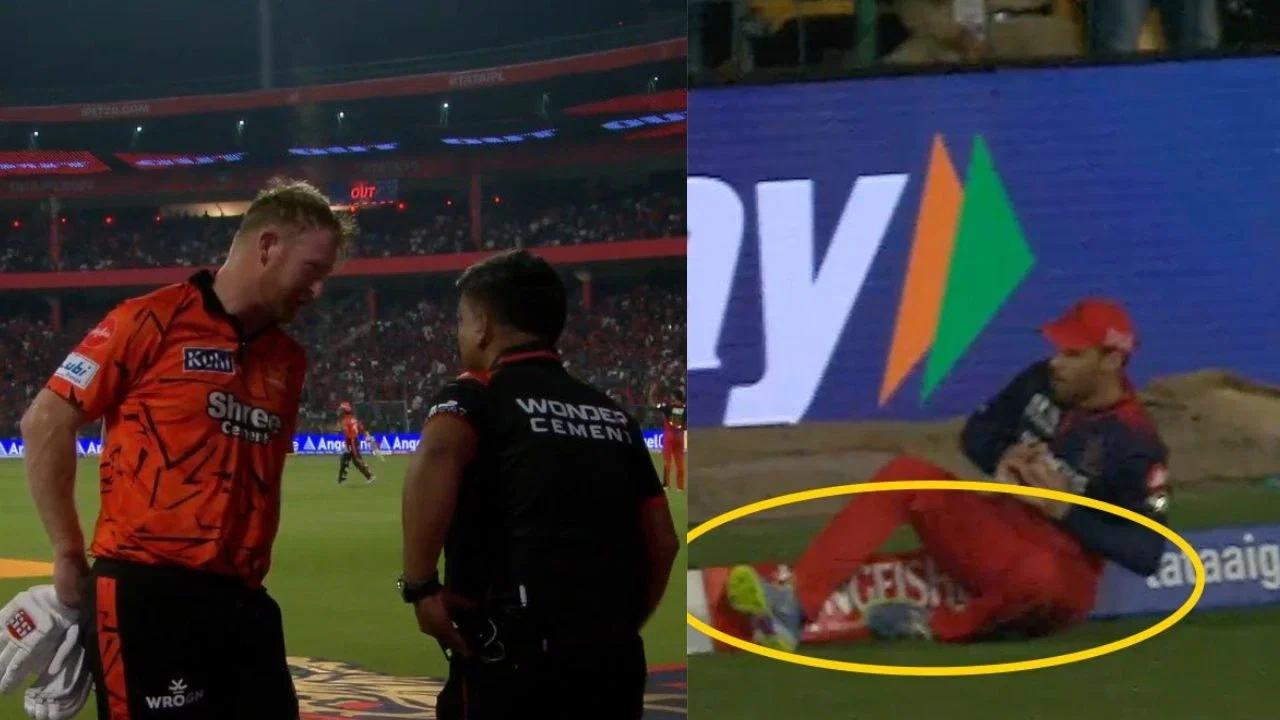
Heinrich Klaasen engages in heated chat with 4th umpire after Phil Salt’s controversial catch in IPL 2026
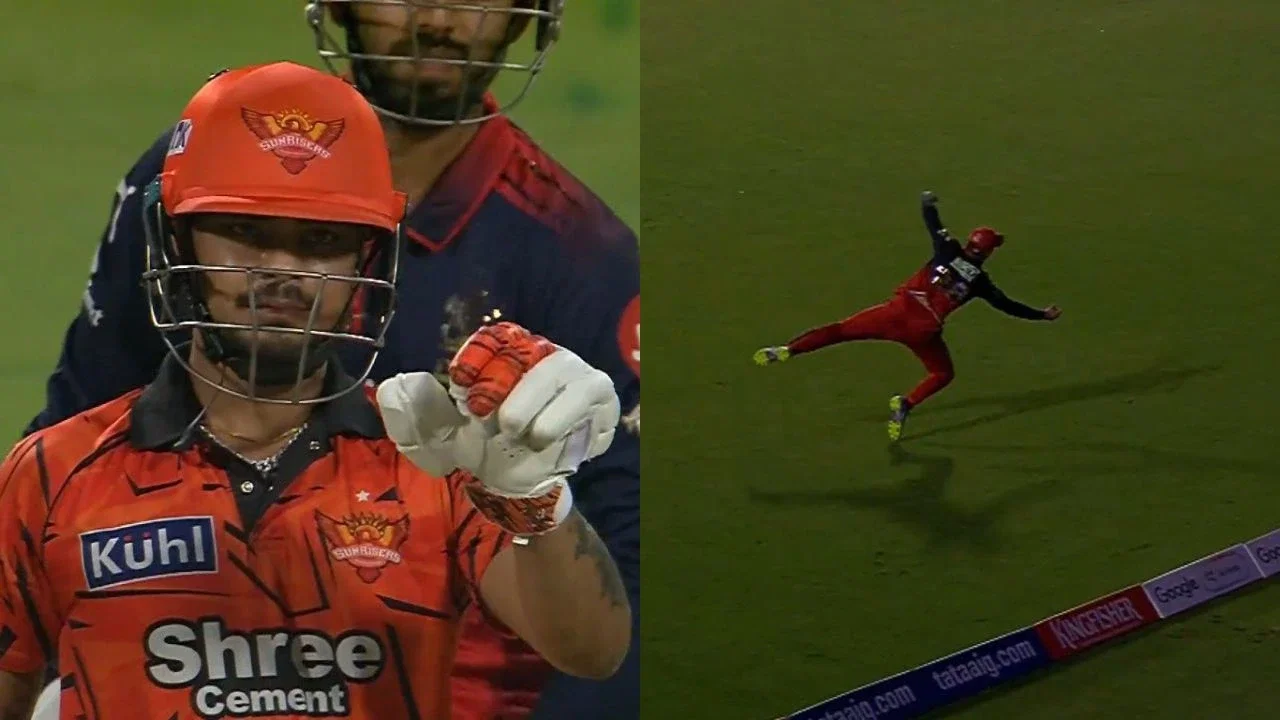
Phil Salt grabs one of the greatest catches in IPL history to dismiss Ishan Kishan
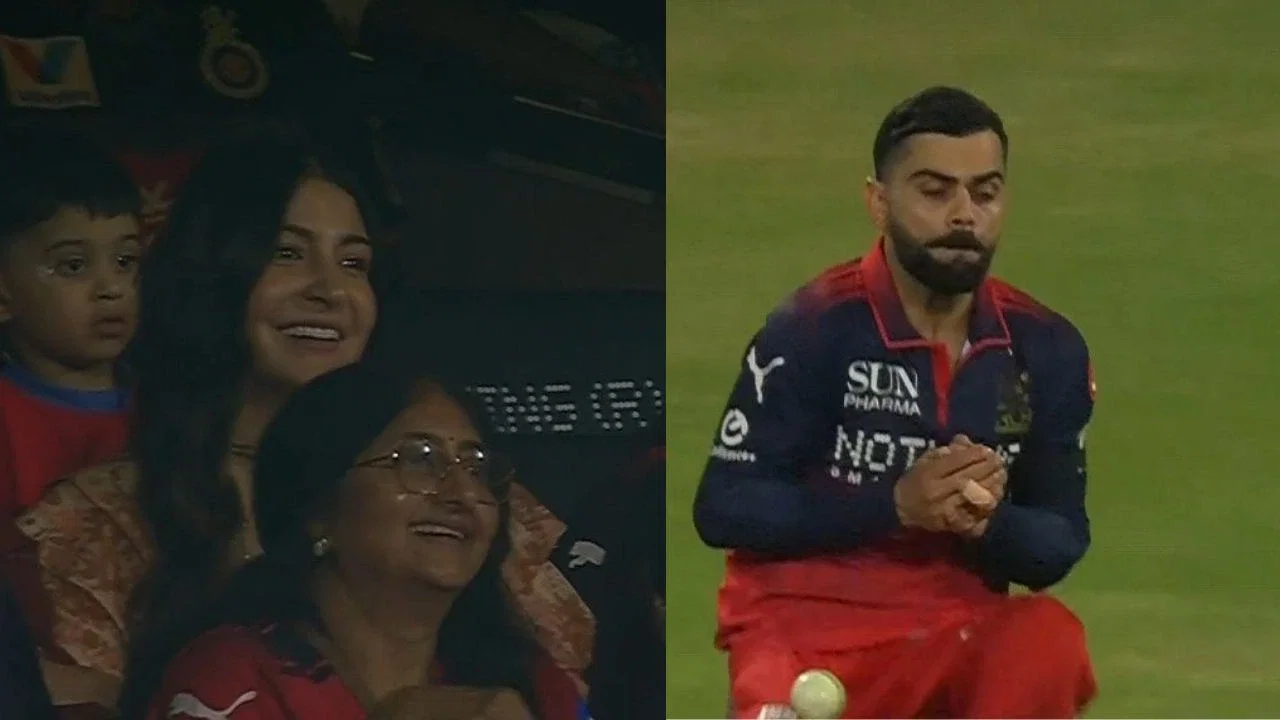
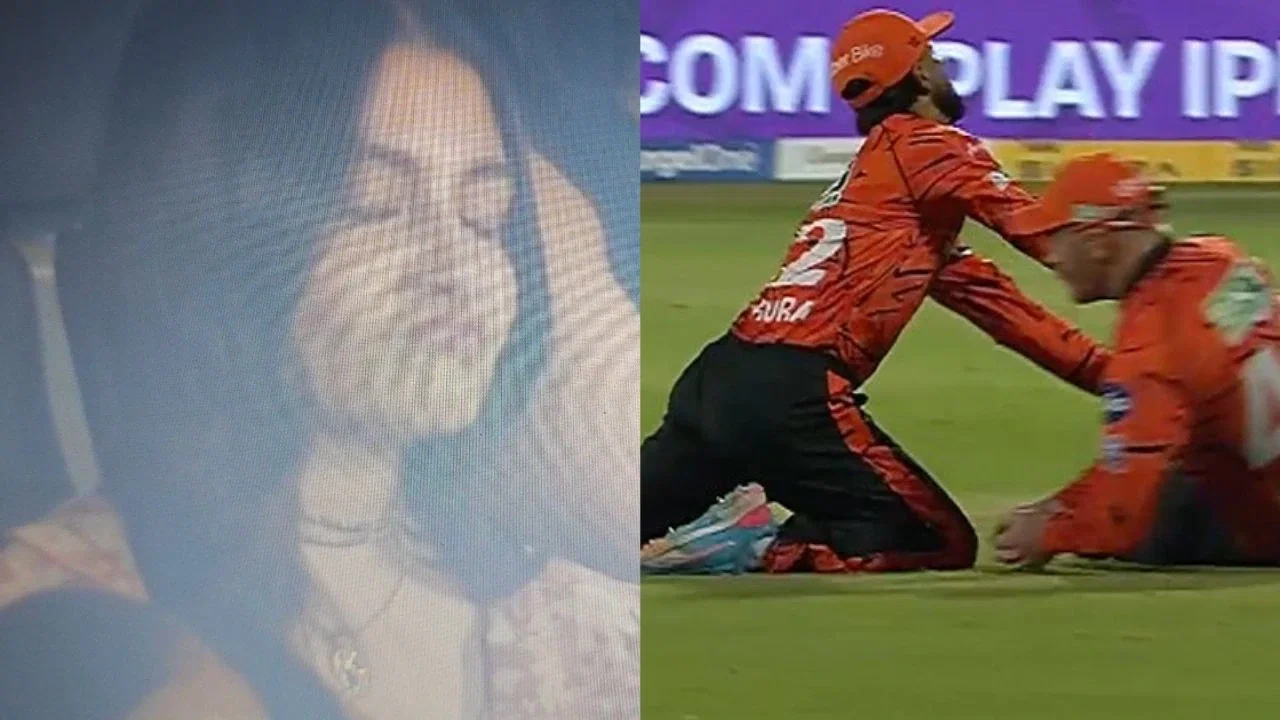
Anushka Sharma laughs as Virat Kohli drops a sitter in RCB vs SRH clash (Watch Video)
Anushka Sharma laughs as Virat Kohli drops a sitter in RCB vs SRH clash (Watch Video)
Anushka Sharma laughs as Virat Kohli drops a sitter in RCB vs SRH clash (Watch Video)
Anushka Sharma laughs as Virat Kohli drops a sitter in RCB vs SRH clash (Watch Video)
Anushka Sharma laughs as Virat Kohli drops a sitter in RCB vs SRH clash (Watch Video)