KL Rahul, Mohammed Siraj’s unavailability angers BCCI; strict command issued
BCCI Urges Zonal Squads to Prioritize Domestic Cricket
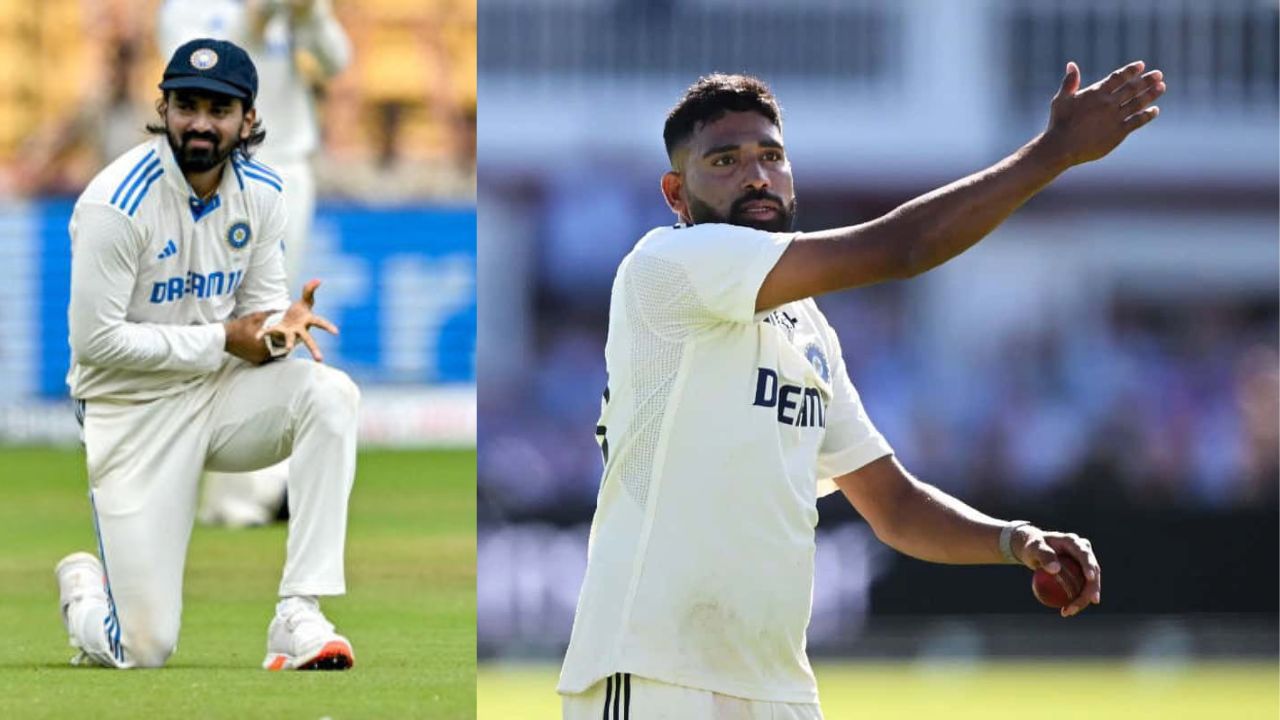
Indian cricket fans were left surprised and disappointed after learning that veteran batsman KL Rahul, premier fast bowler Mohammed Siraj, and all-rounder Washington Sundar were not selected in the South Zone Duleep Trophy squad. This decision raised eyebrows within the BCCI, prompting the issuance of an official letter addressing the inclusion of international players in zonal squads.
Background
Following the conclusion of the India vs. England 5-match Test series, players like KL Rahul, Mohammed Siraj, and Washington Sundar were given a break and consequently not included in the upcoming Duleep Trophy squad. However, the Board of Control for Cricket in India (BCCI) guidelines emphasize the importance of players participating in domestic cricket alongside international commitments.
BCCI’s Ultimatum
The BCCI expressed its displeasure regarding the exclusion of key players like KL Rahul in the Duleep Trophy zonal squads and took the matter seriously. In a recent email to state associations, the BCCI’s general manager Abey Kuruvilla stressed the necessity of including centrally contracted international players in the Duleep Trophy squads to maintain the tournament’s prestige and competitiveness.
Kuruvilla’s email, accessed by The Indian Express, stated, “It’s imperative that all currently available Indian players are selected for their respective zonal teams to ensure the highest quality of competition. Requesting the Zonal Convenors to ensure that all the current Indian players who are available to play the Duleep Trophy should be picked.”
Emphasis on Domestic Cricket
Last year, the BCCI had mandated that international players must make themselves available for all formats of domestic cricket to avoid prioritizing leagues like the Indian Premier League (IPL). This directive was reinforced after the Test series in Australia to encourage players to focus on domestic games.
While South Zone announced a squad with as the captain, the BCCI does not have jurisdiction over this particular decision. It remains unclear whether South Zone will make changes to their squad following Kuruvilla’s email.
State Associations’ Perspective
Some state associations have defended their decision to exclude international players like KL Rahul from the Duleep Trophy squads, suggesting that these players should represent India A or the Board President’s XI instead. They argue that promoting national stars often sidelines hardworking Ranji players who deserve a chance to showcase their skills.
Despite these arguments, Kuruvilla reiterated that all contracted players must adhere to the guidelines set by the BCCI. He emphasized, “All players, contracted or otherwise, who make themselves available for selection into Team India, shall participate in domestic matches conducted by BCCI.”
Ultimately, the BCCI’s push for international players to prioritize domestic cricket reflects a broader effort to strike a balance between representing the country at the highest level and contributing to the grassroots development of the sport in India.
Importance of Zonal Squads in Indian Cricket
Zonal squads play a crucial role in Indian cricket by providing a platform for emerging talent to showcase their skills and compete at a higher level. The Duleep Trophy, in particular, has a rich history and serves as a prestigious tournament that showcases the best of domestic cricket talent. By including top international players like KL Rahul, Mohammed Siraj, and Washington Sundar in zonal squads, the BCCI aims to elevate the standard of competition and create more opportunities for young cricketers to learn from seasoned professionals.
These zonal competitions not only serve as a talent pool for national selection but also instill a sense of pride and camaraderie among players representing their respective regions. It also helps in fostering healthy competition and camaraderie among players, which is essential for the overall growth and development of Indian cricket.
Impact on Player Development
By participating in domestic tournaments like the Duleep Trophy, players gain valuable experience in different playing conditions, which can be beneficial for their overall development. The exposure to high-pressure situations and the opportunity to perform against quality opposition can help players hone their skills and improve their game.
Additionally, playing in zonal squads allows international players to stay match-fit and maintain their form, which is crucial for their success at the highest level. It also enables them to mentor and guide younger players, passing on their knowledge and experience to the next generation of cricketers.
Balancing International and Domestic Commitments
The BCCI’s emphasis on including international players in zonal squads highlights the importance of striking a balance between representing the country in international matches and contributing to domestic cricket. While playing for India is the ultimate goal for any cricketer, it is essential not to overlook the significance of domestic tournaments in nurturing talent and strengthening the foundation of Indian cricket.
By encouraging international players to prioritize domestic cricket, the BCCI is reinforcing the idea that success at the international level is built on a strong domestic structure. This approach not only benefits the players individually but also contributes to the overall competitiveness and sustainability of Indian cricket in the long run.
Future Outlook
As the BCCI continues to push for greater participation of international players in domestic tournaments like the Duleep Trophy, it is likely that we will see a more integrated approach to player development and competition in Indian cricket. This move could lead to a more robust domestic circuit, with top players actively engaging in zonal competitions and raising the overall standard of cricket in the country.
Ultimately, the BCCI’s efforts to prioritize domestic cricket align with the broader goal of nurturing talent, fostering a competitive spirit, and ensuring the continued success of Indian cricket on the global stage. By striking a balance between international commitments and domestic responsibilities, players can contribute to the growth of the sport at all levels and uphold the rich cricketing tradition of India.
Latest News

Mumbai Indians suffer blow! Mitchell Santner, Will Jacks ruled out of IPL 2026 games
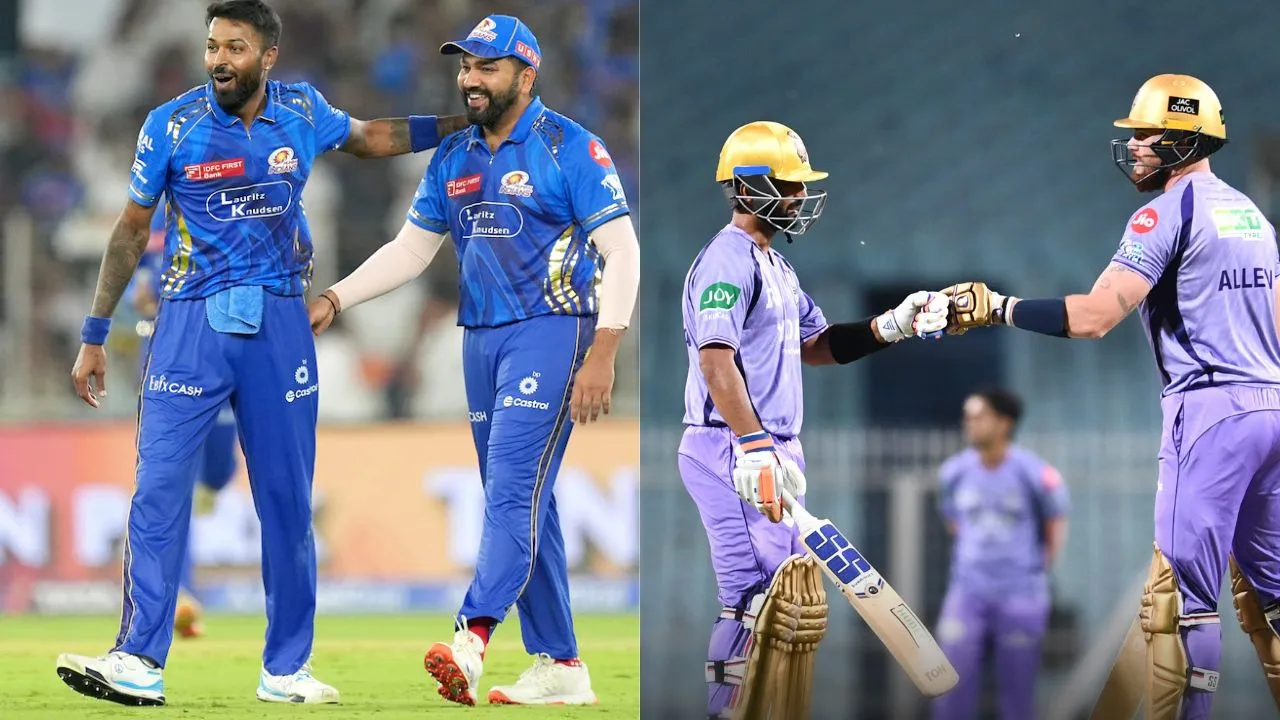
MI vs KKR Match Prediction – Who Will Win Match No.2? | IPL 2026
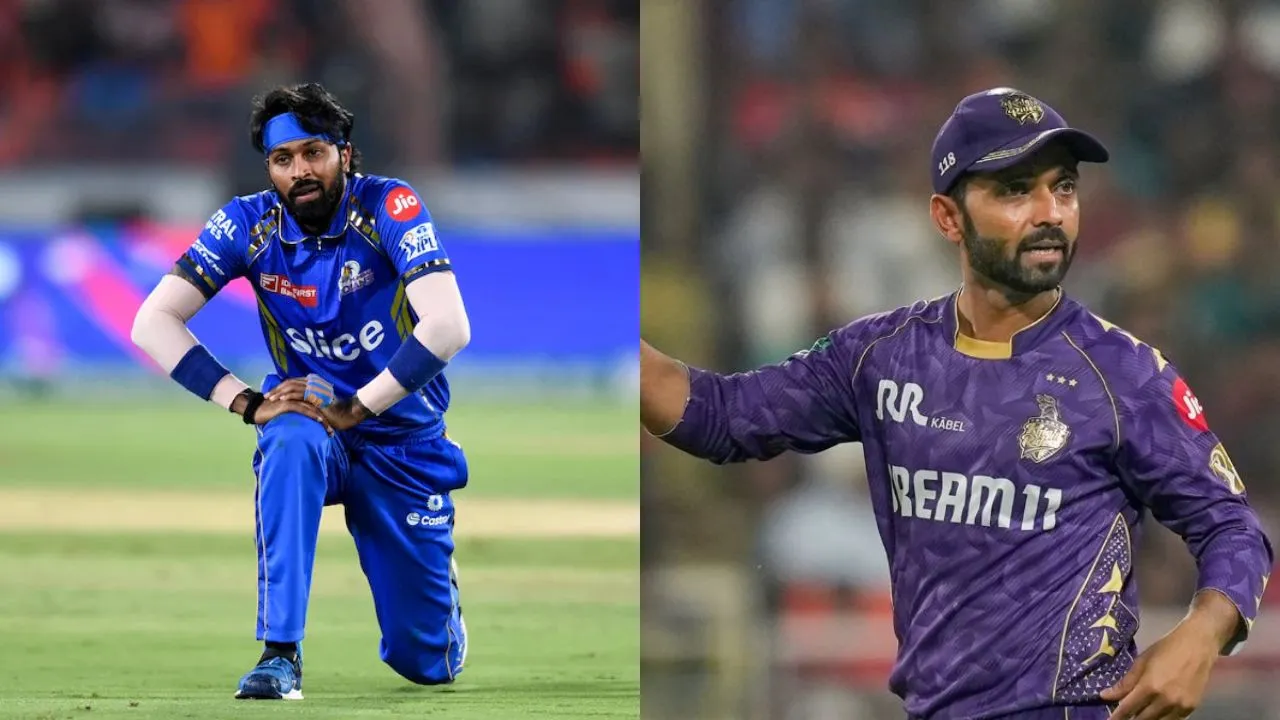
Mumbai Indians Playing XI vs Kolkata Knight Riders Playing XI- Match No. 2 | IPL 2026
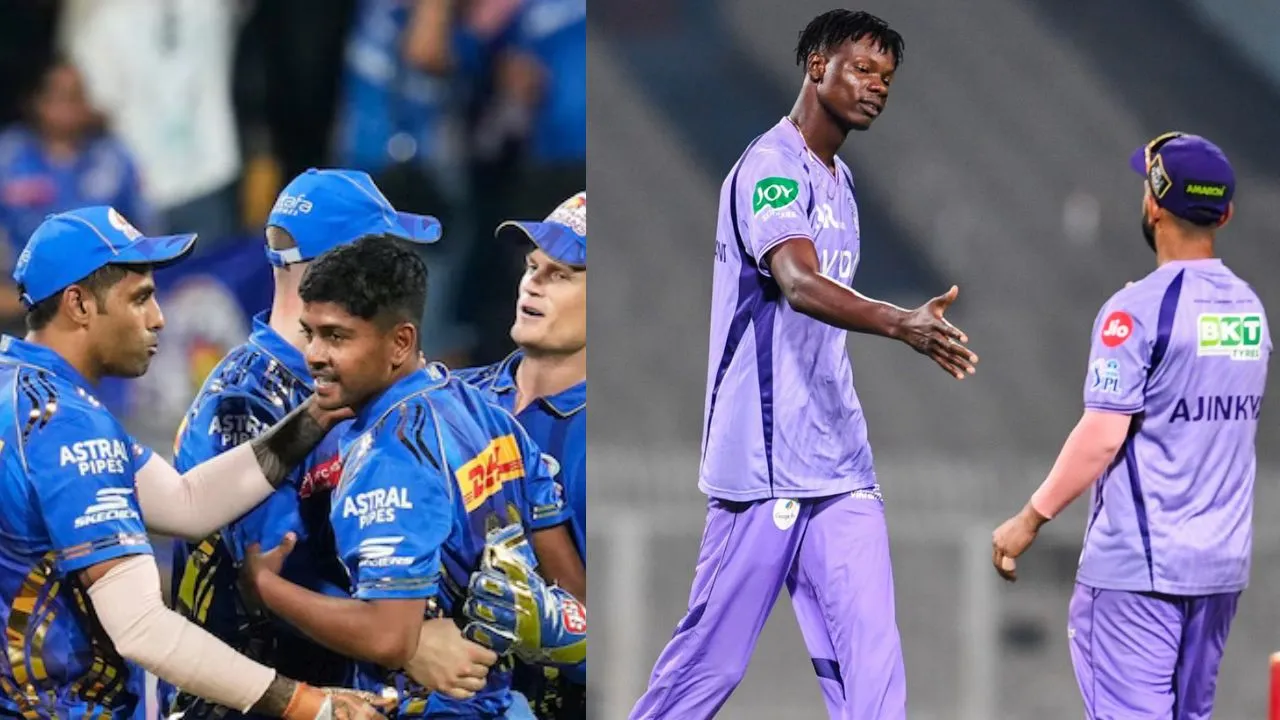
MI vs KKR Match 2 Preview: Free Live Streaming, Pitch & Weather Report, Head-to-Head | IPL 2026
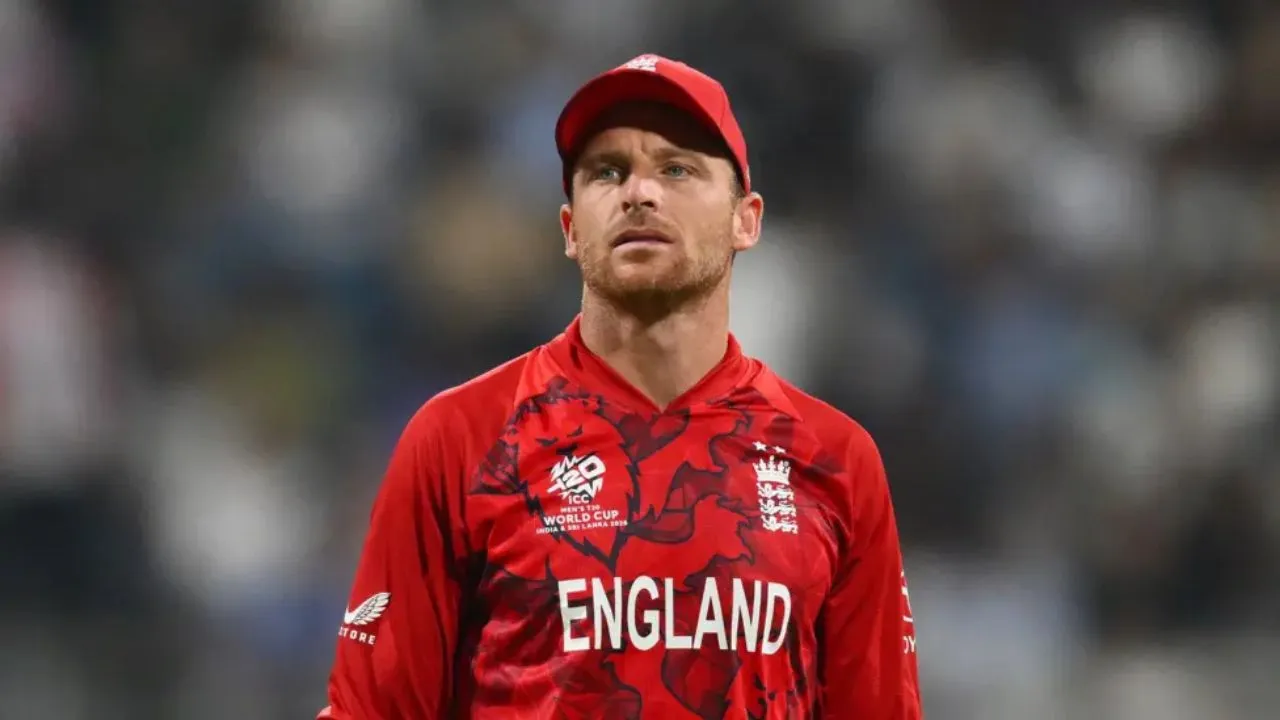
Not English cricket! Jos Buttler credits IPL for his success as a cricketer
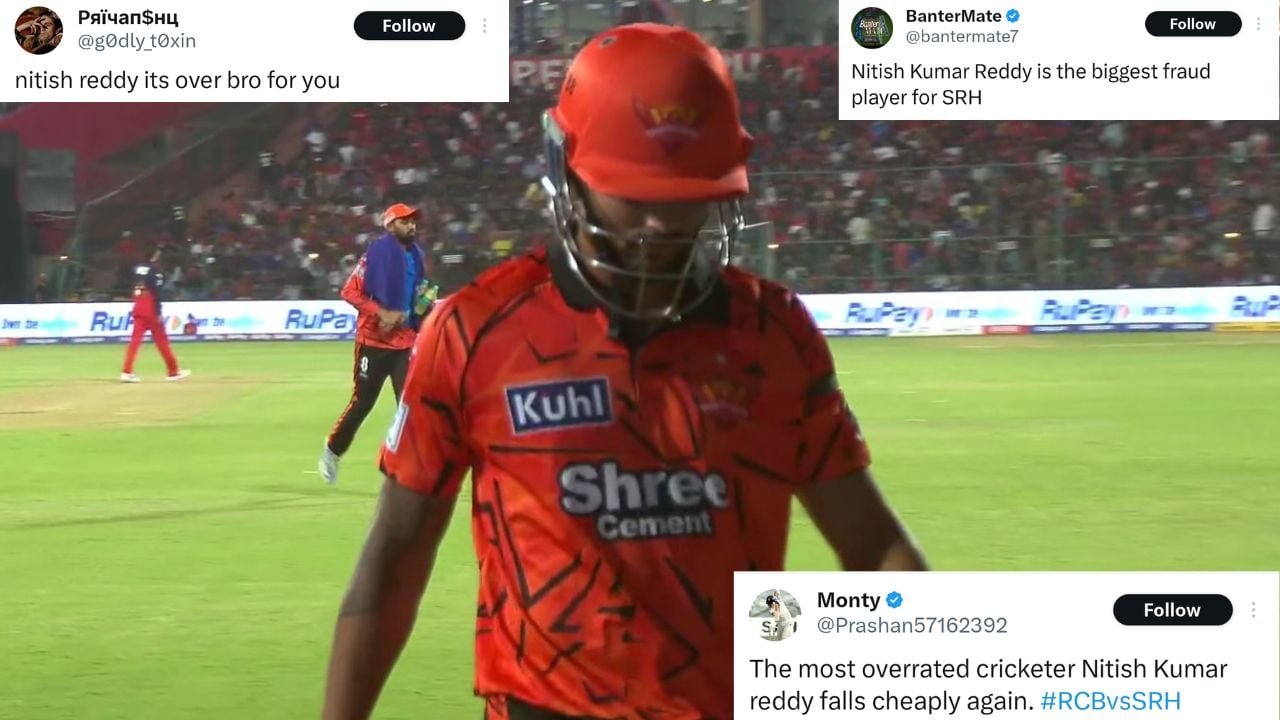
“Nitish Kumar Reddy is biggest fraud”: Fans fume as SRH star fails vs RCB in IPL 2026 opener
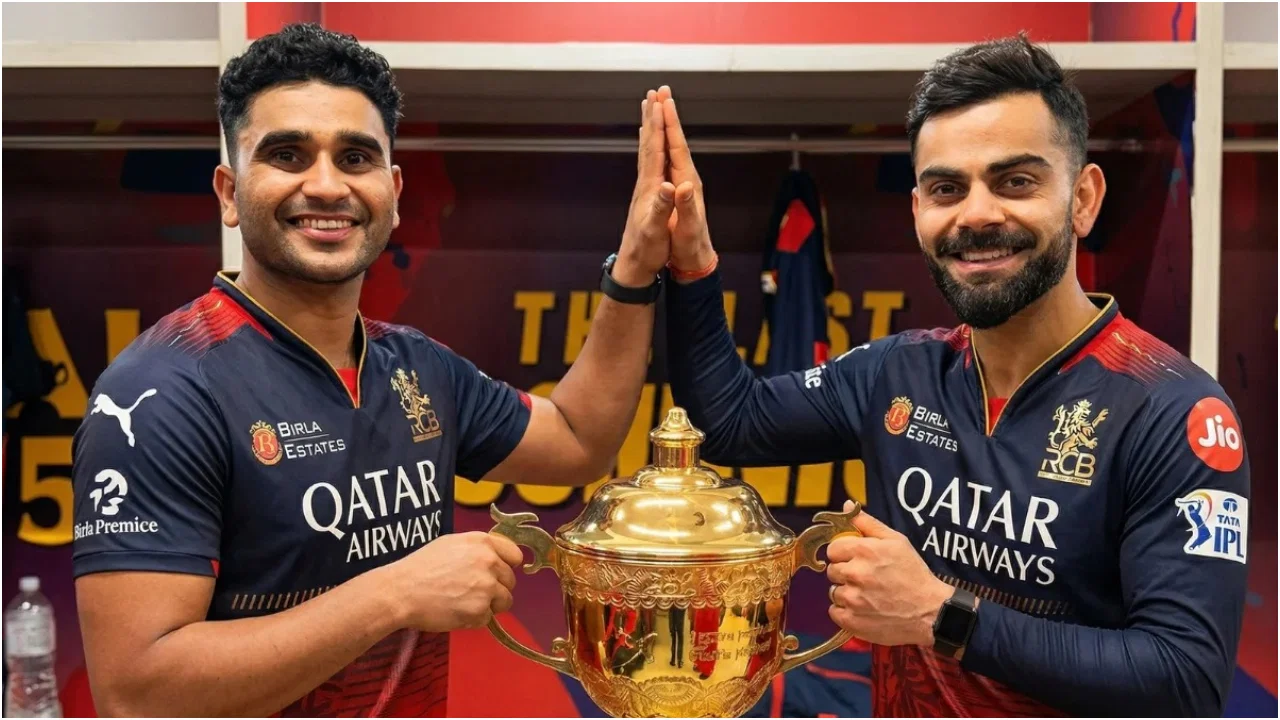
Who is Abhinandan Singh? The Virat Kohli troublemaker who made his IPL debut for RCB vs SRH
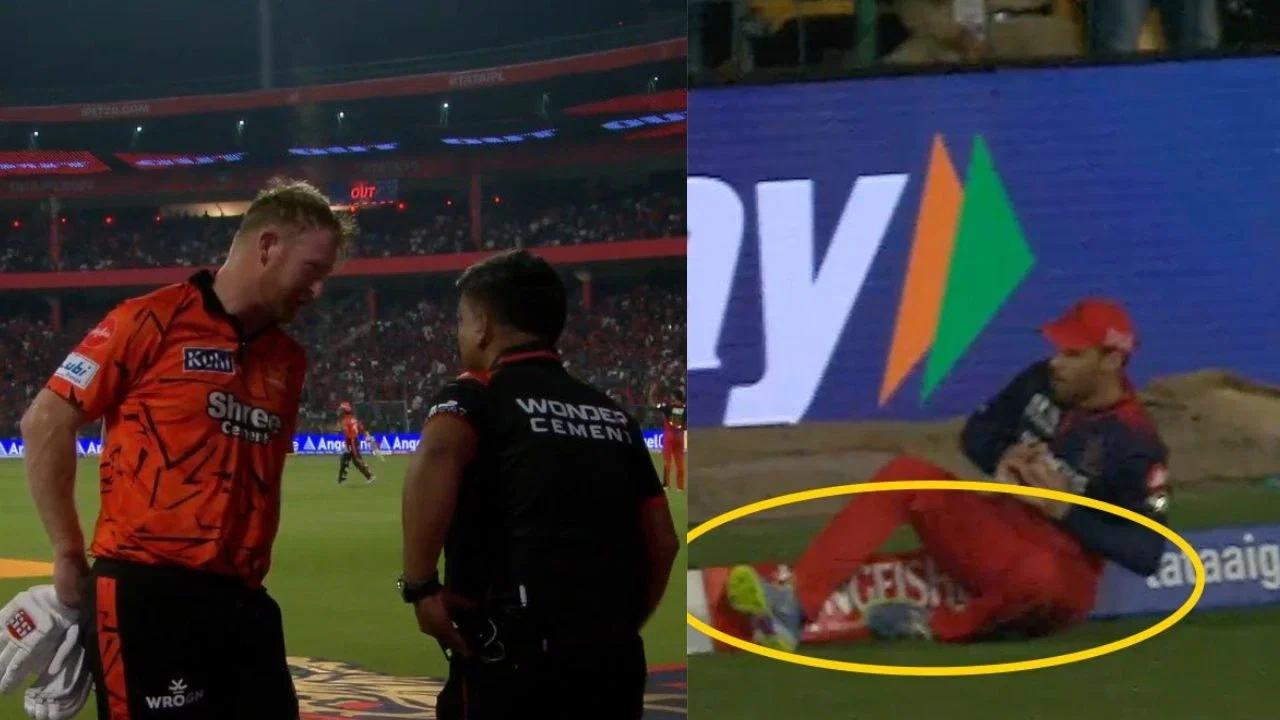
Heinrich Klaasen engages in heated chat with 4th umpire after Phil Salt’s controversial catch in IPL 2026
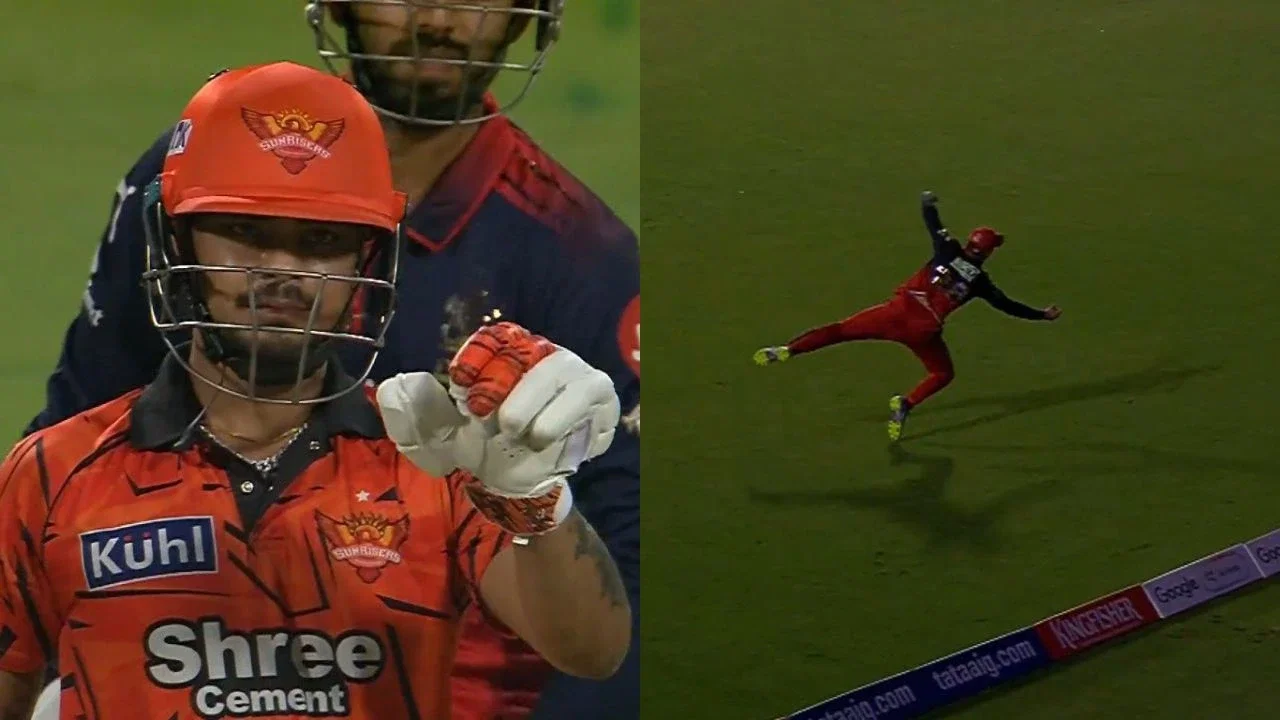
Phil Salt grabs one of the greatest catches in IPL history to dismiss Ishan Kishan
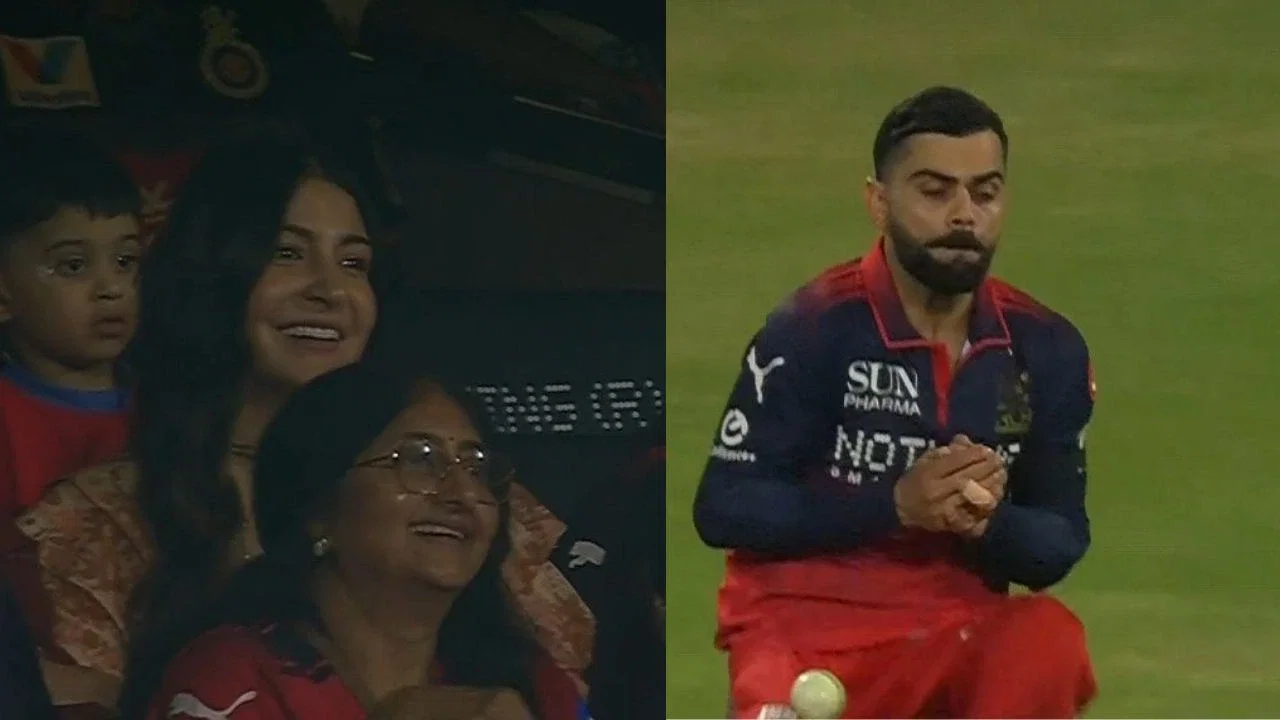
Anushka Sharma laughs as Virat Kohli drops a sitter in RCB vs SRH clash (Watch Video)
Anushka Sharma laughs as Virat Kohli drops a sitter in RCB vs SRH clash (Watch Video)
Anushka Sharma laughs as Virat Kohli drops a sitter in RCB vs SRH clash (Watch Video)
Anushka Sharma laughs as Virat Kohli drops a sitter in RCB vs SRH clash (Watch Video)
Anushka Sharma laughs as Virat Kohli drops a sitter in RCB vs SRH clash (Watch Video)