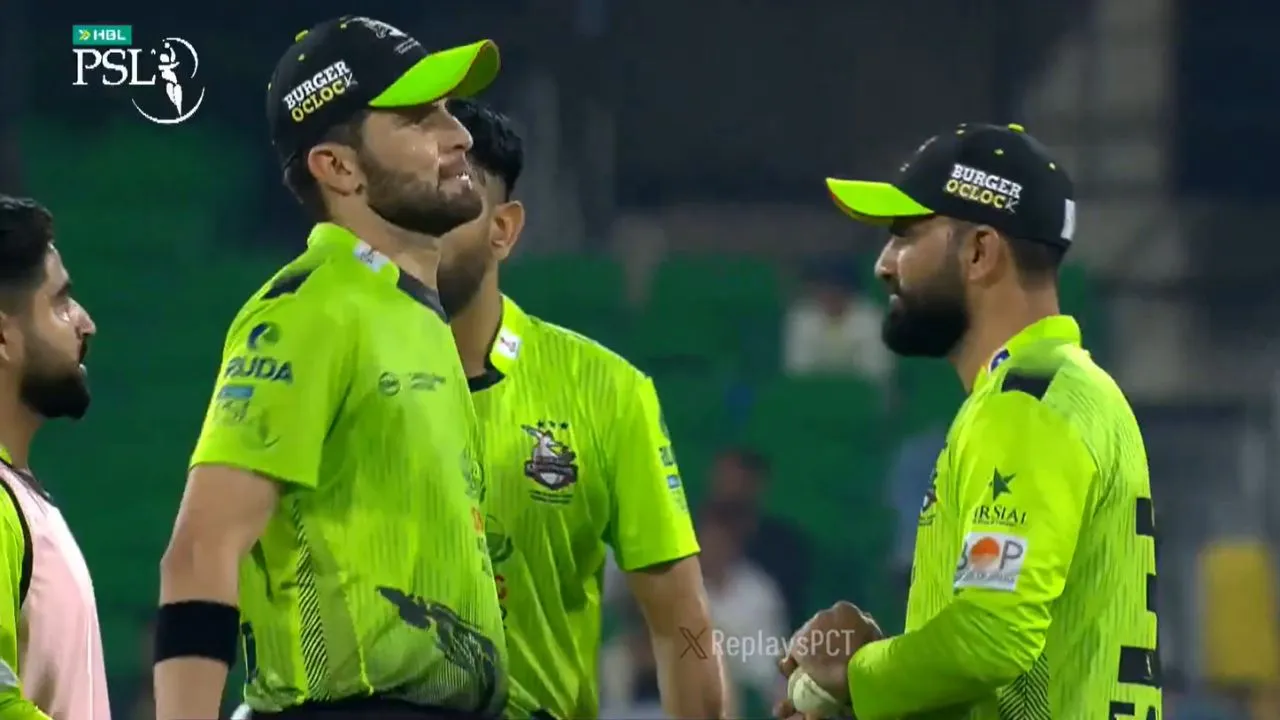
Kohli, Dhoni, Rohit suffer massive financial blow; Indian cricketers set to lose ₹150–200 crore after online gaming ban
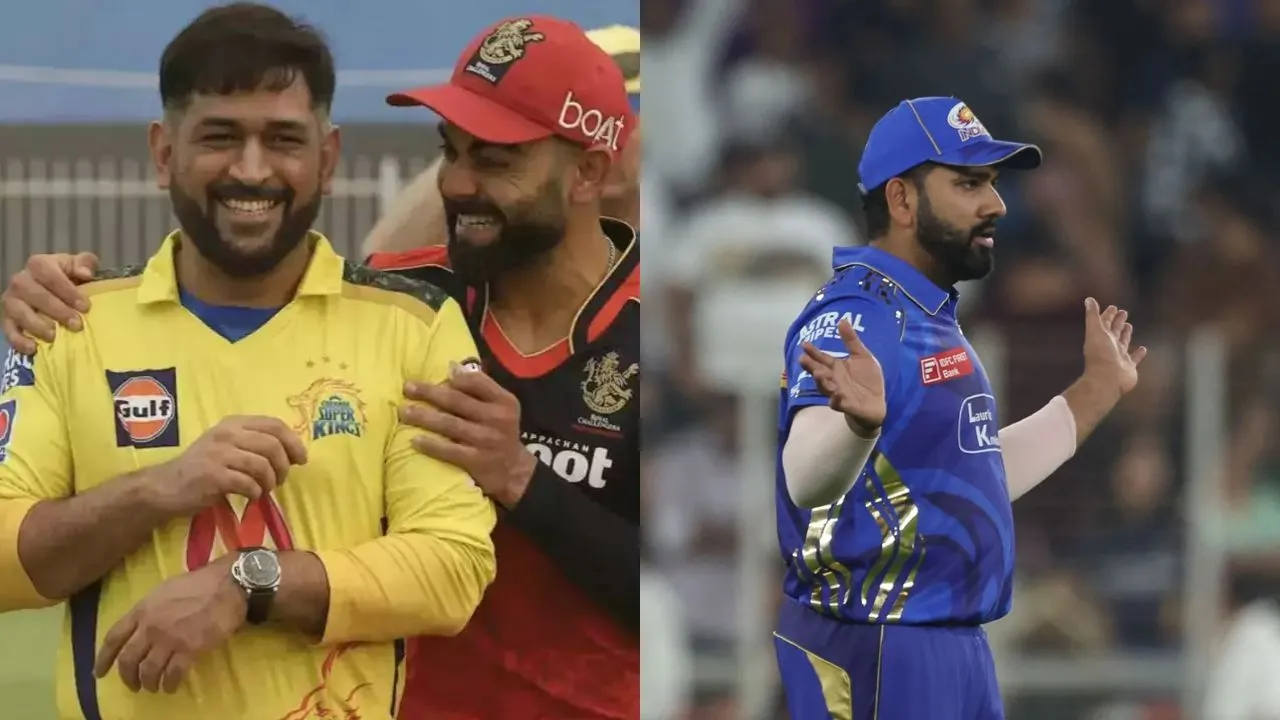
Indian Cricket Team Faces Financial Setback as Real-Money Online Games Banned
The Impact on Indian Cricketers
Recently, the Indian government passed the Promotion and Regulation of Online Gaming Bill, 2025, banning all forms of online money games, including fantasy sports platforms. This move has dealt a significant blow to the India National Cricket Team players, including stalwarts like Virat Kohli, MS Dhoni, and Rohit Sharma. The ban on real-money online games has led to the termination of contracts with fantasy sports companies, resulting in an estimated loss of between INR 150-200 crore annually for the cricketers.
The fantasy sports and online gaming companies like Dream11, My11 Circle, MPL, and Winzo had sponsored many Indian cricketers, leading to substantial financial gains for the players. However, with the ban on real-money games in place, these sponsorship deals have come to an abrupt end, affecting both popular and lesser-known cricketers.
For instance, Virat Kohli, who was associated with MPL, had a contract worth INR 10-12 crore annually, while Rohit Sharma and MS Dhoni had signed INR 6-7 crore contracts. Even the less popular cricketers had deals of around INR 1 crore each. Collectively, Indian cricketers are expected to lose a significant sum of money due to the ban on real-money online games.
While marquee cricketers like Kohli, Sharma, and Dhoni have diversified portfolios and may not be as severely impacted, other cricketers who relied heavily on fantasy platforms as sponsors will feel the financial strain more acutely.
The Ripple Effect on IPL and Advertising Industry
Not only have individual cricketers been affected by the ban, but the Indian Premier League (IPL) has also taken a hit. My11 Circle’s withdrawal as an associate sponsor will cost the IPL Rs 125 crore annually. Teams like Kolkata Knight Riders (KKR), Lucknow Super Giants (LSG), and Sunrisers Hyderabad (SRH) will also lose between INR 10-20 crore each year due to their associations with online gaming platforms.
Industry experts have predicted a significant impact on the advertising industry following the government’s action. Karan Taurani, executive vice-president of Elara Capital, stated that the gaming companies contributed around 7-8 percent of the total advertising market. With the ban on real-money gaming, a substantial portion of these advertising spends is expected to vanish, resulting in losses of around INR 8,000-10,000 crore annually.
In conclusion, the ban on real-money online games has not only affected the financial prospects of Indian cricketers but has also sent shockwaves through the IPL and advertising industry. The repercussions of this move are likely to be felt across the board, highlighting the interconnectedness of sports, entertainment, and commerce in the digital age.
Challenges and Opportunities for Indian Cricketers
With the sudden loss of sponsorship deals from fantasy sports and online gaming companies, Indian cricketers are facing a period of financial uncertainty. While marquee players like Virat Kohli, Rohit Sharma, and MS Dhoni may have other sources of income to fall back on, the ban on real-money games has highlighted the need for diversification in revenue streams for all cricketers.
Players are now exploring alternative avenues for endorsements and sponsorships to make up for the lost income. Some are considering partnerships with traditional sports brands, lifestyle products, or even venturing into personal branding and social media influencing. This shift towards exploring new opportunities could lead to a more diversified and stable financial future for Indian cricketers in the long run.
Innovation in Sports Sponsorship
As the landscape of sports sponsorship evolves due to regulatory changes, there is an opportunity for innovative partnerships to emerge. Brands that were previously hesitant to associate with real-money gaming platforms may now step in to fill the gap left by the ban. This could lead to collaborations with technology companies, e-commerce giants, or even health and wellness brands looking to tap into the cricketing fanbase.
Moreover, the focus may shift towards sustainable and socially responsible sponsorships that resonate with the values of both the players and the audience. This shift towards more conscientious partnerships could not only benefit the financial interests of Indian cricketers but also enhance their public image and reputation in the long term.
Regulatory Implications for Online Gaming Industry
The ban on real-money online games in India has raised questions about the regulatory environment for the online gaming industry as a whole. While the move was aimed at curbing gambling and addiction issues, it has also highlighted the need for clear guidelines and policies to govern the online gaming space.
Industry stakeholders are calling for a transparent and well-defined regulatory framework that balances consumer protection with business interests. This could lead to the emergence of a more sustainable and responsible online gaming ecosystem that not only safeguards the interests of players but also allows for legitimate and ethical business operations in the sector.
Resilience and Adaptability in the Face of Change
Despite the financial setback caused by the ban on real-money online games, Indian cricketers are known for their resilience and adaptability in the face of challenges. This period of uncertainty could serve as a catalyst for players to reassess their financial strategies, explore new opportunities, and build more robust and diversified income streams.
By leveraging their brand value, expertise, and fan following, Indian cricketers have the potential to navigate through this turbulent period and emerge stronger on the other side. The ability to pivot, innovate, and adapt to changing circumstances will be key in weathering the storm and charting a new course towards financial stability and success in the ever-evolving landscape of sports sponsorship.
In conclusion, while the ban on real-money online games has posed significant challenges for Indian cricketers, it has also opened up new possibilities for innovation, diversification, and resilience in the realm of sports sponsorship. By embracing change, exploring new opportunities, and staying true to their values, Indian cricketers have the potential to not only overcome the current financial setback but also thrive in the face of adversity.
Latest News
Glenn Maxwell dropped as Australia part ways with star all-rounder
10 T20Is in one month! India’s full schedule vs Ireland, England, Zimbabwe revealed
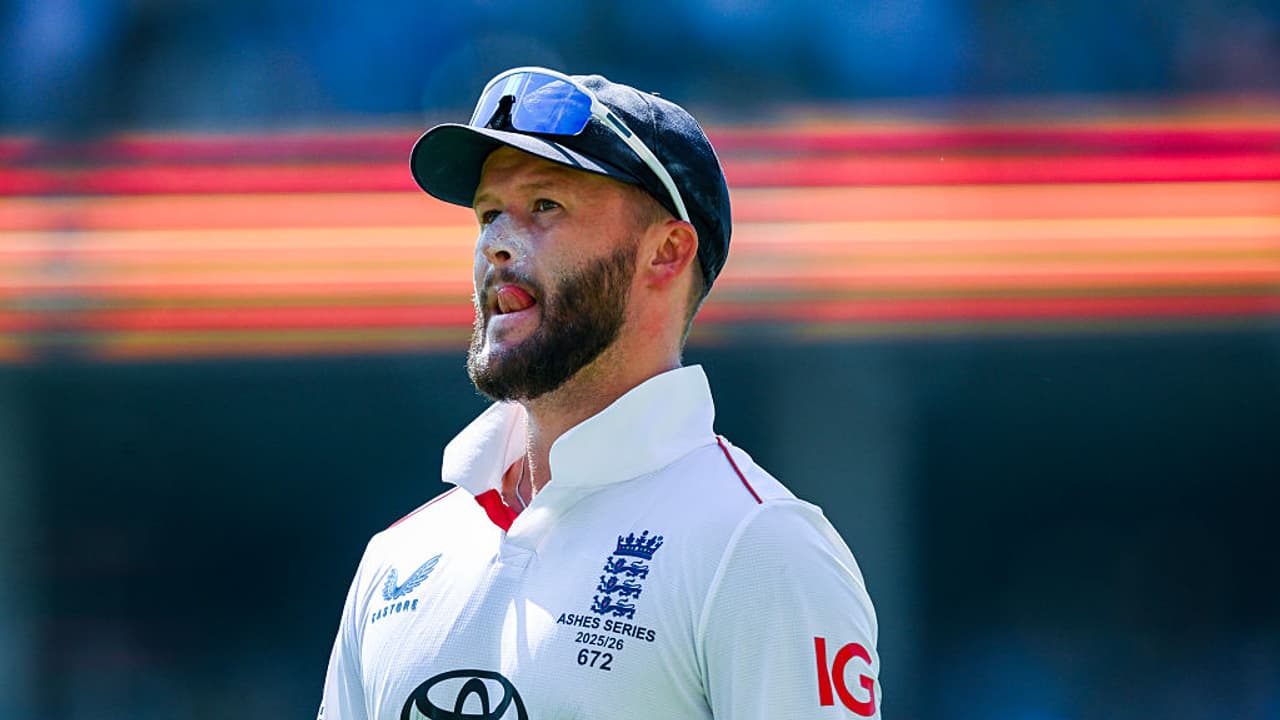
After MS Dhoni, Ben Duckett fined by police for overspeeding
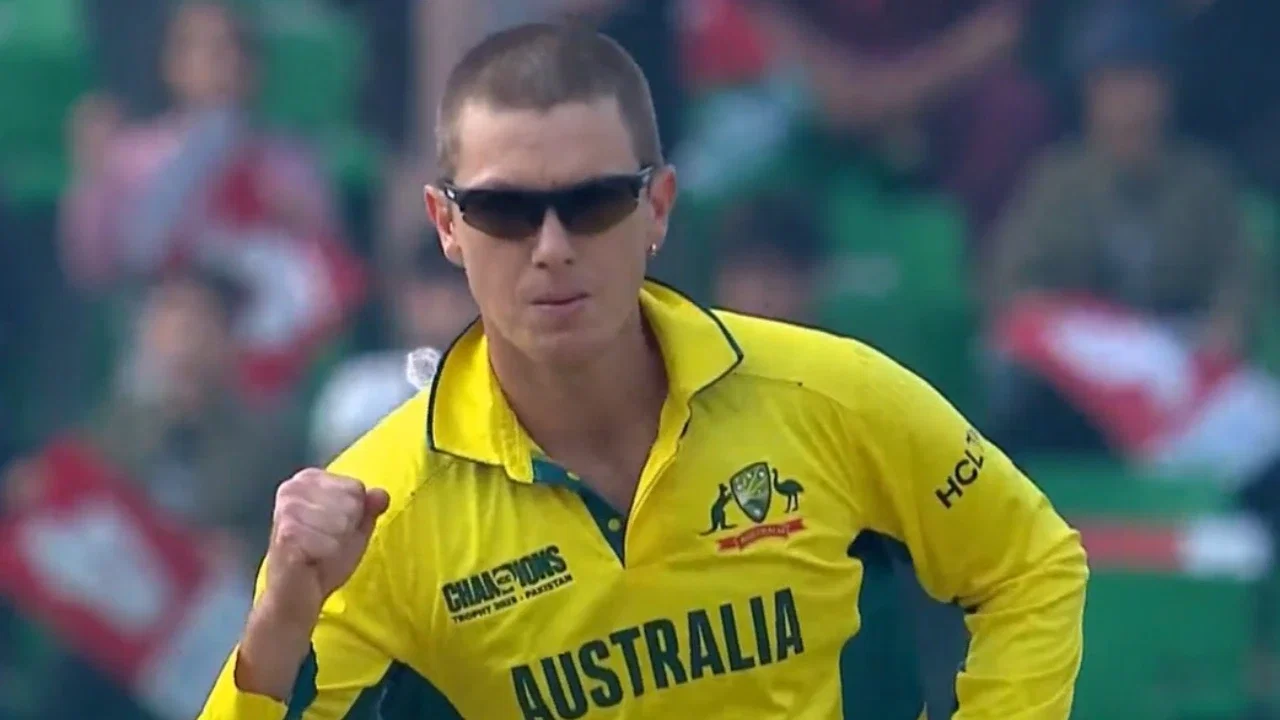
Why Adam Zampa chose PSL over IPL? Australia star reveals ‘monetary’ reason
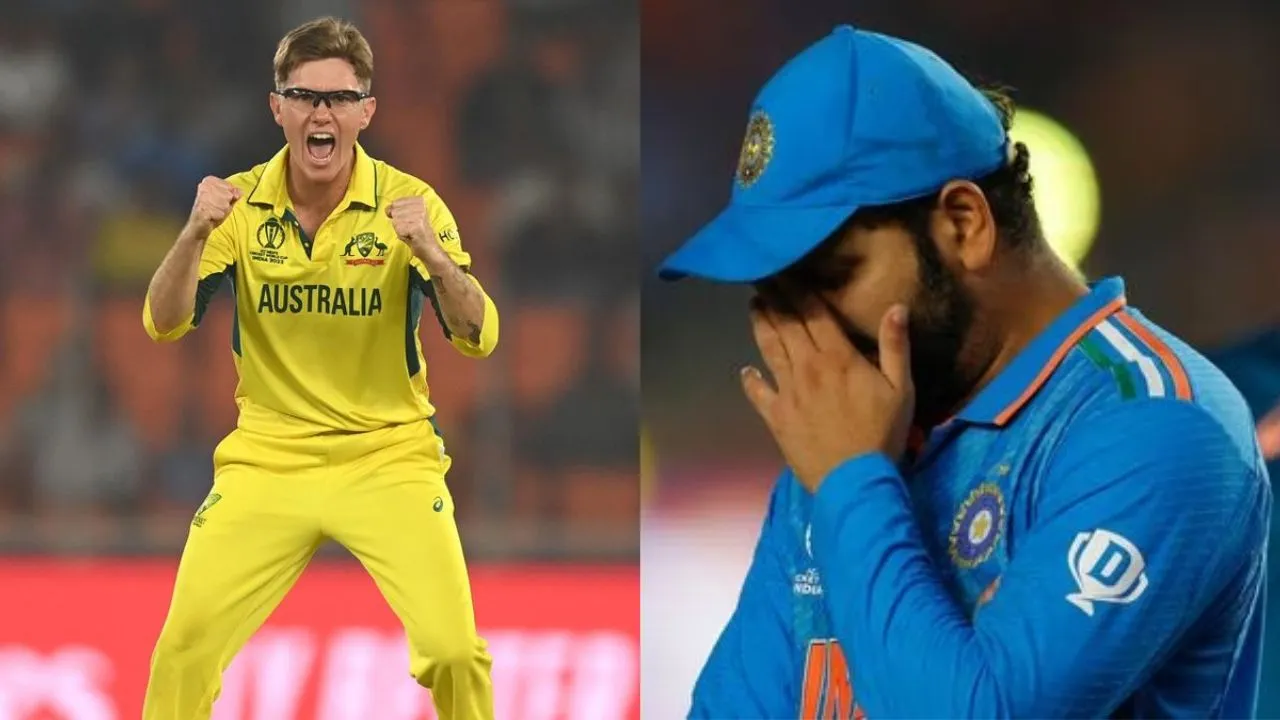
Making Indian crowd silent is a good feeling: Adam Zampa names 2023 CWC win as his favourite memory

Watch: Saim Ayub trains in heavy rain and thunderstorm, raises health concerns amid PSL 2026
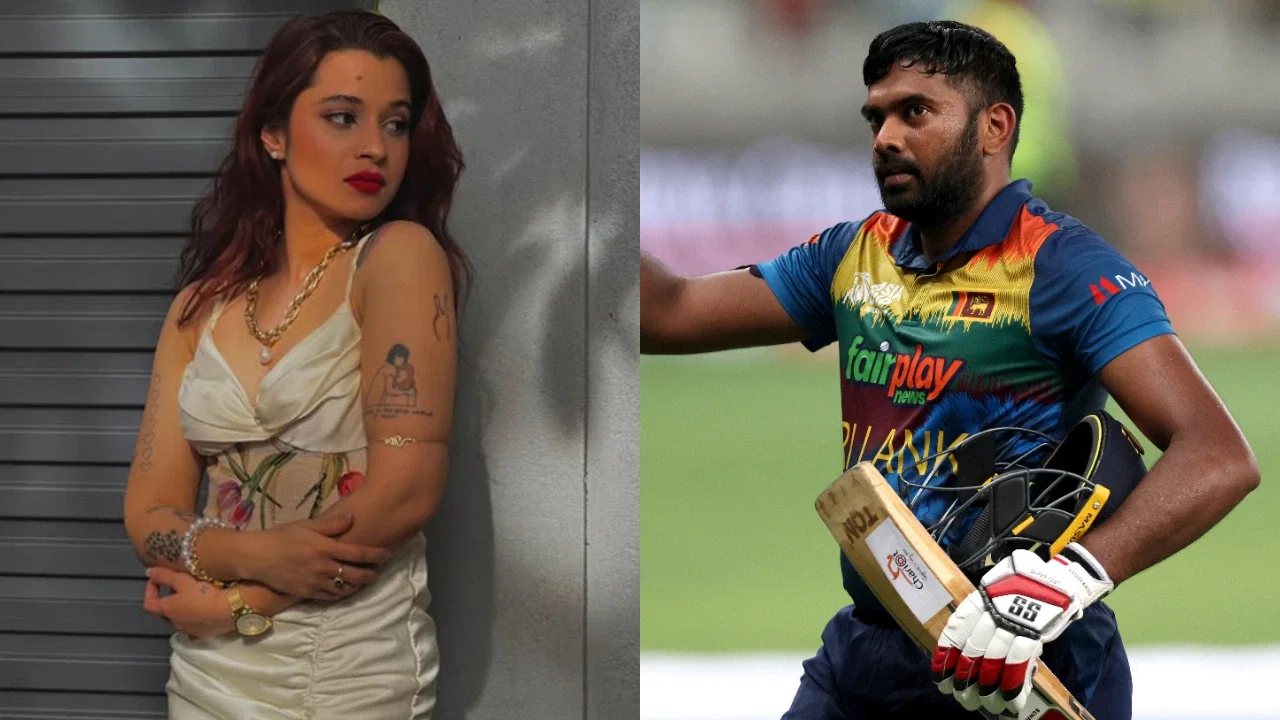
Sri Lanka cricketer Bhanuka Rajapaksa sends legal notice to actress over false accusations
Punjab Kings penalised! Shreyas Iyer punished after win vs Gujarat Titans in IPL 2026
Shreyas Iyer injury update: Punjab Kings captain ruled out of IPL 2026?
LSG vs DC Match No. 5 Preview: Free Live Streaming, Pitch & Weather Report, Head-to-Head | IPL 2026
LSG vs DC Match Prediction – Who Will Win Match No.5? | IPL 2026
LSG Playing XI vs DC Playing XI – Match No. 5 | IPL 2026
Krunal Pandya breaks silence on India snub, opens up on Virat Kohli
Mohsin Naqvi enforces new social media rules for Pakistan players following Naseem Shah incident