Kris Srikkanth tears apart Gautam Gambhir for Harshit Rana’s promotion over Shivam Dube as fight reignites
Former Selector Kris Srikkanth Criticizes Indian Management for Batting Decision
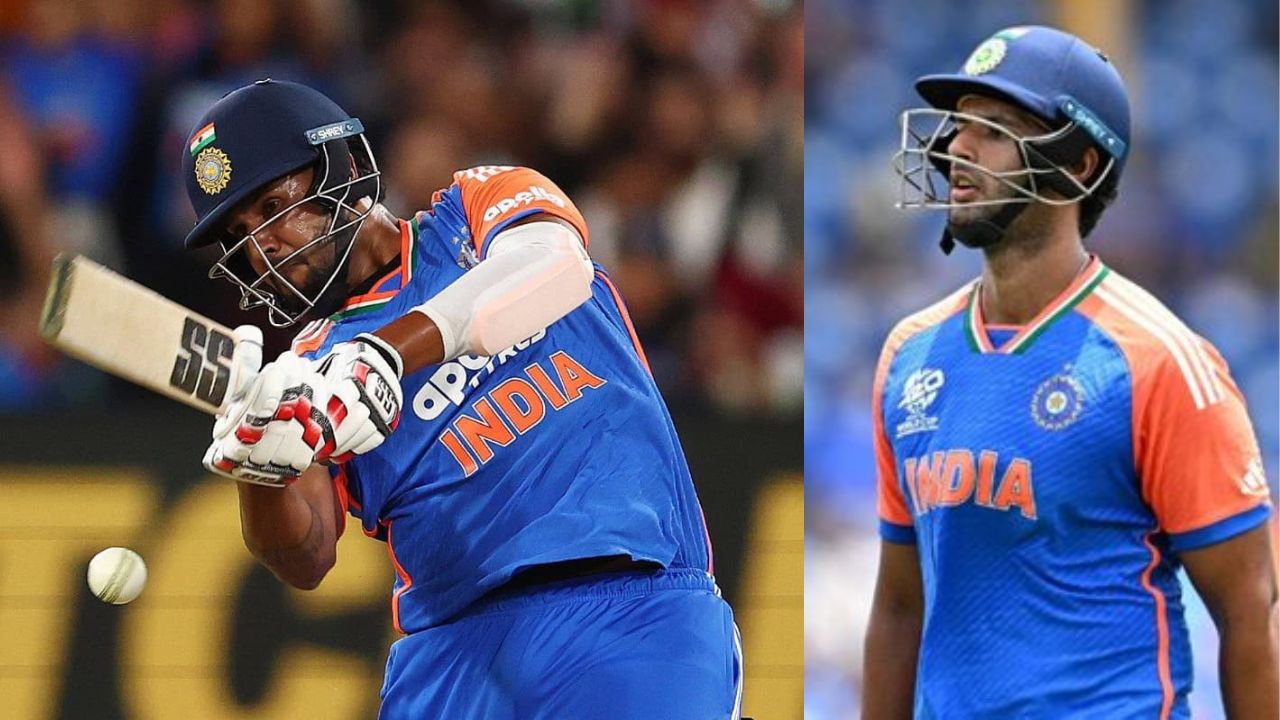
In a surprising move during the second T20I against Australia at the MCG, the Indian management decided to promote Harshit Rana ahead of all-rounder Shivam Dube in the batting order. This decision did not sit well with former Indian selector Kris Srikkanth, who criticized the move as odd and demoralizing to Dube’s abilities.
India’s Batting Woes and the Controversial Decision
India suffered a humiliating collapse in the second T20I against Australia as they were reduced to 49/5 with all key players back in the pavilion. Opener Abhishek Sharma was the lone fighter with a quickfire 68-run knock, but India managed to score only 125 runs in 18.4 overs. The decision to send in Harshit Rana ahead of Shivam Dube raised eyebrows, especially considering Rana’s scratchy innings of 35 runs off 33 balls.
“You are demoralizing Dube’s ability. Is Harshit Rana such a big player?” questioned Srikkanth on his YouTube channel. He pointed out that Rana’s slow strike rate affected Abhishek Sharma’s flow of runs, making the partnership less effective than it could have been with a specialist batter.
Rana-Dube Partnership and Its Impact
Harshit Rana came in to bat at number 7 and shared a 47-ball partnership with Abhishek Sharma. Rana faced 33 deliveries during the partnership and often took singles off the last ball of the over, hampering Sharma’s ability to score freely. Srikkanth believed that this move not only affected Sharma’s performance but also demoralized Dube, who was pushed down to number 8 in the batting order.
Srikkanth highlighted Dube’s capabilities, citing his crucial knock in the Asia Cup final against Pakistan. He expressed concern over the management’s decision-making process, questioning whether they were playing according to the “Impact Player” rule seen in the IPL. Dube was sent in with less than five overs remaining and was dismissed after facing just two deliveries.
Concerns for Dube’s Future and Team Morale
Srikkanth’s criticism extended to the impact of such decisions on Dube’s confidence and the overall morale of the Indian team. He emphasized the importance of backing players like Dube and ensuring they have the opportunity to showcase their abilities in crucial situations.
Overall, Srikkanth’s comments shed light on the complexities of team management and selection decisions in high-stakes matches. The controversy surrounding the promotion of Harshit Rana over Shivam Dube serves as a reminder of the fine line between strategic choices and potentially demoralizing moves within a cricket team.
Analysis of India’s Batting Woes
The collapse of India’s batting lineup in the second T20I against Australia highlighted the team’s vulnerability in pressure situations. With key players failing to deliver and the middle order struggling, the decision to promote Harshit Rana ahead of Shivam Dube added another layer of complexity to India’s batting woes. This move not only disrupted the batting order but also raised questions about the team management’s decision-making process.
It is essential to recognize the importance of stability and experience in the middle order, especially in high-pressure matches. Shivam Dube, known for his explosive batting and ability to finish games, could have provided the much-needed firepower in the later stages of the innings. By pushing him down the order and promoting a less experienced player like Harshit Rana, the management risked disrupting the team’s balance and momentum.
Impact of Team Dynamics on Performance
The controversy surrounding the batting decision also brings to light the significance of team dynamics and morale in cricket. Players thrive on confidence and belief in their abilities, and any decision that undermines this can have far-reaching consequences on performance. By publicly criticizing the management’s choice, Kris Srikkanth highlighted the potential pitfalls of demoralizing players and the need for a cohesive and supportive team environment.
In a sport like cricket, where partnerships and synergy between players are crucial, maintaining a positive team culture is paramount. Each player brings unique skills and strengths to the team, and it is the management’s responsibility to harness these attributes effectively. The promotion of Harshit Rana over Shivam Dube not only impacted individual performances but also raised concerns about the team’s overall unity and strategy.
The Role of Selectors and Management in Player Development
As former selector Kris Srikkanth emphasized, the decisions made by the management have a significant impact on player development and long-term success. By overlooking established players like Shivam Dube in favor of unproven talent, the management runs the risk of stunting the growth and confidence of key performers. It is crucial for selectors and team management to strike a balance between nurturing young talent and supporting experienced players to ensure a well-rounded and competitive squad.
The controversy surrounding India’s batting decision serves as a reminder of the delicate balance between innovation and tradition in cricket. While experimentation is essential for growth and evolution, it must be executed judiciously to avoid alienating players and disrupting team dynamics. As India prepares for future challenges, the lessons learned from this incident will undoubtedly shape their approach to team selection and management.
By delving deeper into the implications of the controversial batting decision and its broader impact on team dynamics and player development, this expanded content provides a comprehensive analysis of the situation, offering valuable insights into the complexities of cricket management and strategy.
Latest News
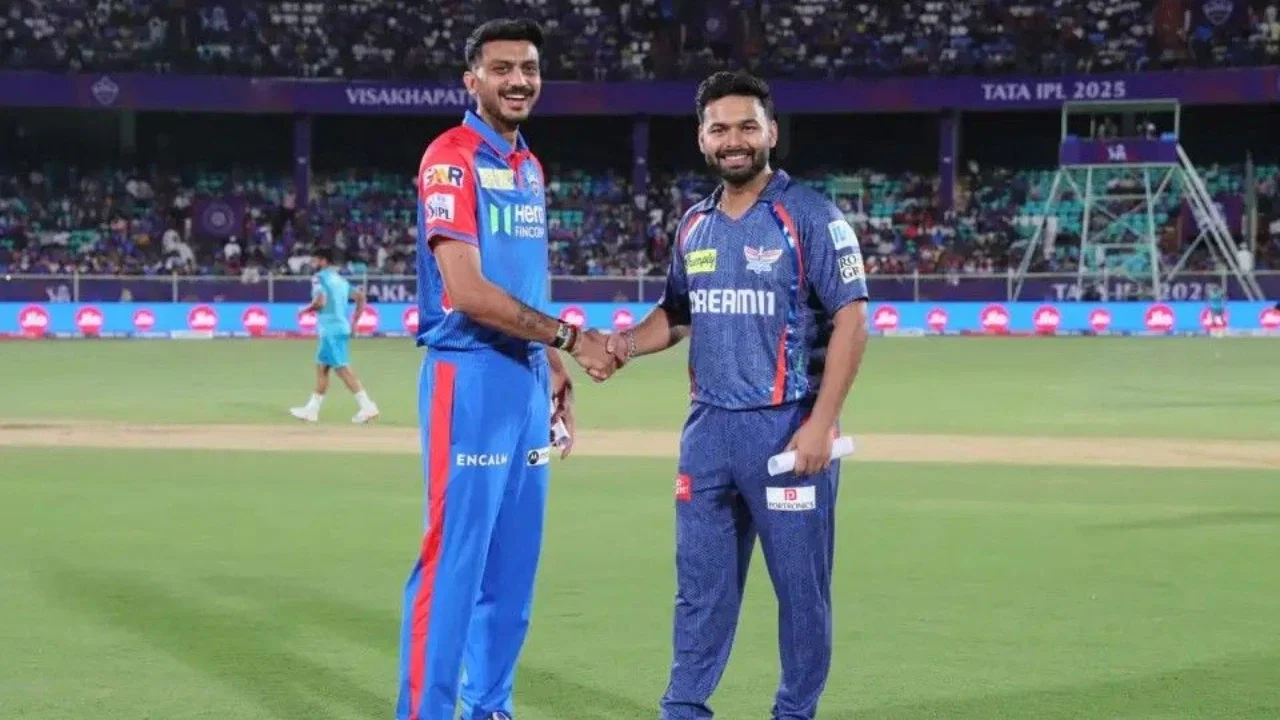
LSG vs DC Match No. 5 Preview: Free Live Streaming, Pitch & Weather Report, Head-to-Head | IPL 2026
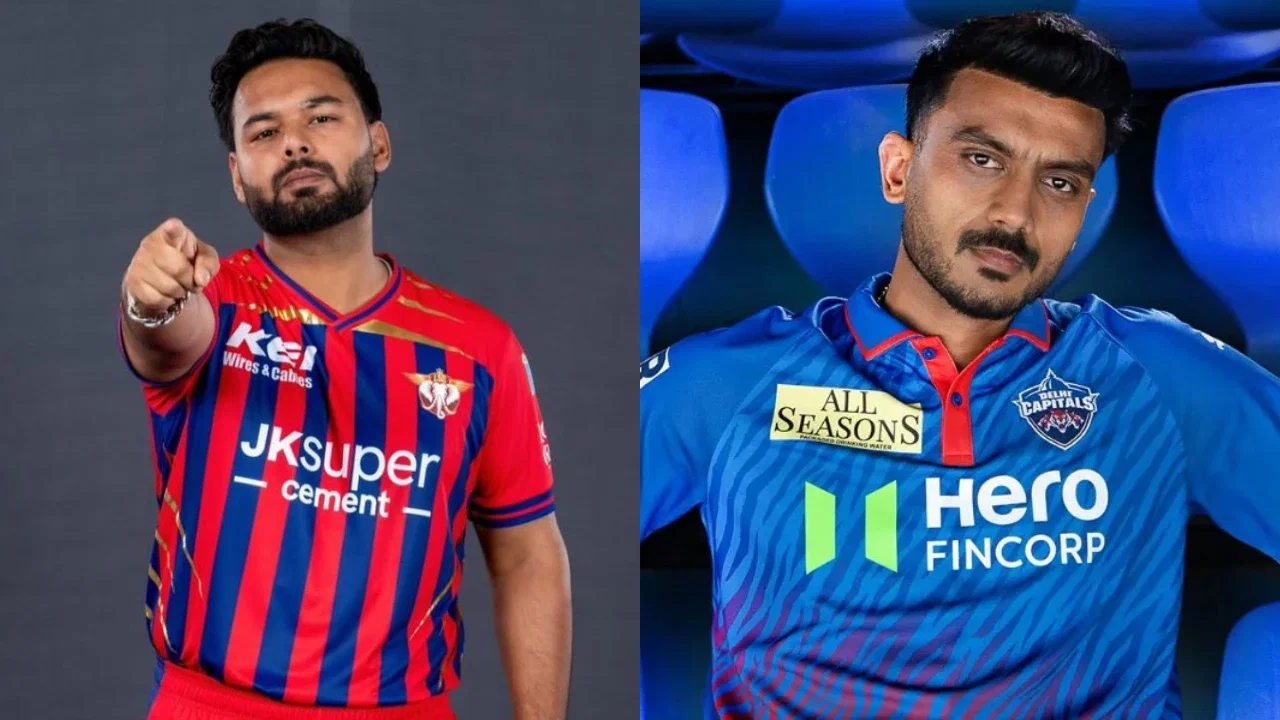
LSG vs DC Match Prediction – Who Will Win Match No.5? | IPL 2026
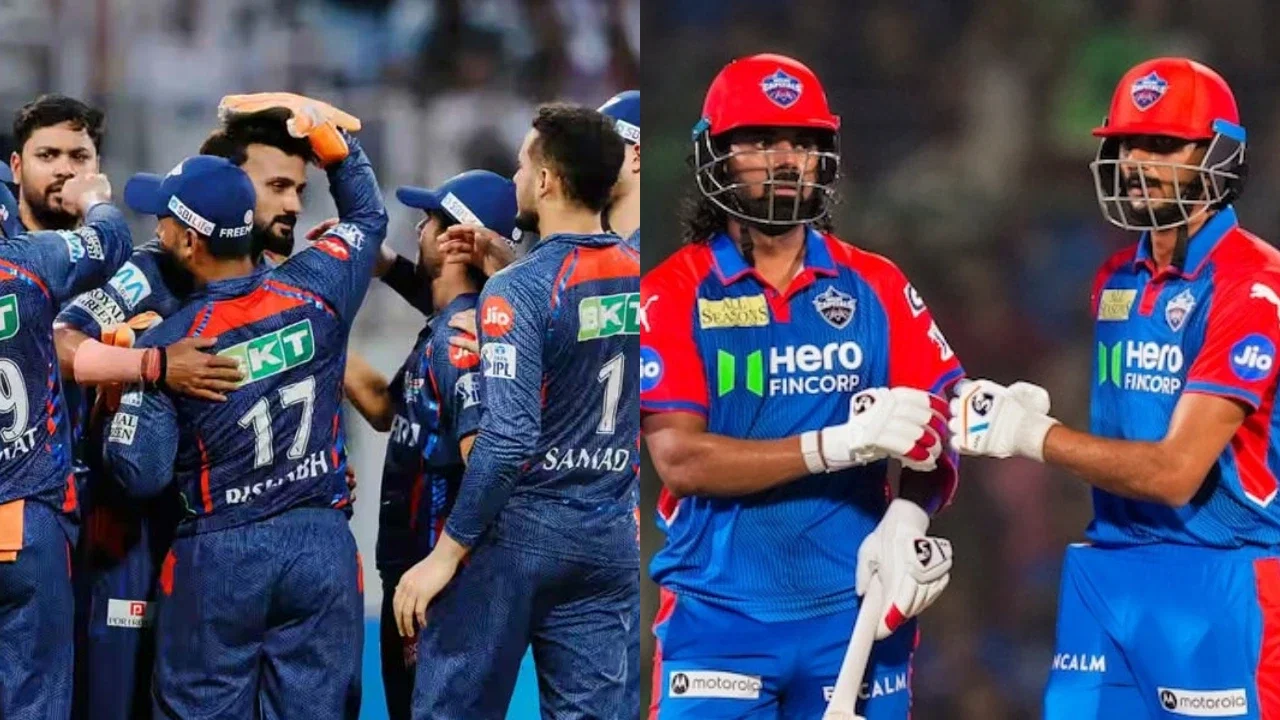
LSG Playing XI vs DC Playing XI – Match No. 5 | IPL 2026
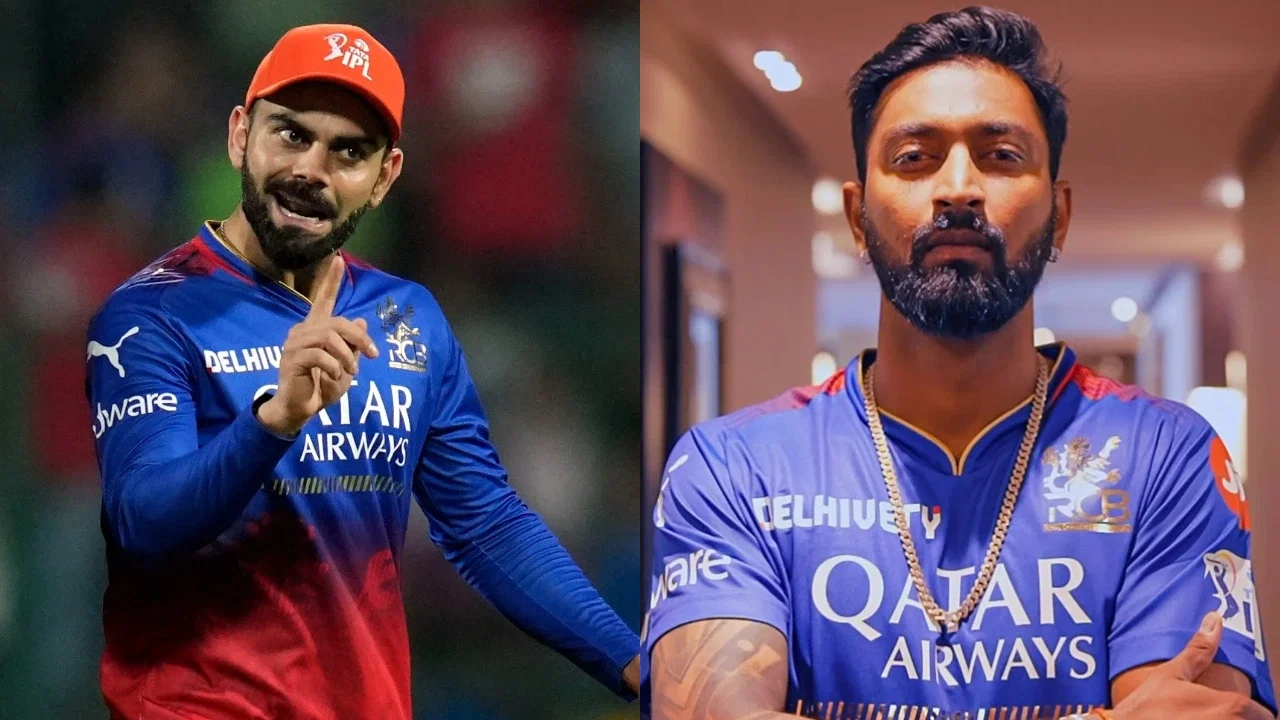
Krunal Pandya breaks silence on India snub, opens up on Virat Kohli
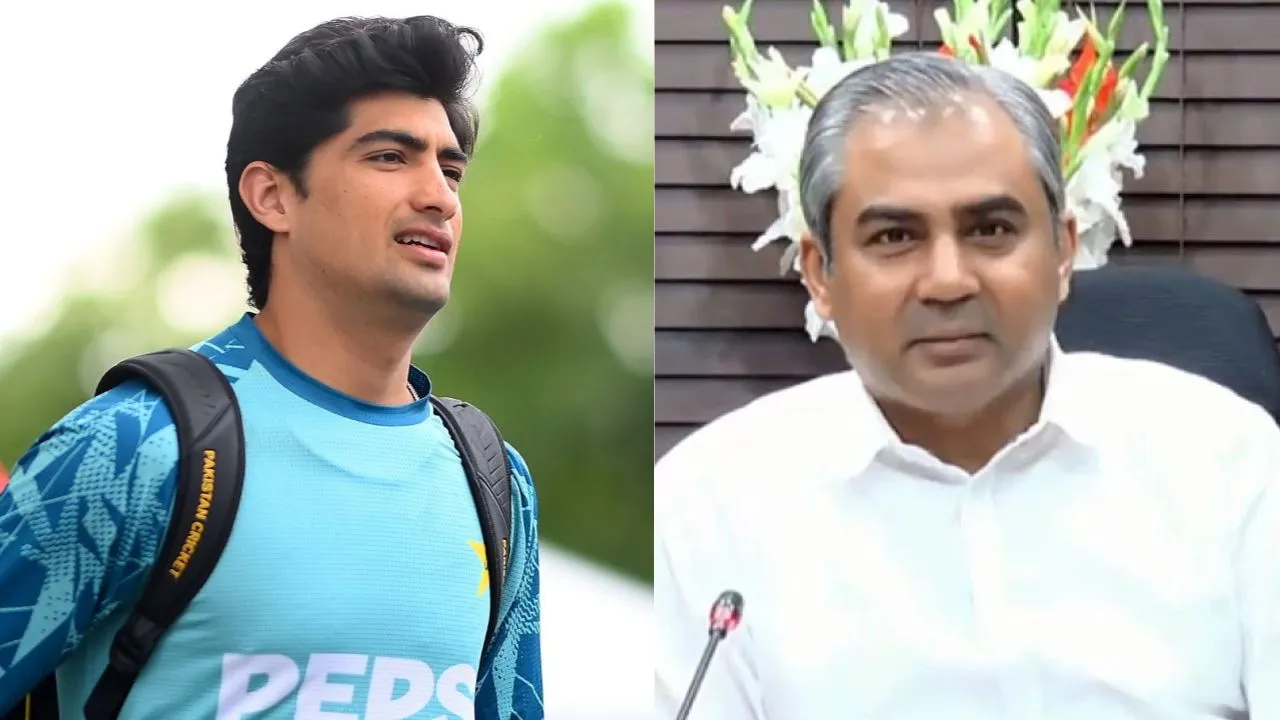
Mohsin Naqvi enforces new social media rules for Pakistan players following Naseem Shah incident
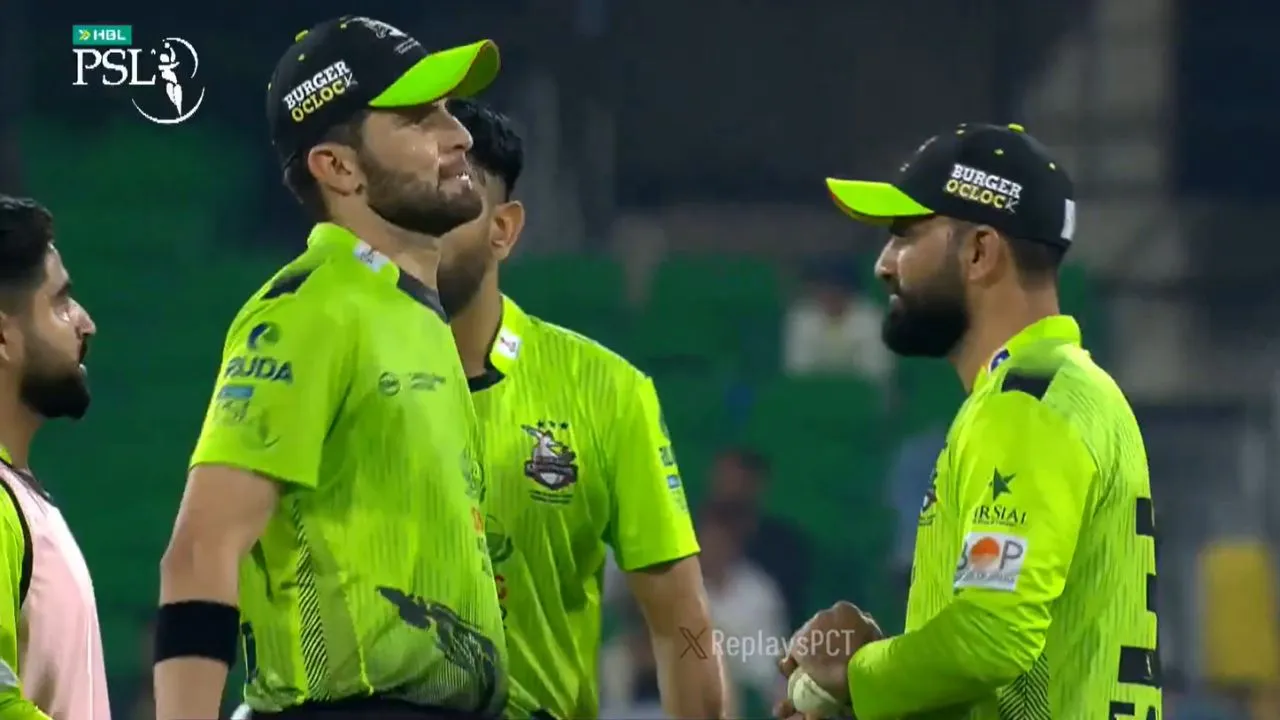
Fakhar Zaman officially handed cricket ban after PSL 2026 ball-tampering controversy
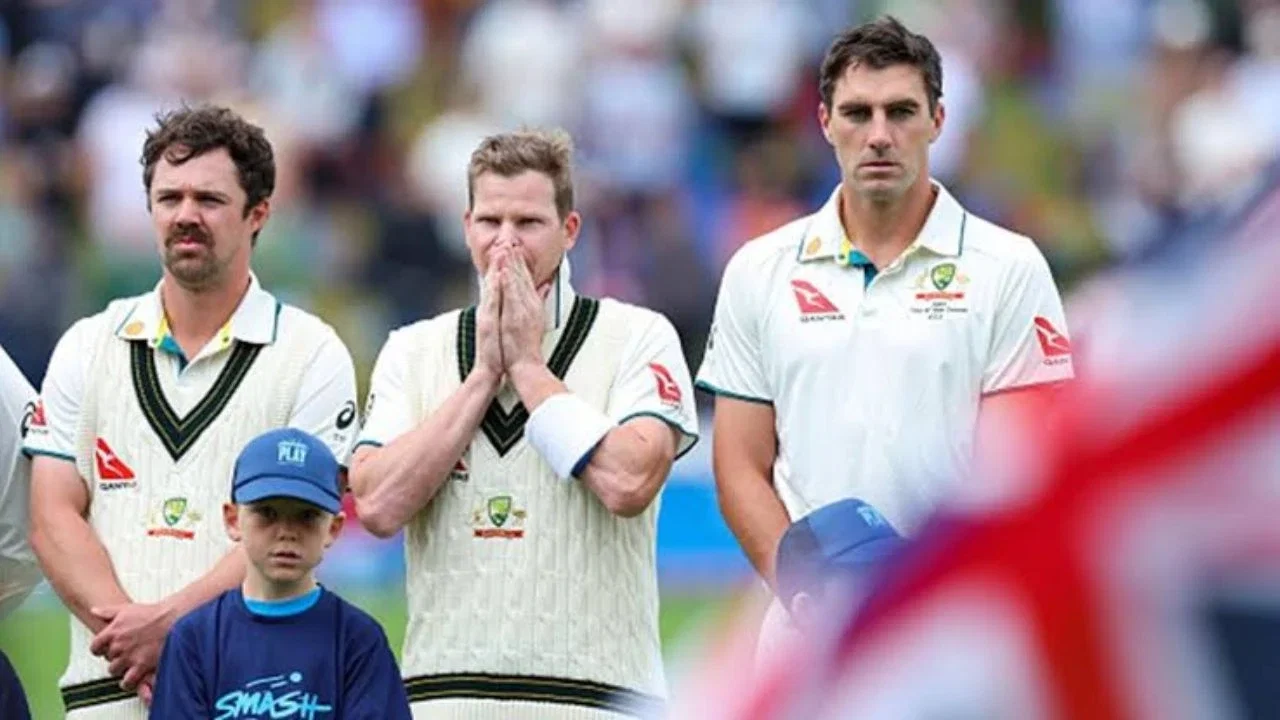
Pat Cummins forces Cricket Australia to slash central contracts list to secure premium deal
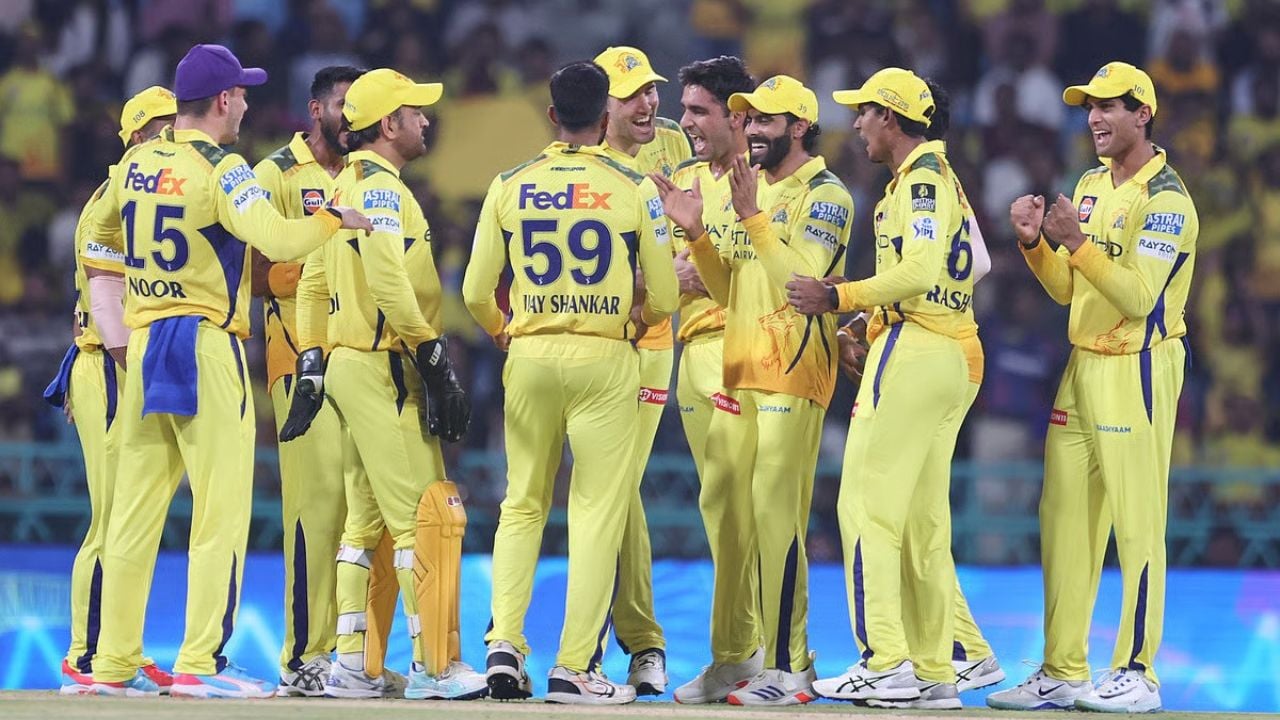
CSK’s big promise to players revealed amid IPL 2026: “Whatever BCCI offers, we’ll double it”
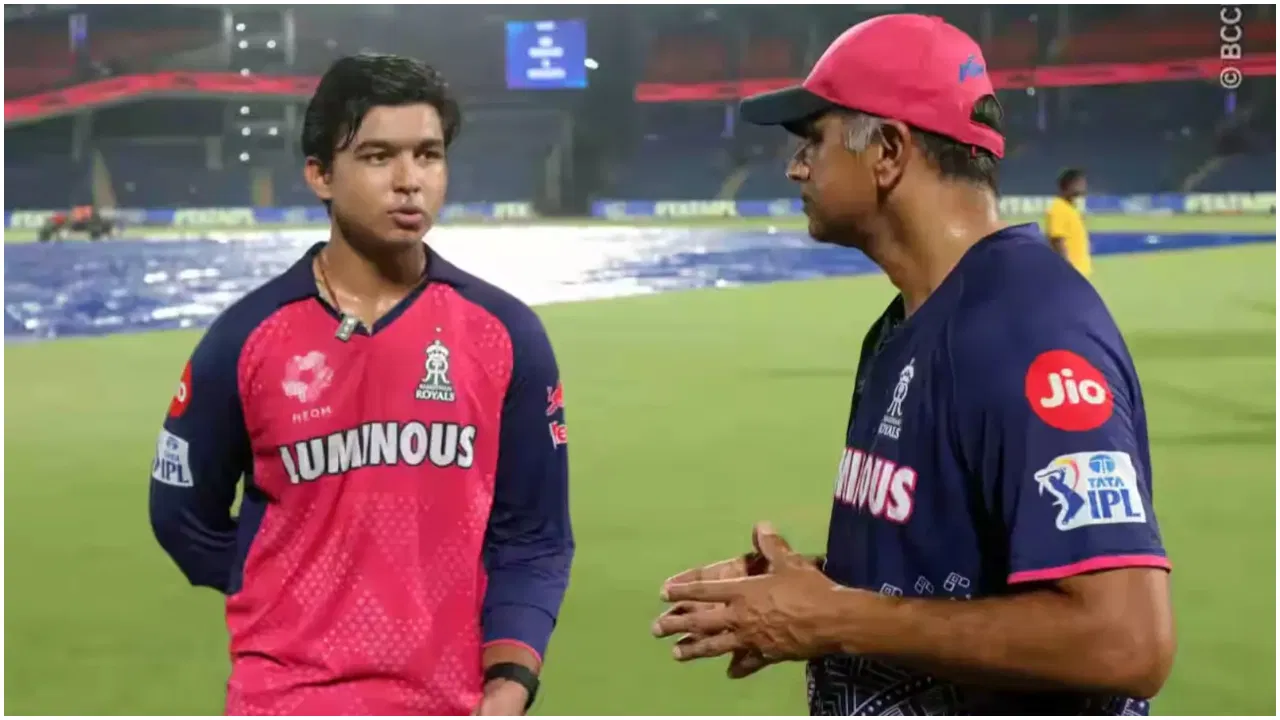
Ravichandran Ashwin rules out Vaibhav Sooryavanshi’s India call-up
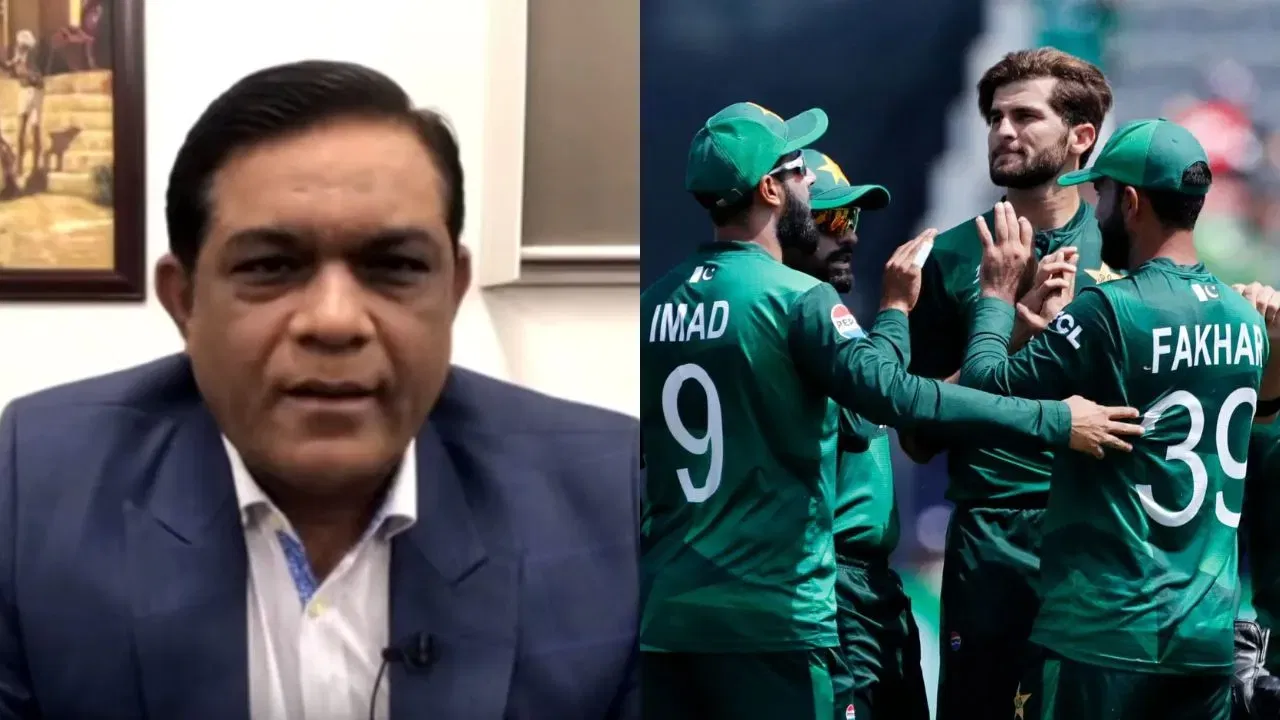
Rashid Latif claims PSL ball-tampering row was deliberately created for attention amid IPL rivalry
Mohammed Shami breaks silence on retirement buzz after India snub; has special message for LSG
Mohammed Shami reveals IPL 2026 Top 4, leaves out five-time champions
Mohammed Shami hits back at Ravichandran Ashwin over LSG’s poor IPL 2026 prediction
Riyan Parag mocked Sanju Samson? Batter’s muscle-flex celebration after sensational 6 vs CSK goes viral