Litton Das fights selectors over shocking axing as controversy erupts in Bangladesh Cricket
Bangladesh Cricket Board Faces Controversy Over Player Selection
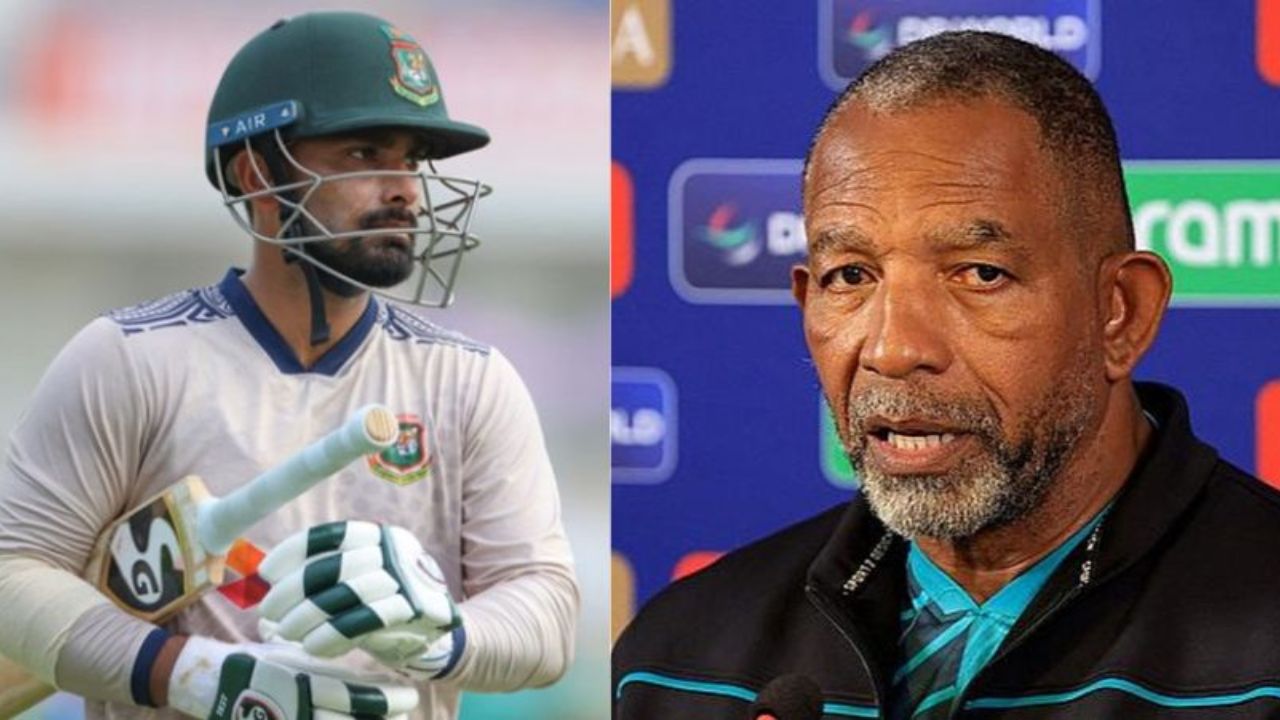
The Bangladesh Cricket Board (BCB) is currently embroiled in a major controversy surrounding the selection of players for the national T20I team. The current T20I captain, Litton Das, has raised concerns over the selection process, shedding light on a lack of communication and collaboration between the selectors, the captain, and the team coach.
Litton Das Disappointed with Selection Committee’s Decision
Litton Das recently expressed his dissatisfaction with the selection committee’s decision to drop Shamim Hossain from the squad for the first two T20Is against Ireland. Das, who was taken aback by the sudden snub, stated that he was not informed about the decision beforehand, highlighting a lack of transparency in the selection process.
“I don’t know why, but the selector dropped Shamim without giving us notice. I have known that a captain would know which player would be in the team, and which player would be out of the team. I don’t see any reason behind Shamim getting dropped,” Das remarked.
Das further emphasized the need for consistent team selection, especially for players like Shamim who have performed well in previous series. He expressed his regret over not being able to support Shamim and voiced his concerns about the lack of communication between the selectors and the team management.
Challenges Faced by Litton Das as Captain
Despite being the captain of the national T20I team, Litton Das revealed that he has minimal say in squad selections. He disclosed that the selection panel and board have instructed him to work with the team that has been chosen for him, limiting his authority over player selection.
While Das acknowledged the constraints placed on him as the captain, he affirmed his commitment to leading the Bangladesh team to the best of his ability. He expressed his willingness to work with the current team while highlighting the importance of collaboration and communication between the captain, coach, and selectors.
BCB Chief Selector’s Response
In response to Litton Das’s comments, the BCB Chief Selector, Gazi Ashraf Hossain, provided insight into the decision-making process behind Shamim Hossain’s exclusion from the T20I squad. He explained that the selection committee made the decision to leave out Shamim based on discussions with the captain and coach.
“The selectors don’t always have to agree with the captain and coach when making selection calls. We don’t have to take any permission. We are accountable to the board,” Gazi stated, defending the committee’s autonomy in player selection.
The controversy surrounding player selection in the Bangladesh national T20I team has raised questions about the transparency and communication within the BCB. As Litton Das continues to lead the team under challenging circumstances, the cricketing fraternity awaits further developments in this unfolding saga.
The Importance of Predictive Analytics in Player Selection
Player selection in cricket, as in any sport, is a complex process that requires a blend of expertise, experience, and data analysis. In recent years, the use of predictive analytics has gained traction in the world of sports, including cricket, to aid in decision-making related to player selection. By leveraging statistical models, historical performance data, and advanced algorithms, teams can make more informed decisions when choosing their squad.
When it comes to selecting players for a national team, predictive analytics can provide valuable insights into player performance, form, and potential impact on the game. By analyzing a wide range of metrics such as batting average, strike rate, bowling economy, and fielding efficiency, selectors can identify players who are best suited for specific formats of the game, opposition teams, and playing conditions.
With the help of advanced data analytics tools, selectors can identify emerging talents, assess player consistency, and predict future performance based on historical trends. This enables them to make strategic decisions that align with the team’s goals and objectives, while also considering the individual strengths and weaknesses of each player.
Enhancing Communication and Collaboration in Player Selection
Effective communication and collaboration among the selection committee, captain, coach, and players are essential for a successful team dynamic. In the case of the Bangladesh Cricket Board controversy, the lack of transparency and communication has led to discord between the stakeholders involved in player selection.
By fostering open lines of communication, setting clear expectations, and involving key stakeholders in the decision-making process, teams can mitigate misunderstandings and conflicts related to player selection. Regular team meetings, feedback sessions, and performance reviews can help in aligning everyone’s vision and goals, leading to a more cohesive and harmonious team environment.
Furthermore, creating a transparent and inclusive selection process can boost player morale, motivation, and trust in the decision-making authorities. Players who feel heard, valued, and informed are more likely to perform at their best and contribute positively to the team’s success.
The Role of Leadership in Player Selection
Leadership plays a crucial role in navigating challenges related to player selection and team dynamics. As the captain of the national T20I team, Litton Das faces the dual responsibility of leading on the field and representing the team off the field. Effective leadership skills such as communication, decision-making, conflict resolution, and team motivation are essential for fostering a cohesive and high-performing team culture.
By developing strong relationships with the selection committee, coach, and players, a captain can influence the decision-making process, provide valuable input, and advocate for the best interests of the team. Collaborative leadership, where all stakeholders are involved in key decisions, can create a sense of ownership and unity within the team, leading to better performance and results on the field.
In conclusion, the controversy surrounding player selection in the Bangladesh national T20I team underscores the importance of transparency, communication, and collaboration in sports management. By embracing predictive analytics, enhancing communication channels, and promoting effective leadership, teams can navigate challenges, optimize player selection, and strive for excellence in competitive sports.
Latest News

SRH suffer huge blow! Daniel Vettori confirms another overseas pacer injured amid crisis
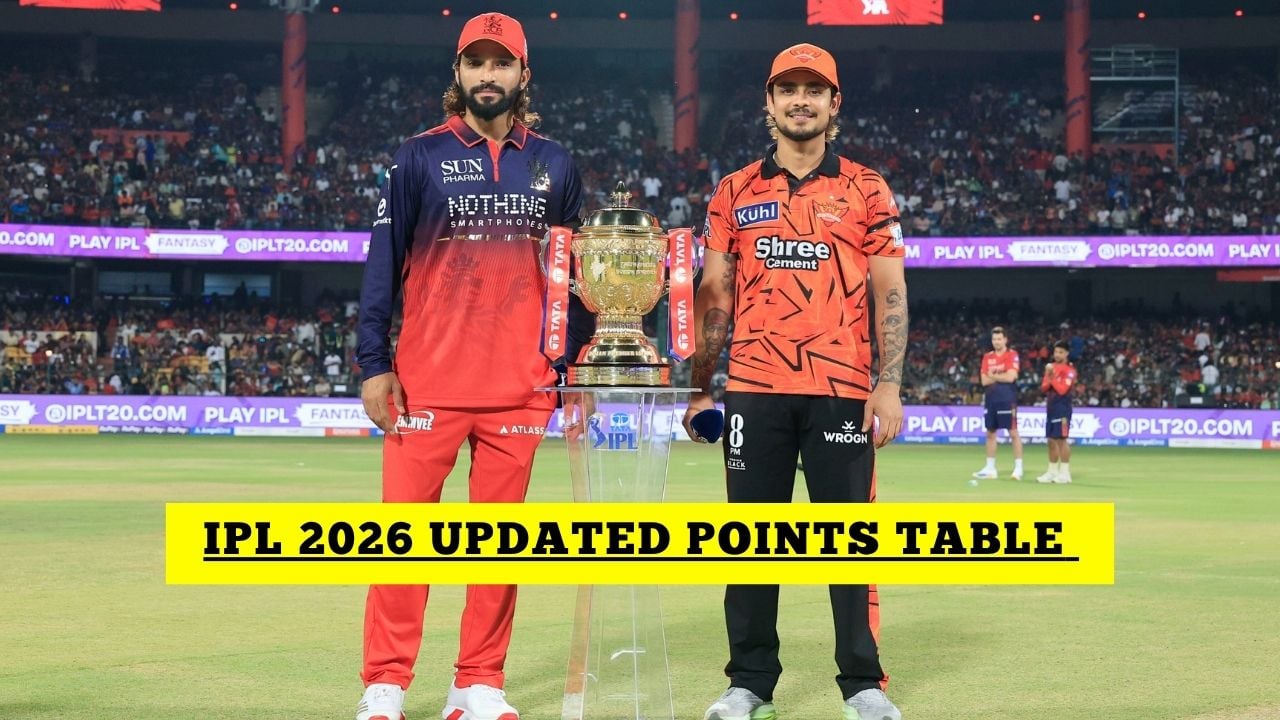
IPL Points Table 2026: Updated Standings, Orange Cap, Purple Cap After RCB vs SRH Match 1
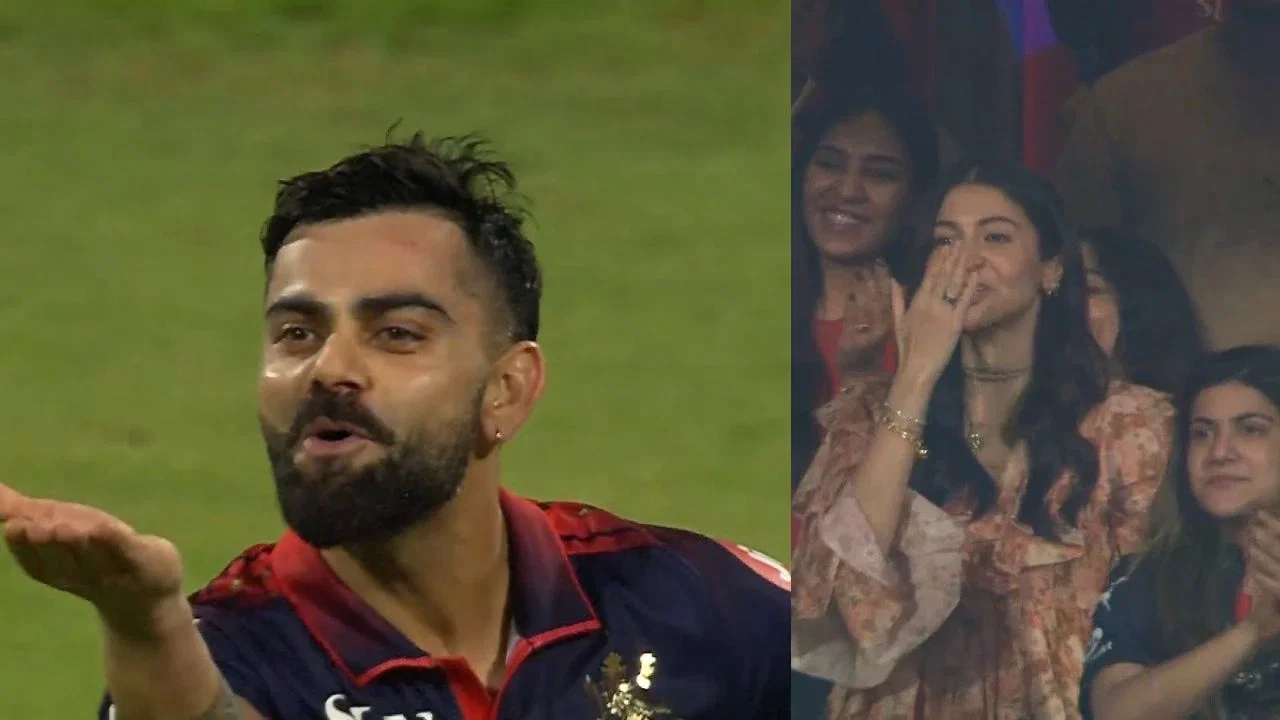
Virat Kohli, Anushka Sharma share adorable flying kiss moment after RCB vs SRH clash
“Absolutely world-class”: Virat Kohli backs Devdutt Padikkal for permanent Team India spot
Rajat Patidar refuses to comment on Virat Kohli; Ishan Kishan admits enjoying after SRH’s loss to RCB

Mumbai Indians suffer blow! Mitchell Santner, Will Jacks ruled out of IPL 2026 games
MI vs KKR Match Prediction – Who Will Win Match No.2? | IPL 2026
Mumbai Indians Playing XI vs Kolkata Knight Riders Playing XI- Match No. 2 | IPL 2026
MI vs KKR Match 2 Preview: Free Live Streaming, Pitch & Weather Report, Head-to-Head | IPL 2026
Not English cricket! Jos Buttler credits IPL for his success as a cricketer
“Nitish Kumar Reddy is biggest fraud”: Fans fume as SRH star fails vs RCB in IPL 2026 opener
Who is Abhinandan Singh? The Virat Kohli troublemaker who made his IPL debut for RCB vs SRH
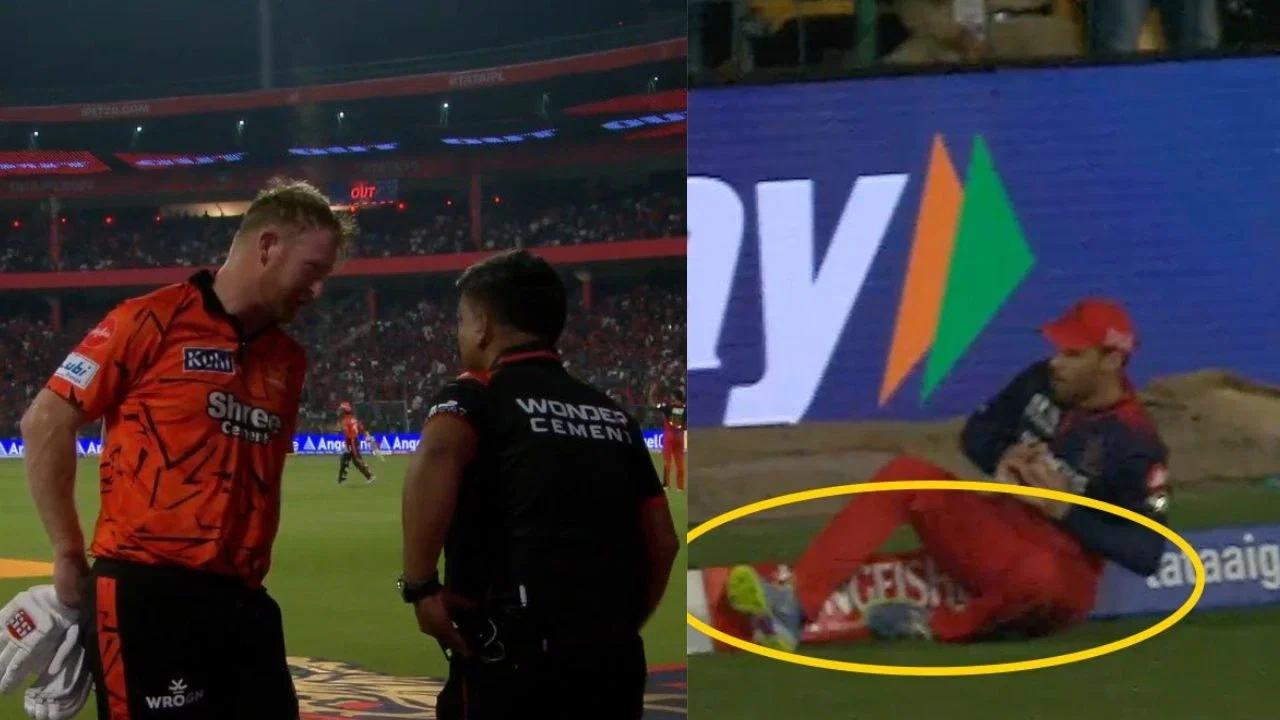
Heinrich Klaasen engages in heated chat with 4th umpire after Phil Salt’s controversial catch in IPL 2026
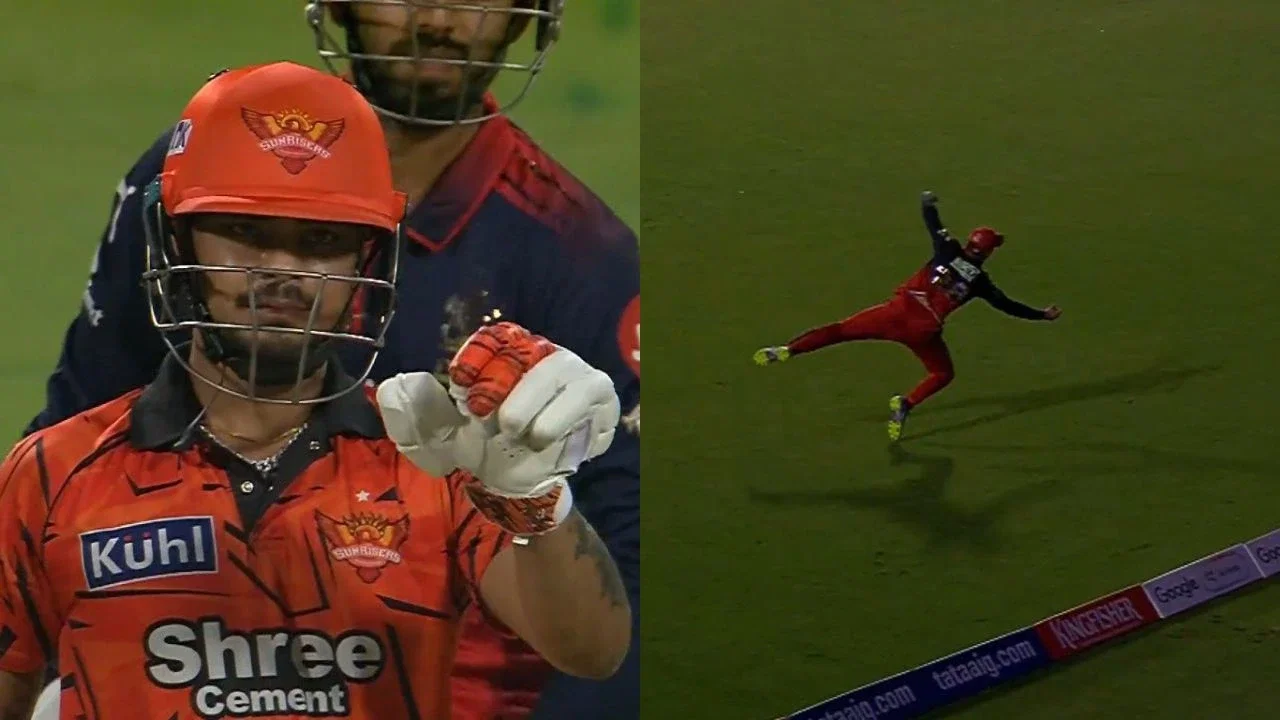
Phil Salt grabs one of the greatest catches in IPL history to dismiss Ishan Kishan