LSG star named new Australia T20I captain after World Cup 2026 disaster by Ashton Agar
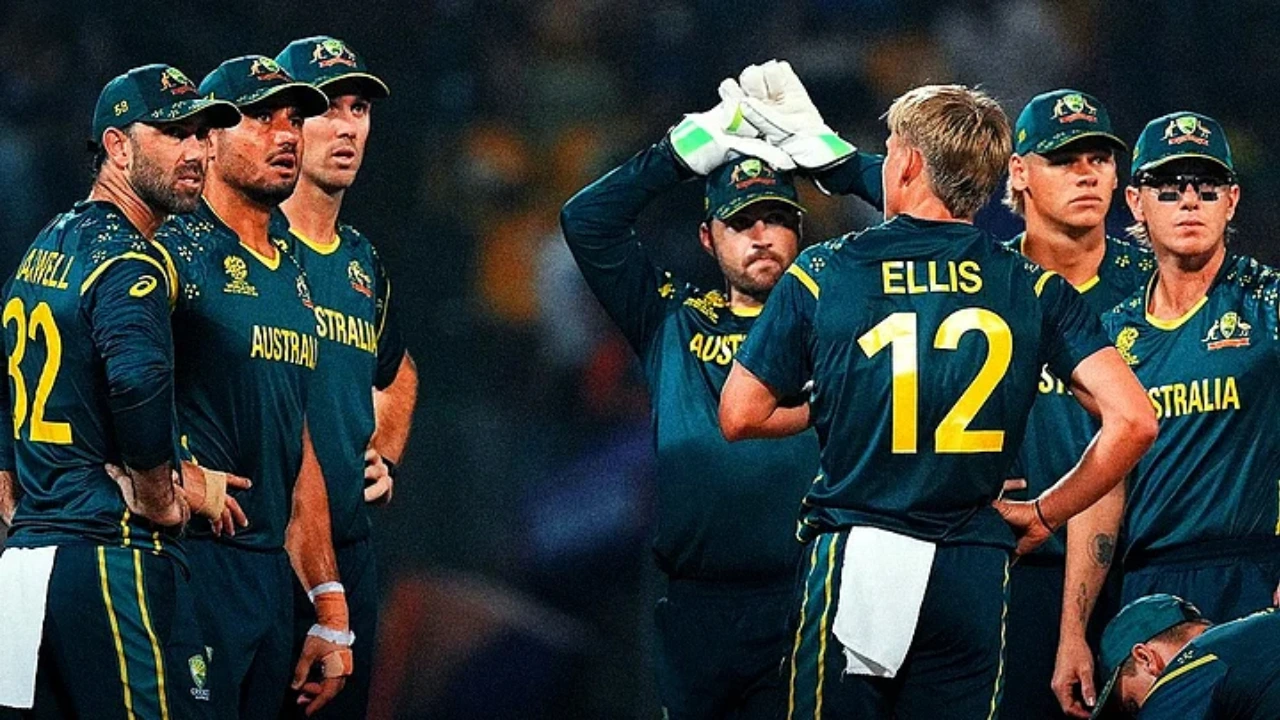
Australia’s Disappointing Exit from the 2026 T20 World Cup
Australia’s journey in the 2026 T20 World Cup came to an abrupt end after suffering back-to-back losses against Zimbabwe and Sri Lanka. The Aussies’ hopes were dashed after the Zimbabwe vs Ireland match was called off due to rain, following their defeat against Sri Lanka. This disappointing performance marked a forgettable tournament for the Australian team.
Challenges Faced by the Australian Team
One of the key challenges faced by Australia was the absence of their top bowlers, Josh Hazelwood and Pat Cummins, who were ruled out due to injuries just before the tournament. Adding to their woes, regular captain Mitchell Marsh missed the first two games due to a groin injury sustained before the clash against Ireland. These setbacks left Australia with an inexperienced bowling attack, making it difficult for them to perform at their best.
Despite these challenges, Australia managed to end their campaign on a positive note with a victory against Oman. In a remarkable display of skill, they chased down a target of 105 runs in just 9.4 overs, setting a record for the joint-fastest chase in tournament history for a target over 100.
Looking Ahead: Next T20 Captain for Australia
As the Australian team reflects on their performance in the T20 World Cup, discussions have turned to the selection of the next T20 captain. Ashton Agar, in an interview with ESPNcricinfo, suggested that Josh Inglis could be a strong contender for the role. Agar praised Inglis’ cricketing acumen and versatility in T20 cricket, highlighting his ability to excel as a batsman and a wicketkeeper.
While there are talks of potential leadership changes in the team, the Australian cricket community awaits official announcements regarding the captaincy for future T20 events.
Challenges and Learnings for the Australian Team
Australia’s recent struggles in ICC events, beginning with their failure to reach the finals since the 2023 ODI World Cup win, highlight the challenges faced by the team. The overreliance on their pace trio of Mitchell Starc, Josh Hazelwood, and Pat Cummins has been evident, with the team’s performance often hinging on their bowling prowess.
Moreover, issues in the middle-order batting, including the retirement of Steve Smith and the inconsistency of players like Glenn Maxwell and Marcus Stoinis, have added to Australia’s woes. The team is currently in a transition phase, grappling with the need to groom young talent while maintaining competitiveness against formidable opponents.
Conclusion
Australia’s early exit from the 2026 T20 World Cup serves as a sobering reminder of the team’s need for introspection and improvement. As they analyze their performance and prepare for future challenges, the Australian team must address key areas of concern to regain their competitive edge in international cricket.
Strategic Analysis of Australia’s Performance
One of the critical aspects that impacted Australia’s performance in the 2026 T20 World Cup was their strategic approach to the game. The team’s tactics and decision-making came under scrutiny, especially in crucial moments during matches against Zimbabwe and Sri Lanka. The absence of a clear game plan and adaptability to changing situations put Australia at a disadvantage against their opponents.
Furthermore, the lack of a consistent middle-order partnership and the failure to build substantial partnerships during crucial phases of the game hampered Australia’s ability to post competitive totals or chase down targets effectively. This highlighted the need for better coordination and communication among the players to ensure a cohesive team effort on the field.
Building Mental Resilience
Another area of improvement for the Australian team lies in building mental resilience and composure under pressure situations. The pressure of high-stakes matches and the weight of expectations can often impact players’ performance on the field. Developing a strong mental game and the ability to handle pressure situations effectively can make a significant difference in crucial moments during matches.
By focusing on mental conditioning, psychological training, and mindfulness techniques, the Australian team can equip themselves with the tools to stay calm, focused, and resilient during challenging situations in future tournaments. This mental fortitude can be a game-changer in close matches where the outcome is determined by a few key moments.
Strategic Player Development and Talent Identification
In light of the challenges faced by Australia in recent ICC events, there is a growing emphasis on strategic player development and talent identification within the cricketing fraternity. Identifying young talent, nurturing promising players, and providing them with the right opportunities and exposure are essential for the long-term success of the Australian team.
Investing in grassroots cricket programs, talent scouting initiatives, and structured development pathways can help Australia build a strong talent pool for the future. By identifying potential leaders, grooming skilled players in all departments of the game, and fostering a culture of continuous learning and improvement, Australia can strengthen its position on the global cricketing stage.
Collaboration with Experienced Coaches and Mentors
Collaborating with experienced coaches, mentors, and former players can also play a crucial role in Australia’s journey towards redemption in international cricket. Drawing on the expertise and insights of seasoned professionals can provide the team with valuable guidance, strategic direction, and mentorship to navigate challenges and elevate their performance to the next level.
By harnessing the knowledge and experience of cricketing legends, technical experts, and mental conditioning coaches, Australia can benefit from a holistic approach to player development, team dynamics, and strategic planning. This collaborative effort can instill a winning mentality, instigate a culture of excellence, and propel the Australian team towards sustained success in future tournaments.
Conclusion
Australia’s disappointing exit from the 2026 T20 World Cup serves as a turning point for the team, prompting a period of reflection, reevaluation, and strategic planning. By addressing key areas of improvement such as strategic analysis, mental resilience, player development, and collaboration with experienced mentors, Australia can chart a path towards reclaiming their competitive edge in international cricket.
Latest News
Yograj Singh makes blunt remark at Virat Kohli and Rohit Sharma over early retirement calls
Bhuvneshwar Kumar on brink of IPL history, needs two wickets for massive milestone

IPL to be broadcasted? Bangladesh government drops massive update on IPL broadcast ban

SRH fans to boycott IPL? Former India cricketer shares insights on social media drama around Abrar Ahmed
“Explore this opportunity”: Ruturaj Gaikwad shares inside story of convincing Sanju Samson to join CSK

KKR pacer snubs Rohit Sharma, Virat Kohli, picks MI star as most difficult batter he’s bowled to

PSL drama erupts! Pakistan great blasted for “lack of manners” after embarrassing ex-England star
“2024 mein woh underrated the” – Vaibhav Arora on Shreyas Iyer not getting credit for KKR title win

Devon Conway settles IPL vs PSL debate once and for all

Ex-CSK star’s shocking claim on RCB vs SRH match ahead of IPL 2026

Misbah-ul-Haq takes legal action against Ahmed Shehzad over defamation claims

Naseem Shah charged with central contract violation during PSL 2026
MS Dhoni out of IPL 2026, has not recovered from calf strain

Jasprit Bumrah set to lead MI attack in blockbuster IPL 2026 clash vs KKR