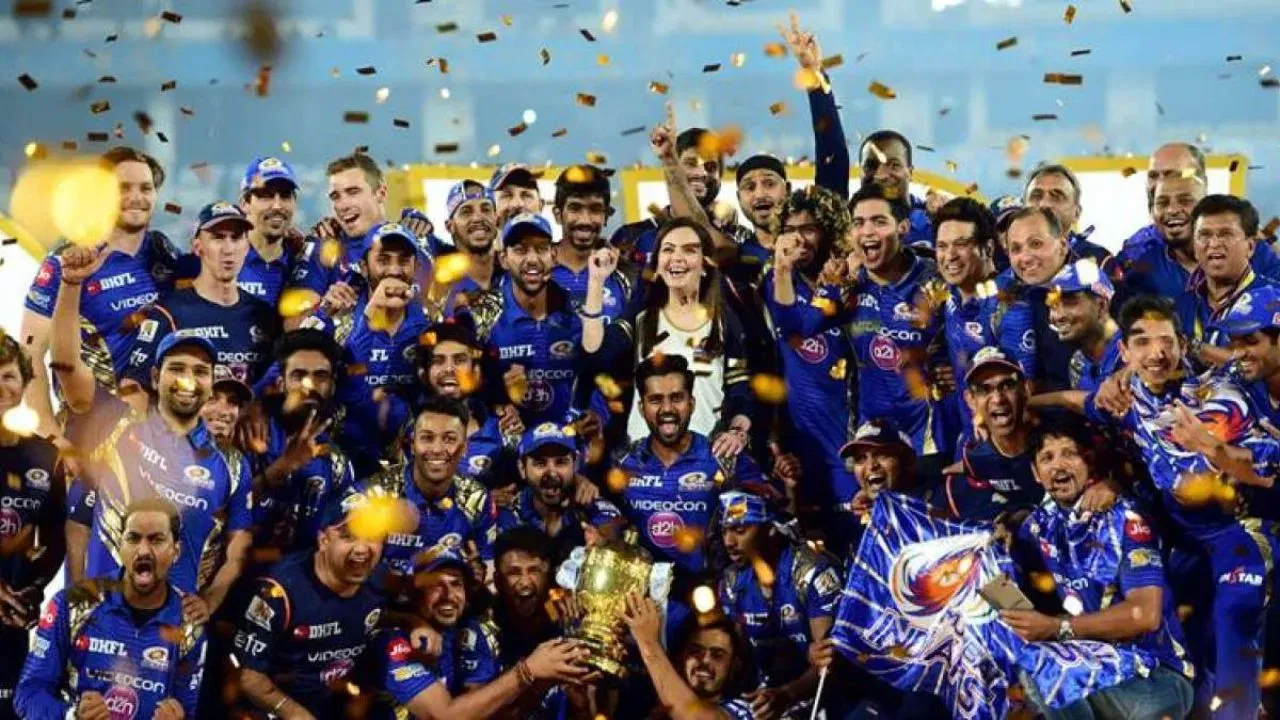
Manoj Tiwary attacks RCB after Bengaluru stampede kills 11, demands answers

**Former Cricketer Manoj Tiwary Blames RCB for Tragic Incident During Victory Parade**
**Former Indian cricketer Manoj Tiwary recently expressed his dismay at the tragic incident that occurred during the victory parade organized by the Royal Challengers Bangalore (RCB) team in Bengaluru.**
**Tragic Incident at RCB Victory Parade**
**The streets of Bengaluru turned into a scene of sorrow and chaos as 11 people lost their lives and over 30 were injured during the celebration after RCB’s victory. What was supposed to be a joyous occasion marking RCB’s title win after 18 years turned into a dark day in the team’s history.**
**Manoj Tiwary’s Criticism**
**Manoj Tiwary questioned RCB’s decision to host the victory parade immediately after the win, despite the tragic consequences. He expressed his condolences to the families of the victims and emphasized the need for accountability in such situations. Tiwary highlighted the importance of proper planning and precautions, especially considering the popularity of players like Virat Kohli and the massive fan following of RCB.**
**Lack of Planning and Accountability**
**Tiway criticized the lack of proactive measures taken by RCB officials and stressed the importance of learning from past experiences. He compared RCB’s immediate celebration with KKR’s well-organized victory parade in 2012, which was planned meticulously and held after two days, ensuring a smooth and safe event.**
**BCCI Unaware of Celebrations**
**Revealing a concerning fact, IPL chairman Arun Dhumal disclosed that the Board of Control for Cricket in India (BCCI) had no prior knowledge of the celebration plans in Bengaluru. This lack of coordination meant that there were no IPL officials present at the event, leaving the situation unmonitored and leading to the tragic incident outside the stadium.**
**Call for Accountability and Better Planning**
**In light of the unfortunate events that unfolded, Tiwary called for accountability from the organizers and emphasized the need for better planning and coordination for such large-scale events. He suggested that RCB should have waited for a day or two to organize the celebration properly, ensuring the safety of the fans and avoiding chaotic situations.**
**Lessons Learned for Future Celebrations**
**The incident at RCB’s victory parade serves as a stark reminder of the importance of thorough planning, accountability, and proactive measures to ensure the safety and well-being of fans and participants at such events. Going forward, it is crucial for sports organizations and authorities to learn from past mistakes and implement stringent protocols to prevent similar tragedies in the future.**
**In conclusion, the unfortunate incident during RCB’s victory celebration highlights the need for proper planning, coordination, and accountability in organizing such events to ensure the safety and well-being of all involved. It serves as a lesson for sports organizations and authorities to prioritize fan safety and take necessary precautions to avoid similar tragedies in the future.**
**By incorporating these learnings, future celebrations can be held in a manner that is not only joyous but also safe for everyone involved.**
Impact of the Tragic Incident on RCB and Indian Cricket
The tragic incident during RCB’s victory parade not only cast a shadow over the team’s celebration but also raised questions about the safety protocols and event management in Indian cricket. The unfortunate loss of lives and injuries served as a wake-up call for both the cricketing fraternity and the authorities responsible for organizing such events.
The incident prompted a deep introspection within the RCB management and the BCCI about the need for stringent safety measures and comprehensive planning for future celebrations. It also sparked discussions within the cricket community about the balance between fan engagement and ensuring the safety and well-being of spectators.
Lessons in Crisis Management for Sports Organizations
The tragedy at the RCB victory parade underscored the importance of crisis management in sports organizations. It highlighted the critical need for effective communication, coordination, and risk assessment to prevent such incidents in the future. Sports organizations must prioritize safety and develop robust protocols to handle emergencies and unforeseen circumstances during events.
Additionally, the incident emphasized the significance of transparency and accountability in event planning. Sports organizations need to involve all stakeholders, including local authorities, emergency services, and relevant governing bodies, in the decision-making process to ensure a safe and well-organized event.
Building a Culture of Safety and Responsibility
Moving forward, the focus should be on fostering a culture of safety and responsibility within sports organizations. This involves conducting thorough risk assessments, implementing safety protocols, and providing adequate training to staff and volunteers involved in event management.
Moreover, sports organizations should prioritize fan education and awareness about safety measures and emergency procedures. By empowering spectators with knowledge and resources, organizations can create a safer and more secure environment for everyone attending sporting events.
Collaboration and Coordination for Safer Events
The incident at RCB’s victory parade highlighted the importance of collaboration and coordination among all stakeholders involved in organizing large-scale events. Sports organizations, local authorities, security agencies, and governing bodies must work together to ensure the safety and security of fans, players, and staff.
By establishing clear lines of communication, sharing information, and coordinating efforts, sports organizations can mitigate risks and respond effectively to emergencies. Regular training exercises, mock drills, and scenario-based planning can further enhance preparedness and resilience in handling unexpected situations.
Conclusion
The tragic incident at RCB’s victory parade serves as a poignant reminder of the critical importance of safety, planning, and accountability in organizing sporting events. It is imperative for sports organizations to learn from past mistakes, implement best practices in event management, and prioritize the well-being of all stakeholders.
By embracing a culture of safety, collaboration, and continuous improvement, sports organizations can create an environment where celebrations are not only joyous but also safe and memorable for fans and participants. The lessons learned from this unfortunate incident can pave the way for a more secure and responsible approach to organizing events in the future.
Latest News

“Winning prize is great”: Axar Patel praises Jay Shah, highlights BCCI’s financial support

‘IPL teams might start cancelling young English players’: Aakash Chopra on Ben Duckett controversy
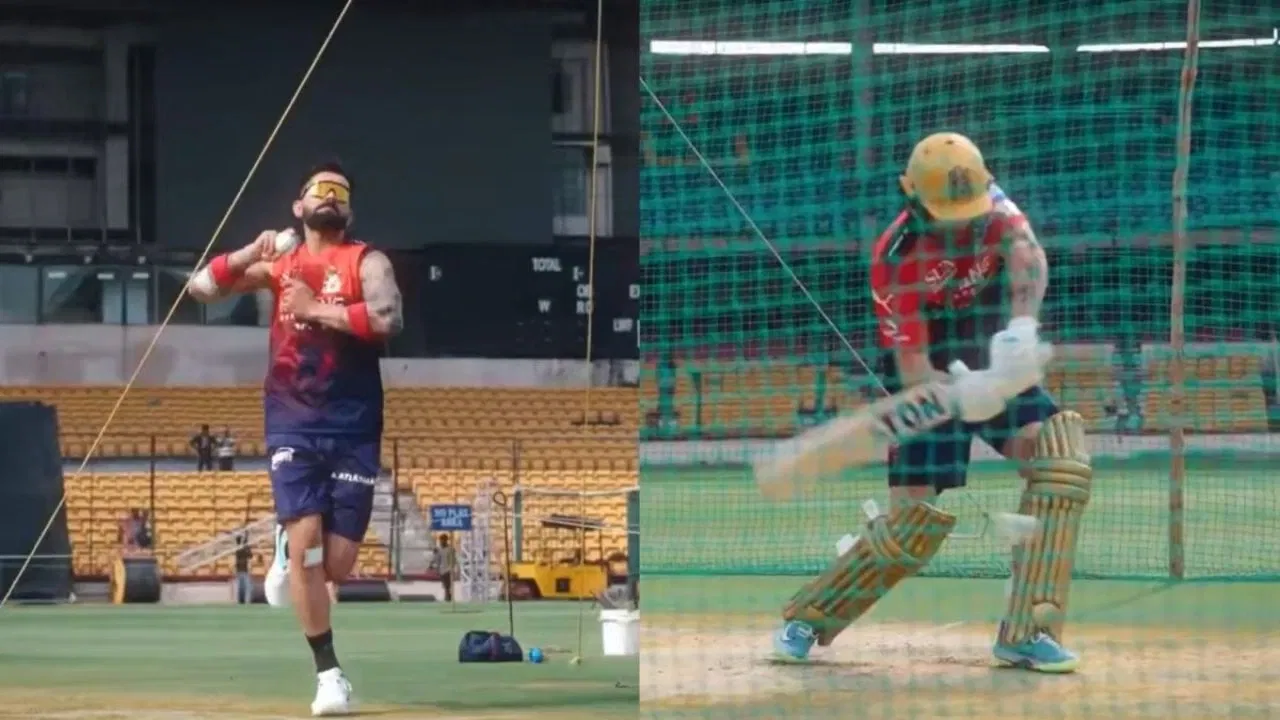
Virat Kohli takes up new role for RCB ahead of IPL 2026
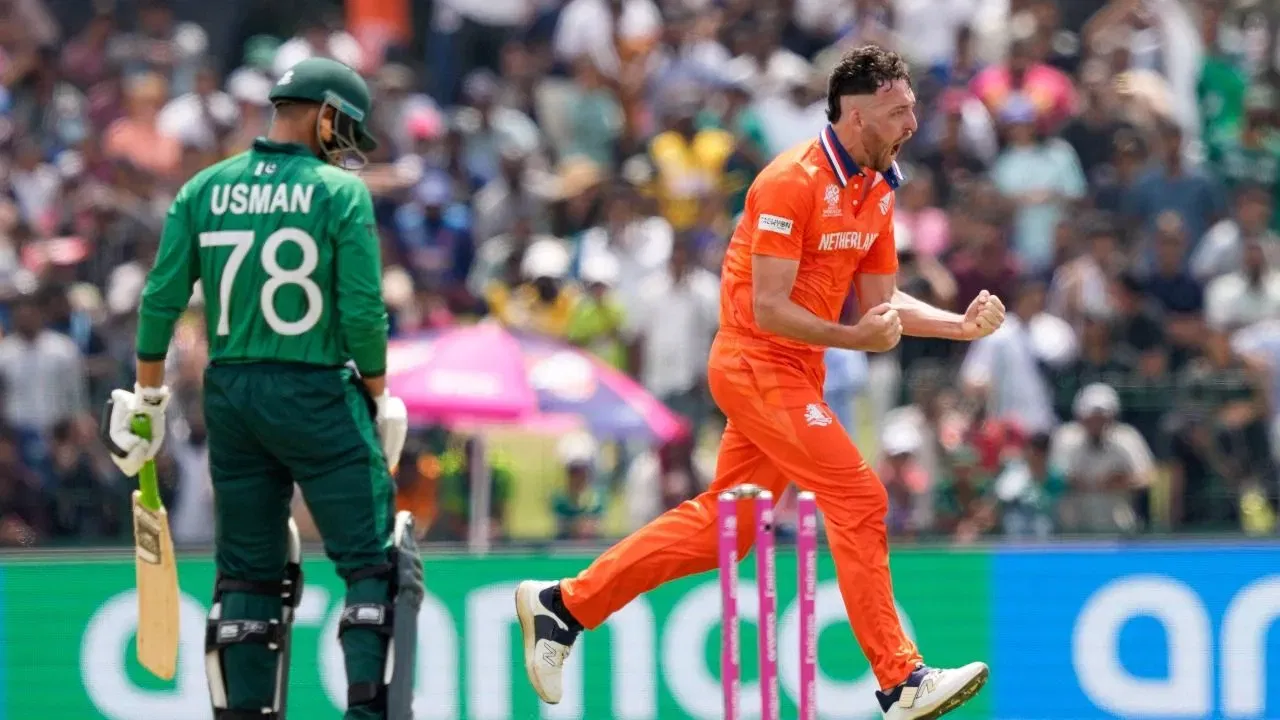
“0.5% could change everything” – Paul Van Meekeren reacts to RCB sale, urges IPL owners to support Netherlands
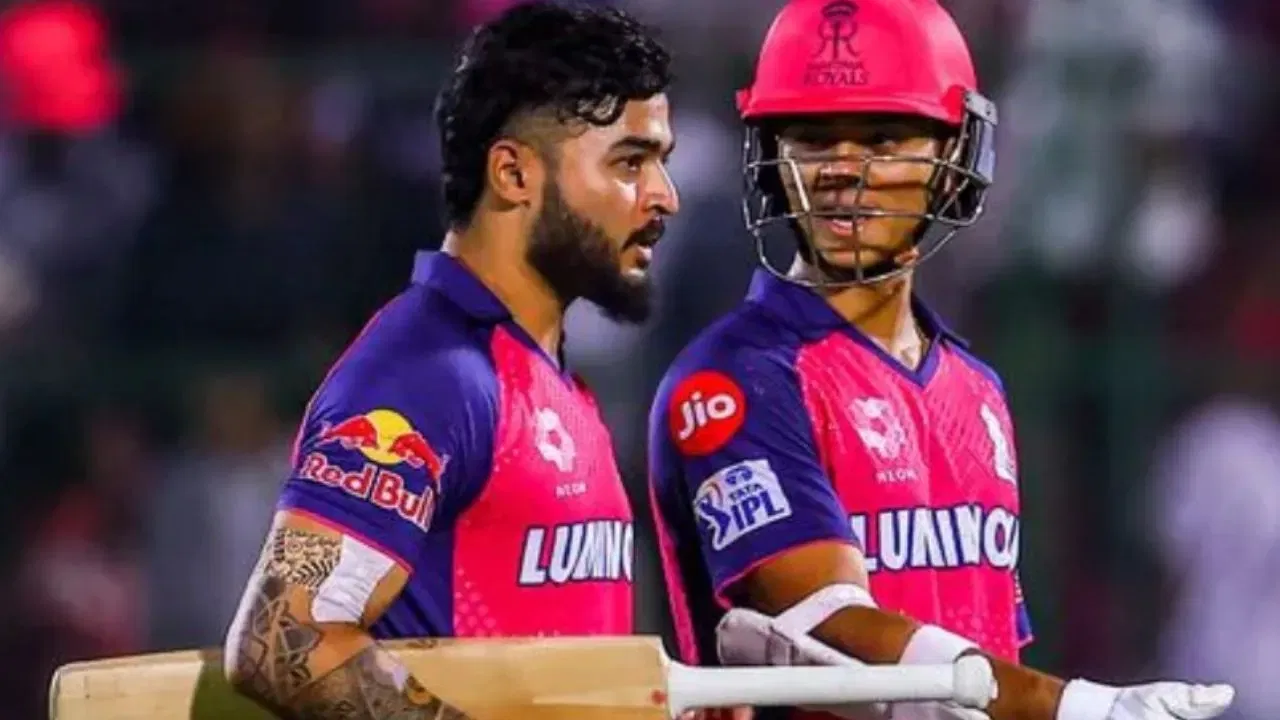
New Rajasthan Royals owners want Yashasvi Jaiswal as captain over Riyan Parag? Here’s the truth

Who is Aryaman Birla? From Rajasthan Royals player to RCB chairman in blockbuster deal

“I will tell MS Dhoni what to do”: Sourav Ganguly on retirement talks
Ben Duckett opts out from IPL 2026, set to face ban

“Players will prevail”: Sourav Ganguly’s drops big verdict on ‘Impact Player’ rule ahead of IPL 2026
“Players will prevail”: Sourav Ganguly’s drops big verdict on ‘Impact Player’ rule ahead of IPL 2026
3 LSG players who could struggle in IPL 2026 – ft Rishabh Pant
Rinku Singh gets major role for KKR ahead of IPL 2026
RCB gets new buyer ahead of IPL 2026, sold to…..

KKR take massive step to honour Andre Russell forever