Marnus Labuschagne makes Australia comeback as Cameron Green ruled out of India ODIs
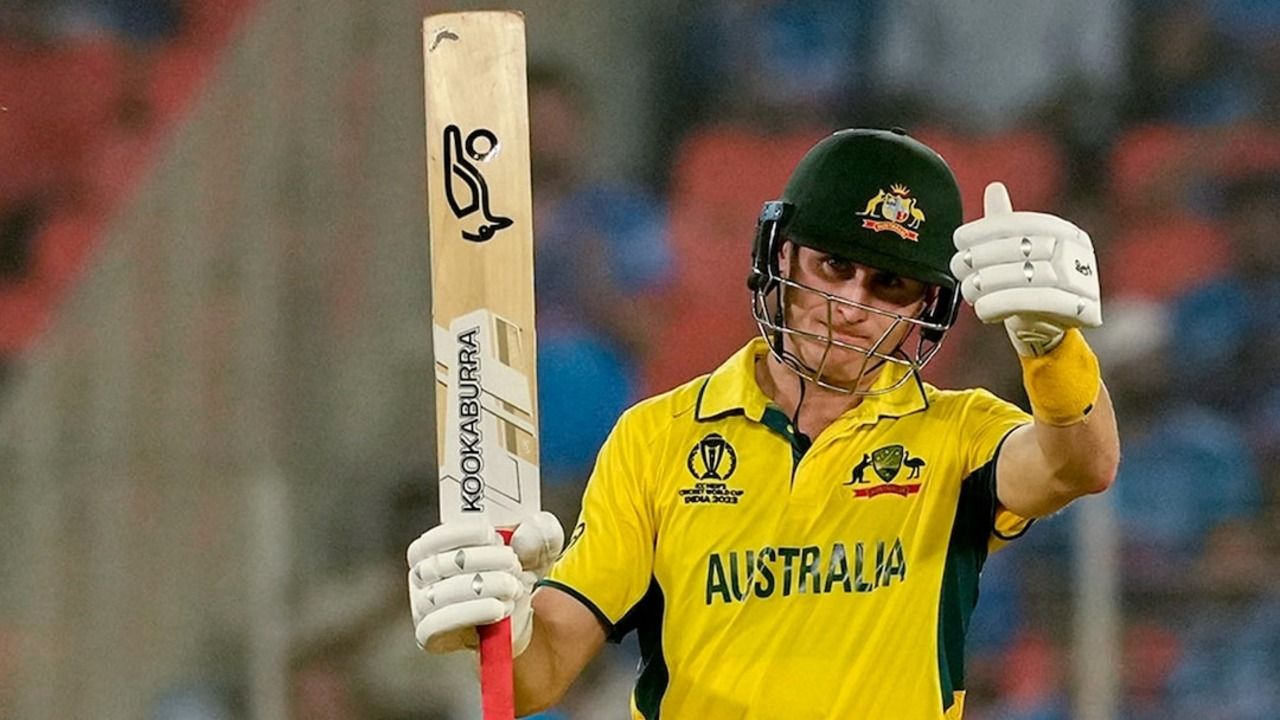
Australian Middle-Order Batter Marnus Labuschagne Makes ODI Comeback
After showcasing an impressive performance in domestic games, seasoned Australian middle-order batter Marnus Labuschagne is set to make his comeback to the Australian ODI squad. His return comes as a replacement for Cameron Green, who has been ruled out of the upcoming three ODI games due to side soreness.
The India tour of Australia holds significant importance for both teams, with the Aussies facing challenges due to multiple changes in their squad before the series opener in Perth. Along with Cameron Green, Josh Inglis and Adam Zampa were also ruled out earlier. Additionally, key players like Steve Smith, Glenn Maxwell, and Pat Cummins are no longer part of the playing XI.
Marnus Labuschagne’s Journey Back to the Australian Side
Labuschagne had previously been dropped from the Australian squad and was not included in the red-ball XI during the Caribbean tour. However, his outstanding performance in the ongoing Shield season for Queensland, where he scored four centuries, has earned him a spot back in the national team.
The batter’s inclusion was further solidified by his success in the 50-over format in domestic matches. With his return, Labuschagne aims to prove his worth and potentially secure a spot in the Test squad ahead of the Ashes series.
Cameron Green’s Setback and Road to Recovery
Cameron Green, known for his all-round abilities, had been in good form with the bat after returning from injury, but his bowling performance suffered a setback. Due to side soreness, Green will miss the upcoming series against India, raising concerns about his participation in future tournaments.
Despite the setback, Green’s injury is classified as “low grade,” and Cricket Australia is taking a cautious approach to ensure his full recovery. The all-rounder is expected to return to action in the Sheffield Shield to prepare for the upcoming Ashes series.
Matthew Renshaw’s Potential ODI Debut
With Cameron Green’s absence, Australia is on the lookout for a middle-order batter with bowling capabilities. Matthew Renshaw, a promising young talent, is a potential candidate for the role. Although he has yet to debut in the ODI format, Renshaw’s impressive statistics in One-Day games make him a strong contender.
Having maintained an average of over 50 and a strike rate exceeding 100 in the past four seasons, Renshaw’s consistency and skillset could make him an ideal replacement for Green in the upcoming series against India.
As the Australian team navigates through multiple changes and setbacks, the inclusion of Labuschagne, the recovery of Green, and the potential debut of Renshaw bring renewed hopes and excitement for the upcoming cricketing battles.
Impact of Marnus Labuschagne’s Comeback on the Team
Marnus Labuschagne’s return to the Australian ODI squad brings a mix of experience and skill to the middle order. Known for his gritty batting style and ability to anchor an innings, Labuschagne’s presence adds depth to the team’s batting line-up. His recent success in domestic games not only reflects his form but also showcases his adaptability to different formats of the game.
Labuschagne’s inclusion provides the Australian team with a versatile player who can stabilize the innings in challenging situations. His technique and temperament make him a valuable asset, especially in the absence of seasoned players like Steve Smith and Glenn Maxwell. As Australia prepares to face India in a crucial series, Labuschagne’s comeback injects a sense of stability and reliability in the middle order.
Challenges Faced by Cameron Green and the Team’s Response
Cameron Green’s setback due to side soreness raises concerns not only for the upcoming series against India but also for his long-term fitness and performance. As a promising all-rounder, Green’s absence creates a void in the team’s balance, especially considering his ability to contribute with both bat and ball.
The cautious approach taken by Cricket Australia in managing Green’s injury is crucial to ensure his full recovery and prevent any further complications. The decision to focus on his rehabilitation and readiness for future series, particularly the Ashes, highlights the team’s commitment to the player’s well-being and long-term prospects.
Matthew Renshaw’s Emergence as a Contender
Matthew Renshaw’s potential ODI debut presents an exciting opportunity for the young talent to showcase his skills on the international stage. With a strong track record in the domestic circuit, Renshaw brings a balance of solid batting technique and the ability to contribute with the ball if needed.
Renshaw’s impressive statistics in One-Day games underscore his consistency and ability to perform under pressure. As Australia seeks to fill the void left by Cameron Green’s absence, Renshaw’s selection could mark the beginning of a promising international career. His inclusion not only adds depth to the team’s middle order but also provides a glimpse of the future talent pool for Australian cricket.
Looking Ahead: The Road to Redemption and Resilience
As the Australian team navigates through a series of changes and setbacks, including injuries and player rotations, the upcoming series against India presents a test of resilience and adaptability. The inclusion of Marnus Labuschagne, the recovery journey of Cameron Green, and the potential debut of Matthew Renshaw symbolize the team’s ability to overcome challenges and rebuild its strength.
With a blend of experience, talent, and determination, Australia aims to bounce back from setbacks and make a strong statement in the upcoming cricket battles. The dynamic mix of seasoned players and emerging talents sets the stage for an exciting series filled with unpredictability, showcasing the ever-evolving landscape of international cricket.
By expanding on the original article with insights into the impact of Labuschagne’s comeback, the challenges faced by Cameron Green, the emergence of Matthew Renshaw as a contender, and the team’s resilience, the reader gains a deeper understanding of the dynamics shaping the Australian cricket squad.
Latest News
Mohsin Naqvi enforces new social media rules for Pakistan players following Naseem Shah incident
Fakhar Zaman officially handed cricket ban after PSL 2026 ball-tampering controversy
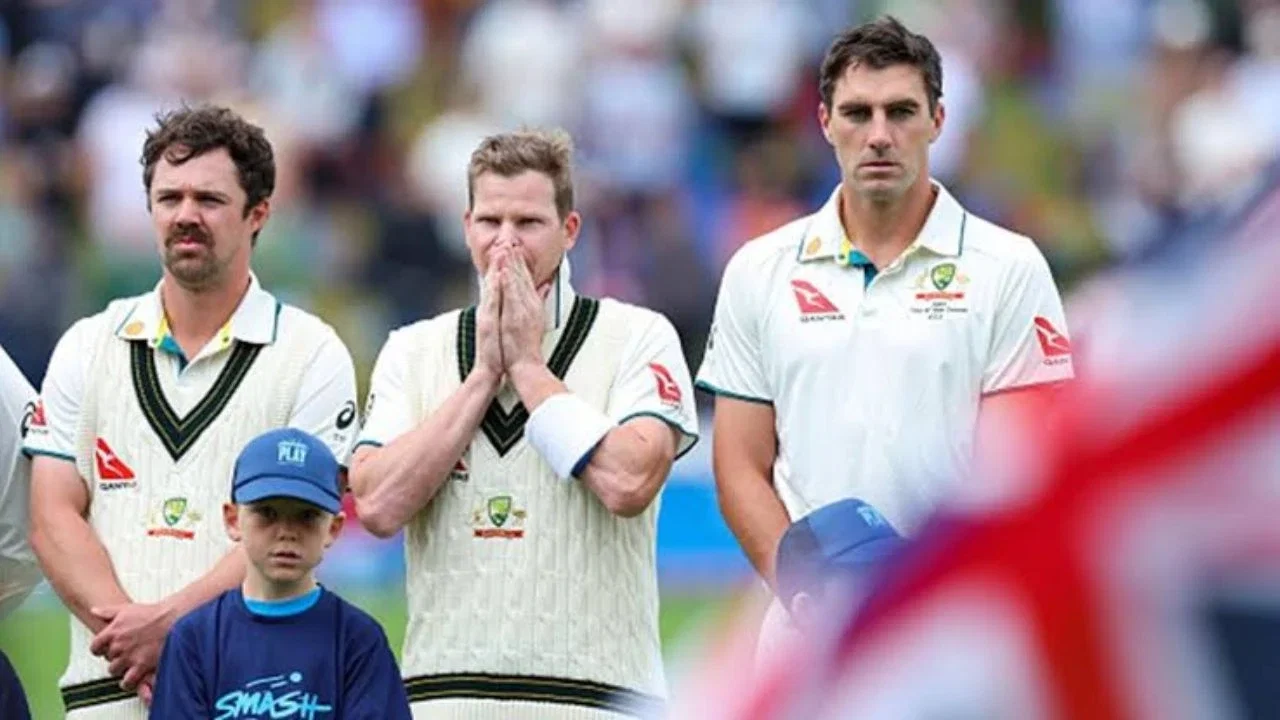
Pat Cummins forces Cricket Australia to slash central contracts list to secure premium deal
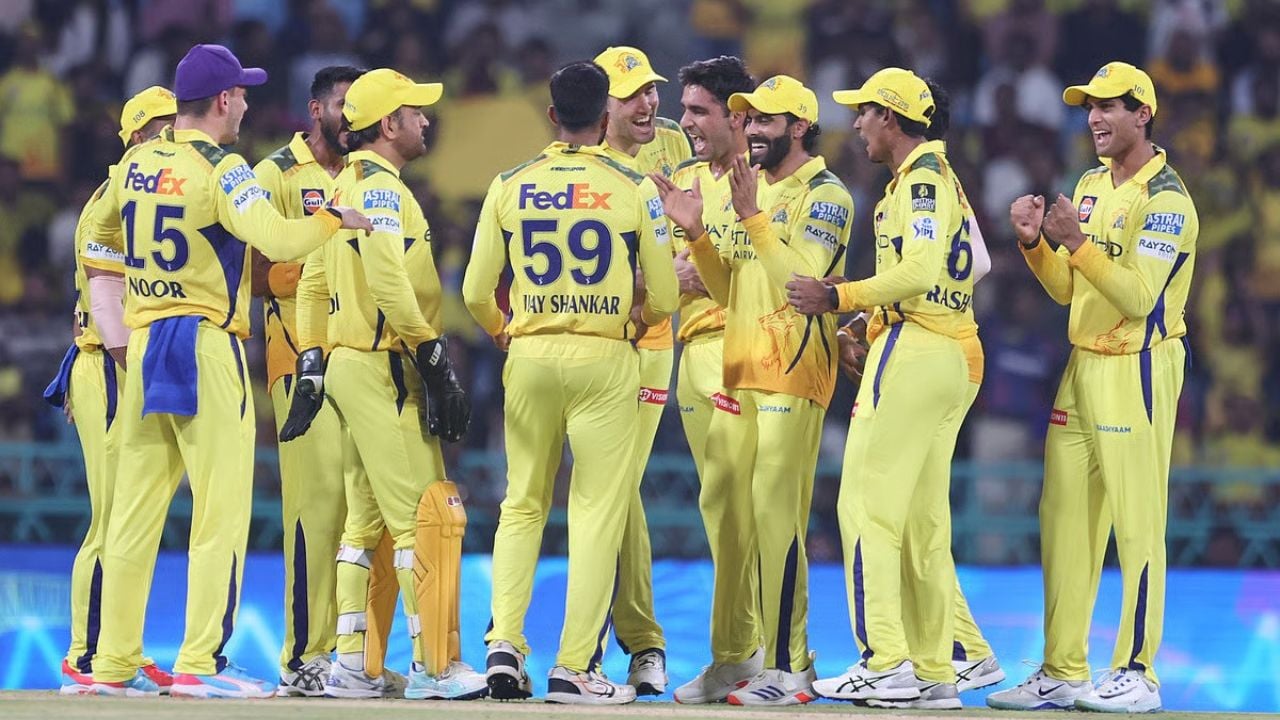
CSK’s big promise to players revealed amid IPL 2026: “Whatever BCCI offers, we’ll double it”
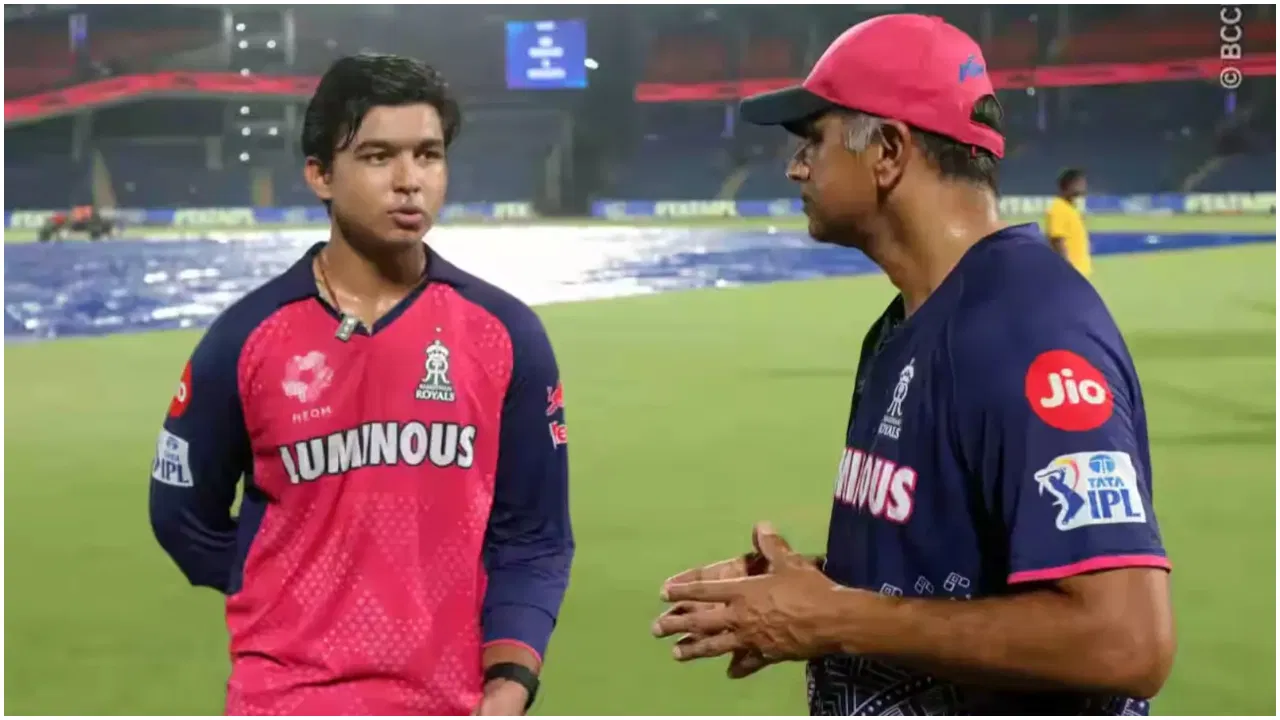
Ravichandran Ashwin rules out Vaibhav Sooryavanshi’s India call-up
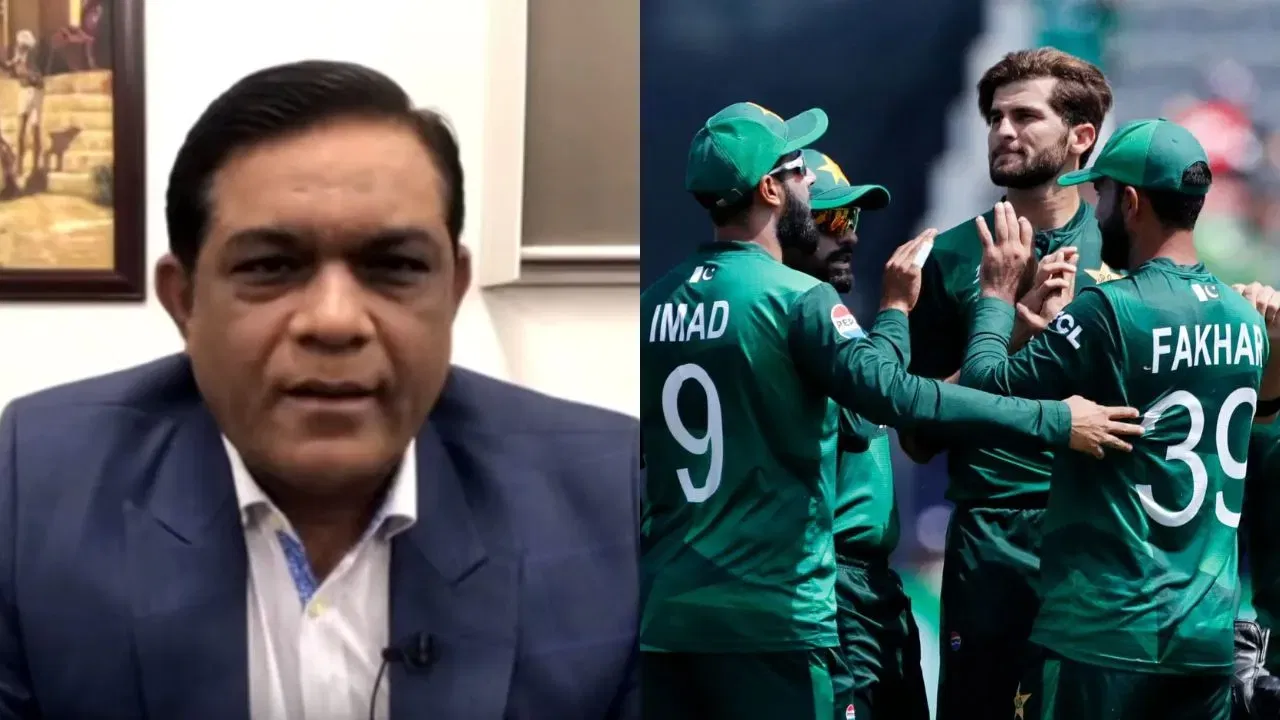
Rashid Latif claims PSL ball-tampering row was deliberately created for attention amid IPL rivalry
Mohammed Shami breaks silence on retirement buzz after India snub; has special message for LSG
Mohammed Shami reveals IPL 2026 Top 4, leaves out five-time champions
Mohammed Shami hits back at Ravichandran Ashwin over LSG’s poor IPL 2026 prediction
Riyan Parag mocked Sanju Samson? Batter’s muscle-flex celebration after sensational 6 vs CSK goes viral
IPL 2026 hit by tragedy! British broadcast engineer dies in Mumbai hotel room
Brad Haddin reveals reality of Shreyas Iyer as captain
Jos Buttler set to dominate IPL 2026, thanks to Ashish Nehra
Ravindra Jadeja says he had no conversation with MS Dhoni after RR move