

Match-fixing? Nicholas Pooran bizarrely refuses easy stumping in ILT20; Cricket world stunned by what followed
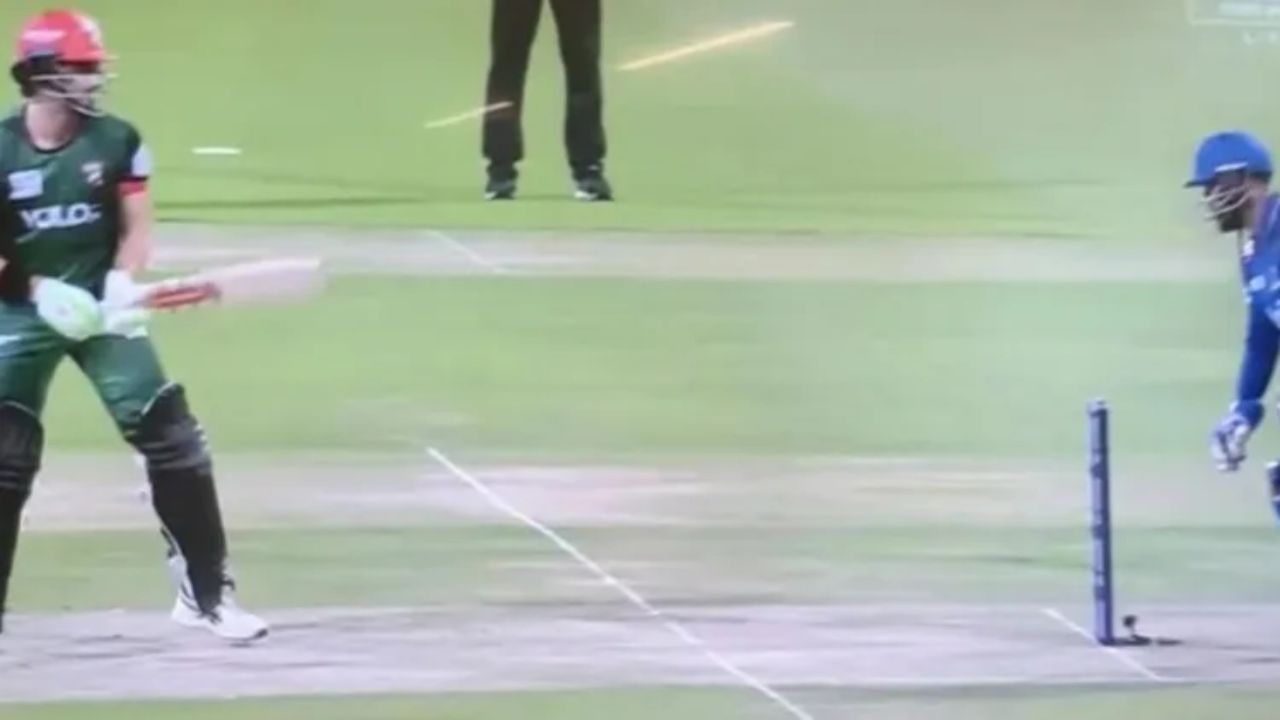
Nicholas Pooran’s Decision Sparks Controversy in ILT20 Match
Introduction
In a recent ILT20 match between MI Emirates and Desert Vipers in Abu Dhabi, former West Indies skipper Nicholas Pooran made a surprising decision that left fans and commentators questioning his tactics. The match, held on Tuesday, December 9, saw Pooran opt not to stump Max Holden, sparking speculation about the reasons behind his choice.
The Match Scenario
MI Emirates won the toss and chose to bowl first, with Max Holden coming in to bat at No. 3 for the Vipers. Holden, struggling to accelerate the scoring, found himself on 42 off 36 balls by the 16th over. It was at this crucial moment that Pooran had an easy stumping chance, but he chose not to remove the bails.
Commentators and fans were left baffled by Pooran’s decision, with some questioning whether it was a tactical move or simply a lapse in judgment. Despite Pooran letting Holden off the hook, the Vipers surprised everyone by retiring him out, bringing in Sam Curran to inject some urgency into the innings.
The Legal Aspect
The Vipers’ decision to retire Holden was completely legal and is becoming a common tactic in T20 cricket to optimize scoring opportunities. Similarly, Pooran’s choice not to stump Holden falls under strategic gameplay, as a wicketkeeper is not obligated to complete a stumping if they deem it more beneficial to keep the batsman at the crease.
The term “tactical non-stumping” has been coined to describe such strategic decisions that are increasingly prevalent in franchise cricket. Despite the legality of the moves, social media was quick to react, with some users even hinting at fixing allegations, though there is no evidence to support such claims.
MI Emirates’ Close Defeat
Despite the drama surrounding Pooran’s decision, MI Emirates fell just short of the Vipers’ total, losing by a single run in the chase. Captain Kieron Pollard praised his bowlers for restricting the opposition but admitted that his team faltered in the crucial closing stages of the match.
In his post-match comments, Pollard acknowledged the team’s shortcomings in the final overs of the chase, highlighting the importance of staying competitive until the end in cricket. He emphasized the unpredictable nature of the sport, where a slight lapse in concentration can lead to defeat, as was the case for MI Emirates in this match.
Ultimately, the ILT20 match between MI Emirates and Desert Vipers served as a reminder of the strategic nuances and unpredictability that make cricket such a thrilling and engaging sport for fans worldwide.
Nicholas Pooran’s Unconventional Decision: A Closer Look
While Nicholas Pooran’s decision not to stump Max Holden may have raised eyebrows, delving deeper into the situation reveals a more nuanced perspective. Pooran’s unconventional move can be seen as a calculated risk, aimed at disrupting the opposition’s momentum and triggering a change in their batting strategy.
By allowing Holden to continue his innings, Pooran may have been banking on the psychological impact of denying him an easy dismissal. This tactic could have been a strategic ploy to unsettle the batsman, forcing him to reassess his approach and potentially make a mistake under pressure. In the fast-paced world of T20 cricket, such mind games and tactical maneuvers can often play a crucial role in shaping the outcome of a match.
The Evolution of T20 Strategies
As T20 cricket continues to evolve, teams are constantly exploring new tactics and strategies to gain an edge over their opponents. The concept of tactical non-stumping, as demonstrated by Pooran, is just one example of how players are pushing the boundaries of traditional cricket norms to adapt to the demands of the shorter format.
In an era where innovation and adaptability are prized assets, players like Pooran are not afraid to think outside the box and challenge conventional wisdom. This willingness to experiment and take calculated risks is what sets apart the best T20 teams and players from the rest, as they strive to stay ahead of the curve in a fiercely competitive environment.
The Importance of Mental Resilience in Cricket
Pooran’s decision in the ILT20 match underscores the mental aspect of cricket, where split-second decisions and strategic acumen can make all the difference between success and failure. In a high-pressure situation like a T20 match, players must not only rely on their physical skills but also demonstrate mental resilience and strategic thinking to outsmart their opponents.
The ability to stay calm under pressure, make quick assessments of the game situation, and adapt tactics accordingly is what separates the great cricketers from the good ones. Pooran’s decision, while unconventional, highlights the importance of mental fortitude and strategic awareness in modern cricket, where every move can have significant ramifications on the outcome of a match.
Looking Ahead: Lessons Learned
As the cricketing world reflects on Nicholas Pooran’s controversial decision in the ILT20 match, there are valuable lessons to be learned for players, coaches, and fans alike. The incident serves as a reminder of the complexity and unpredictability of the sport, where moments of brilliance and unconventional tactics can shape the course of a game.
Moving forward, teams may be more inclined to experiment with bold strategies and unconventional tactics in a bid to outwit their opponents and gain a competitive advantage. The evolving landscape of T20 cricket demands constant innovation and adaptability, and players like Pooran are at the forefront of this revolution, challenging the status quo and redefining the boundaries of what is possible on the cricket field.
Ultimately, Nicholas Pooran’s decision in the ILT20 match may have sparked controversy, but it also shed light on the strategic intricacies and mental challenges that make cricket such a captivating and dynamic sport. As the game continues to evolve, it is players like Pooran who remind us that cricket is as much a battle of wits and strategy as it is a test of skill and athleticism.
Latest News
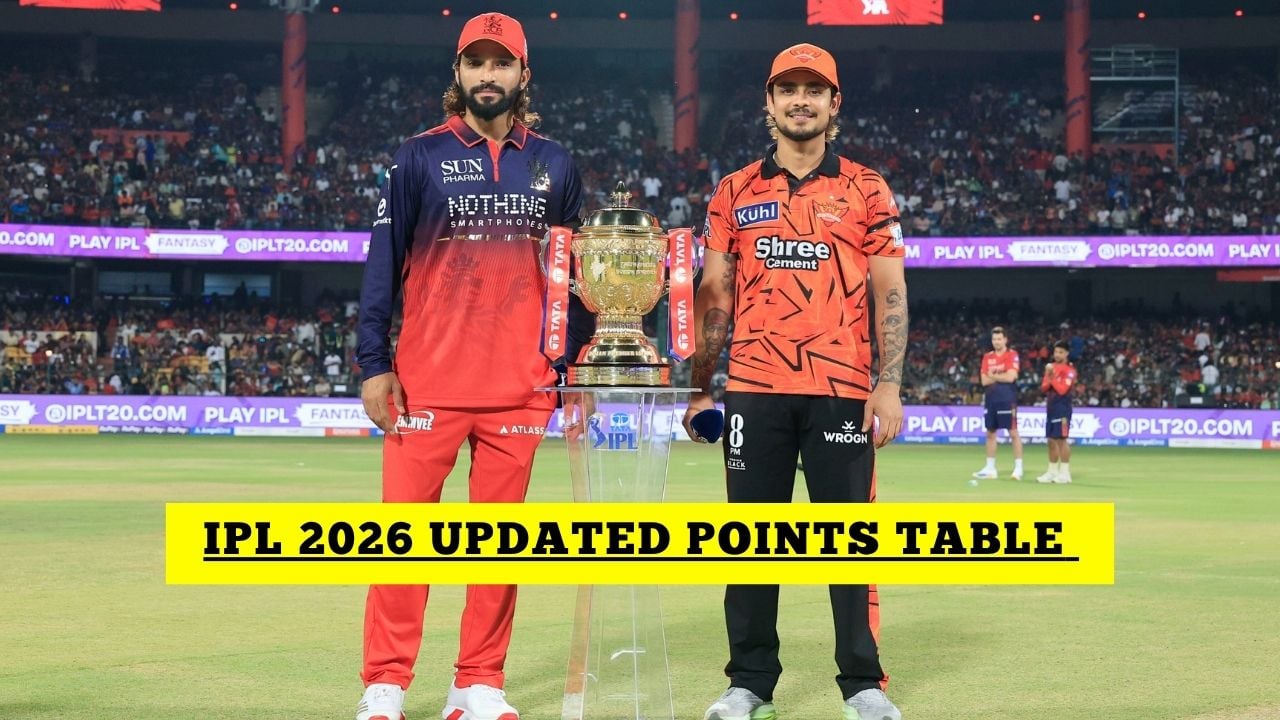
IPL Points Table 2026: Updated Standings, Orange Cap, Purple Cap After RCB vs SRH Match 1
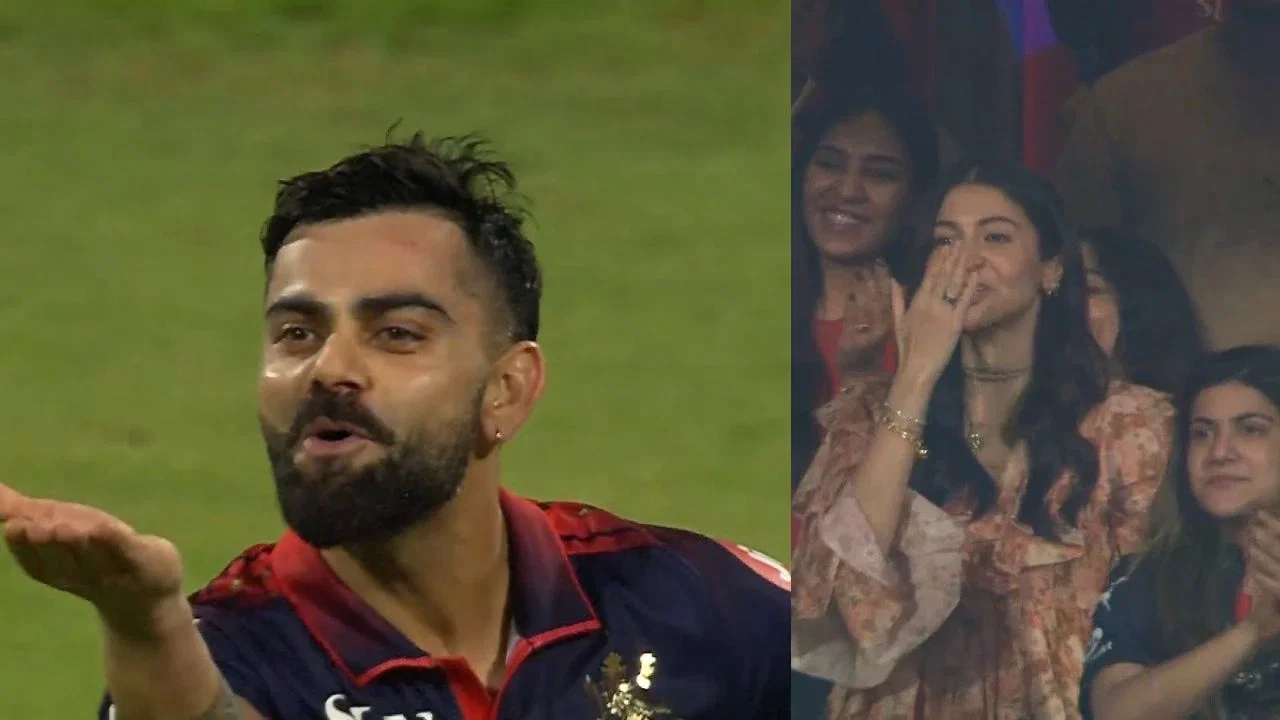
Virat Kohli, Anushka Sharma share adorable flying kiss moment after RCB vs SRH clash
“Absolutely world-class”: Virat Kohli backs Devdutt Padikkal for permanent Team India spot
Rajat Patidar refuses to comment on Virat Kohli; Ishan Kishan admits enjoying after SRH’s loss to RCB
Mumbai Indians suffer blow! Mitchell Santner, Will Jacks ruled out of IPL 2026 games
MI vs KKR Match Prediction – Who Will Win Match No.2? | IPL 2026
Mumbai Indians Playing XI vs Kolkata Knight Riders Playing XI- Match No. 2 | IPL 2026
MI vs KKR Match 2 Preview: Free Live Streaming, Pitch & Weather Report, Head-to-Head | IPL 2026
Not English cricket! Jos Buttler credits IPL for his success as a cricketer
“Nitish Kumar Reddy is biggest fraud”: Fans fume as SRH star fails vs RCB in IPL 2026 opener
Who is Abhinandan Singh? The Virat Kohli troublemaker who made his IPL debut for RCB vs SRH
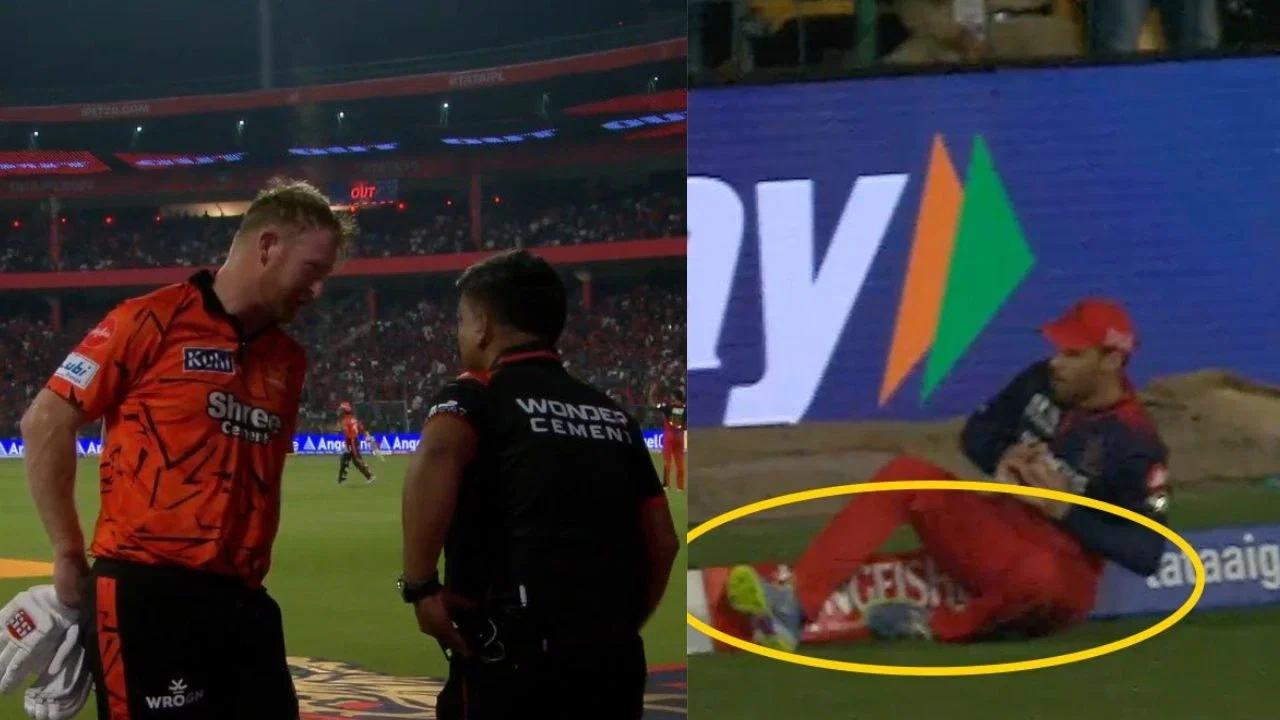
Heinrich Klaasen engages in heated chat with 4th umpire after Phil Salt’s controversial catch in IPL 2026
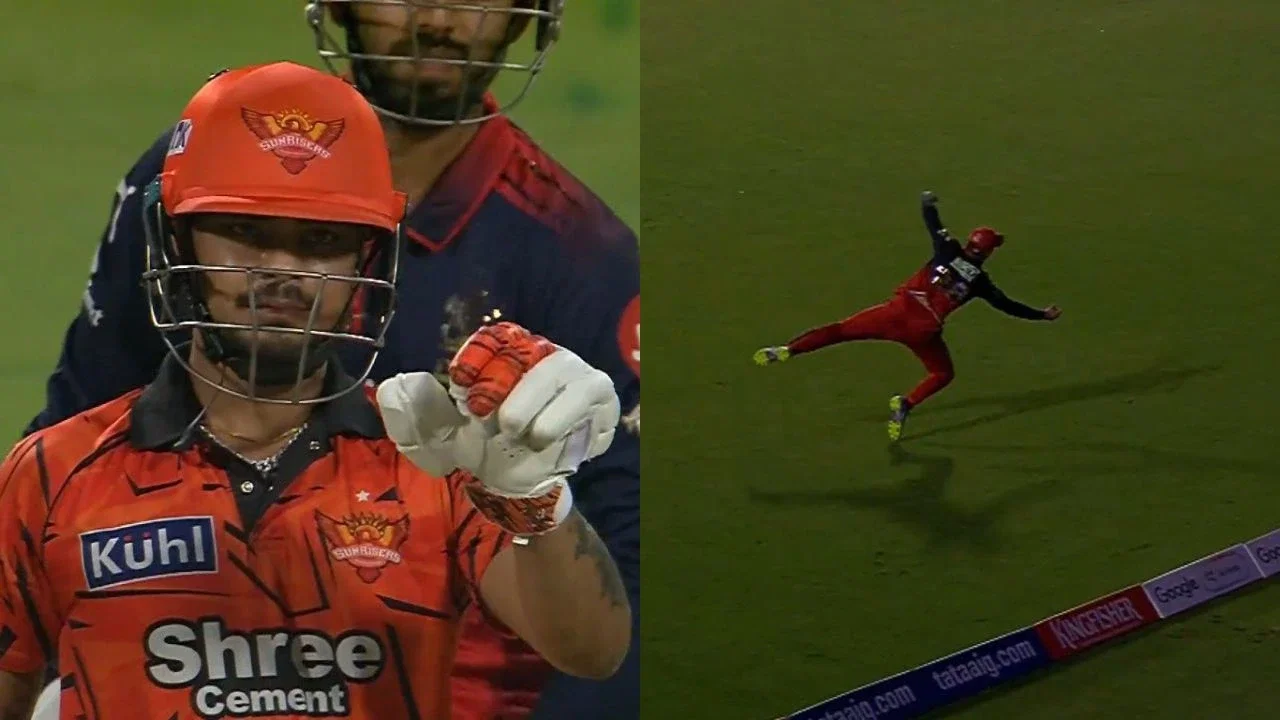
Phil Salt grabs one of the greatest catches in IPL history to dismiss Ishan Kishan
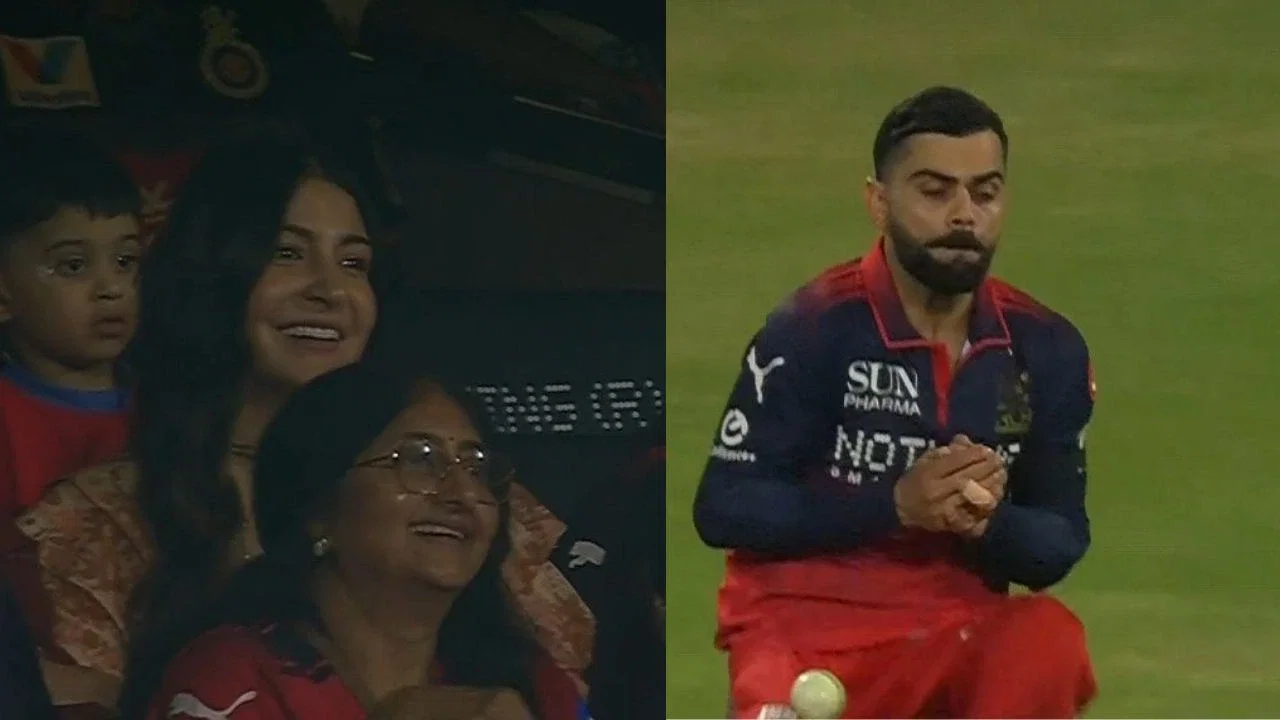
Anushka Sharma laughs as Virat Kohli drops a sitter in RCB vs SRH clash (Watch Video)

