Matthew Kuhnemann reported for suspect bowling action after his heroics in Sri Lanka

Australian Spinner Matthew Kuhnemann Reported for Suspect Bowling Action
Australian left-arm spinner Matthew Kuhnemann has found himself in hot water after being reported for a suspect bowling action following his outstanding performance in the second Test against Sri Lanka in Galle. Kuhnemann played a vital role in Australia’s Test series sweep in Sri Lanka, finishing as the leading wicket-taker with 16 wickets at an impressive average of 17.18.
This remarkable achievement made Kuhnemann the most successful left-arm spinner from Australia in Sri Lanka. However, his success was short-lived as the International Cricket Council (ICC) raised concerns over his bowling action, prompting mandatory testing within three weeks to assess its legality.
Concerns Over Bowling Action
Under ICC regulations, bowlers are allowed a maximum of 15 degrees of flex in their bowling arm. Any more than that is considered illegal. Kuhnemann will now have to undergo testing at Brisbane’s Centre of Excellence, where a biomechanist will review his action and submit the results to the ICC.
Until his action is cleared, Kuhnemann will not be allowed to bowl in international cricket, with the exception of playing for Tasmania in the Sheffield Shield. This development has come as a shock to Cricket Australia (CA) officials, who had never received complaints about Kuhnemann’s action before.
Support from Cricket Australia
In an official statement, Cricket Australia expressed its support for Kuhnemann during this challenging time. The statement read, “The Australian team was notified of the match officials’ referral following the second Test against Sri Lanka in Galle and will support Matt through the process of clearing this matter.”
Despite playing 124 professional matches since his debut in 2017, Kuhnemann’s action had never been questioned until now. CA assured that they would work closely with the ICC and independent experts to resolve the matter within the confines of ICC regulations.
Future Matches and ICC Champions Trophy
Australia is set to play two ODIs against Sri Lanka before heading to Pakistan for the upcoming ICC Champions Trophy 2025. The first ODI is scheduled for February 12, followed by the final game on February 14 on their Sri Lanka tour. The results of Kuhnemann’s bowling action test will likely impact his participation in these matches.
As the cricketing world eagerly awaits the outcome of Kuhnemann’s bowling action test, the future of the talented Australian spinner hangs in the balance. Will he be able to rectify his action and continue his successful cricket career, or will he face a ban from bowling at the international level? Only time will tell.
Technical Analysis of Bowling Action
When a bowler is reported for a suspect bowling action, it means that match officials have observed something in the bowler’s delivery that raises concerns about the legality of their action. This can often be due to a visible elbow extension beyond the allowed limit of 15 degrees. In Kuhnemann’s case, the ICC will conduct a detailed biomechanical analysis to precisely measure the degree of flex in his bowling arm during the delivery stride. This analysis involves high-speed cameras and motion sensors to capture the intricacies of his action.
Biomechanical experts will examine the footage frame by frame to identify any irregularities that may contravene the ICC regulations. They will analyze the sequence of movements, joint angles, and timings to determine whether Kuhnemann’s action falls within the permissible limits. This process is crucial in maintaining the integrity of the game and ensuring a level playing field for all bowlers.
Psychological Impact on the Player
Being reported for a suspect bowling action can have a significant psychological impact on a player. It can create doubts about their technique, confidence, and future in the sport. Kuhnemann, despite his impressive performance in Sri Lanka, will now have to deal with the added pressure of proving the legality of his action. The scrutiny and uncertainty surrounding his bowling action test can be mentally taxing for any cricketer.
Moreover, the fear of being sidelined from international cricket can weigh heavily on a player’s mind. Kuhnemann, who has worked hard to establish himself as a key player in the Australian team, now faces a challenging period of uncertainty. The support from Cricket Australia and his teammates will be crucial in helping him navigate through this difficult phase and come out stronger on the other side.
Impact on Team Dynamics
The news of Kuhnemann’s reported bowling action can also impact the dynamics within the Australian team. His absence from the bowling attack can disrupt the team’s balance and strategy, especially considering the upcoming matches against Sri Lanka and the ICC Champions Trophy. The team management will need to make adjustments to cope with Kuhnemann’s potential absence and ensure that they have alternative plans in place.
Furthermore, the players’ morale and focus may be affected by the uncertainty surrounding Kuhnemann’s availability. The team will need to rally together, support their teammate, and maintain their competitive edge despite the off-field distractions. How the Australian team manages this situation will be crucial in determining their performance in the upcoming matches.
Conclusion
As the cricketing world awaits the results of Matthew Kuhnemann’s bowling action test, the implications of this incident extend beyond just one player. It raises broader questions about the mechanisms in place to monitor and regulate bowling actions, the support systems available to players facing such challenges, and the impact on team dynamics and performance.
Regardless of the outcome, Kuhnemann’s journey serves as a reminder of the complexities and pressures that professional cricketers face both on and off the field. It underscores the importance of resilience, support, and adherence to the rules and regulations that govern the game. Only time will tell how Kuhnemann and the Australian team navigate through this testing period and emerge stronger from the experience.
Latest News

NZ vs SA 5th T20I Preview: Free Live Streaming, Pitch & Weather Report, Head-to-Head | South Africa tour of New Zealand 2026
NZ vs SA Match Prediction – Who Will Win 5th T20I? | South Africa tour of New Zealand 2026
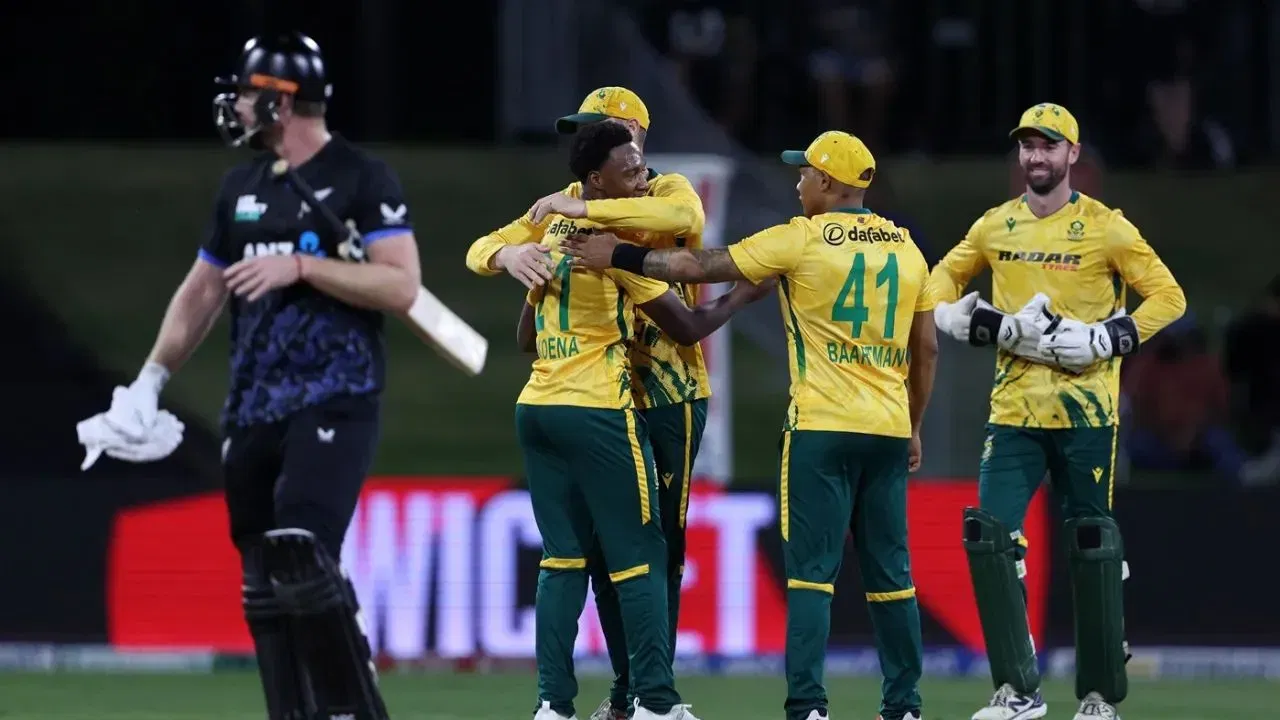
New Zealand Playing XI vs South Africa Playing XI – 5th T20I | South Africa tour of New Zealand 2026
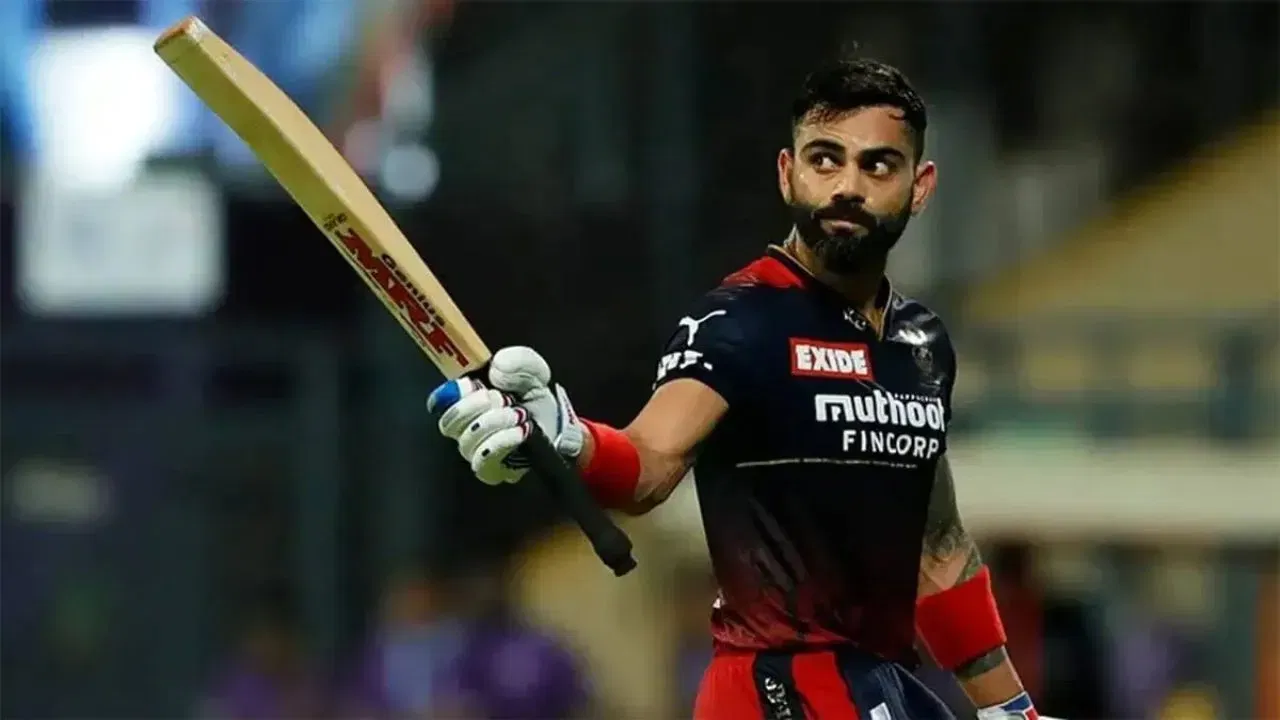
PBKS spinner calls Virat Kohli his idol, makes bold dismissal claim ahead of IPL 2026

“Not stupid”: Adam Gilchrist, Mark Waugh break silence on ECB not sacking Brendon McCullum

Revealed: Why RCB players will wear black armbands and No.11 jersey in IPL 2026?
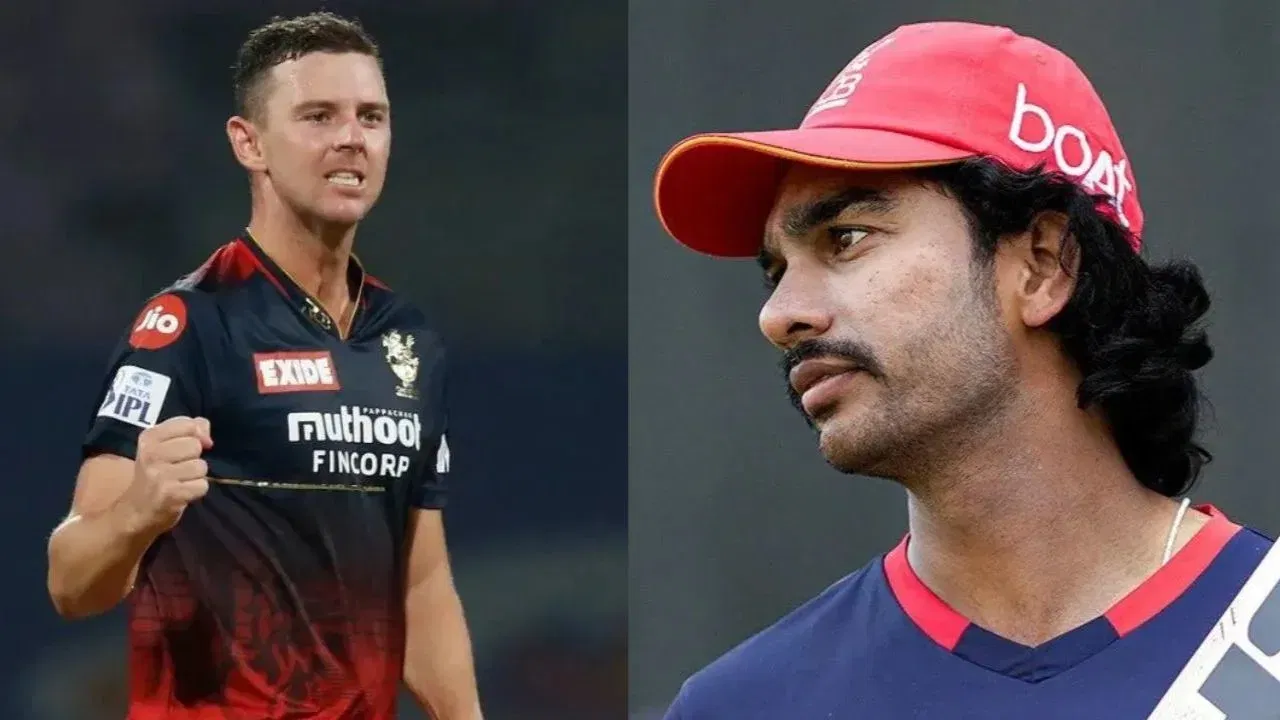
RCB boss breaks silence on Josh Hazlewood’s IPL 2026 status, drops big remark on Venkatesh Iyer
Rajasthan Royals sold! Kal Somani’s $1.63 billion deal backed by Walmart and Ford powerhouses
‘I’m not carrying that baggage, but Virat Kohli…’: RCB boss makes huge statement ahead of IPL 2026
MS Dhoni set to return as CSK captain for his last IPL season?
‘Rohit Sharma is good enough to be part of Indian T20I team’: MS Dhoni’s ex-teammate’s big remark
3 RCB players who could struggle in IPL 2026 – ft Venkatesh Iyer
3 RCB players who could struggle in IPL 2026 – ft Venkatesh Iyer
3 MI players who could struggle in IPL 2026 – ft Rohit Sharma