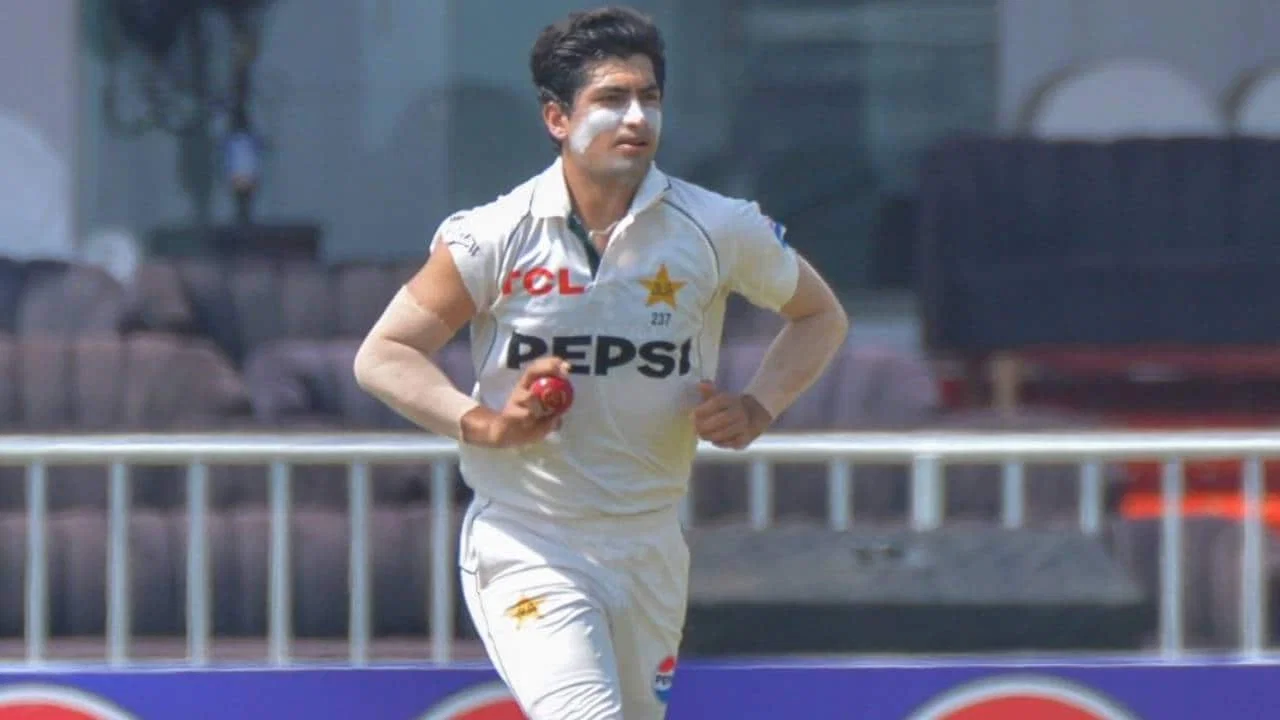
Misbah-ul-Haq shockingly blames India for Pakistan’s downfall ahead of blockbuster Asia Cup clash

Former Pakistan Captain Misbah-ul-Haq Blames Major Cricketing Nations for Pakistan’s Downfall
Former Pakistan captain Misbah-ul-Haq has recently made a significant claim regarding the current struggles faced by the Pakistan cricket team on the international stage. As the team prepares for the upcoming Asia Cup, Misbah-ul-Haq has pointed fingers at big cricketing nations such as India, England, and Australia for deprioritizing bilateral series with Pakistan.
Misbah-ul-Haq’s Allegations
Misbah-ul-Haq expressed his concerns about Pakistan’s lack of exposure to competitive cricket against top teams. He highlighted the fact that Pakistan has not played bilateral series against India for over a decade and faces teams like England and Australia only once every two years. The former captain believes that by primarily playing against weaker teams, Pakistan’s players are not being adequately challenged, hindering their development.
In a statement to the media, Misbah-ul-Haq emphasized the need for Pakistan to engage in more competitive matches against stronger opponents to improve their performance and overall cricketing abilities.
Pakistan’s Recent Performance and Struggles
Over the past three years, the Pakistan cricket team has faced significant setbacks on the international stage. They have failed to advance past the group stages in the last three ICC tournaments and have struggled in the ICC World Test Championship, reflecting poorly on their standings.
Recent statistics show that Pakistan has lost two out of their last three Test matches and nine out of their last eleven ODIs. In T20Is, they have suffered defeats in seven out of fourteen matches leading up to the recent tri-series. These poor performances have seen Pakistan drop to 7th in the ICC Test rankings, 7th in T20Is, and 5th in ODIs.
Preparations for the Asia Cup 2025
Leading up to the Asia Cup, Pakistan participated in a tri-series in the UAE against Afghanistan and the UAE. Despite challenges from other teams, Pakistan emerged victorious in the series, with captain Salman Ali Agha playing a crucial role in guiding the team to success.
The tri-series provided Pakistan with valuable game time on UAE grounds, setting a positive tone for their Asia Cup campaign. While Afghanistan was considered a strong contender, Pakistan’s triumph in the tri-series has reinvigorated hope within the team and its supporters.
As Pakistan gears up for the Asia Cup, Misbah-ul-Haq’s remarks shed light on the challenges faced by the team and the importance of engaging in competitive cricket against top nations to enhance their skills and performance levels.
The Impact of Limited Bilateral Series on Pakistan
Misbah-ul-Haq’s criticism of major cricketing nations for deprioritizing bilateral series with Pakistan raises important questions about the impact of limited exposure to competitive matches on the team’s performance. The lack of regular contests against top teams like India, England, and Australia not only affects Pakistan’s ranking but also hinders their players’ growth and development.
Playing against weaker opposition may offer some wins and build confidence, but true improvement comes from facing tough challenges and learning from them. The absence of consistent matches against strong opponents deprives Pakistani players of the opportunity to test their skills, adapt to different conditions, and enhance their strategic thinking on the field.
By addressing this issue, Misbah-ul-Haq calls for a reevaluation of scheduling priorities and a concerted effort to facilitate more engagements between Pakistan and major cricketing nations. Creating space for regular bilateral series can not only benefit Pakistan but also contribute to the overall competitiveness and excitement in the cricketing world.
The Need for Strategic Planning and Development
As Pakistan navigates through a period of struggle in international cricket, it becomes crucial for the cricket board and coaching staff to prioritize strategic planning and player development. Analyzing the root causes of poor performance, identifying areas for improvement, and implementing targeted training programs can help the team address its weaknesses and build a stronger foundation for future success.
Investing in talent identification, grooming young cricketers, and providing them with exposure to high-quality training facilities and coaching can play a significant role in nurturing the next generation of Pakistani cricket stars. Additionally, fostering a culture of resilience, discipline, and teamwork within the squad can contribute to building a cohesive and competitive team that can vie for top honors on the global stage.
Looking Ahead to the Future
As Pakistan prepares for the Asia Cup 2025, the recent triumph in the tri-series against Afghanistan and the UAE provides a glimmer of hope for the team’s prospects. Building on this success, Pakistan can leverage the momentum and confidence gained from the series victory to make a strong statement in the upcoming tournament.
With Misbah-ul-Haq’s call for increased exposure to competitive matches against top cricketing nations resonating within the cricketing community, it is imperative for Pakistan to strategize and prioritize engagements that will elevate the team’s performance and standing in the international arena. By embracing the challenges, learning from setbacks, and evolving as a unit, Pakistan can chart a path towards sustained success and reclaim its position among the cricketing elite.
As fans eagerly anticipate Pakistan’s journey in the Asia Cup and beyond, the team’s ability to rise to the occasion, adapt to varying conditions, and showcase their skills against formidable opponents will be pivotal in shaping their future trajectory in world cricket.
Latest News
Mohsin Naqvi totally angry and stressed as PSL 2026 controversies escalate
Mohsin Naqvi saves Naseem Shah from two-year ban, shocking claim emerges after controversy
Michael Vaughan claims Vaibhav Sooryavanshi’s India call-up for England tour is confirmed
Ravindra Jadeja’s teary-eyed reaction goes viral after RR demolish CSK in IPL 2026 clash

New Zealand ODI and T20I squads for Bangladesh tour officially announced
Naseem Shah breaks silence on PCB punishment, issues public apology following massive controversy
Australia coach drops big hint on Cameron Green’s Test future amid IPL 2026 drama
Ajit Agarkar told to fast-track Vaibhav Sooryavanshi into Indian Team
CSK declared useless without MS Dhoni by Ex-England captain
Shocking! Fakhar Zaman tampered with ball vs USA in T20 World Cup, ICC did not act

“Don’t get banned”: Digvesh Rathi reveals Sanjiv Goenka and Rishabh Pant’s warning over fiery celebrations

MS vs HYDK Match Prediction, Pitch & Weather Report, Playing XIs, Head-to-Head, Free Live Streaming – PSL 2026 Match 8
ISU vs PSZ Match Prediction, Pitch & Weather Report, Playing XIs, Head-to-Head, Free Live Streaming – PSL 2026 Match 7
Ravindra Jadeja breaks silence on fiery send-off to Shivam Dube in RR vs CSK IPL 2026 clash