Mitchell Johnson levels shocking allegations against Josh Hazlewood after WTC Final loss

**Mitchell Johnson Unleashes Criticism on Australian Team’s Performance in World Test Championship Final**
Former Australian fast bowler Mitchell Johnson has taken a swipe at the Australian cricket team led by Pat Cummins for their lackluster display in the World Test Championship final against South Africa. Johnson specifically targeted Josh Hazlewood, who he accused of prioritizing the Indian Premier League (IPL) over national duties, and urged selectors to rethink their strategy when it comes to the bowling attack.
**Hazlewood’s IPL Stint Raises Concerns**
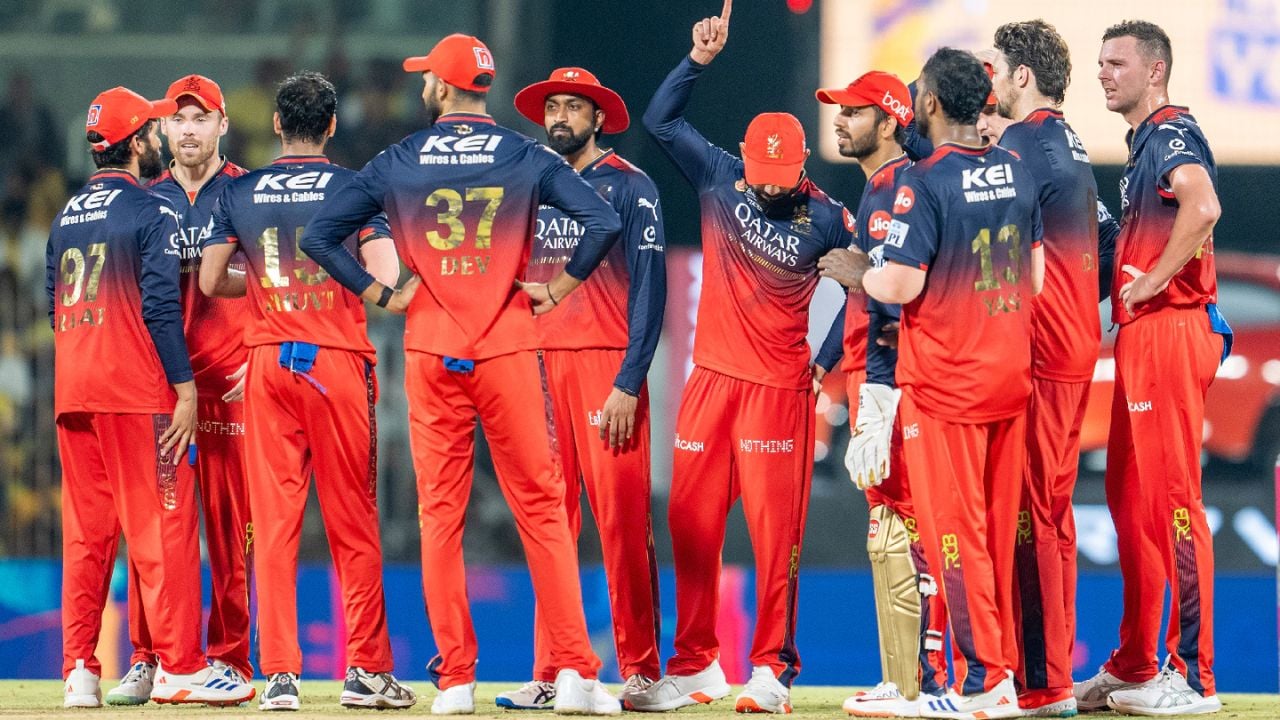
In the aftermath of Australia’s defeat to South Africa, Hazlewood’s decision to head back to the IPL after recovering from an injury raised eyebrows. The pacer managed only two wickets in the final and then immediately joined Royal Challengers Bengaluru (RCB) to help them secure their first-ever IPL title. Johnson expressed concerns over Hazlewood’s fitness and questioned his commitment to the national team.
**Doubts Cast on the ‘Big Four’ Bowling Attack**
Johnson did not hold back on his criticism of the entire bowling unit, including Mitchell Starc, Pat Cummins, and Nathan Lyon. He emphasized that the once-revered ‘big four’ should no longer be automatic selections for the team. The former cricketer highlighted concerns about Hazlewood’s fitness and Lyon’s form during the crucial match.
**Challenges Faced Due to IPL Rescheduling**
The unexpected extension of the IPL, which clashed with the World Test Championship final, posed challenges for players from both South Africa and Australia. While some players chose to exit the IPL early to prepare for the final, Hazlewood’s commitment to RCB left him with limited time to get ready for the crucial match against South Africa.
**Embracing a Youthful Approach**
Johnson also touched upon the age factor within the Australian squad, pointing out that many players are on the wrong side of 30. He stressed the importance of investing in young talent like Sam Konstas, Josh Inglis, and Scott Boland for the future of Australian cricket. Johnson called for a shift in mindset to focus on building a team that can compete effectively in the long run.
**Concerns Over Batting Line-Up**
In addition to the bowling department, Johnson expressed doubts about the team’s batting order. He questioned the suitability of Cameron Green at No. 3 and Marnus Labuschagne as an opener, drawing comparisons to Steve Smith’s struggles when he was pushed up the order. Johnson highlighted Green’s poor performance in the final and suggested that Labuschagne’s form needs urgent attention.
Overall, Mitchell Johnson’s critique of the Australian team’s performance in the World Test Championship final serves as a wake-up call for the selectors and players alike. The need for a strategic overhaul and a focus on nurturing young talent are essential for Australia to remain competitive in the ever-evolving world of international cricket.
The Impact of Mitchell Johnson’s Criticism on Australian Cricket
Mitchell Johnson’s scathing remarks regarding the Australian cricket team’s performance in the World Test Championship final have sparked conversations within the cricketing community. His call for a reevaluation of the team’s composition and strategy has ignited debates on various aspects of the game, from player priorities to the selection process.
Reevaluating Player Priorities
Johnson’s criticism of Josh Hazlewood’s decision to prioritize the IPL over national duties highlights a recurring dilemma faced by modern-day cricketers. The allure of lucrative T20 leagues often competes with the demands of international cricket, raising questions about players’ commitment to representing their country. Hazlewood’s swift transition from the World Test Championship final to the IPL underscores the challenges of balancing personal aspirations with national responsibilities.
Strategic Considerations for Team Selection
The scrutiny placed on the ‘big four’ bowling attack consisting of Mitchell Starc, Pat Cummins, Josh Hazlewood, and Nathan Lyon underscores the need for selectors to assess performance objectively. Johnson’s suggestion that reputation alone should not guarantee a place in the team underscores the importance of meritocracy in team selection. By encouraging selectors to prioritize form and fitness over past achievements, Johnson advocates for a more dynamic and competitive team environment.
Navigating the Challenges of a Packed Schedule
The scheduling conflicts arising from the extended IPL season and the World Test Championship final shed light on the logistical hurdles faced by players and teams. Balancing domestic T20 commitments with international Test matches presents a complex juggling act for players, impacting their preparation and performance in high-stakes games. Johnson’s critique underscores the need for clearer communication and coordination between cricket boards and leagues to ensure players can fulfill their obligations without compromising their national duties.
Investing in Youth for Long-Term Success
Johnson’s emphasis on embracing a youthful approach reflects a broader trend in international cricket towards nurturing emerging talent. By advocating for the inclusion of promising young players like Sam Konstas, Josh Inglis, and Scott Boland, Johnson signals a shift towards building a sustainable team for the future. Investing in youth not only injects fresh energy and enthusiasm into the squad but also ensures continuity and depth in the team’s talent pool.
Addressing Challenges in the Batting Line-Up
Beyond the bowling department, Johnson’s concerns about the team’s batting order highlight the intricacies of team composition. The debate surrounding Cameron Green’s position at No. 3 and Marnus Labuschagne’s role as an opener underscores the importance of strategic placement and player adaptability. Johnson’s observations on the need for adjustments in the batting line-up reflect a nuanced understanding of the technical and psychological aspects of the game.
In conclusion, Mitchell Johnson’s critique serves as a catalyst for introspection and improvement within the Australian cricketing fraternity. By challenging conventional norms, advocating for youth development, and emphasizing performance-based selection, Johnson contributes to a broader dialogue on the future direction of Australian cricket. As the team navigates the complexities of a rapidly evolving cricket landscape, Johnson’s insights offer valuable perspectives on how to position Australia for success in the years to come.
Latest News

Jonny Bairstow blasts Brendon McCullum, Ben Stokes over Mark Wood’s injury struggles

“Winning prize is great”: Axar Patel praises Jay Shah, highlights BCCI’s financial support

‘IPL teams might start cancelling young English players’: Aakash Chopra on Ben Duckett controversy

Virat Kohli takes up new role for RCB ahead of IPL 2026

“0.5% could change everything” – Paul Van Meekeren reacts to RCB sale, urges IPL owners to support Netherlands
New Rajasthan Royals owners want Yashasvi Jaiswal as captain over Riyan Parag? Here’s the truth

Who is Aryaman Birla? From Rajasthan Royals player to RCB chairman in blockbuster deal

“I will tell MS Dhoni what to do”: Sourav Ganguly on retirement talks
Ben Duckett opts out from IPL 2026, set to face ban

“Players will prevail”: Sourav Ganguly’s drops big verdict on ‘Impact Player’ rule ahead of IPL 2026
“Players will prevail”: Sourav Ganguly’s drops big verdict on ‘Impact Player’ rule ahead of IPL 2026
3 LSG players who could struggle in IPL 2026 – ft Rishabh Pant
Rinku Singh gets major role for KKR ahead of IPL 2026
RCB gets new buyer ahead of IPL 2026, sold to…..