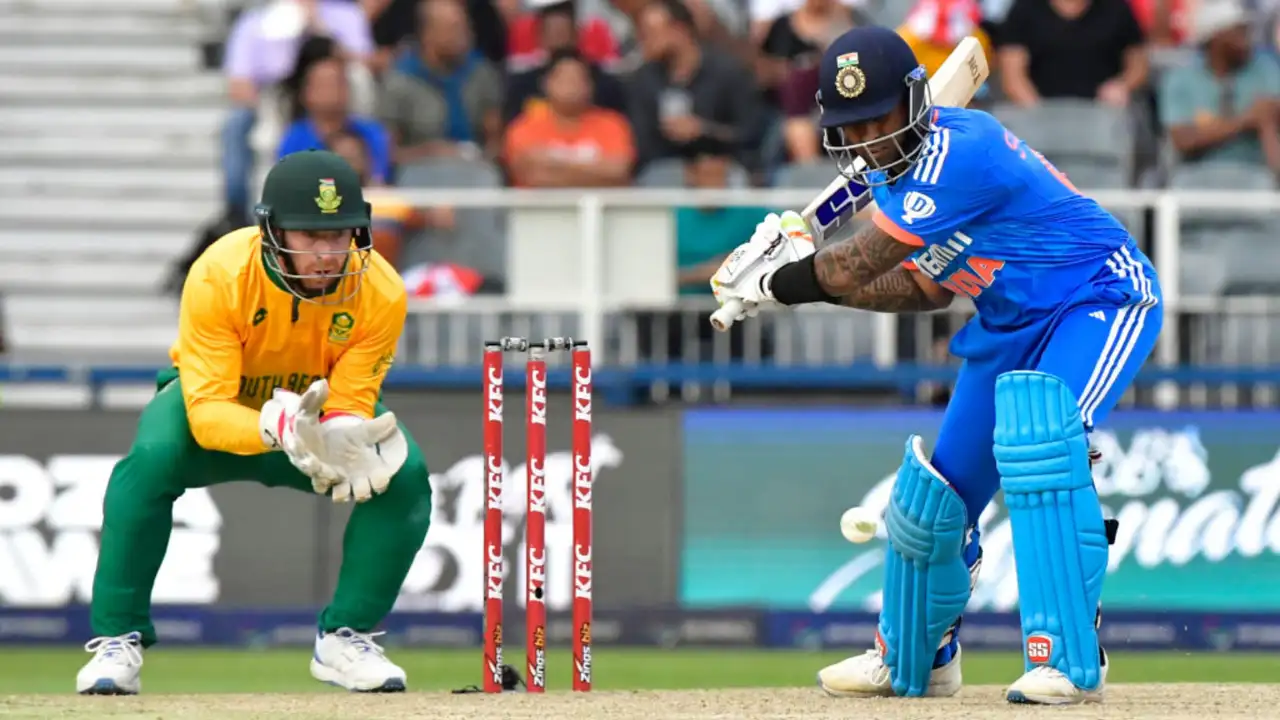
Mitchell Marsh-led ‘aura-less’ Australia faces brutal bouncer from Glenn McGrath
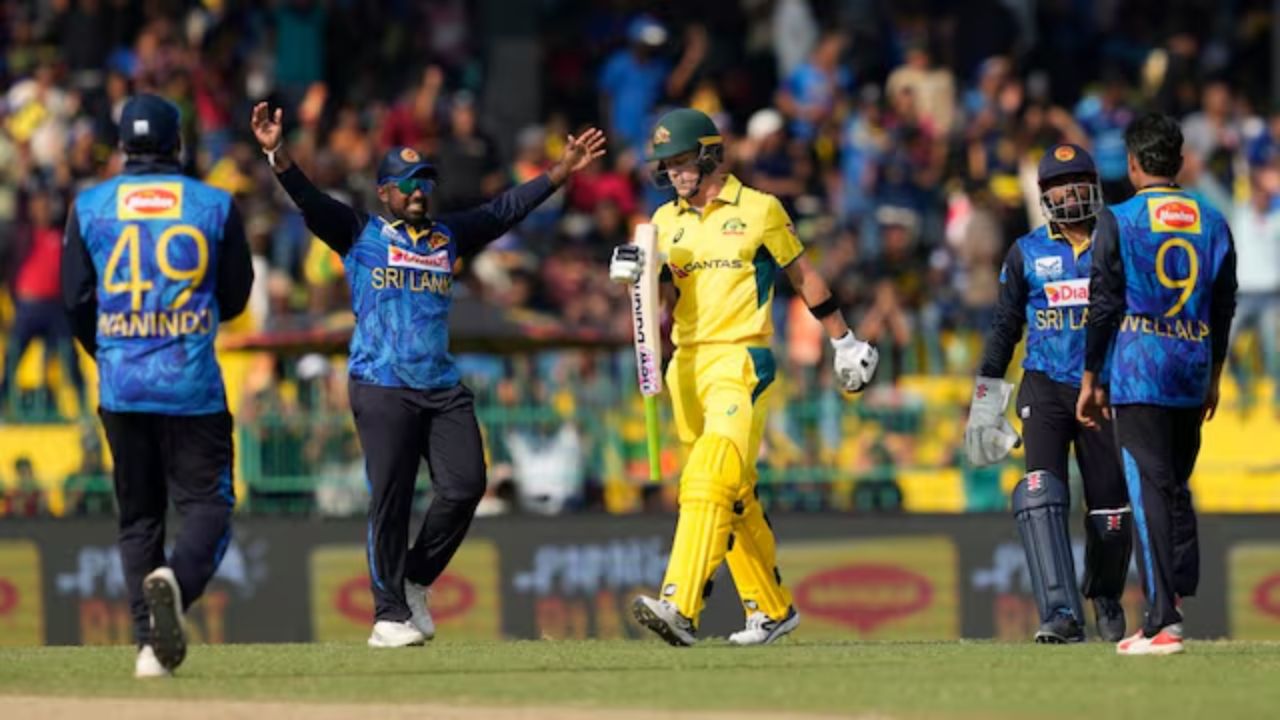
Australian Cricket Legend Glenn McGrath Reflects on Australia’s Early Exit from the 2026 ICC T20 World Cup
Australian cricket icon Glenn McGrath has delivered a harsh reality check to the Australia cricket team following their premature departure from the ongoing ICC T20 World Cup 2026. The team’s consecutive defeats against Zimbabwe and Sri Lanka led to their confirmation of an early return home, much to the disappointment of fans and experts alike.
McGrath Blames Absence of Key Players for Australia’s Poor Performance
Explaining the reasons behind Australia’s dismal performance in the tournament, McGrath highlighted the team’s loss of the aura that they were once renowned for. The absence of key pacers, Pat Cummins and Josh Hazlewood, due to injuries significantly impacted the team’s overall performance on the field.
During a recent discussion, McGrath, now a respected cricket expert, expressed concerns about Australia’s performance right from the beginning of the competition. The last-minute injuries to Hazlewood and Cummins dealt a major blow to the team’s chances of success in the tournament.
“We said at the start of this World Cup that we were concerned about Australia. All of a sudden, the aura of that Australian team is no longer there when other teams play it… unfortunately, not surprising. You wonder what’s happening… it’s all over the place,” McGrath commented on the team’s lackluster display.
Questioning Selection Decisions: Steve Smith’s Absence and Cameron Green’s Role
McGrath also criticized the national selectors for opting to include Cameron Green in the squad over seasoned player Steve Smith. The former cricketer raised doubts about Green’s role within the team and suggested that his bowling abilities were underutilized during the T20 World Cup matches.
Despite being known as a pace-bowling all-rounder, Green was primarily used as a batter by captain Mitchell Marsh throughout the tournament. McGrath questioned the selectors’ decision to exclude Smith, who he believes could have made a significant impact on the team’s performance if given the opportunity to play.
“If he’s not bowling, then what the selectors are saying is that he’s a better player than Steve Smith. If he’s not bowling, I just can’t see how he justifies a spot on that side,” McGrath expressed his reservations regarding Green’s role in the team.
Injuries Adding to Australia’s Woes
Adding to Australia’s woes, captain Mitchell Marsh also suffered an injury during the course of the tournament, forcing him to miss several matches. With Travis Head stepping in as the stand-in skipper, the team faced additional challenges on the field.
The Baggie Greens will now have to play one final match against Oman to conclude their group stage journey in the 2026 T20 World Cup. Despite their early exit from the tournament, McGrath’s insights shed light on the underlying issues that plagued the Australian team’s campaign, leaving fans and experts alike pondering over the team’s future strategies.
Reflecting on the Future of Australian Cricket
As Australia grapples with their disappointing performance in the 2026 ICC T20 World Cup, questions arise about the future of Australian cricket. With key players sidelined due to injuries and selection decisions being scrutinized, it is evident that the team needs to regroup and strategize for upcoming tournaments.
One aspect that needs to be addressed is the team’s depth and resilience. The absence of players like Cummins, Hazlewood, and Smith exposed the lack of adequate backup options in the Australian squad. Building a stronger bench strength will be crucial for the team to handle unforeseen circumstances like injuries in the future.
Additionally, the role of leadership within the team comes under the spotlight. With Marsh’s injury leading to Head taking on the responsibilities of captaincy, the team faced challenges in maintaining cohesion and direction on the field. Developing leadership skills among players and ensuring a seamless transition in case of captaincy changes will be vital moving forward.
Strategic Planning and Player Development
Looking ahead, Australian cricket authorities need to focus on strategic planning and player development to avoid similar disappointments in future tournaments. Identifying and nurturing young talent, providing them with opportunities to gain experience at the international level, will be key in building a competitive squad for upcoming competitions.
Moreover, reassessing selection criteria and ensuring that players are picked based on form, fitness, and suitability for specific formats will be crucial in forming a balanced team. The inclusion of all-rounders like Green should be carefully evaluated to maximize their potential impact on the team’s performance.
Coaching and support staff also play a significant role in the success of a cricket team. Providing the necessary resources, guidance, and mental conditioning to players will go a long way in enhancing their skills and confidence on the field. Investing in sports science and technology to analyze player performance and provide data-driven insights can also aid in improving the team’s overall competitiveness.
Rebuilding Australia’s Cricket Legacy
As Australia looks to rebuild its cricketing legacy post the disappointing exit from the T20 World Cup, there is a sense of urgency to address the underlying issues that contributed to the team’s early departure. Embracing a holistic approach that focuses on talent identification, strategic planning, and player development will be vital in steering the team towards success in future tournaments.
By learning from the setbacks of the past and implementing effective strategies for the future, Australian cricket can once again regain its dominance in the international arena. With the right approach and a collective effort from players, coaches, and administrators, the team can strive towards achieving excellence and reclaiming their status as a cricketing powerhouse.
Latest News
Shivam Dube gets heartwarming reception from his teammates and fans after impressive knock against Netherlands
He took pressure off everyone: Suryakumar Yadav lavishes praise on Shivam Dube
Alastair Cook blows lid off handshake saga, calls India-Pakistan hostility a staged act
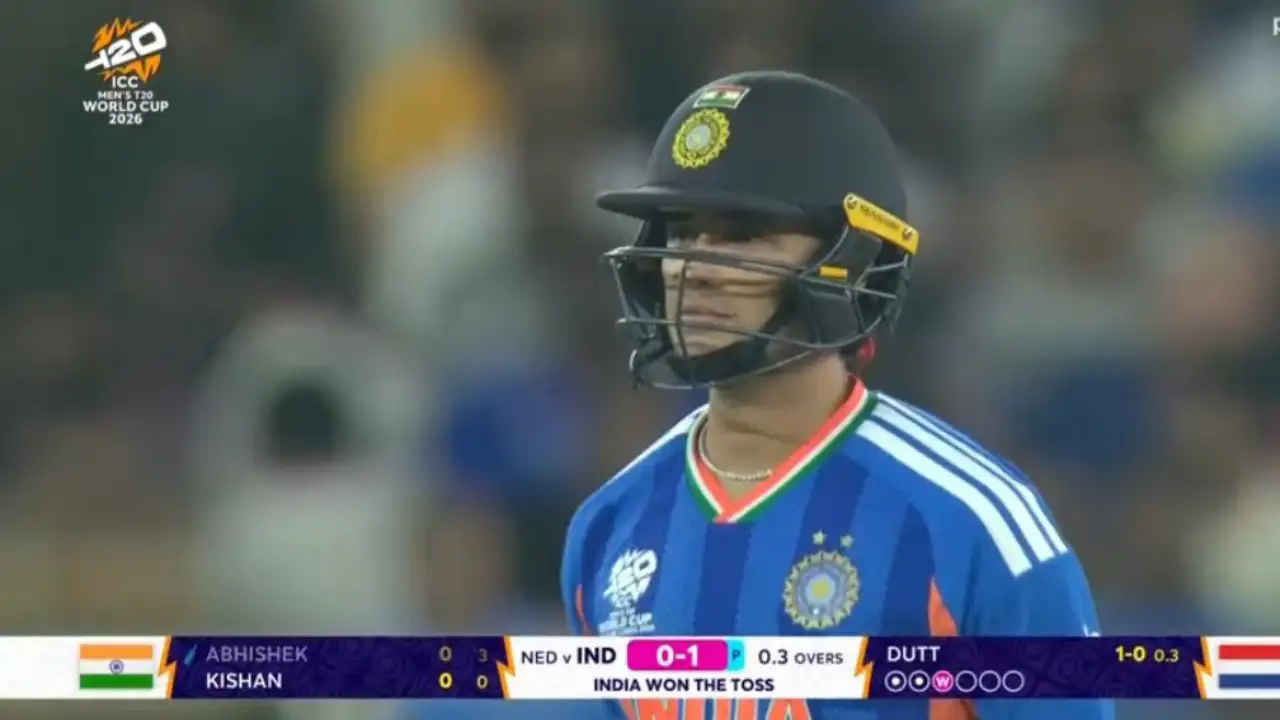
“Feel for Abhishek Sharma”: Netizens react as opener registers three ducks in a row
Mitchell Marsh-led ‘aura-less’ Australia faces brutal bouncer from Glenn McGrath
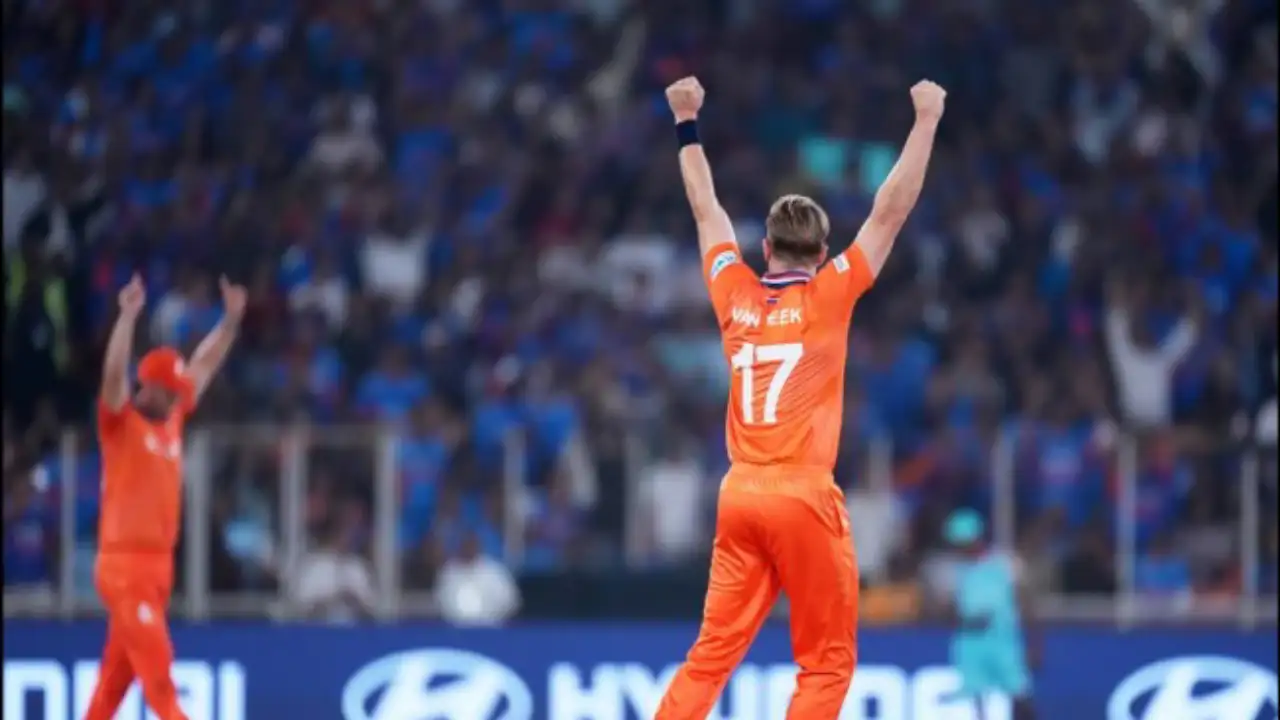
41-year-old Roelof van der Merwe takes stunning diving catch to dismiss Tilak Varma — WATCH
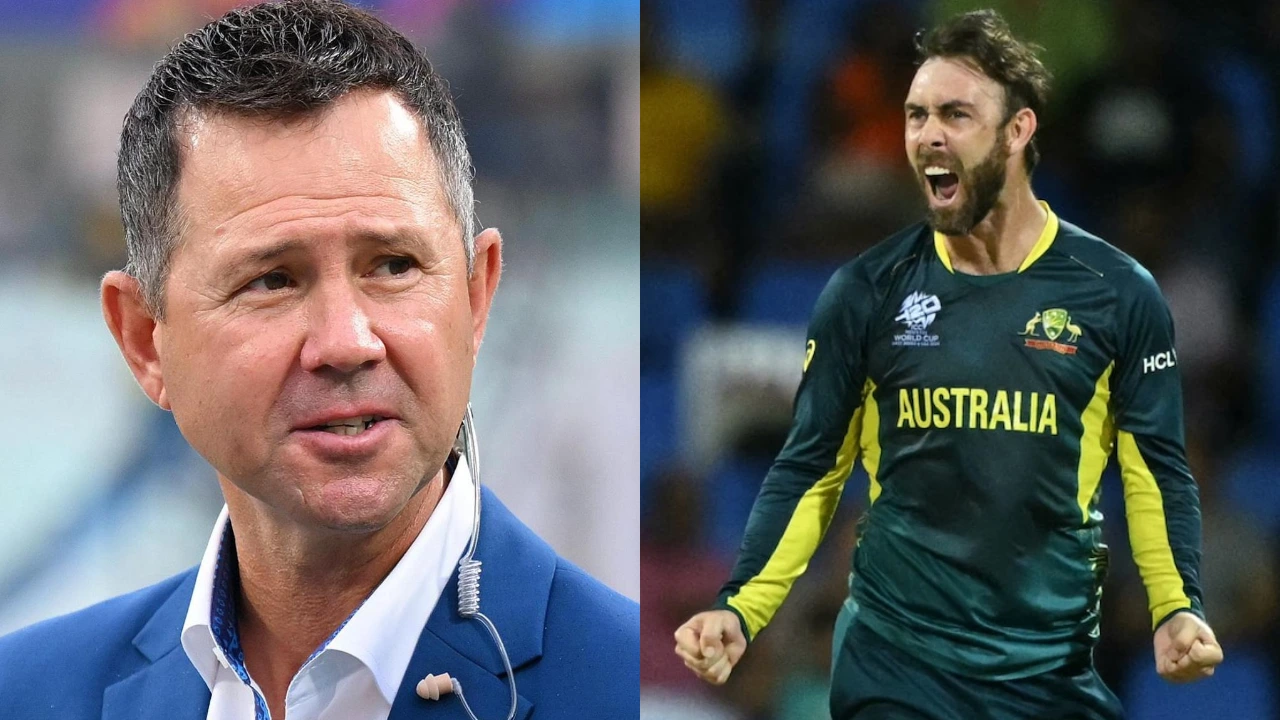
Ricky Ponting drops Glenn Maxwell retirement bomb, angry after Australia’s T20 World Cup horror show
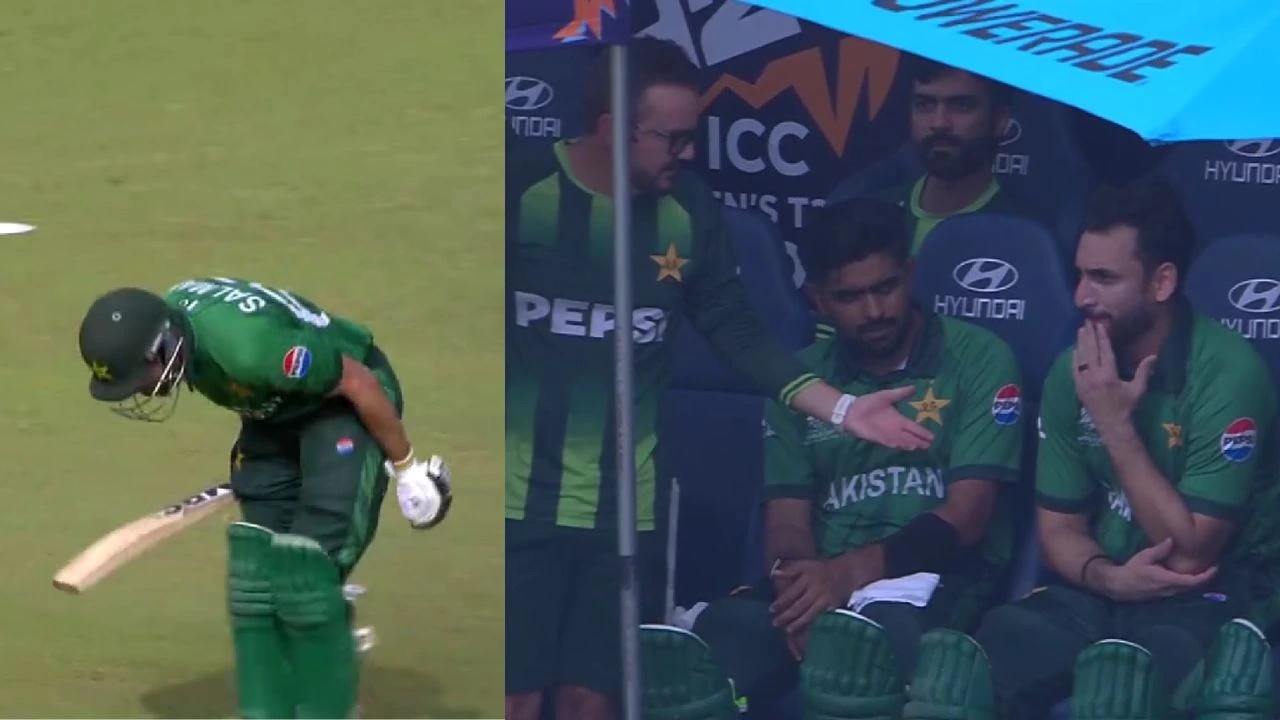
Salman Ali Agha abuses himself after dismissal, demotes Babar Azam and clashes with Mike Hesson
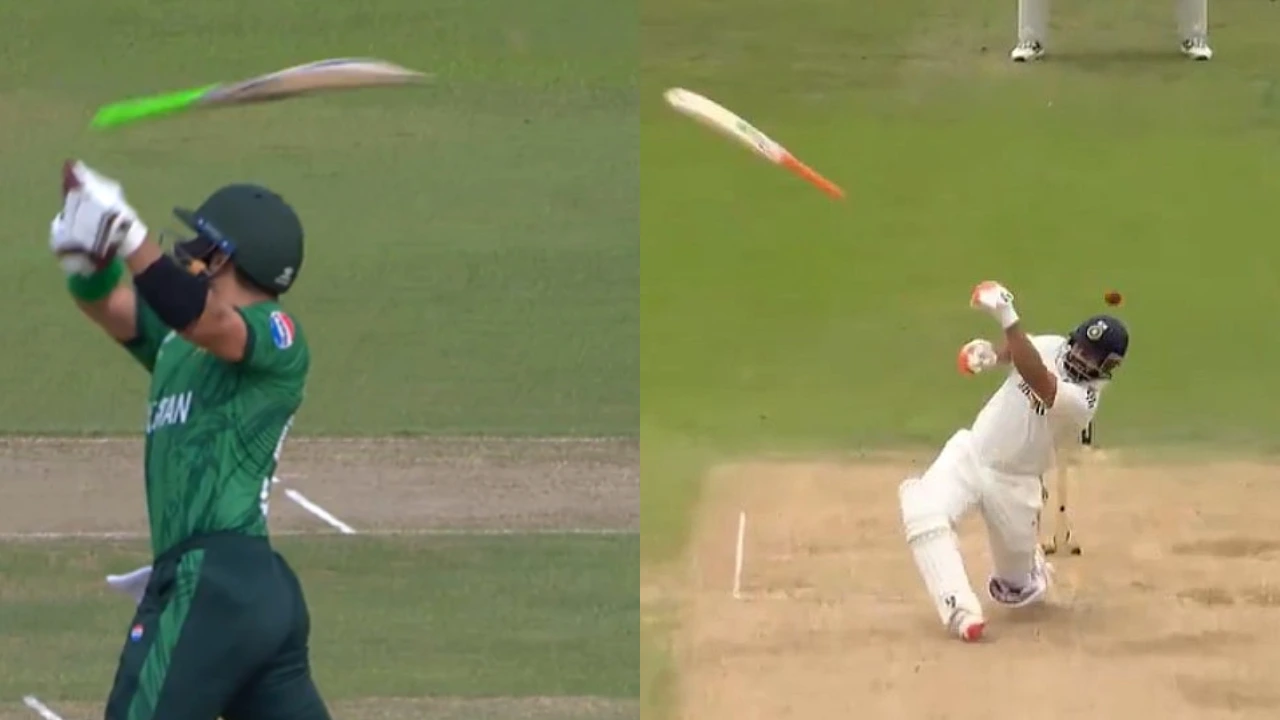
Sahibzada Farhan turns Rishabh Pant, sends bat flying at T20 World Cup 2026
WI vs ITA Match 37 Preview: Free Live Streaming, Pitch & Weather Report, Head-to-Head, Playing XIs | ICC T20 World Cup 2026
WI vs ITA Match Prediction: Who Will Win Game No. 37? ICC T20 World Cup 2026
West Indies Playing XI vs Italy Playing XI, Match No.37 – ICC T20 World Cup 2026
Afghanistan Playing XI vs Canada Playing XI, Match no. 39 – ICC T20 World Cup 2026
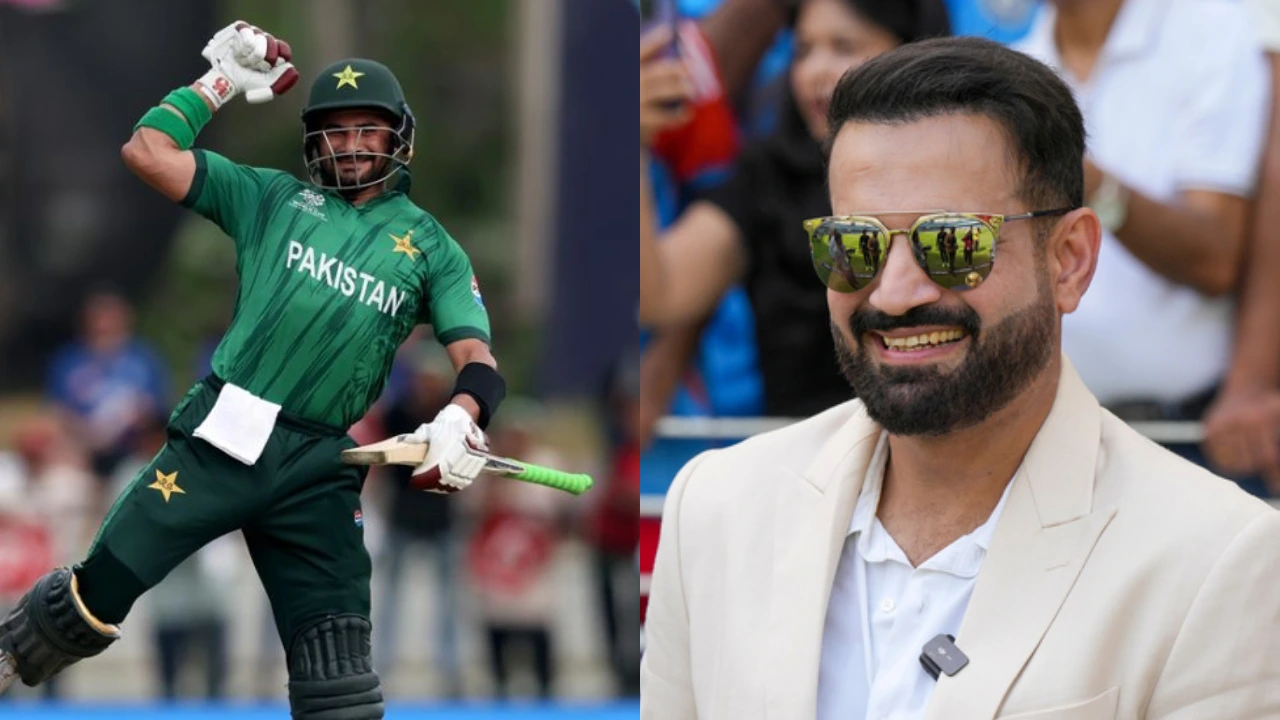
Sahibzada Farhan accused of being selfish by Irfan Pathan after becoming 2nd Pakistani to score a T20 WC century