

Mitchell Starc launches vicious attack on Jay Shah-led board: “Why doesn’t ICC pay for it?”
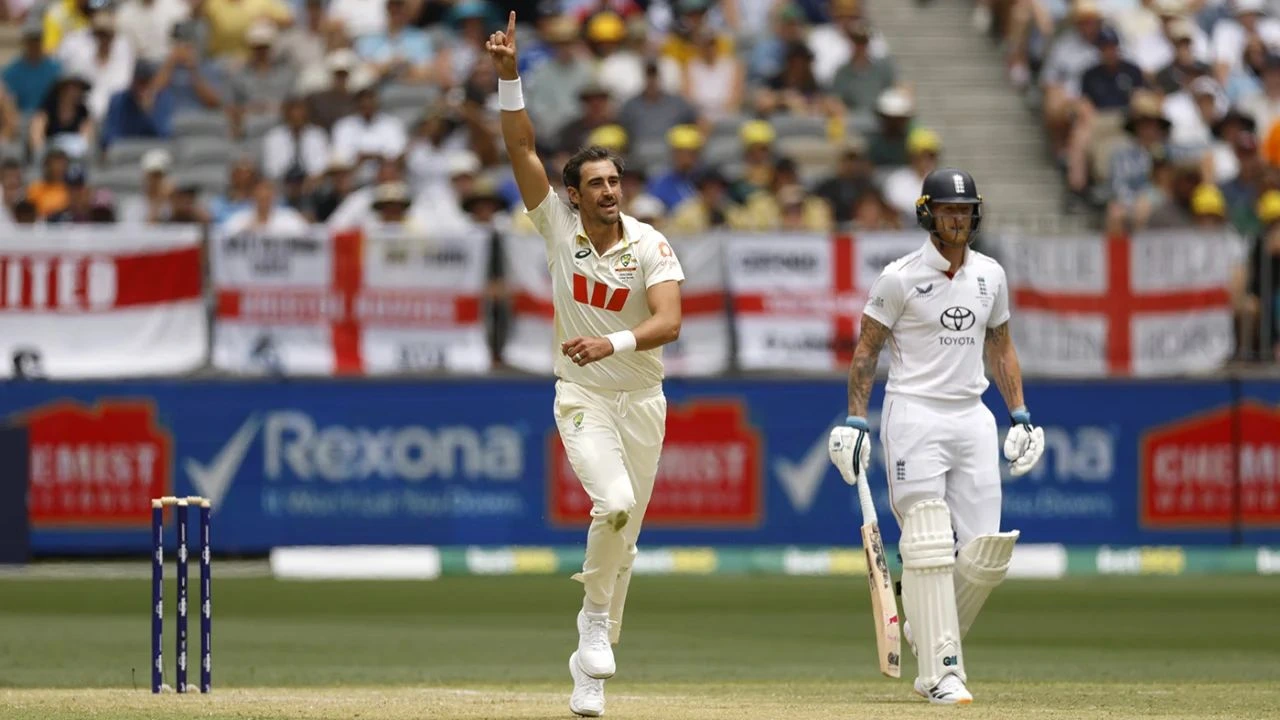
Australian Fast Bowler Mitchell Starc Calls for ICC Action on Decision Review System
Australia fast bowler Mitchell Starc has sparked debate and raised concerns about the Decision Review System (DRS) technology following the controversial moments in the recent Ashes 2025-26 Test against England. Starc specifically pointed out the issues surrounding Real Time Snicko during the Adelaide Test, urging the International Cricket Council (ICC) to take responsibility for ensuring a fair and consistent system.
Controversy Over Real Time Snicko
The tensions over Real Time Snicko escalated during the Ashes series, with a significant incident occurring in the Adelaide Test. England was granted a controversial review after an operator error incorrectly saved Alex Carey on the opening day. The admission of the mistake by Snicko providers, BBG Sports, raised doubts about the system’s reliability and accuracy.
Starc, who was caught criticizing the technology on the stump mic, emphasized the need for the ICC to address the DRS issues. Both the England and Wales Cricket Board (ECB) and Cricket Australia are expected to push for changes and improvements in the DRS system following the contentious moments in the Ashes.
Mitchell Starc’s Call for Accountability
In his statement, Mitchell Starc emphasized the importance of the ICC taking full responsibility for the DRS. He suggested that the ICC should fund the DRS globally and ensure a single technology provider for all international matches to maintain consistency and avoid confusion.
Starc questioned why the burden of funding and selecting technology providers fell on individual cricket boards, emphasizing the need for a unified approach to the DRS system. He highlighted the frustration experienced by viewers, officials, and players due to inconsistencies and errors in the technology.
Australia Captain Pat Cummins’ Concerns
Australia captain Pat Cummins echoed Starc’s sentiments, pointing out noticeable differences in the technology used in the Ashes series compared to other countries. Cummins expressed doubts about the consistency of the system, particularly in comparison to the UltraEdge technology used in different cricketing events.
Despite the concerns raised by players and experts, the DRS technology cannot be altered during a series. As the Ashes series continues with upcoming Tests in Melbourne and Sydney, the debate over the effectiveness and reliability of Real Time Snicko and UltraEdge remains a key topic of discussion.
Future of DRS in International Cricket
Former Australia captain Ricky Ponting weighed in on the debate, advocating for the use of UltraEdge over Real Time Snicko due to its perceived reliability. While the technology may stay unchanged for the remainder of the Ashes series, the ongoing discussions and criticisms from players and officials may prompt the ICC to reevaluate the DRS systems used in international cricket.
As Australia celebrates retaining the Ashes title, the focus now shifts to the Melbourne Test, where the DRS technology and its impact on the game will continue to be under scrutiny. The calls for a standardized and consistent approach to the DRS system highlight the need for transparency and fairness in cricket officiating.
Challenges and Opportunities in Enhancing DRS Technology
While the debate over the reliability of DRS technology continues, there are challenges and opportunities in enhancing the system to ensure accurate decision-making in international cricket. One of the key challenges is the cost associated with implementing and maintaining advanced technology like Real Time Snicko and UltraEdge. The ICC may need to allocate additional funds to standardize the DRS system globally and prevent discrepancies in technology usage.
Moreover, the training and calibration of operators responsible for managing DRS technology play a crucial role in the system’s effectiveness. Proper training and oversight can minimize errors and ensure consistent application of the technology across different matches and series. Collaborating with technology providers to improve the accuracy and reliability of DRS components is essential in addressing concerns raised by players and officials.
The Role of Data Analytics in Predicting DRS Outcomes
Advancements in data analytics and machine learning present an opportunity to enhance the predictive capabilities of DRS technology. By analyzing vast amounts of historical match data, including ball trajectories, impact points, and player behaviors, cricket associations can develop predictive models to anticipate potential review outcomes more accurately. Integrating data analytics tools into the DRS system can provide real-time insights to on-field umpires and teams, aiding in strategic decision-making during matches.
Furthermore, the integration of artificial intelligence (AI) algorithms can help automate the review process and reduce human error in interpreting DRS technology outputs. AI-powered systems can quickly analyze video footage, ball tracking data, and audio cues to assist umpires in making precise decisions on contentious calls. Implementing AI-driven solutions in the DRS system can streamline the review process and enhance the overall efficiency of officiating in cricket matches.
Ensuring Transparency and Accountability in DRS Governance
To address concerns over the consistency and reliability of DRS technology, the ICC must establish transparent governance frameworks and accountability mechanisms for overseeing the system. Regular audits and evaluations of DRS components, software updates, and operator performances can ensure adherence to quality standards and regulations. Engaging cricket stakeholders, including players, coaches, and fans, in the review and feedback process can promote transparency and trust in the DRS system.
Furthermore, promoting collaboration between cricket boards, technology providers, and regulatory bodies can facilitate continuous improvement in DRS technology and practices. Establishing a feedback loop for ongoing monitoring and evaluation of the system’s performance can drive innovation and address emerging challenges in cricket officiating. By fostering a culture of accountability and openness in DRS governance, the ICC can bolster confidence in the integrity and fairness of decision-making processes in international cricket.
Conclusion
In conclusion, the recent controversies surrounding DRS technology have underscored the need for comprehensive reforms and enhancements to ensure consistency and accuracy in decision-making in international cricket. By addressing the challenges, leveraging data analytics, and promoting transparency in governance, cricket authorities can elevate the standards of officiating and uphold the spirit of fair play in the sport. As the debate on DRS technology evolves, collaboration and innovation will be key in shaping the future of cricket officiating and enhancing the overall spectator experience.
Latest News
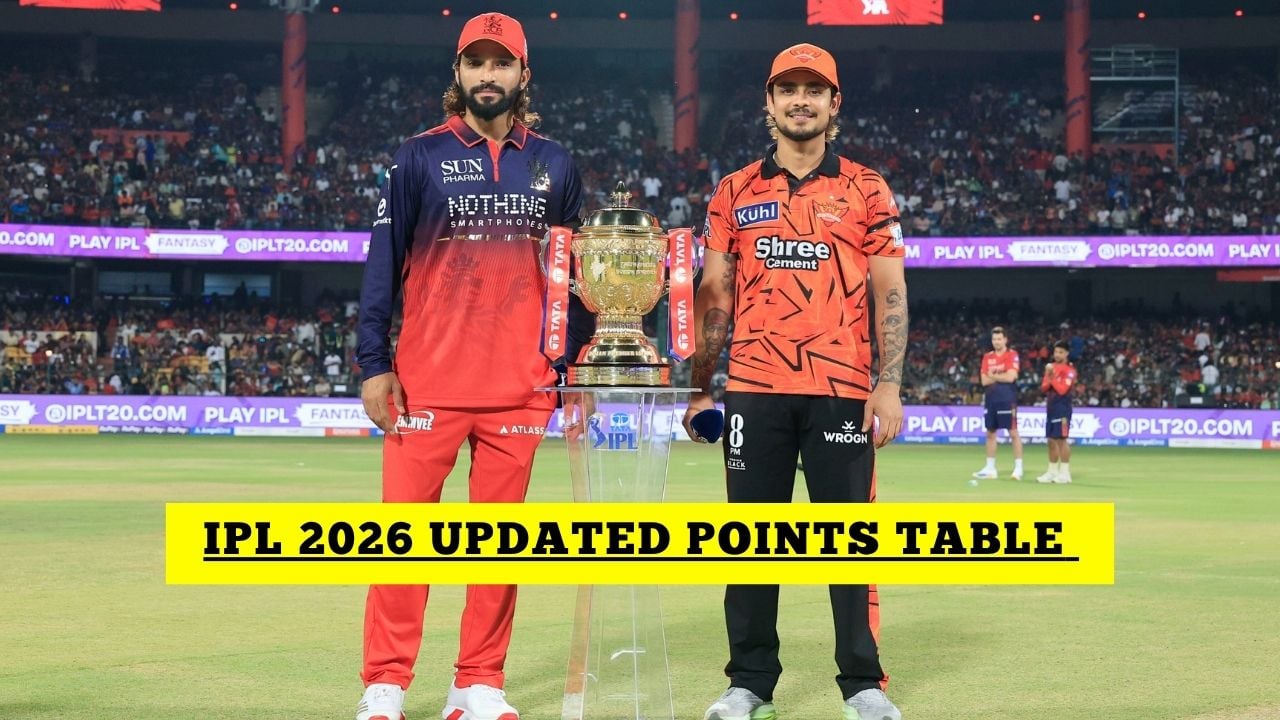
IPL Points Table 2026: Updated Standings, Orange Cap, Purple Cap After RCB vs SRH Match 1
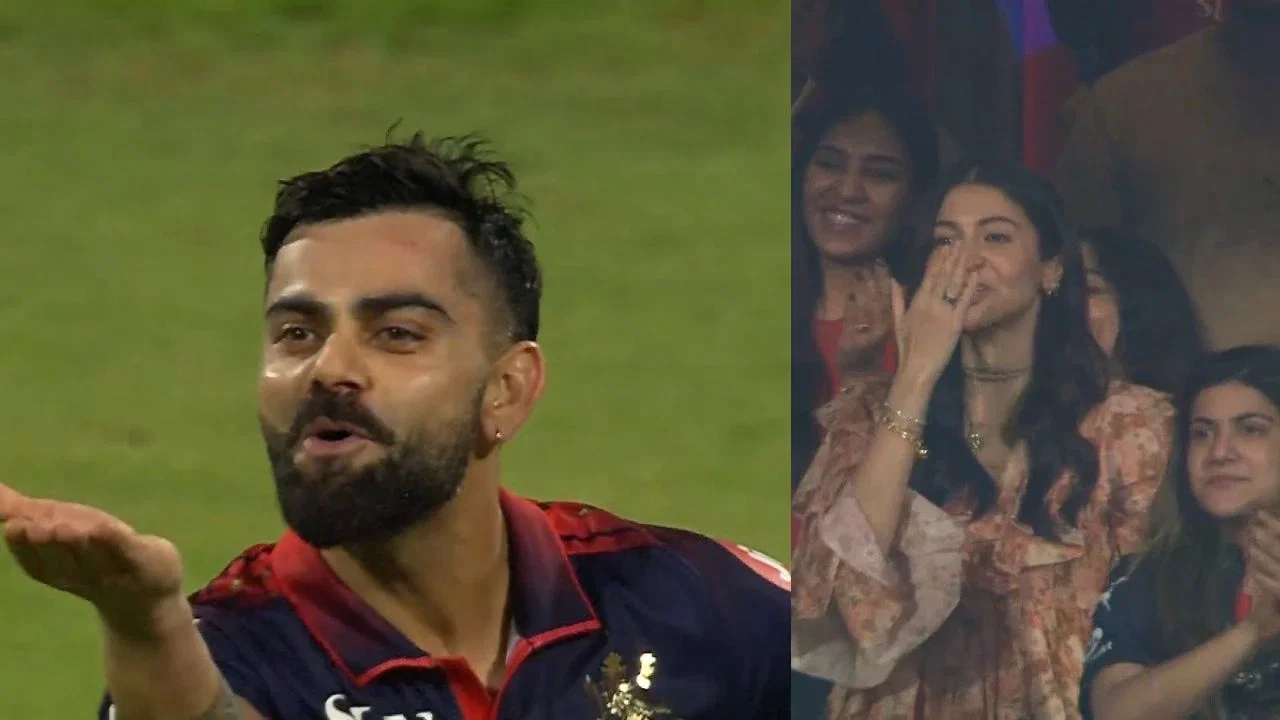
Virat Kohli, Anushka Sharma share adorable flying kiss moment after RCB vs SRH clash
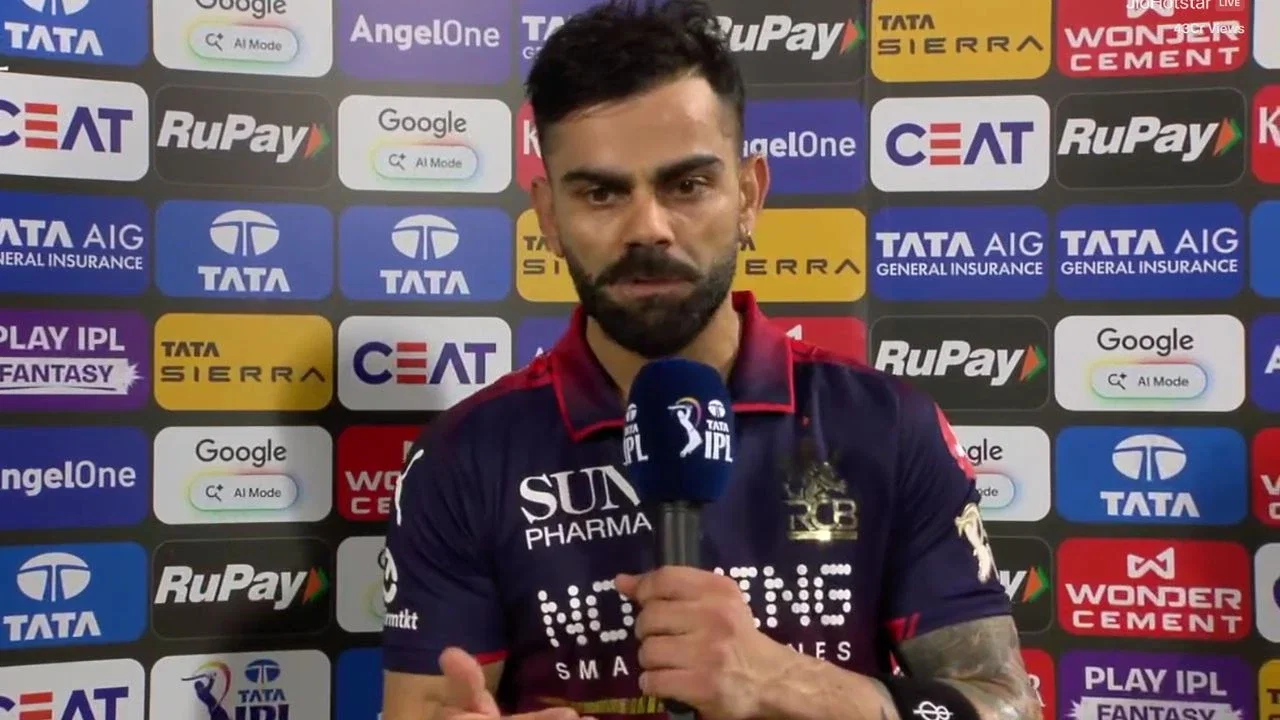
“Absolutely world-class”: Virat Kohli backs Devdutt Padikkal for permanent Team India spot
Rajat Patidar refuses to comment on Virat Kohli; Ishan Kishan admits enjoying after SRH’s loss to RCB

Mumbai Indians suffer blow! Mitchell Santner, Will Jacks ruled out of IPL 2026 games
MI vs KKR Match Prediction – Who Will Win Match No.2? | IPL 2026
Mumbai Indians Playing XI vs Kolkata Knight Riders Playing XI- Match No. 2 | IPL 2026
MI vs KKR Match 2 Preview: Free Live Streaming, Pitch & Weather Report, Head-to-Head | IPL 2026

Not English cricket! Jos Buttler credits IPL for his success as a cricketer
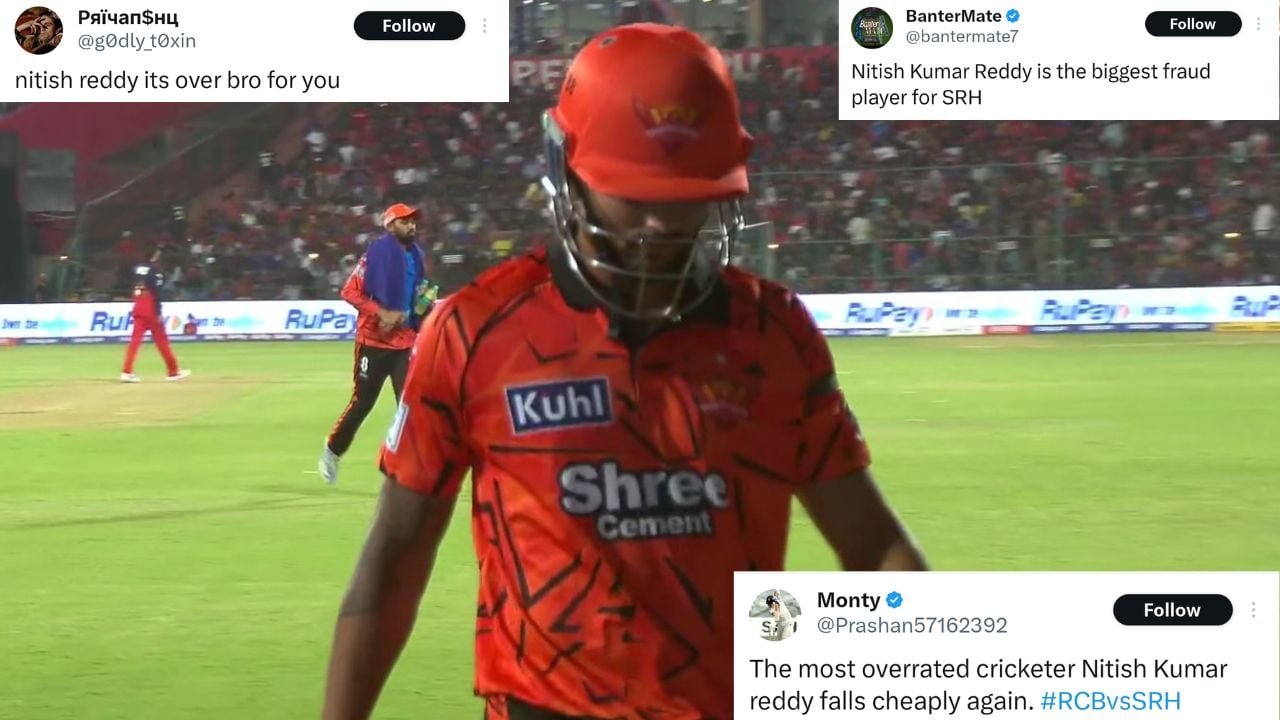
“Nitish Kumar Reddy is biggest fraud”: Fans fume as SRH star fails vs RCB in IPL 2026 opener
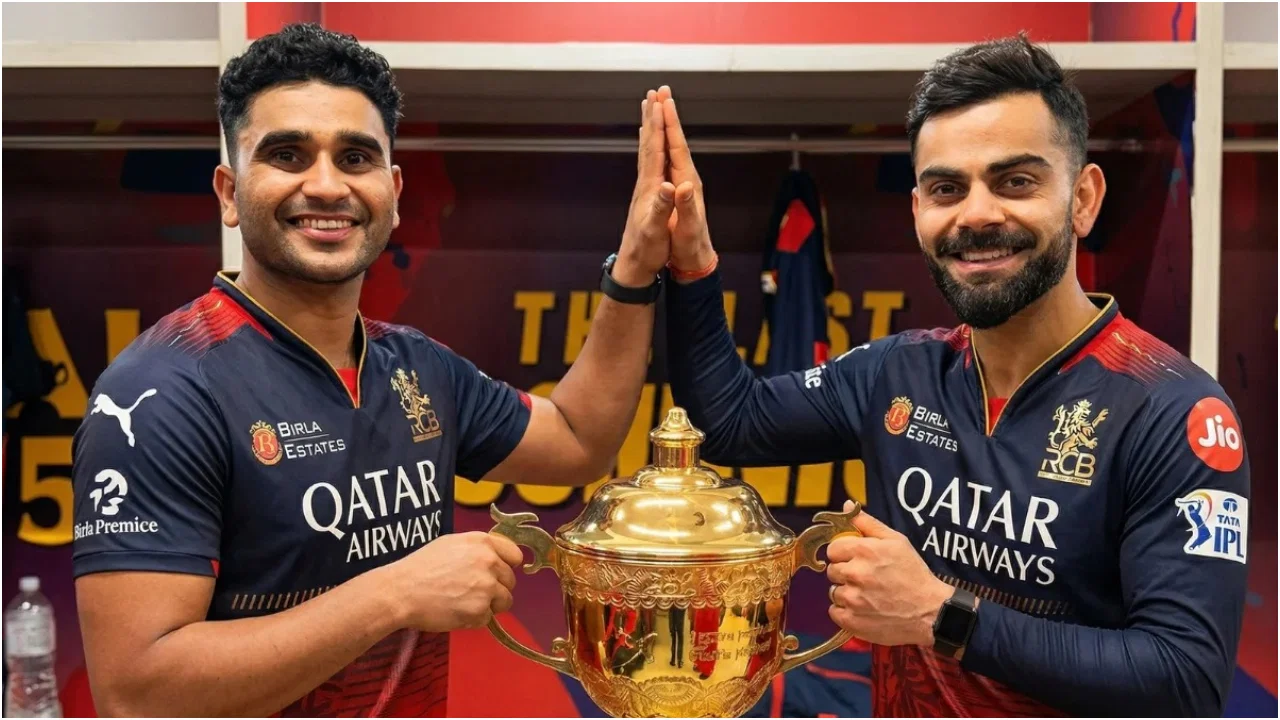
Who is Abhinandan Singh? The Virat Kohli troublemaker who made his IPL debut for RCB vs SRH
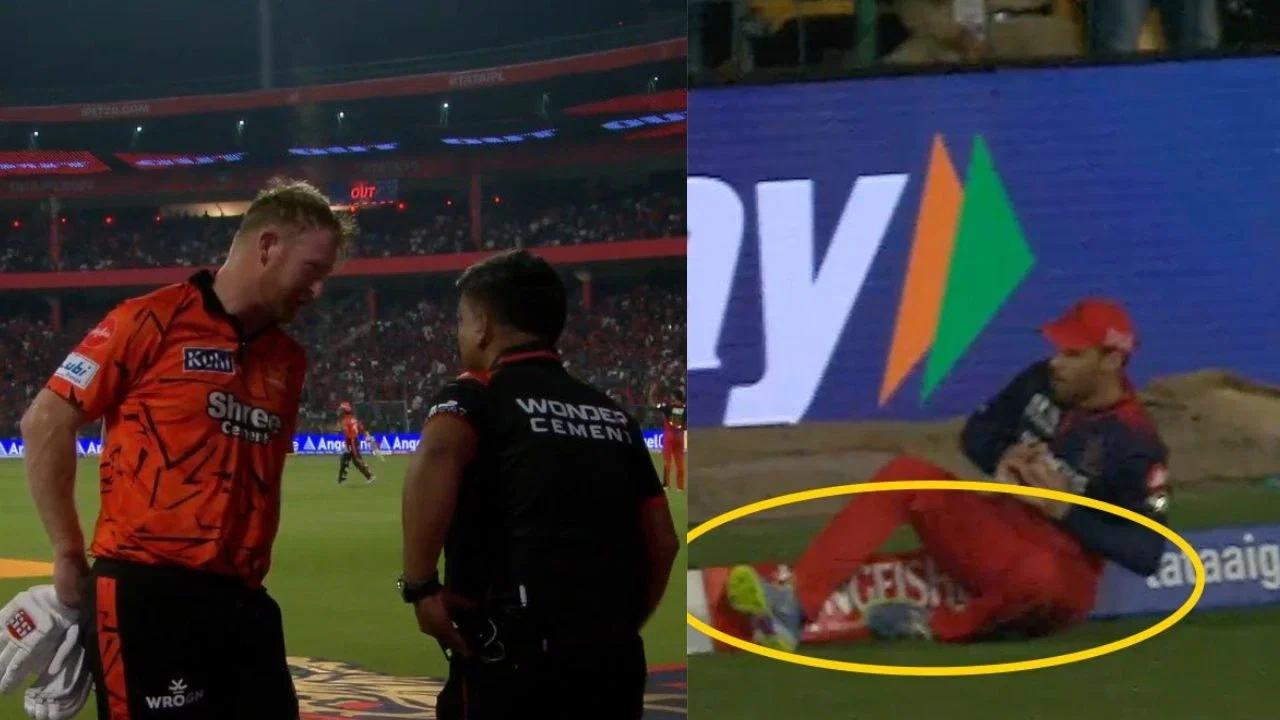
Heinrich Klaasen engages in heated chat with 4th umpire after Phil Salt’s controversial catch in IPL 2026
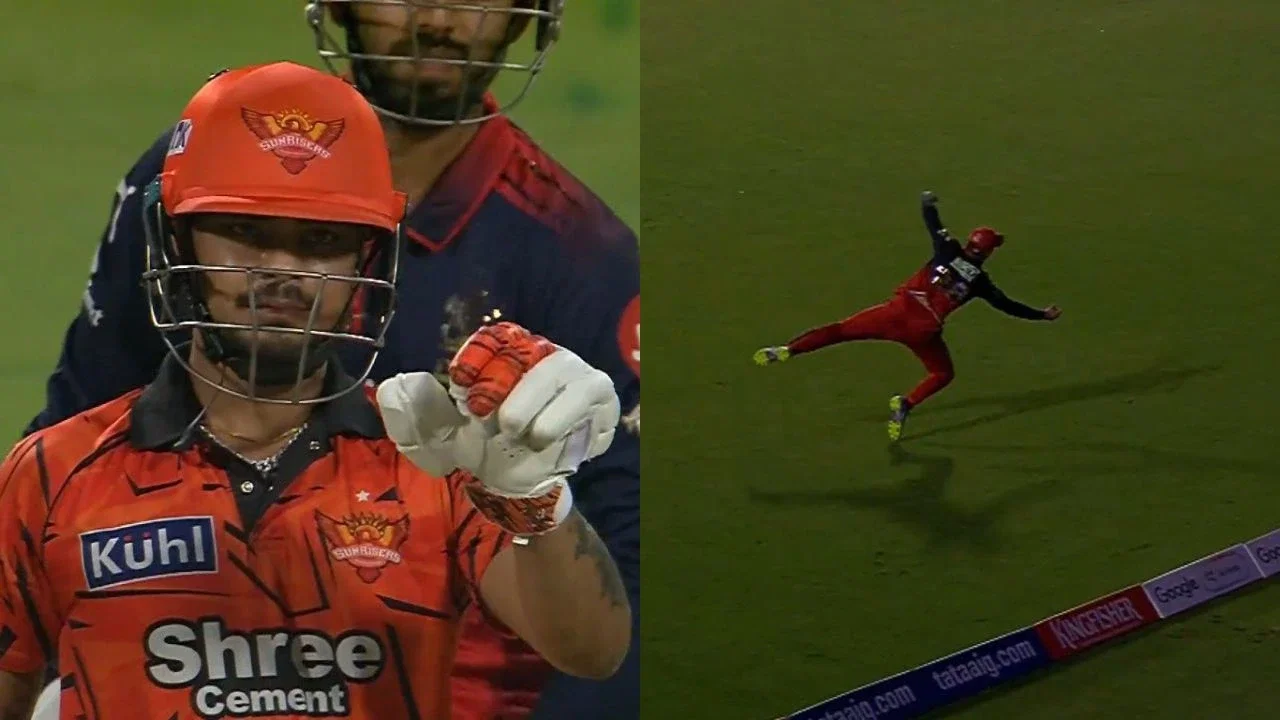
Phil Salt grabs one of the greatest catches in IPL history to dismiss Ishan Kishan
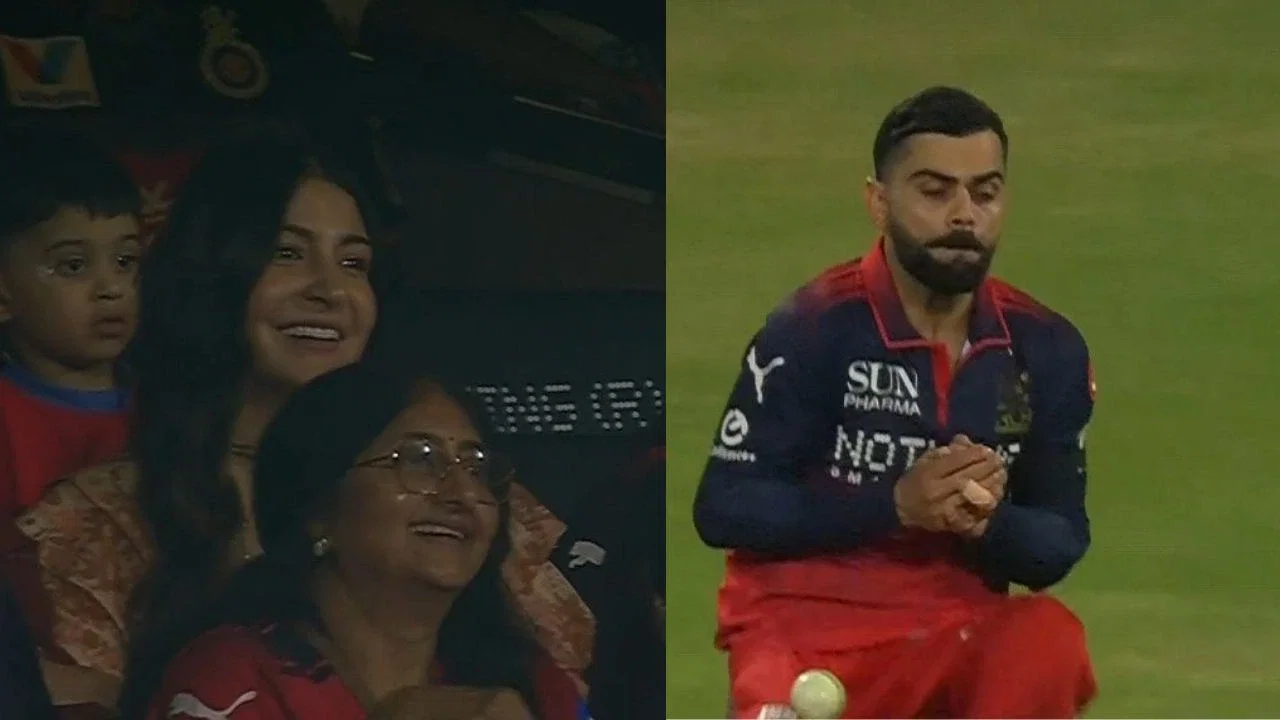
Anushka Sharma laughs as Virat Kohli drops a sitter in RCB vs SRH clash (Watch Video)

