Mohammad Amir announces Salman Ali Agha’s sacking after troubling Abhishek Sharma
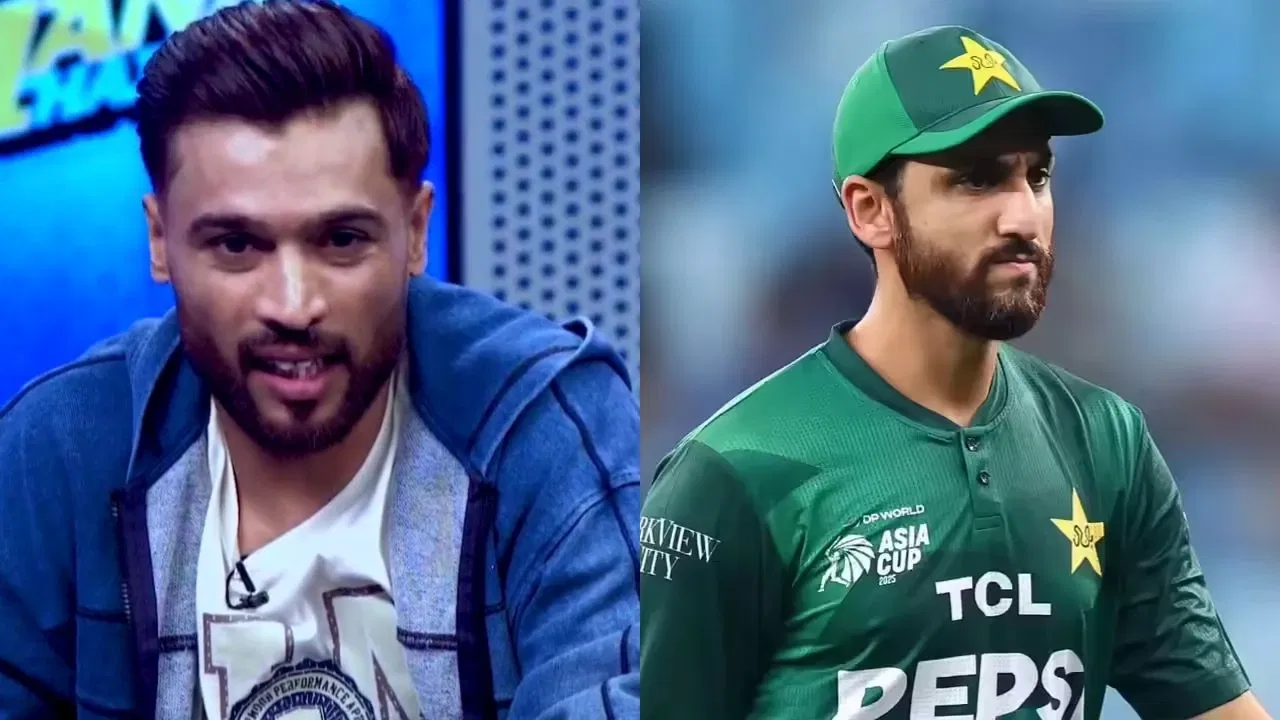
Pakistan’s T20 World Cup Exit Raises Questions About Captaincy
In a recent episode of the popular Pakistani cricket talk show, ‘Hasna Mana Hai,’ fast bowler Mohammad Amir made a bold prediction that Salman Agha might not continue as the T20I captain for Pakistan after the team’s disappointing exit from the T20 World Cup.
The Early Hopes and the Downward Spiral
Pakistan’s T20 World Cup campaign started with a stroke of luck as they avoided facing the formidable Blackcaps due to a rain washout. However, their luck did not hold up as they failed to capitalize on the opportunity to defeat England, who struggled in subcontinent conditions. The spin-heavy Pakistani attack, led by Shadab Khan, initially showed promise but eventually faltered, allowing the England skipper to dominate and secure victory.
Questions Over Salman Agha’s Captaincy
Salman Agha has faced criticism for his inconsistent batting form and now, his captaincy methods have come under scrutiny. Fans and experts alike have begun questioning his suitability as the T20I captain, especially following the team’s recent loss to England which dashed their hopes of a semi-final spot.
Mohammad Amir’s Prediction
During the talk show, a young fan posed a question to Mohammad Amir about Salman Agha’s future as captain. In response, Amir confidently stated, “I don’t think that Salman Ali Agha will be continuing as the T20I Captain for Pakistan after this T20 World Cup.” He also hinted that this World Cup could mark the end of the road for several players in the team.
Potential Replacements and Controversial Suggestions
With speculation about who could replace Agha as captain, opinions varied. While some suggested ODI skipper Shaheen Afridi as a potential candidate, Amir believed that currently, no one deserved the role. Former captain Rashid Latif added a surprising twist by proposing the return of out-of-favour player Ahmed Shehzad as captain.
Allegations of Bias
Salman Agha’s leadership has also come under fire for alleged bias towards certain players. Ahmed Shehzad accused Agha of favoring Shadab Khan over others, even claiming that Shadab was being preferred over the team’s top T20I spinner, Abrar Ahmed. These accusations have added another layer of controversy to the situation.
In conclusion, Pakistan’s T20 World Cup exit has not only raised questions about the team’s performance but also sparked discussions about the future of the captaincy and potential changes within the squad. As fans eagerly await official announcements, the cricketing world remains abuzz with speculation and anticipation.
The Impact of Pakistan’s T20 World Cup Exit
Pakistan’s exit from the T20 World Cup has reverberated throughout the cricketing community, with fans and analysts dissecting the team’s performance and leadership. The disappointing campaign has highlighted underlying issues within the squad that need to be addressed moving forward.
Performance Analysis and Player Form
One of the key factors contributing to Pakistan’s downfall in the T20 World Cup was the inconsistent performance of key players. While the spinners initially posed a threat to opposition batsmen, their effectiveness waned as the tournament progressed. Additionally, the batting lineup struggled to build partnerships and post competitive totals, putting extra pressure on the bowlers.
Players like Babar Azam, who is considered one of the best batsmen in the world, failed to deliver consistently throughout the tournament. His lack of impactful performances raised questions about his ability to lead the team and anchor the innings in crucial moments. Similarly, the form of veteran players like Mohammad Hafeez and Shoaib Malik came under scrutiny as they failed to make significant contributions when it mattered most.
Leadership Challenges and Team Dynamics
Salman Agha’s captaincy has been a subject of intense debate following Pakistan’s early exit. While he has shown flashes of tactical acumen and leadership qualities, his decision-making under pressure has been questionable. The team’s inability to close out games and capitalize on winning positions reflects a lack of confidence and clarity in their approach.
Moreover, the alleged favoritism and bias towards certain players have created rifts within the team, affecting unity and morale. The accusations of player preferences and selection controversies have further complicated the situation, leading to speculation about the team’s overall harmony and cohesion.
Rethinking the Captaincy and Squad Composition
As Pakistan looks to regroup and rebuild after their T20 World Cup disappointment, the focus will inevitably shift towards identifying the right leadership and making necessary changes in the squad. The decision-makers will have to carefully assess the captaincy situation and consider candidates who can inspire confidence, instill discipline, and lead by example on the field.
In addition to addressing the leadership issue, Pakistan will also need to rethink their squad composition and selection criteria. Emphasizing performance consistency, strategic planning, and adaptability to different conditions will be crucial in shaping a competitive and well-balanced team for future tournaments.
Looking Ahead: Redemption and Renewal
Despite the setbacks and challenges faced by Pakistan in the T20 World Cup, there is a sense of optimism and determination to bounce back stronger. The team’s resilience and ability to learn from their mistakes will be tested in the coming months as they prepare for upcoming series and competitions.
Ultimately, Pakistan’s T20 World Cup exit serves as a wake-up call for introspection, introspection, and transformation. By addressing the underlying issues, fostering a culture of accountability and teamwork, and harnessing their potential, Pakistan can pave the way for a successful resurgence in the international cricketing arena.
Latest News
Ben Duckett opts out from IPL 2026, set to face ban
“Players will prevail”: Sourav Ganguly’s drops big verdict on ‘Impact Player’ rule ahead of IPL 2026
“Players will prevail”: Sourav Ganguly’s drops big verdict on ‘Impact Player’ rule ahead of IPL 2026
3 LSG players who could struggle in IPL 2026 – ft Rishabh Pant
Rinku Singh gets major role for KKR ahead of IPL 2026
RCB gets new buyer ahead of IPL 2026, sold to…..
KKR take massive step to honour Andre Russell forever
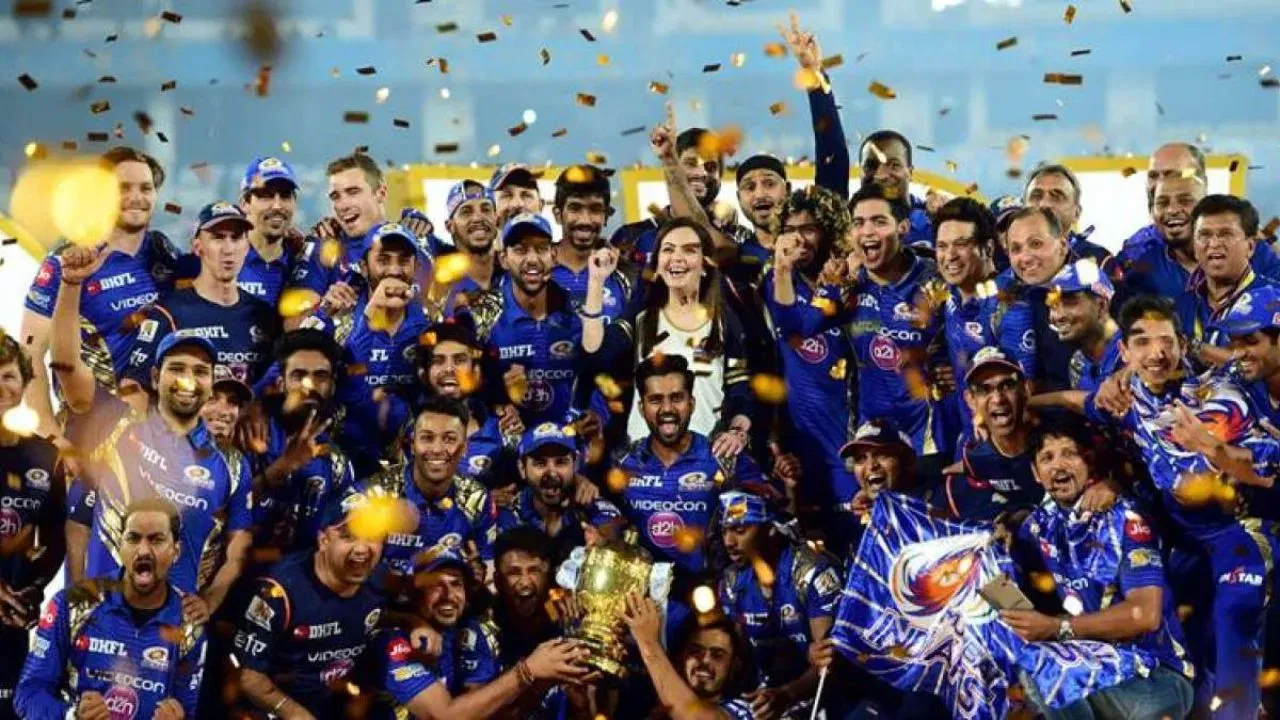
“Mumbai Indians are winning it” – Ex-England captain makes bold prediction for IPL 2026
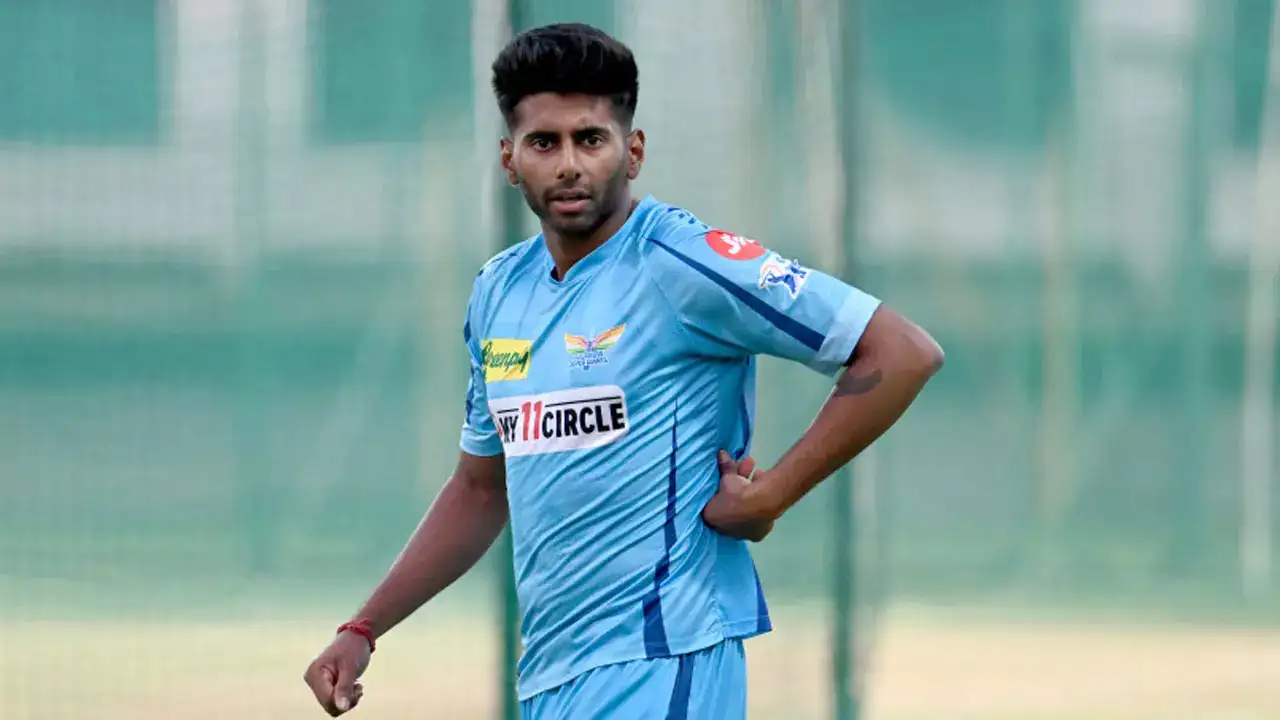
Mayank Yadav reveals real story behind his recovery and Sanjiv Goenka’s support
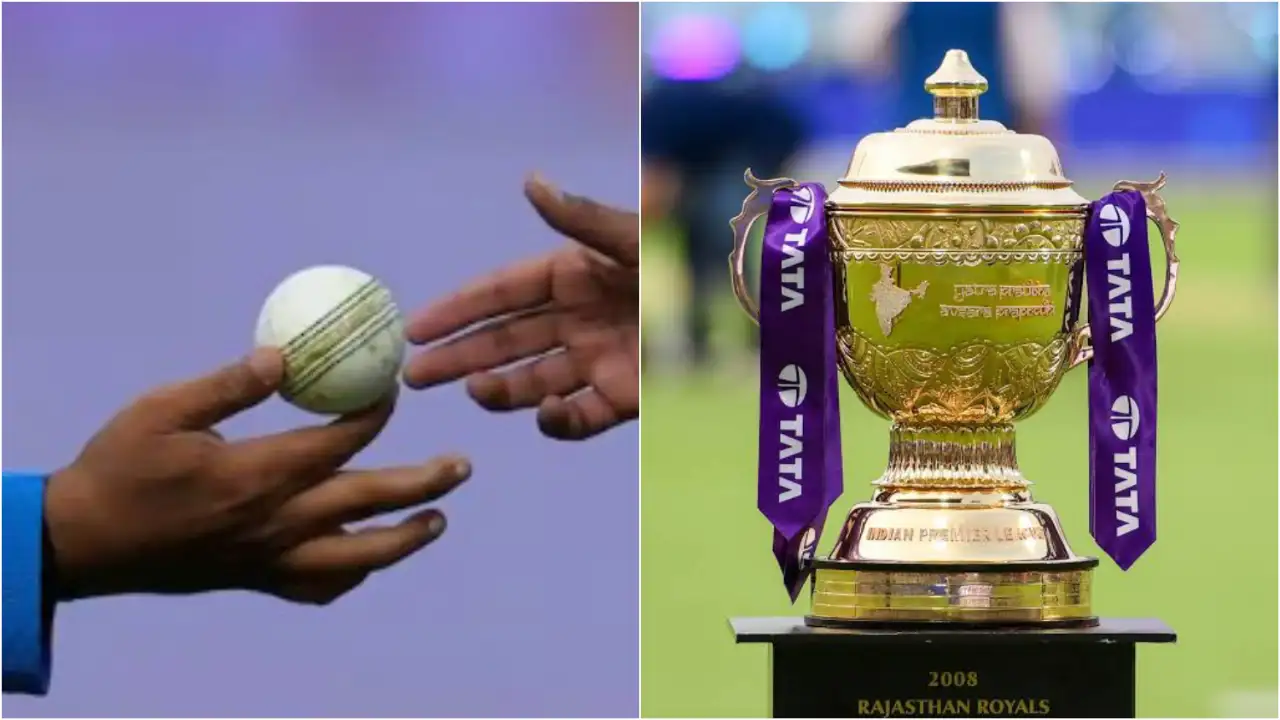
IPL 2026 ball change rule explained
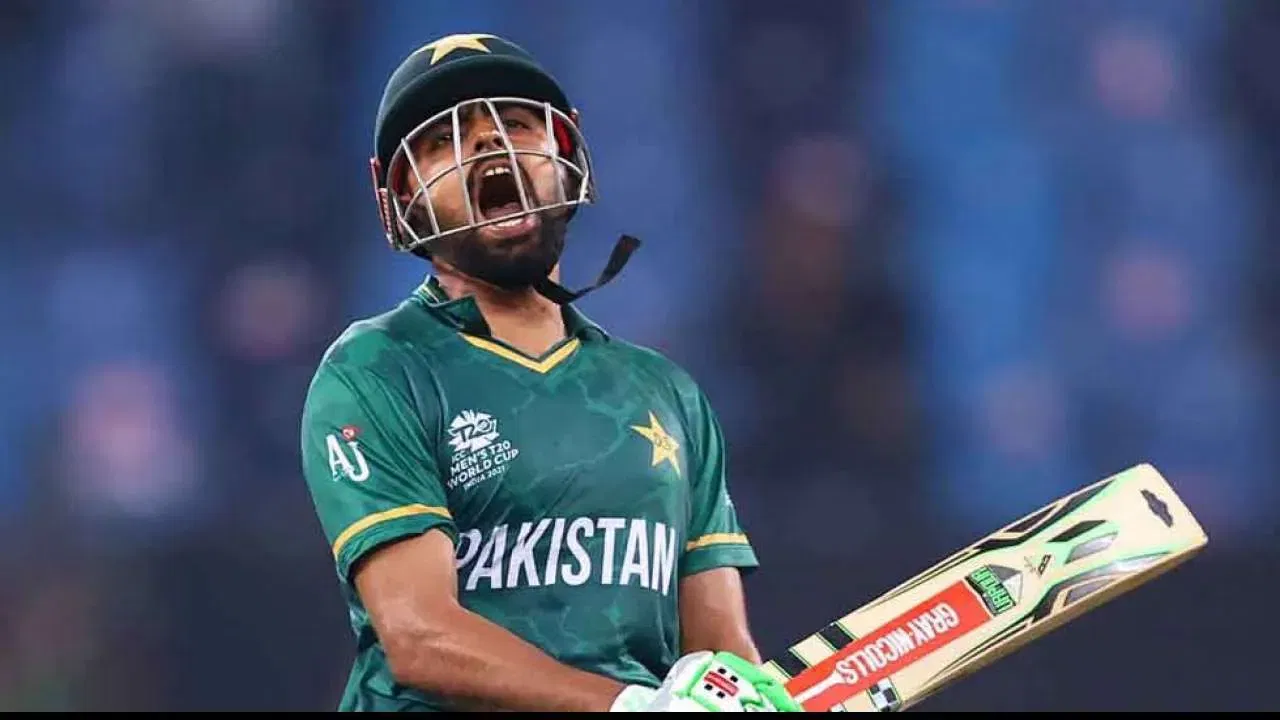
Ottis Gibson reveals plan to revive Babar Azam’s confidence ahead of PSL 2026
Liam Livingstone survives as Rob Key confirms England spot after shocking interview claims
Kevin Pietersen credits RCB and IPL for career revival
Ottneil Baartman set to join CSK in IPL 2026 as replacement of….