Mohammad Amir blows lid off Pakistan stars ‘blackmailing’ PCB over central contracts
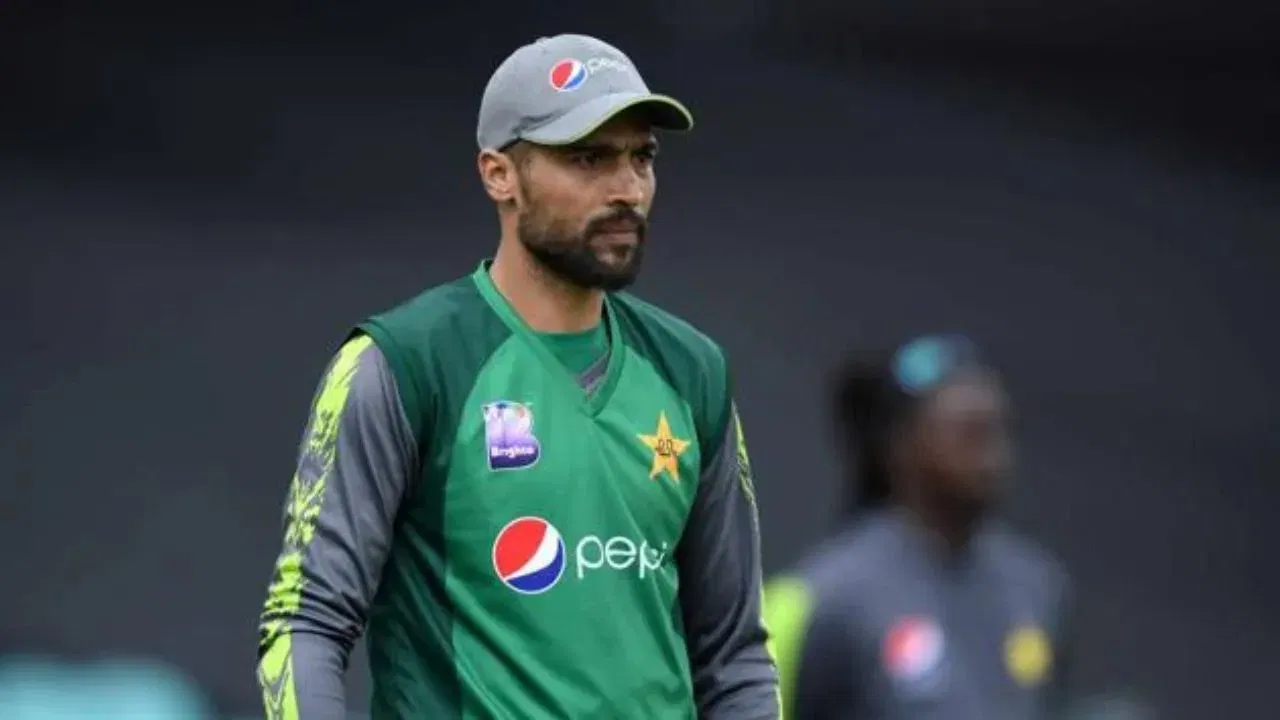
Mohammad Amir Raises Concerns About Players’ Priorities Amid T20 World Cup 2026
After suffering a defeat at the hands of England in the Super 8 round of the T20 World Cup 2026, Pakistan finds itself on the verge of elimination from the tournament. However, amidst the challenging circumstances, former Pakistan pacer Mohammad Amir has made some startling revelations that have sparked controversy within the cricketing community.
Allegations Against Specific Players
Amir, in a recent statement, took a direct aim at certain fans who consistently show unwavering support for particular players. The 33-year-old cricketer emphasized the importance of fans being informed about the incidents that occur behind the scenes within the Pakistan National Cricket Team.
Without explicitly naming any individuals, Amir alleged that there are players who prioritize monetary gains over their responsibilities and duties to the national team. He cited an incident from the past where players had demanded specific salaries and refused to sign central contracts unless their conditions were met.
Impact on Pakistan Cricket Board
According to Amir, the pressure from these players led the Pakistan Cricket Board (PCB) to increase the salary limits of central contracts to meet the cricketers’ demands. Category A salaries were set at 6.5 million per month, while Category B salaries were adjusted to approximately 4.5 million after tax.
Amir expressed his concerns regarding the outcomes of such actions, questioning the justification for defending players who prioritize financial gains over the team’s success. He emphasized the need to hold players accountable for their actions rather than shielding them from criticism.
T20 World Cup 2026 Performance
Meanwhile, Pakistan’s performance in the ongoing T20 World Cup has faced setbacks, with back-to-back challenges in the Super 8 stage. The team’s match against New Zealand was abandoned due to weather conditions, followed by a significant loss to England. The defeat against England put Pakistan’s title hopes at risk, as the Three Lions emerged victorious by 2 wickets in a closely contested match.
With only 1 point in Group 2 after two matches, Pakistan is gearing up to face Sri Lanka on February 28 at the Pallekele International Cricket Stadium in Balagolla. The upcoming match will be crucial for Pakistan to bounce back and stay in contention for a spot in the knockout stages of the tournament.
As the T20 World Cup drama unfolds both on and off the field, Mohammad Amir’s revelations have added a new layer of intrigue to the cricketing world, shedding light on the complex dynamics within the national team and raising important questions about player priorities and accountability.
Impact of Player Priorities on Team Performance
Amir’s allegations have raised concerns about the impact of player priorities on the overall performance of the national team. When players prioritize personal gains over team success, it can create a toxic environment within the squad and hinder their ability to work cohesively towards a common goal. This can be detrimental to the team’s chances of achieving success in high-stakes tournaments like the T20 World Cup.
Player unity and a shared commitment to the team’s objectives are essential for success in international cricket. When individual players prioritize their own interests, it can erode team morale and cohesion, leading to subpar performances on the field. In a sport as competitive as cricket, where teamwork and collaboration are crucial, any discord within the team can have far-reaching consequences.
Balancing Financial Incentives with National Duties
The issue raised by Amir also highlights the delicate balance that players must strike between financial incentives and their responsibilities to represent their country. While it is understandable that players seek fair compensation for their skills and contributions to the team, it is essential that they do not lose sight of the honor and privilege of representing their nation on the international stage.
National team players are not just individual performers; they are ambassadors for their country and role models for aspiring cricketers. Prioritizing monetary gains over team values and national pride can tarnish their reputation and undermine the spirit of sportsmanship that is integral to cricket.
Importance of Accountability in Professional Sports
Amir’s call for holding players accountable for their actions resonates with the broader conversation around accountability in professional sports. Athletes, like individuals in any other profession, should be held to high standards of conduct and professionalism. When players put their personal interests above the team’s goals, it is essential for governing bodies and fans to demand accountability and transparency.
Transparency and accountability are essential for maintaining the integrity of the sport and upholding the values of fair play and sportsmanship. When players are accountable for their actions, it fosters a culture of responsibility and respect within the team, which can ultimately lead to improved performance and success on the field.
Looking Ahead to Pakistan’s Future
As Pakistan navigates through the challenges of the T20 World Cup 2026, the revelations made by Mohammad Amir serve as a stark reminder of the complexities and pressures faced by national team players. The team’s performance in the tournament will not only be a test of their cricketing abilities but also of their unity, resilience, and commitment to representing their country with pride and honor.
It remains to be seen how Pakistan will respond to the issues raised by Amir and whether they can overcome the obstacles to make a strong comeback in the tournament. As fans and stakeholders watch with bated breath, the outcome of the T20 World Cup will undoubtedly shape the future trajectory of Pakistan cricket and underscore the importance of prioritizing team success over individual gains.
Latest News
Josh Hazlewood lands in India before IPL 2026
“Franchises run out of patience”: Irfan Pathan issues strict warning to Mayank Yadav
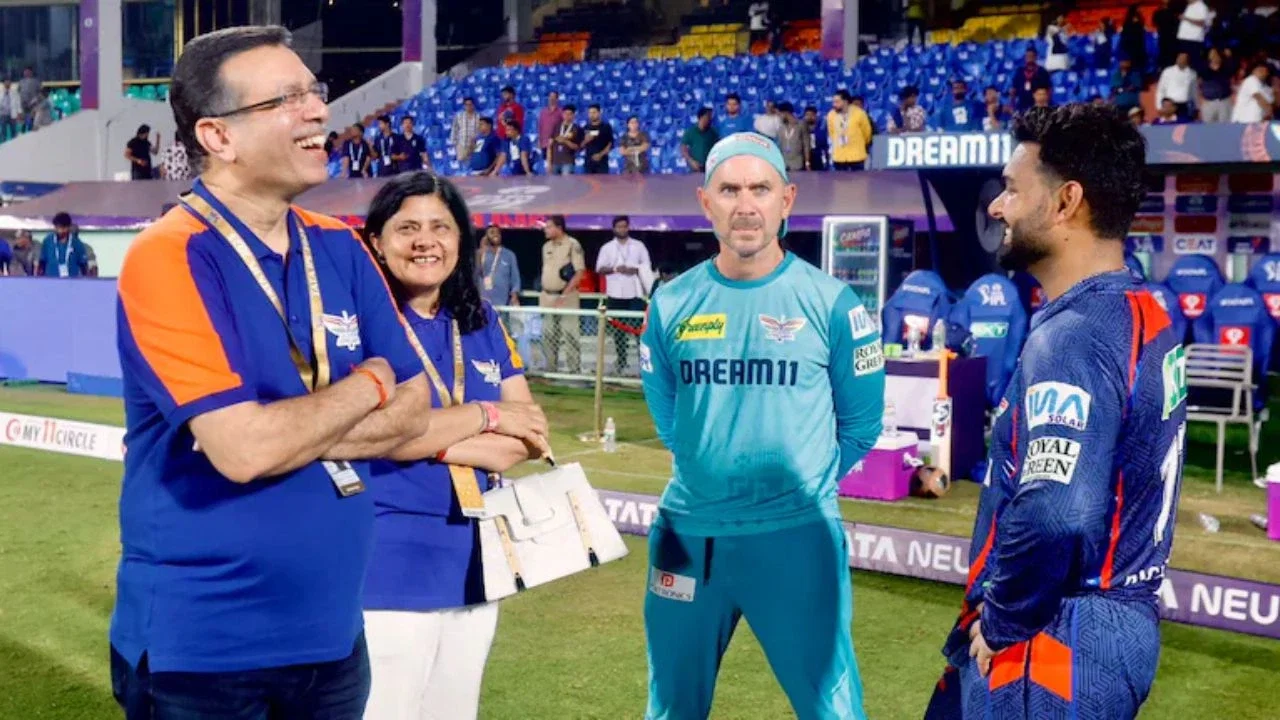
Sanjiv Goenka breaks silence on Rishabh Pant’s rumoured sacking as LSG captain
Revealed: Why BCCI didn’t give BGT matches to Wankhede and Eden Gardens?
Not Virat Kohli! Rajat Patidar reveals Jitesh Sharma helped him most in RCB captaincy
“Does MS Dhoni still have the ability to…” – Ex-CSK star raises serious questions
NOT Virat Kohli! Sourav Ganguly picks greatest ever Indian captain
“Should not play”: CSK legend suggests MS Dhoni to skip IPL 2026
Jitesh Sharma spills secret bond with PBKS owner ahead of IPL 2026
Star CSK spinner signs deal with new team ahead of IPL 2026
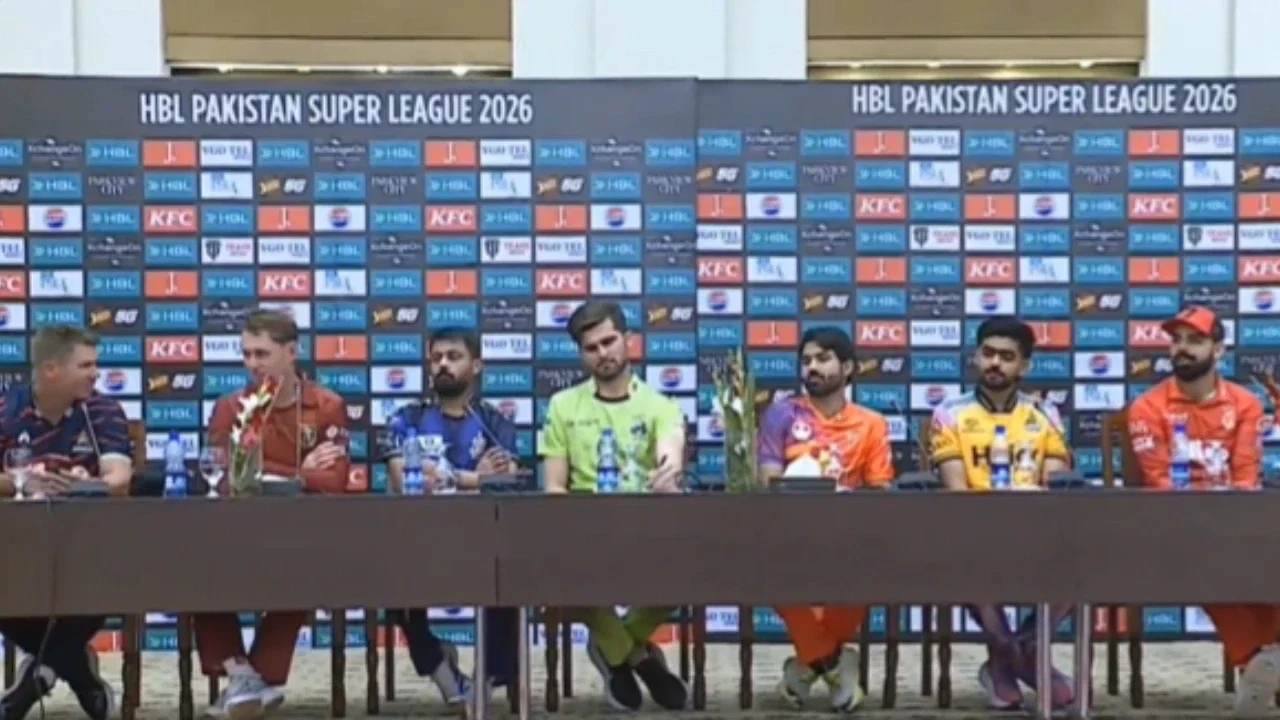
Shaheen Afridi lashed out at journalists after asked about Pakistan Team during PSL press-conference
IPL 2026 full schedule out! BCCI announces second phase fixtures
Virat Kohli’s explosive threat during coach’s conspiracy revealed: “Will beat the living hell out of…”
Dinesh Karthik can become head coach of India, England or Australia: Jitesh Sharma makes bold claim