Mohammad Amir joins fight against 90s cricketers, makes shocking exposé
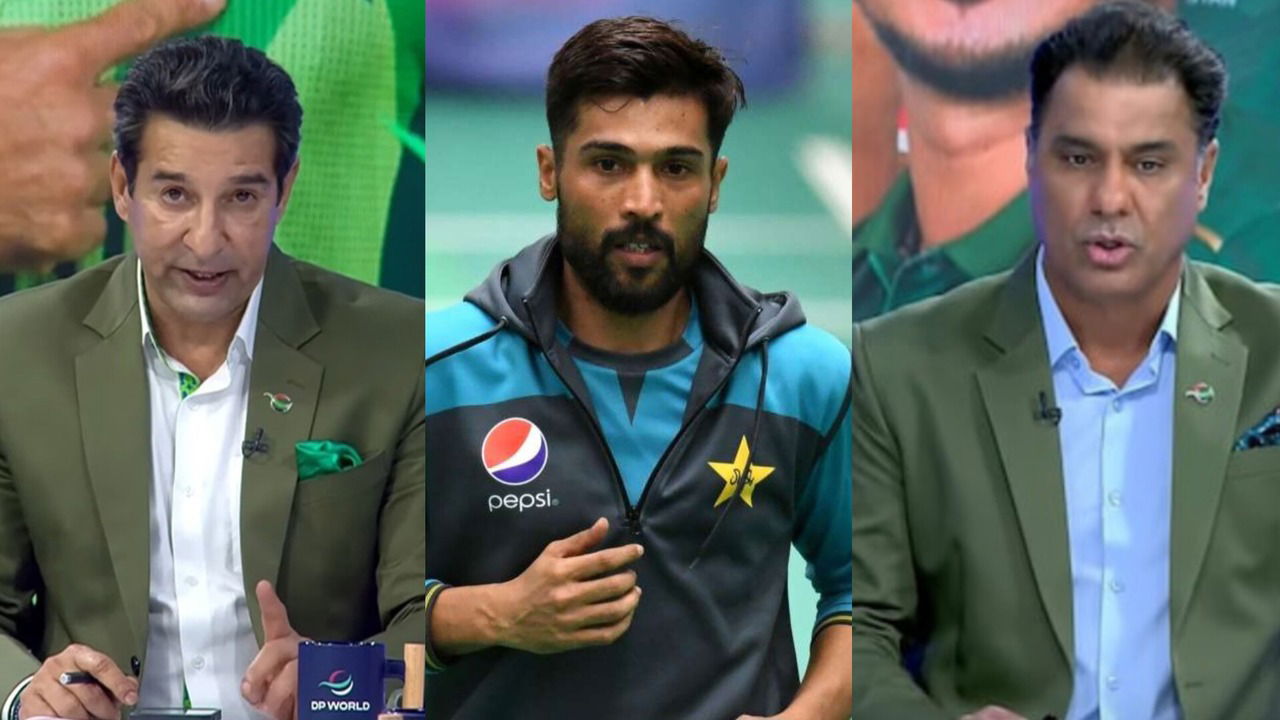
Mohammad Amir Expresses Frustration Over 90s Players in Cricket Management
Former Pakistan cricketer Mohammad Amir recently opened up about his frustrations regarding the influence of players from the 90s in cricket management. He claimed that his exclusion from the New Zealand tour during the COVID pandemic was due to interference from a 90s cricketer in the team’s management.
Blame Game in Pakistan Cricket
After Pakistan’s disappointing performance in the ICC Champions Trophy 2025, tensions within the cricket fraternity escalated, leading to a divide between players from the 90s and other former cricketers. Notably, legends like Wasim Akram and Waqar Younis came under scrutiny for their criticism of the team led by Mohammad Rizwan, which failed to win a single game in the tournament.
As the criticism intensified, former cricketer Rashid Latif called for the exclusion of 90s players from management roles, accusing them of focusing on their past achievements rather than offering practical solutions to current challenges.
Mohammad Amir’s Personal Experience
Amidst the controversy, Mohammad Amir shared his personal experience of being overlooked for the New Zealand tour despite his good performance in domestic cricket. He revealed that a 90s player in the coaching staff played a role in his exclusion, highlighting the challenges faced by modern players due to historical biases.
During a TV appearance, Amir recounted a specific incident where his selection for the tour was questioned despite his impressive on-field performances. He emphasized the need for transparency and merit-based selection processes to ensure fair opportunities for all players.
Call for Constructive Criticism
Amir criticized the tendency of 90s players to focus on their own achievements rather than providing constructive solutions for the current team’s struggles. He urged them to offer practical advice based on their extensive cricketing experience rather than engaging in nostalgic comparisons.
By highlighting the successes of his own era, Amir aimed to showcase that the team he was part of had achieved significant milestones, including drawing a Test series in England, winning the Champions Trophy, and securing top rankings in Test and T20I formats.
Conclusion
As tensions continue to rise within Pakistan cricket due to the ongoing debate between players from different eras, Mohammad Amir’s candid remarks shed light on the challenges faced by contemporary cricketers in navigating historical biases and power dynamics. Moving forward, a balanced approach that values both past experiences and current realities is crucial for fostering a harmonious and successful cricketing environment.
The Evolution of Cricket Management
Cricket, like any other sport, has seen significant changes in its management structure over the years. The transition from players of the 90s to the current generation brings about a clash of perspectives and ideologies. While the players from the 90s have invaluable experience and insights into the game, the modern era demands a fresh approach that aligns with the evolving trends in cricket.
With the advent of T20 cricket and the growing influence of analytics and technology, the game has become more fast-paced and strategic. The demand for innovation and adaptability is higher than ever, requiring a blend of traditional wisdom and contemporary tactics. This shift in the cricketing landscape can create tensions between players from different eras, as seen in the recent controversies within Pakistan cricket.
Bridging the Generation Gap
Instead of engaging in a blame game or divisive rhetoric, there is a need to bridge the generation gap in cricket management. Both the players from the 90s and the current generation have valuable contributions to make towards the development of the sport. By fostering a culture of collaboration and mutual respect, cricket can benefit from a diverse range of perspectives and approaches.
One way to achieve this harmony is through mentorship programs that pair experienced players from the 90s with emerging talents. This not only allows for the transfer of knowledge and skills but also facilitates a deeper understanding and appreciation of each other’s strengths and challenges. By creating opportunities for dialogue and mentorship, cricket can leverage the best of both worlds and create a cohesive and progressive environment.
The Role of Transparency in Selection
Transparency in selection processes is key to addressing concerns of favoritism and bias in cricket management. By establishing clear criteria and guidelines for player selection, the sport can ensure that meritocracy prevails over personal agendas or historical loyalties. This transparency not only enhances the credibility of the selection process but also instills confidence in players that their performances will be fairly evaluated.
Moreover, open communication channels between players, coaches, and management can help mitigate misunderstandings and conflicts. By fostering a culture of transparency and accountability, cricket can uphold the principles of fairness and equality, creating a level playing field for all players, regardless of their background or era of play.
Embracing Change for a Brighter Future
As cricket continues to evolve and adapt to new challenges and opportunities, it is essential for all stakeholders to embrace change and innovation. The sport thrives on diversity, creativity, and resilience, traits that can be cultivated through a harmonious collaboration between players from different eras.
By acknowledging the contributions of players from the 90s while also empowering the current generation to shape the future of cricket, the sport can chart a path towards sustainable success and growth. The key lies in finding a balance between tradition and innovation, experience and experimentation, to create a vibrant and dynamic ecosystem that propels cricket forward into a brighter and more inclusive future.
As Mohammad Amir’s frustrations highlight the complexities of navigating cricket management in a multi-generational context, the lessons learned from this experience can serve as a catalyst for positive change and progress in the sport.
Latest News
Ben Duckett opts out from IPL 2026, set to face ban
“Players will prevail”: Sourav Ganguly’s drops big verdict on ‘Impact Player’ rule ahead of IPL 2026
“Players will prevail”: Sourav Ganguly’s drops big verdict on ‘Impact Player’ rule ahead of IPL 2026
3 LSG players who could struggle in IPL 2026 – ft Rishabh Pant
Rinku Singh gets major role for KKR ahead of IPL 2026
RCB gets new buyer ahead of IPL 2026, sold to…..
KKR take massive step to honour Andre Russell forever
“Mumbai Indians are winning it” – Ex-England captain makes bold prediction for IPL 2026

Mayank Yadav reveals real story behind his recovery and Sanjiv Goenka’s support
IPL 2026 ball change rule explained
Ottis Gibson reveals plan to revive Babar Azam’s confidence ahead of PSL 2026
Liam Livingstone survives as Rob Key confirms England spot after shocking interview claims
Kevin Pietersen credits RCB and IPL for career revival

Ottneil Baartman set to join CSK in IPL 2026 as replacement of….