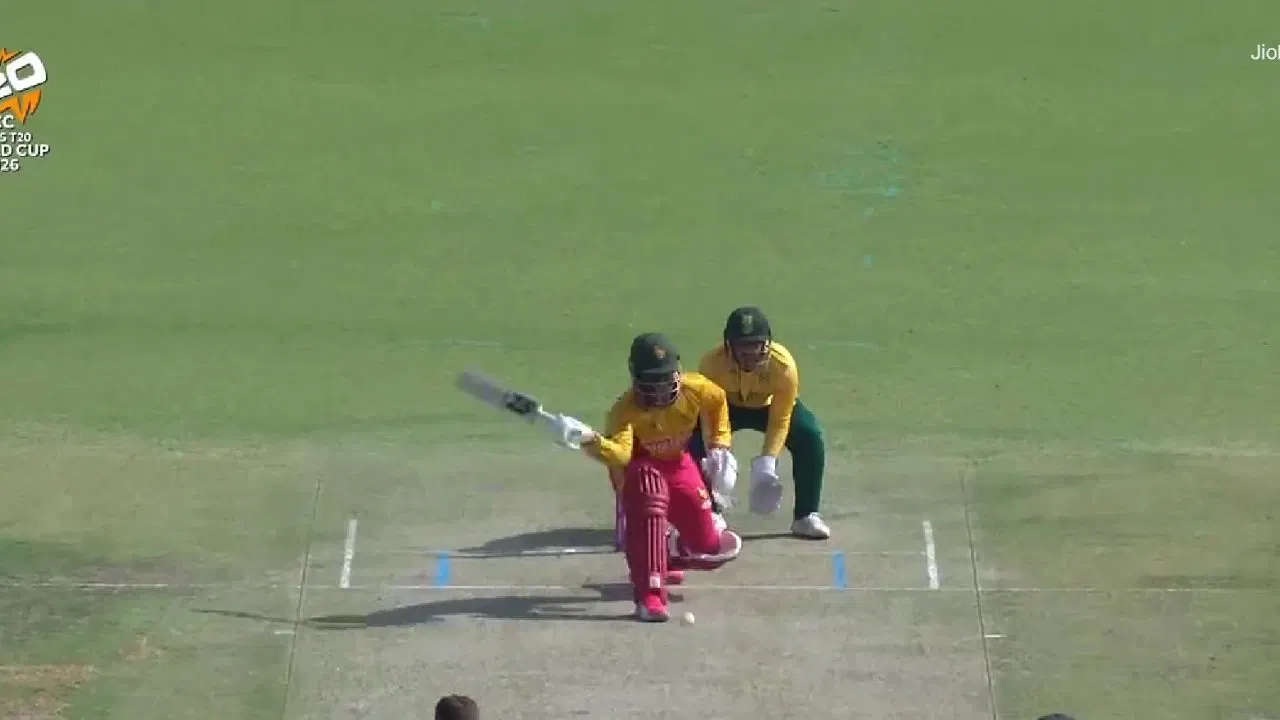
Mohammad Hafeez fires shots at Mohsin Naqvi after Pakistan’s T20 World Cup 2026 disaster
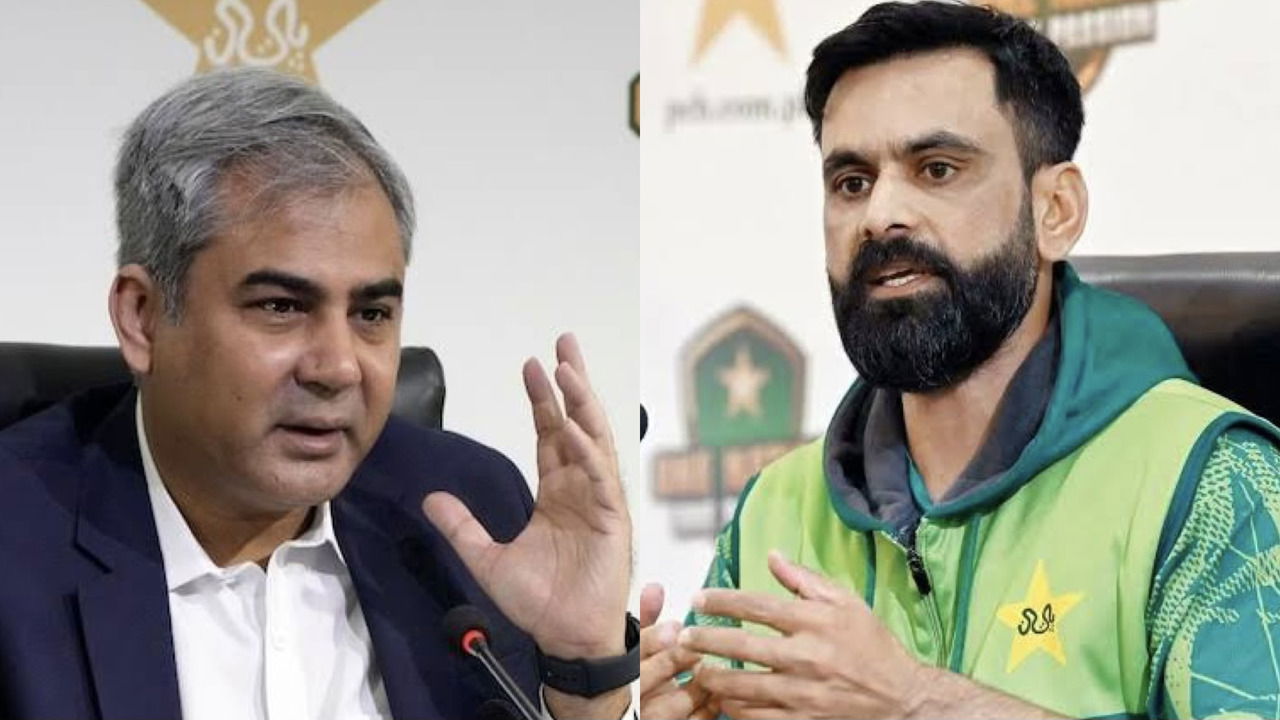
Mohammad Hafeez Criticizes PCB Leadership After T20 World Cup Exit
Pakistan cricket legend Mohammad Hafeez recently launched a scathing attack on the Pakistan Cricket Board (PCB) leadership, specifically targeting PCB chief Mohsin Naqvi.
After the disappointing early exit of the Pakistan cricket team from the T20 World Cup 2026, Mohammad Hafeez did not hold back in expressing his dissatisfaction with the current state of cricket governance in the nation. While some former cricketers like Shoaib Akhtar supported Naqvi, Hafeez took a different stance, accusing the PCB of lacking strong leadership.
Hafeez made his views clear during an interview on Tapmad, where he emphasized the need for a strong character to lead Pakistan cricket forward. He criticized the current PCB setup, referring to them as “job-seekers” who are not focused on the betterment of the game. According to Hafeez, Pakistan cricket needs a leader who is willing to take responsibility and make progressive decisions.
He stressed the importance of accepting failures and taking responsibility for mistakes, rather than shifting blame onto others. Hafeez highlighted the lack of accountability within the board and players, pointing out that true leadership is about acknowledging errors and working towards improvement.
“Those people who go around posing for pictures after a win, where are they today? Will they accept this failure? Will they come forward and say, ‘Yes, we took the decisions, and we made mistakes’? No one will do that. It’s never happened. Blame will be shifted,” Hafeez expressed.
He called for a shift in mentality within the administration and players, urging them to admit their shortcomings and commit to resolving issues. Hafeez emphasized that success can only be achieved through accepting failures and learning from mistakes.
His strong statements have sparked debate within the cricket community, with many fans and analysts weighing in on the state of Pakistan cricket. Hafeez’s criticism has put pressure on the PCB leadership to address the issues raised and work towards building a stronger foundation for the future of the sport in the country.
Saqlain Mushtaq Weighs in on PCB Crisis
In a related development, former Pakistan cricketer Saqlain Mushtaq has also expressed his concerns about the PCB leadership following the T20 World Cup debacle. Mushtaq, a respected figure in the cricketing world, criticized the board for its handling of the team’s performance and player management.
He specifically called out PCB selector Mike Hesson for the poor showing of his son-in-law, Shadab Khan, during the tournament. Mushtaq questioned Hesson’s role in the team’s preparation and decision-making process, highlighting the need for accountability and transparency within the board.
With former players like Hafeez and Mushtaq speaking out against the PCB leadership, the cricketing community is calling for reforms to ensure the future success of Pakistan cricket. The pressure is mounting on the board to address these concerns and take concrete steps towards improvement.
Impact of Mohammad Hafeez’s Criticism
Mohammad Hafeez’s bold criticism of the PCB leadership has not only sparked debate within the cricket community but has also brought to light the deep-rooted issues plaguing Pakistan cricket. As a seasoned player with a wealth of experience, Hafeez’s words carry weight and resonate with fans and analysts alike. His call for accountability and strong leadership has struck a chord with those who are passionate about the game.
It is essential to note that Hafeez’s critique goes beyond just pointing fingers at individuals; it reflects a broader concern about the direction in which Pakistan cricket is headed. By highlighting the lack of responsibility and the tendency to shift blame, Hafeez is advocating for a cultural shift within the cricketing community. His emphasis on learning from failures and working towards improvement is a valuable lesson that can benefit not only the players but also the administrators.
Need for Transparency and Accountability
The involvement of former cricketers like Saqlain Mushtaq adds another layer to the discussion around the PCB leadership crisis. Mushtaq’s focus on accountability and transparency within the board sheds light on the importance of clear communication and decision-making processes. By questioning the role of selectors and highlighting potential conflicts of interest, Mushtaq underscores the need for integrity and fairness in the management of the team.
Transparency and accountability are crucial pillars of good governance in any organization, and cricket boards are no exception. The scrutiny faced by the PCB leadership in the aftermath of the T20 World Cup exit underscores the demand for greater transparency in decision-making and player management. Fans and stakeholders alike are calling for a more open and accountable system that prioritizes the best interests of Pakistan cricket.
Path Forward for Pakistan Cricket
As the pressure mounts on the PCB to address the concerns raised by Hafeez, Mushtaq, and others, there is an opportunity for introspection and reform within the cricketing establishment. The criticism leveled against the leadership presents a chance for reflection and growth, paving the way for positive changes that can benefit the future of Pakistan cricket.
It is essential for the PCB to heed the voices of former players and stakeholders and take proactive steps towards building a stronger foundation for the sport. This may involve reassessing leadership structures, implementing clearer communication channels, and fostering a culture of accountability and transparency. By embracing these changes, the PCB can demonstrate its commitment to excellence and usher in a new era of success for Pakistan cricket.
In conclusion, the criticism voiced by Mohammad Hafeez and Saqlain Mushtaq serves as a wake-up call for the PCB leadership to address existing challenges and work towards a brighter future for Pakistan cricket. By embracing accountability, transparency, and a culture of continuous improvement, the board can set the stage for sustained success and growth in the sport.
Latest News

Life-or-death plea! Jonny Bairstow begs UK PM to rescue England cricketers amid Middle East conflict
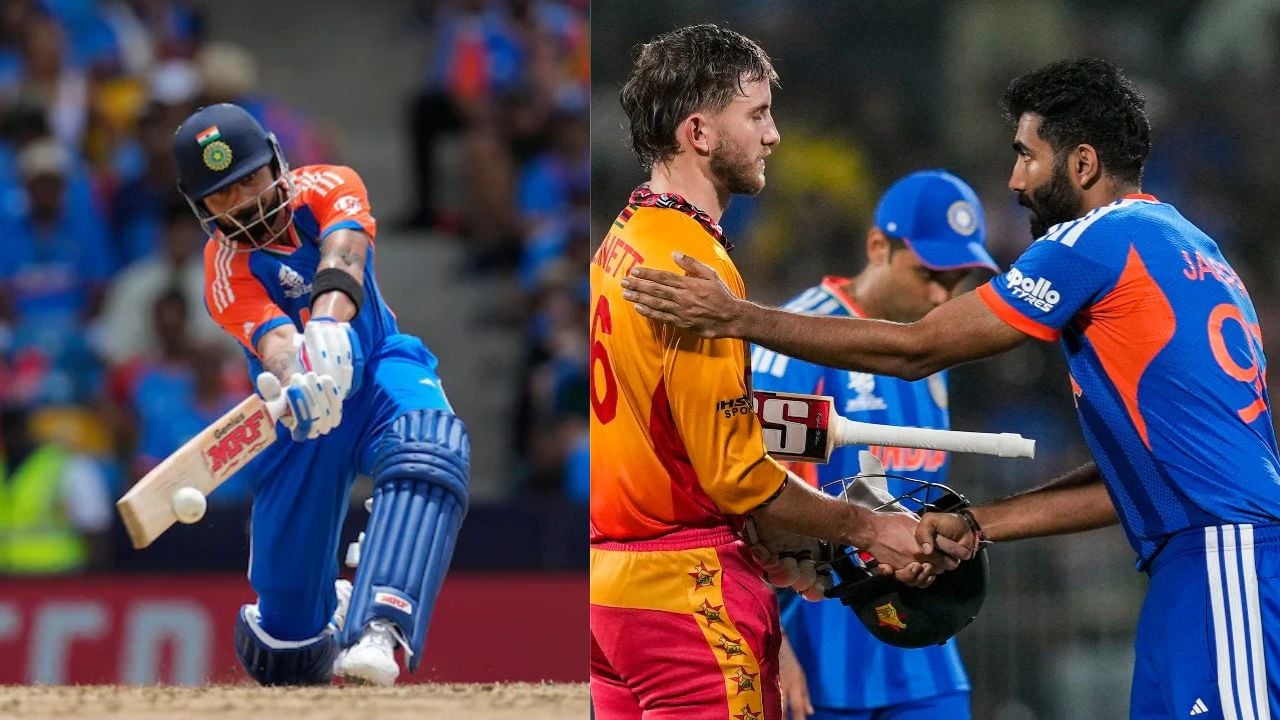
Brian Bennett breaks Virat Kohli’s T20 World Cup record
Moeen Ali goes ballistic, pressures SA20 teams to sign Pakistan players
Temba Bavuma reveals India vs West Indies result early, confirms T20 World Cup semi-finalists
Mohammad Hafeez fires shots at Mohsin Naqvi after Pakistan’s T20 World Cup 2026 disaster
MS Dhoni early career ‘goals’ revealed by Ranji Trophy great ahead of IPL 2026

Ryan Rickelton suffers nasty head injury vs ZIM, doubtful for T20 World Cup 2026 semi-finals
Babar Azam ordered to announce T20I retirement

Unmissable! Mitchell Starc’s reaction to Alyssa Healy’s farewell century goes viral (Watch video)
Pakistan spinner reverses retirement after T20 World Cup early exit
West Indies refuse to play Test cricket against Australia – Here’s why

Varun Chakravarthy dropped? Kuldeep Yadav recalled to India Playing XI to dismantle West Indies
Abhishek Sharma & other stars’ IPL contracts in danger if India lose to West Indies

AB de Villiers piles massive pressure on Abhishek Sharma ahead of IND vs WI clash