Mohammed Shami orders Jay Shah to lift saliva ban
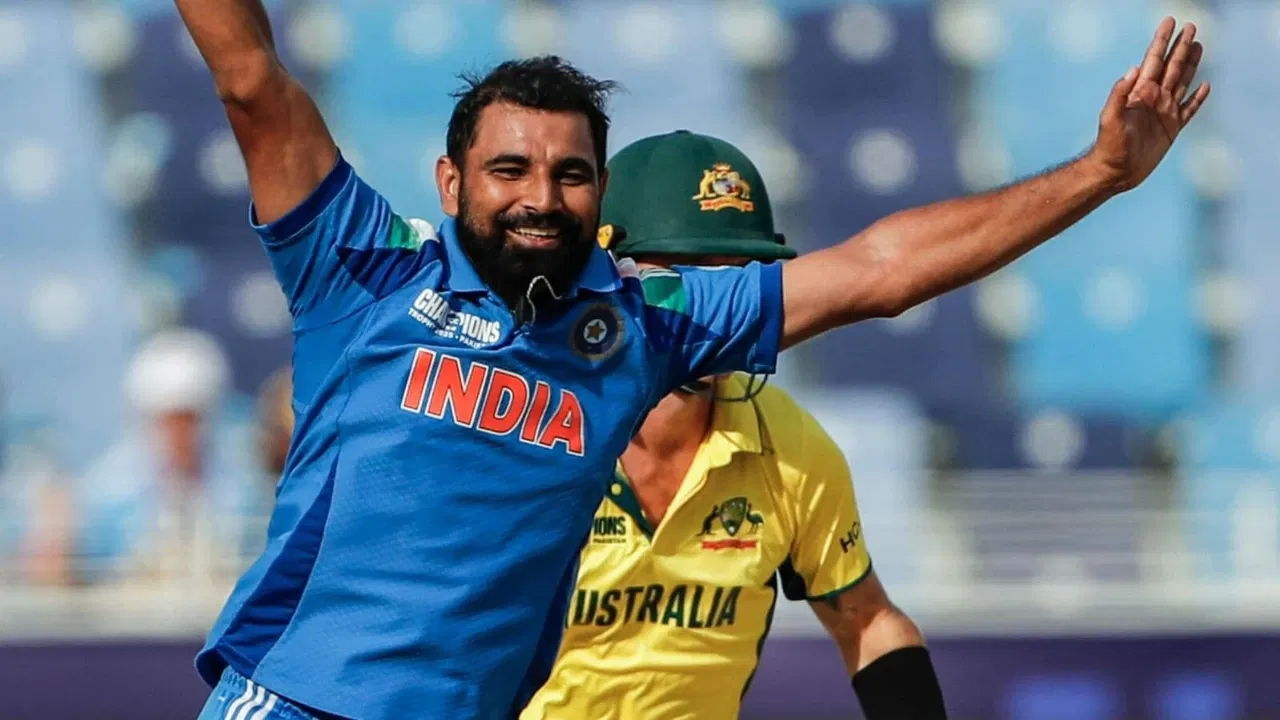
Mohammed Shami Calls for Reconsideration of Saliva Ban to Revive Reverse Swing in Cricket
Indian fast bowler Mohammed Shami recently shared his concerns about the decline of reverse swing in cricket since the ban on using saliva to shine the ball. After the Men in Blue secured a spot in the ICC Champions Trophy 2025 final with a thrilling victory over Australia in the semifinal, Shami emphasized the importance of reconsidering the rule to bring back reverse swing into the game.
The Impact of the Saliva Ban on Reverse Swing
Historically, fast bowlers have relied on saliva to maintain the shine on one side of the ball, enabling them to generate movement in the air. However, following the International Cricket Council’s (ICC) decision to permanently ban the use of saliva to polish the ball in 2022 due to the COVID-19 pandemic, the art of reverse swing has become increasingly rare, particularly in ODIs where two new balls are used from both ends.
Shami was quoted as saying by News18 after the intense semifinal match against Australia, “We are trying to reverse, but you are not getting the use of saliva into the game. We are constantly appealing to allow the use of saliva, and it will be interesting with the reverse swing.”
Challenges of Leading India’s Pace Attack Solo
Shami also opened up about the challenges of spearheading India’s pace attack alone in the ongoing ICC Champions Trophy 2025. With Jasprit Bumrah sidelined due to a back issue, Shami has taken on the responsibility of sharing the new ball with Hardik Pandya. Despite the absence of another frontline pacer, the team opted to stick with four spinners for the tournament.
Having already clinched eight wickets in the tournament, including a crucial three-wicket haul in the semifinal against Australia, Shami expressed his determination to regain his rhythm and contribute more to the team’s success. He emphasized the weight of his responsibility as the main pace-bowler, stating, “It is a responsibility when there are no two proper pacers, and I have to shoulder more responsibility.”
Adapting to the Role
Admitting that his workload has increased in Bumrah’s absence, Shami remains focused on giving his best for the team. Despite the challenges of being the sole frontline pacer alongside an all-rounder, he emphasized the importance of staying focused and making key contributions during crucial phases of the game.
Shami highlighted his strategy, saying, “In white-ball cricket, you don’t need to overthink early on. The real skill adjustments come after 30-35 overs when the game changes.”
As the debate over the use of saliva in cricket continues, Shami’s call for reconsideration of the ban highlights the value of traditional techniques in enhancing the game and providing bowlers with the tools they need to excel on the field.
Reviving Reverse Swing: The Technical Aspect
Reverse swing is a phenomenon in cricket where the ball moves in the opposite direction to conventional swing. It occurs when the polished side of the ball starts behaving differently due to wear and tear, creating movement in the air. Saliva plays a crucial role in maintaining the shine on one side of the ball, allowing bowlers to achieve reverse swing effectively. Without this natural method of shining the ball, bowlers have struggled to generate the same level of movement, leading to a decline in the art of reverse swing.
Former cricketers and experts have echoed Shami’s sentiments, emphasizing the need to reconsider the ban on saliva to preserve the essence of fast bowling. They argue that reverse swing adds an intriguing element to the game, challenging batsmen and showcasing the skill and craft of bowlers. By reintroducing the use of saliva under controlled conditions, cricket authorities can potentially restore the balance between bat and ball, making the game more exciting for players and fans alike.
The Psychological Impact on Bowlers
Beyond the technical implications, the ban on saliva has also had a psychological impact on bowlers. For years, bowlers have relied on traditional methods like shining the ball with saliva to swing it effectively. The sudden removal of this practice has forced bowlers to adapt their strategies and find alternative ways to outsmart batsmen. This adjustment has not only affected the performance of bowlers but has also challenged their confidence and belief in their abilities.
By reconsidering the ban on saliva, cricket authorities can alleviate the psychological burden on bowlers and allow them to focus on their craft without unnecessary restrictions. This move could potentially reignite the passion and creativity of bowlers, leading to a resurgence of reverse swing and a more competitive environment on the field.
Looking Ahead: The Future of Reverse Swing
As cricket continues to evolve, the debate over the use of saliva and its impact on reverse swing is likely to persist. While innovations in equipment and playing conditions have transformed the sport, preserving the traditional aspects of the game remains crucial to its integrity and appeal. Finding a balance between safety protocols and the spirit of cricket is essential in ensuring that the game retains its essence while adapting to modern challenges.
Players like Mohammed Shami serve as advocates for the preservation of traditional techniques, urging authorities to revisit decisions that affect the dynamics of the game. By listening to the concerns of players and experts, cricket governing bodies can make informed decisions that benefit the sport as a whole, fostering a harmonious relationship between tradition and innovation.
In conclusion, the debate over the use of saliva in cricket highlights the importance of striking a balance between tradition and modernity. As the sport navigates through changes and challenges, it is essential to consider the perspectives of players like Mohammed Shami, who understand the intricacies of the game and strive to uphold its core values. By embracing innovation while respecting tradition, cricket can continue to captivate audiences worldwide and inspire generations of players to come.
Latest News
Ben Duckett opts out from IPL 2026, set to face ban
“Players will prevail”: Sourav Ganguly’s drops big verdict on ‘Impact Player’ rule ahead of IPL 2026
“Players will prevail”: Sourav Ganguly’s drops big verdict on ‘Impact Player’ rule ahead of IPL 2026
3 LSG players who could struggle in IPL 2026 – ft Rishabh Pant
Rinku Singh gets major role for KKR ahead of IPL 2026
RCB gets new buyer ahead of IPL 2026, sold to…..
KKR take massive step to honour Andre Russell forever
“Mumbai Indians are winning it” – Ex-England captain makes bold prediction for IPL 2026
Mayank Yadav reveals real story behind his recovery and Sanjiv Goenka’s support
IPL 2026 ball change rule explained
Ottis Gibson reveals plan to revive Babar Azam’s confidence ahead of PSL 2026
Liam Livingstone survives as Rob Key confirms England spot after shocking interview claims
Kevin Pietersen credits RCB and IPL for career revival
Ottneil Baartman set to join CSK in IPL 2026 as replacement of….