Mohammed Shami’s family member fires back as pacer faces vicious attacks amid Roza controversy
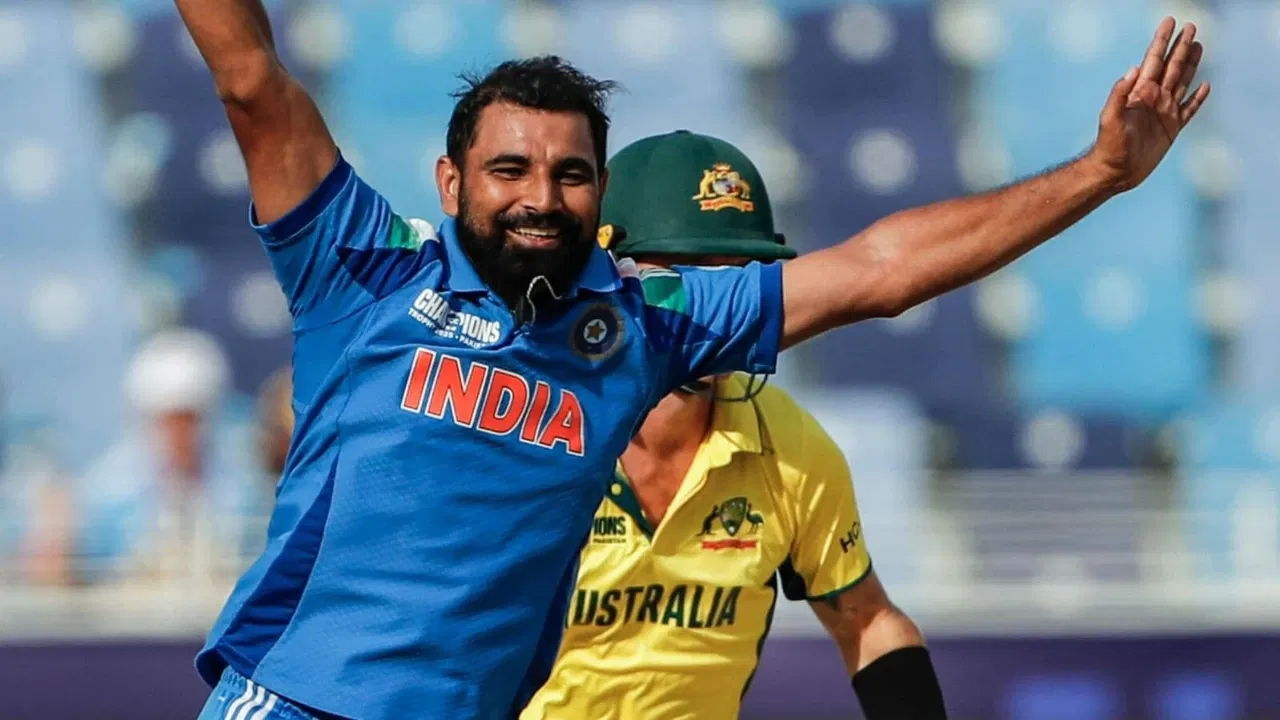
India Cricket Player Mohammed Shami Faces Criticism for Not Fasting During Match
India National Cricket Team fast bowler Mohammed Shami recently found himself at the center of controversy after being criticized for not fasting during a match against Australia National Cricket Team in the ICC Champions Trophy 2025. Shami’s cousin, Mumtaz, has come out in support of the player amid the backlash.
Controversy Unfolds
During the semi-final match at the Dubai International Cricket Stadium, Shami was seen consuming energy drinks on the field, leading to questions regarding his observance of fasting during Ramadan. Maulana Bareilvi from the All India Muslim Jamaat went as far as to say that Shami had committed a crime by not keeping ‘Roza’ and that he would have to answer to God for his actions.
Maulana Bareilvi criticized Shami for sending the wrong message by not fasting and consuming an energy drink during the game. He emphasized the importance of fasting in Islam and highlighted the consequences of not observing this obligation.
Support from Family
Despite the criticism, Shami’s cousin Mumtaz defended the player, stating that it is unfair to target him for not fasting while representing his country on the field. Mumtaz emphasized that many players, including Pakistanis, do not observe ‘Roza’ during matches and that Shami should not be singled out for this.
Mumtaz expressed his disappointment at the negative comments directed at Shami and assured that they would support the player and advise him to focus on his game rather than the criticism. He encouraged Shami to prepare for the upcoming final match against New Zealand on March 9 at the Dubai International Stadium.
Shami’s Performance in the Tournament
Despite the controversy, Shami has been a key player for the India National Cricket Team in the ICC Champions Trophy 2025. He is the leading wicket-taker for his team, having picked up 8 wickets at an average of over 19. In the match against Australia, Shami took three crucial wickets to help secure India’s spot in the final.
With the final match against New Zealand approaching, all eyes will be on Shami as he looks to continue his impressive performance and help India clinch the championship. The controversy surrounding his fasting practices has not deterred his focus on the game, and he remains determined to contribute to his team’s success on the field.
Overall, the incident has sparked a debate on the intersection of religion and sports, highlighting the challenges that athletes face in balancing their personal beliefs with professional responsibilities.
Impact of Religious Beliefs on Sports
The incident involving Mohammed Shami brings to light the complex relationship between religious beliefs and professional sports. Athletes often find themselves navigating the delicate balance between their faith and the demands of their sporting career. While some athletes choose to openly display their religious practices, others may prefer to keep them private.
In the case of Shami, the public nature of his actions on the cricket field brought attention to his observance of Ramadan. This scrutiny raises questions about the expectations placed on athletes regarding their religious practices while representing their country on an international stage. It also prompts discussions about how athletes should be allowed to express their faith without facing criticism or judgment.
Diversity in Sporting Practices
It is essential to recognize the diversity of beliefs and practices among athletes from different cultural and religious backgrounds. While fasting during Ramadan is a significant religious observance for Muslims, not all athletes may choose to adhere to this practice during sporting events. Each individual’s interpretation of their faith and the extent to which they integrate it into their professional life may vary.
As sports continue to be a global platform that brings together people from diverse backgrounds, it is crucial to respect and understand the choices that athletes make regarding their religious beliefs. An inclusive and tolerant approach to religious diversity in sports can foster a more supportive and respectful environment for all athletes.
Support for Athletes
Amidst the controversy surrounding Mohammed Shami’s fasting practices, it is important for athletes to receive support from their families, teammates, and the sporting community. Facing public scrutiny for personal beliefs can be challenging, and having a strong support system can help athletes navigate such situations with resilience and determination.
Encouraging open dialogue and empathy towards athletes’ religious practices can promote a more inclusive and understanding sports culture. By acknowledging and respecting the diverse beliefs of athletes, the sporting community can create a more welcoming environment that celebrates the richness of cultural and religious differences.
Looking Ahead
As Mohammed Shami prepares for the final match against New Zealand, the focus will now shift back to his performance on the cricket field. Despite the distractions caused by the controversy, Shami remains determined to excel and contribute to his team’s success in the tournament.
Ultimately, the incident involving Shami serves as a reminder of the complexities athletes face when navigating the intersection of religion and sports. By fostering a more inclusive and supportive environment for athletes to express their beliefs, the sporting community can promote diversity, understanding, and respect among athletes of all backgrounds.
As fans and spectators, it is essential to appreciate the talent and dedication of athletes like Mohammed Shami while also recognizing and respecting their personal beliefs and choices. In doing so, we can contribute to a more inclusive and harmonious sporting culture that celebrates the diversity of athletes worldwide.
Latest News
Ben Duckett opts out from IPL 2026, set to face ban
“Players will prevail”: Sourav Ganguly’s drops big verdict on ‘Impact Player’ rule ahead of IPL 2026
“Players will prevail”: Sourav Ganguly’s drops big verdict on ‘Impact Player’ rule ahead of IPL 2026
3 LSG players who could struggle in IPL 2026 – ft Rishabh Pant
Rinku Singh gets major role for KKR ahead of IPL 2026
RCB gets new buyer ahead of IPL 2026, sold to…..
KKR take massive step to honour Andre Russell forever
“Mumbai Indians are winning it” – Ex-England captain makes bold prediction for IPL 2026
Mayank Yadav reveals real story behind his recovery and Sanjiv Goenka’s support
IPL 2026 ball change rule explained
Ottis Gibson reveals plan to revive Babar Azam’s confidence ahead of PSL 2026
Liam Livingstone survives as Rob Key confirms England spot after shocking interview claims
Kevin Pietersen credits RCB and IPL for career revival
Ottneil Baartman set to join CSK in IPL 2026 as replacement of….