Mohammed Siraj, Sitanshu Kotak blast Guwahati crowd over disrespectful “Gautam Gambhir Haye Haye” chants

India’s Devastating Defeat Sparks Outrage and Calls for Change
India’s recent collapse in the final Test against South Africa in Guwahati has left fans in shock and disappointment. The highly anticipated moment of Barsapara Cricket Stadium hosting its first-ever Test match turned into a nightmare as India suffered a crushing 408-run defeat, resulting in a historic 2-0 whitewash by South Africa.
The humiliating loss has reignited painful memories for Indian cricket fans, following a 3-0 defeat at the hands of New Zealand last year. The fans are now demanding accountability and strong action after such devastating defeats, with many targeting Indian head coach, Gautam Gambhir.
Social Media Outrage and Calls for Resignation
Social media platforms are flooded with angry fans demanding changes within the team, with a significant number calling for Gambhir to step down as the head coach. The disappointment among fans has escalated into frustration, leading to louder and more vocal reactions on social media.
During the match in Guwahati, a group of fans inside the stadium expressed their displeasure with chants against Gambhir, shouting slogans like “Gambhir, Haye Haye” and “Gambhir, go back.” The atmosphere inside the stadium quickly turned sour as fans vented their frustrations over the team’s poor performance.
Player and Coach Intervention
Indian fast bowler Mohammed Siraj and assistant coach Sitanshu Kotak attempted to calm the agitated fans and diffuse the rising tensions. Despite their efforts, some fans continued to target Gambhir with their chants, prompting Siraj and Kotak to intervene personally and address the fans directly.
A viral video captured Siraj shushing the crowd and expressing his disappointment, while Kotak reminded the fans of Gambhir’s contributions to Indian cricket. Kotak urged the fans to refrain from personal attacks and maintain respect, especially during challenging moments.
Unfortunately, the situation in the stands escalated to the point where BCCI team managers filed an official complaint with the police. One fan who was reportedly leading the chants against Gambhir was arrested and taken into custody from the spectator area.
Historic Loss and South Africa’s Triumph
Notably, this defeat marked India’s biggest Test loss and their second whitewash at home within a year. On the contrary, South Africa achieved a significant milestone by becoming the only team to whitewash India twice on Indian soil in Tests. This victory also marked South Africa’s first Test series win on Indian soil in 25 years.
As the Indian cricket fraternity grapples with the aftermath of this crushing defeat, the calls for change and accountability continue to grow. The team will need to regroup and reflect on their performance to avoid similar outcomes in the future.
Overall, the defeat in Guwahati has sparked a wave of emotions among fans and players, highlighting the intense passion and expectations surrounding Indian cricket.
Root Causes of India’s Defeat
While the recent defeat against South Africa has left Indian cricket fans reeling, it is essential to examine the underlying factors that contributed to this unexpected outcome. One key aspect that analysts and former players have pointed out is India’s struggles against quality pace bowling on conducive pitches.
Historically, Indian batsmen have faced challenges when playing on fast and bouncy pitches, which are more prevalent in countries like South Africa and Australia. The lack of exposure to such conditions in domestic cricket and practice sessions has often left Indian players vulnerable when facing top-class pace attacks.
In addition, India’s over-reliance on their spinners in home conditions has sometimes led to a lack of preparedness against pace bowlers on foreign tours. The need to develop a more well-rounded batting lineup capable of handling different types of conditions has been a recurring concern for Indian cricket.
Impacts on Indian Cricket Structure
The recent defeats against New Zealand and South Africa have raised questions about the structure and organization of Indian cricket at various levels. Critics have pointed out the need for a more robust talent identification and development system to ensure that young players are adequately prepared for international cricket.
There have been calls for greater emphasis on technique and temperament in coaching programs, as opposed to just focusing on short-term results. Developing a pipeline of players who are equipped to handle different conditions and challenges in world cricket is seen as key to India’s sustained success on the global stage.
Furthermore, the role of domestic cricket in nurturing talent and providing a platform for players to showcase their skills has come under scrutiny. The need for a more competitive and high-quality domestic structure that mirrors international standards has been highlighted as essential for the growth and success of Indian cricket.
Looking Ahead: Future Prospects and Challenges
As Indian cricket reflects on the recent setbacks and seeks to chart a path forward, there are opportunities for introspection and improvement. The defeats against New Zealand and South Africa could serve as a wake-up call for the team management, selectors, and administrators to address underlying issues and implement necessary changes.
One potential area of focus could be investing in sports science and technology to enhance player performance and injury prevention. The use of data analytics, biomechanics, and specialized training methods could help Indian players adapt better to different conditions and improve their overall skills.
Moreover, fostering a culture of accountability and transparency within the Indian cricket setup could lead to better communication and decision-making processes. Encouraging open dialogue between players, coaches, and administrators can help in identifying and addressing challenges proactively.
Conclusion
Despite the devastating defeat against South Africa, Indian cricket has a rich history of resilience and comeback stories. The current challenges facing the team provide an opportunity for introspection, growth, and transformation.
By acknowledging the root causes of their recent defeats, investing in player development, and fostering a culture of continuous improvement, Indian cricket can overcome this setback and emerge stronger in the future. The passion and support of millions of fans worldwide will continue to be a driving force for Indian cricket as they navigate the path ahead.
Latest News
SRH suffer huge blow! Daniel Vettori confirms another overseas pacer injured amid crisis

IPL Points Table 2026: Updated Standings, Orange Cap, Purple Cap After RCB vs SRH Match 1
Virat Kohli, Anushka Sharma share adorable flying kiss moment after RCB vs SRH clash
“Absolutely world-class”: Virat Kohli backs Devdutt Padikkal for permanent Team India spot
Rajat Patidar refuses to comment on Virat Kohli; Ishan Kishan admits enjoying after SRH’s loss to RCB

Mumbai Indians suffer blow! Mitchell Santner, Will Jacks ruled out of IPL 2026 games
MI vs KKR Match Prediction – Who Will Win Match No.2? | IPL 2026
Mumbai Indians Playing XI vs Kolkata Knight Riders Playing XI- Match No. 2 | IPL 2026
MI vs KKR Match 2 Preview: Free Live Streaming, Pitch & Weather Report, Head-to-Head | IPL 2026
Not English cricket! Jos Buttler credits IPL for his success as a cricketer
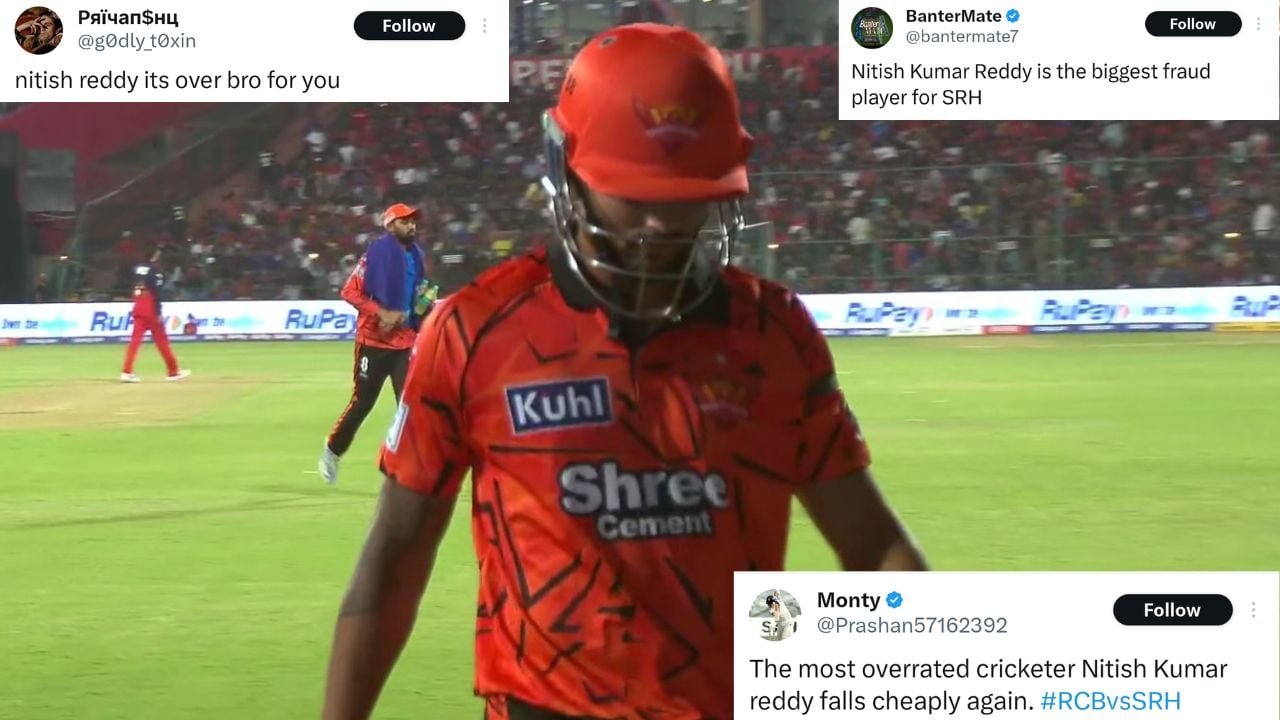
“Nitish Kumar Reddy is biggest fraud”: Fans fume as SRH star fails vs RCB in IPL 2026 opener
Who is Abhinandan Singh? The Virat Kohli troublemaker who made his IPL debut for RCB vs SRH
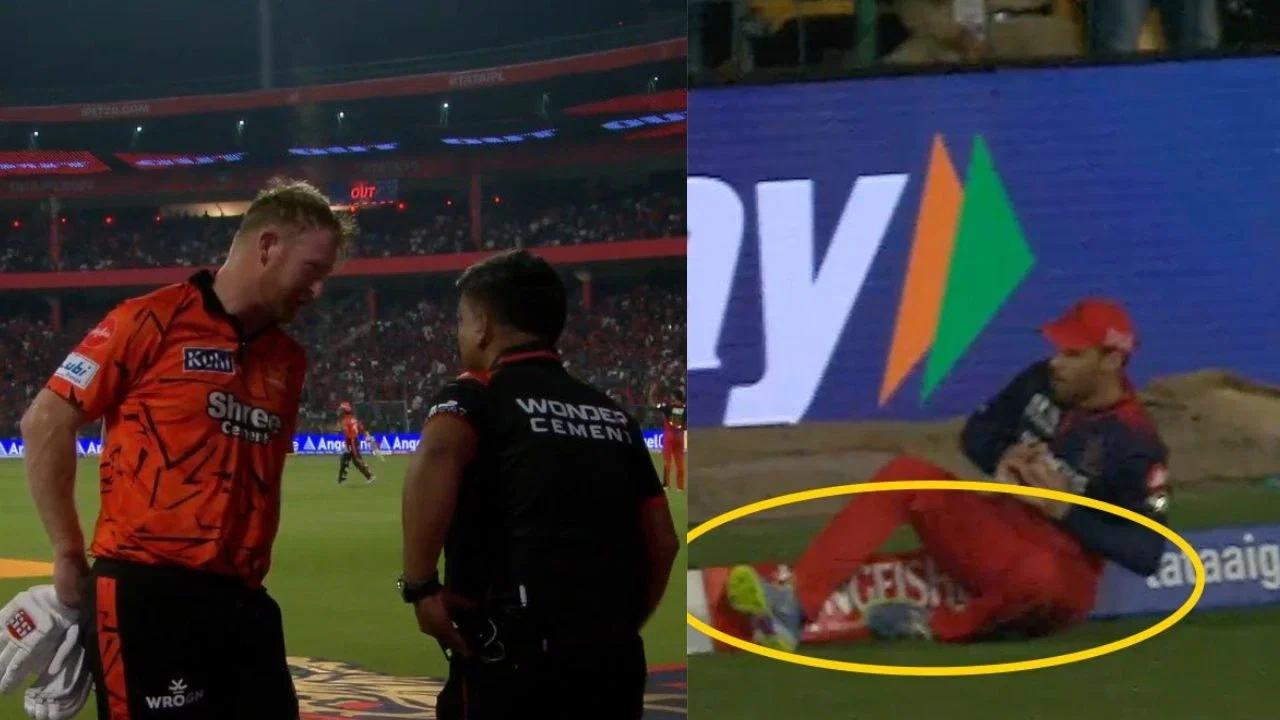
Heinrich Klaasen engages in heated chat with 4th umpire after Phil Salt’s controversial catch in IPL 2026
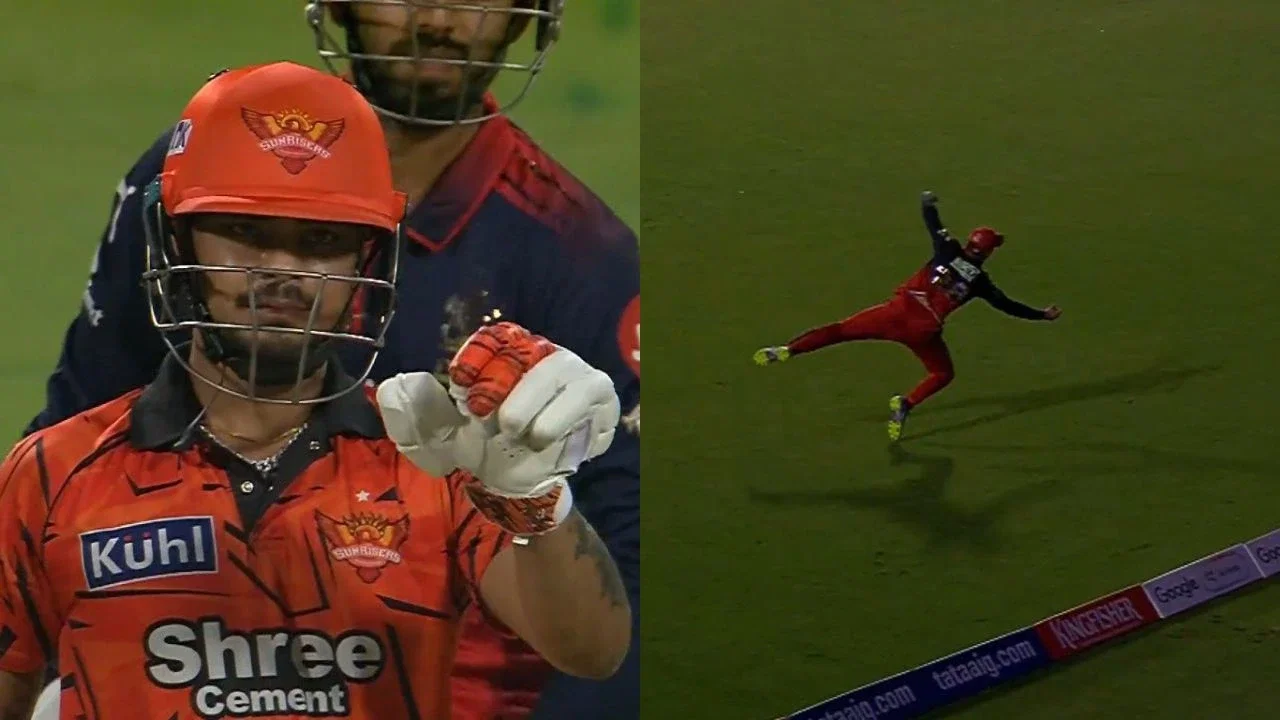
Phil Salt grabs one of the greatest catches in IPL history to dismiss Ishan Kishan