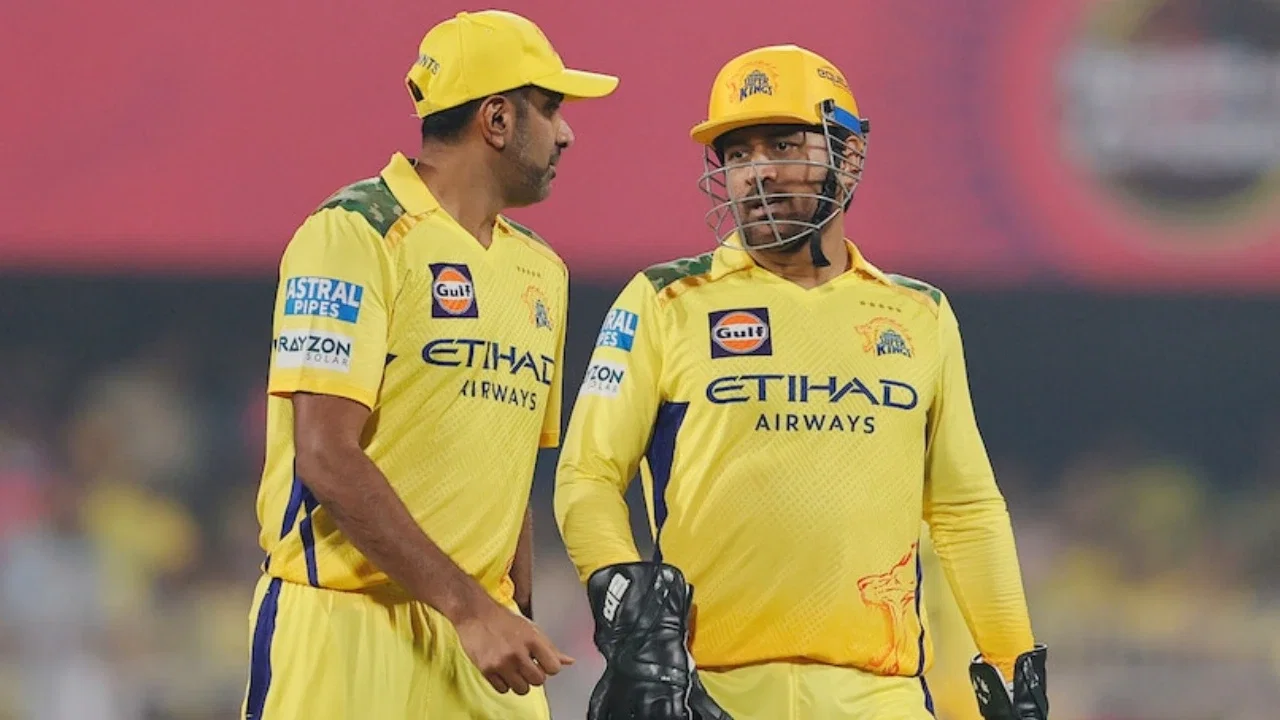
Mohsin Naqvi and Pakistan attacked as Sri Lanka Cricket launches war amid T20 World Cup row
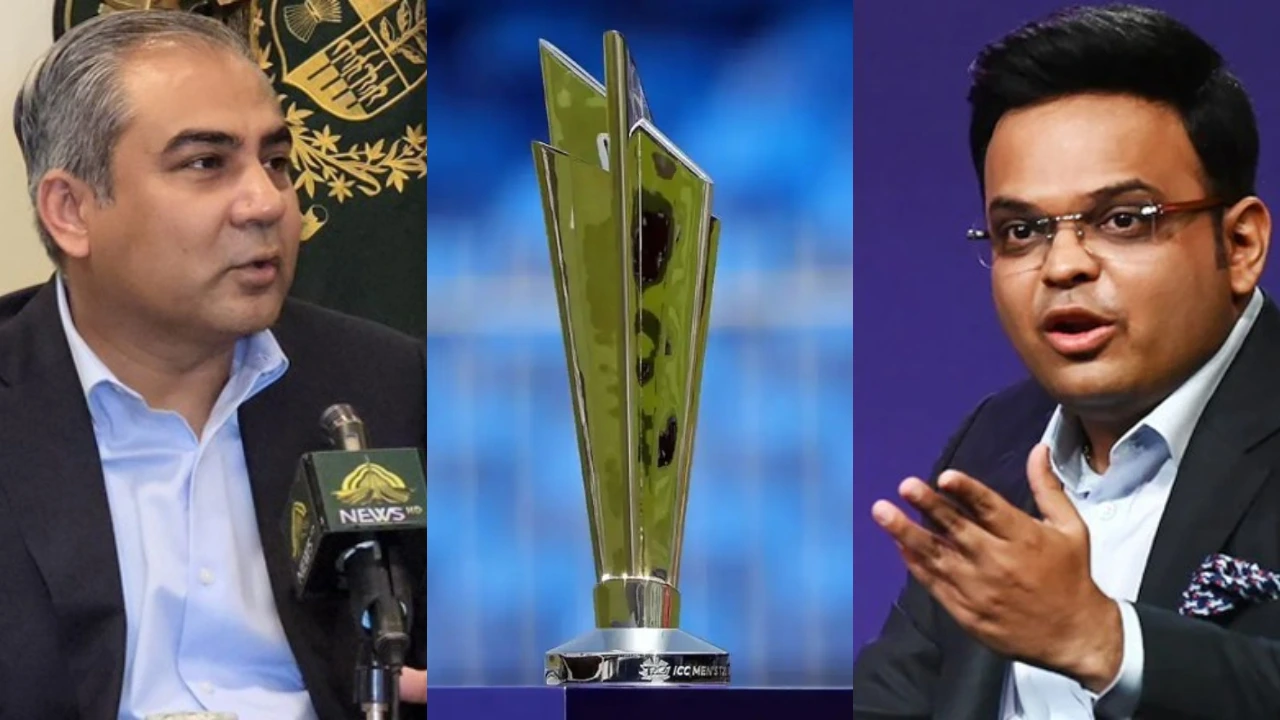
Pakistan’s Decision to Boycott India vs Pakistan Match in Sri Lanka Raises Concerns
Pakistan’s decision to boycott the highly-anticipated India vs Pakistan match in the T20 World Cup 2026, scheduled to take place in Colombo on February 15, has sparked controversy and raised concerns among cricketing nations, particularly Sri Lanka. The move not only has implications for the International Cricket Council’s (ICC) revenue but also has the potential to negatively impact the Sri Lankan economy and other nations financially.
Boycotting the India vs Pakistan match is a significant blow not only to the cricketing community but also to Sri Lanka’s economy. The match is considered the most revenue-generating fixture in the T20 World Cup, and its absence could have far-reaching consequences. Sri Lanka Cricket (SLC) has reached out to the Pakistan Cricket Board (PCB) in an attempt to persuade them to reconsider their decision.
SLC’s Secretary, Bandula Dissanayake, expressed concerns over Pakistan’s boycott call, emphasizing the impact it could have on Sri Lanka’s economy. He highlighted the preparations that had been made for the match and stressed the potential loss to the country’s tourism sector and overall economy. The Cricket T20 World Cup 2026 was expected to contribute significantly to economic growth through various avenues, with the India vs Pakistan match playing a crucial role.
The strained relationship between SLC and PCB has been exacerbated by recent developments, including Pakistan’s decision to skip the high-profile match and the allocation of key positions within the Asian Cricket Council to other cricketing boards. The fallout from this decision has left Sri Lanka feeling neglected and potentially sidelined in regional cricketing matters.
It is important to note that Sri Lanka has made significant efforts to strengthen its relationship with Pakistan in recent years, particularly following the tragic events of the 2009 terrorist attack on the Sri Lankan cricket team in Lahore. Despite facing challenges and security concerns, Sri Lanka continued to support Pakistan in their cricketing endeavors, demonstrating a commitment to unity and solidarity in the face of adversity.
As discussions continue between SLC and PCB regarding the boycott controversy, the cricketing world watches with bated breath to see how the situation unfolds. The outcome of these negotiations could have far-reaching implications for the future of cricketing relations in the region and beyond.
In conclusion, the decision by Pakistan to boycott the India vs Pakistan match in Sri Lanka has raised significant concerns and highlighted the complexities of international cricketing relationships. The repercussions of this move could extend beyond the realm of sports and impact economic and diplomatic ties between nations. As stakeholders work towards a resolution, the hope remains that the spirit of sportsmanship and camaraderie will prevail, paving the way for a brighter future in cricket.
Impact on Regional Cricketing Dynamics
The decision by Pakistan to boycott the India vs Pakistan match in the T20 World Cup 2026 not only affects Sri Lanka’s economy but also has broader implications for regional cricketing dynamics. The longstanding rivalry between India and Pakistan is a cornerstone of cricketing excitement and draws massive global attention. The absence of this iconic match could impact the overall viewership and fan engagement in the tournament.
The boycott decision reflects the deep-rooted political tensions between the two nations, which often spill over into the realm of sports. Cricket has been used as a diplomatic tool in the past to foster goodwill and bridge divides between India and Pakistan. However, the current scenario underscores the challenges in maintaining sportsmanship and unity in the face of geopolitical complexities.
Global Cricketing Landscape
The controversy surrounding the boycott of the India vs Pakistan match serves as a reminder of the fragility of the global cricketing landscape. While cricket is a unifying force that brings nations together, it is also susceptible to external pressures and conflicts. The financial implications of such decisions can ripple through international cricket boards, affecting investment, sponsorship deals, and overall revenue streams.
The ICC, as the governing body of international cricket, plays a crucial role in mediating disputes and promoting fair play among member nations. The current situation highlights the need for stronger communication channels and conflict resolution mechanisms within the cricketing community to prevent similar incidents in the future.
Diplomatic Relations and Sportsmanship
Cricket has often been hailed as a platform for promoting diplomacy and fostering goodwill among nations. The decision to boycott the India vs Pakistan match calls into question the role of sports in transcending political differences and promoting a spirit of sportsmanship. It also underscores the challenges faced by cricket boards in balancing geopolitical tensions with the spirit of fair play and inclusivity.
As stakeholders navigate the fallout from this decision, there is an opportunity to reaffirm the values of unity, respect, and cooperation in the world of cricket. By addressing underlying grievances and fostering open dialogue, cricketing nations can work towards building stronger diplomatic relations and ensuring that sports remain a force for positive change in society.
In conclusion, the boycott of the India vs Pakistan match in Sri Lanka has far-reaching implications for the cricketing world, highlighting the interconnectedness of sports, economics, and diplomacy. As discussions progress and efforts are made to resolve the dispute, there is a chance to reinforce the core principles of sportsmanship and unity that are integral to the spirit of cricket. Ultimately, the hope is that this challenging situation can be turned into an opportunity for growth, understanding, and collaboration within the global cricketing community.
Latest News
Not Sanju Samson! EX-CSK star picks Ruturaj Gaikward as orange cap winner in IPL 2026
IPL doesn’t need MS Dhoni in 2026, claims ex-KKR star
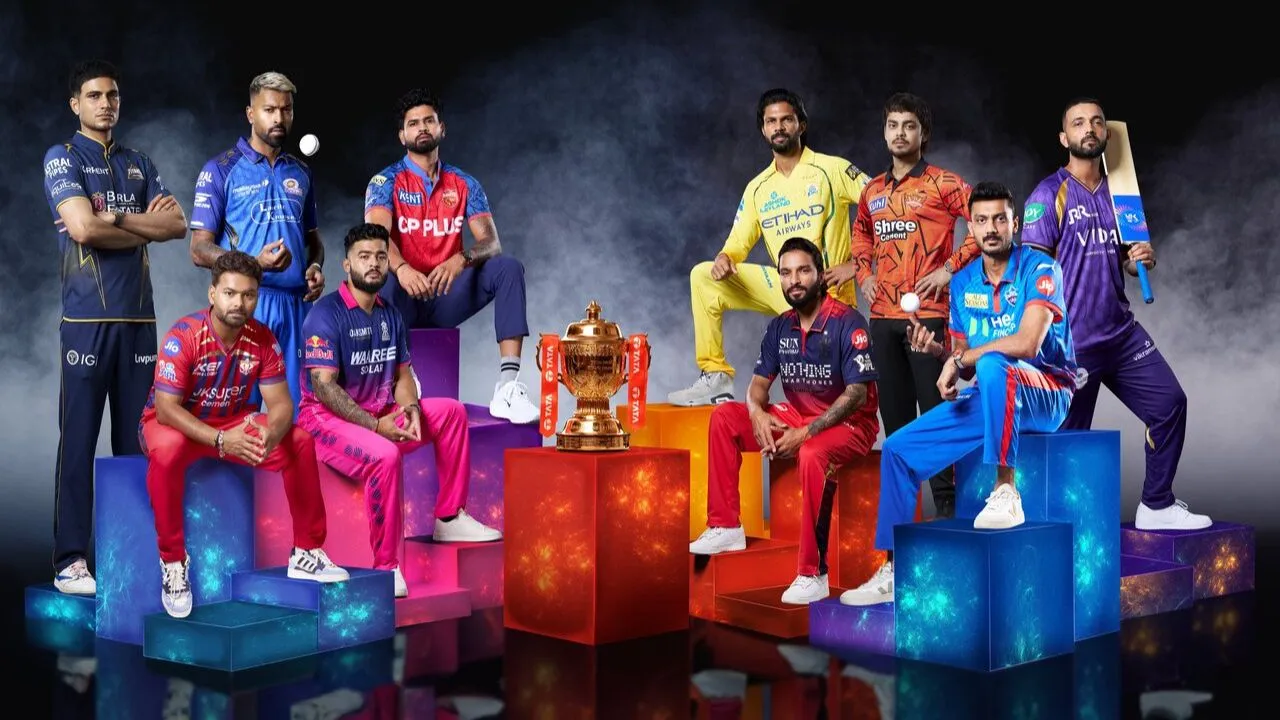
NOT CSK and MI! EX-PBKS coach picks franchise to 300 runs in IPL 2026
NOT CSK and MI! EX-PBKS coach picks franchise to 300 runs in IPL 2026
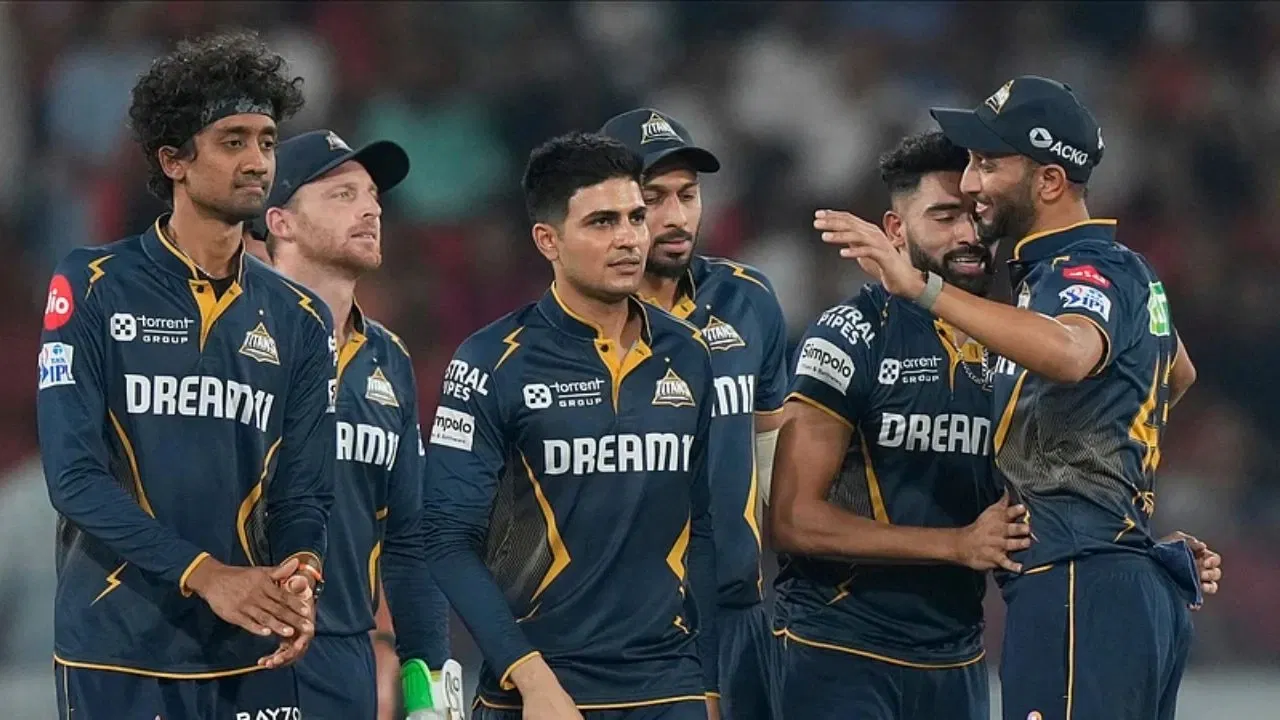
Shubman Gill takes cheeky dig at journalist, names opening partner for IPL 2026
Shubman Gill takes cheeky dig at journalist, names opening partner for IPL 2026
Shubman Gill takes cheeky dig at journalist, names opening partner for IPL 2026
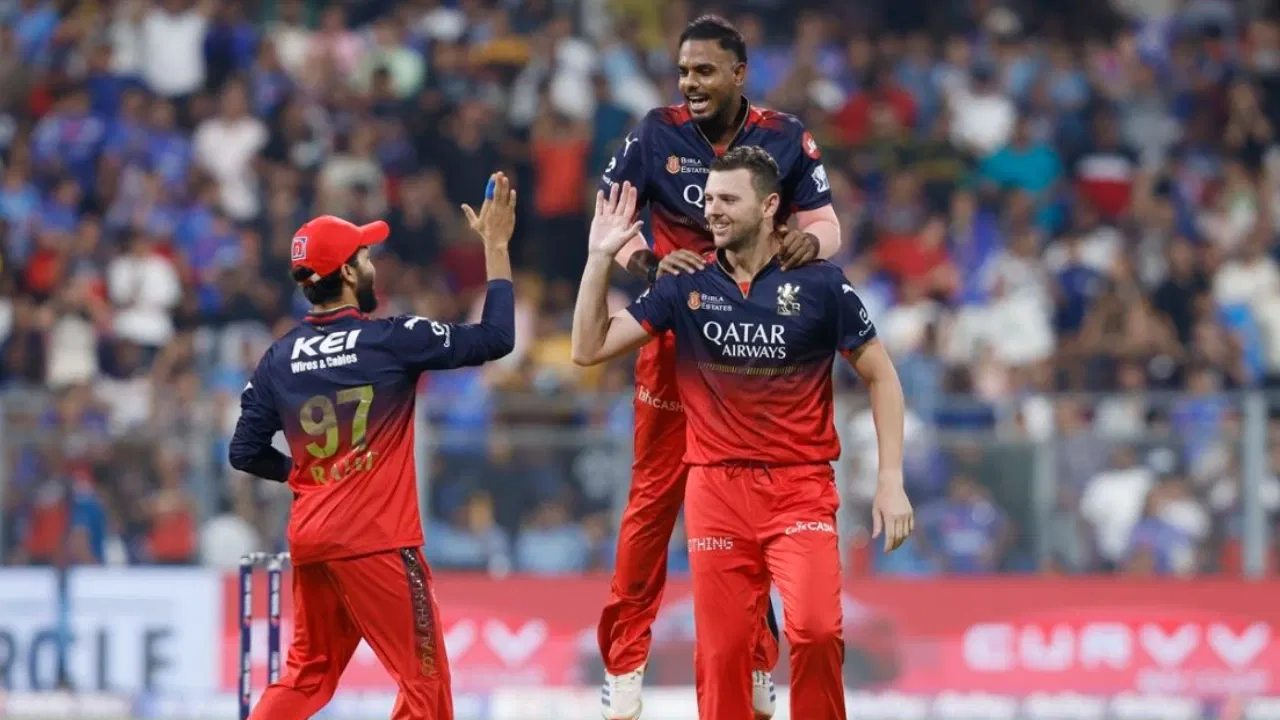
Josh Hazlewood lands in India before IPL 2026
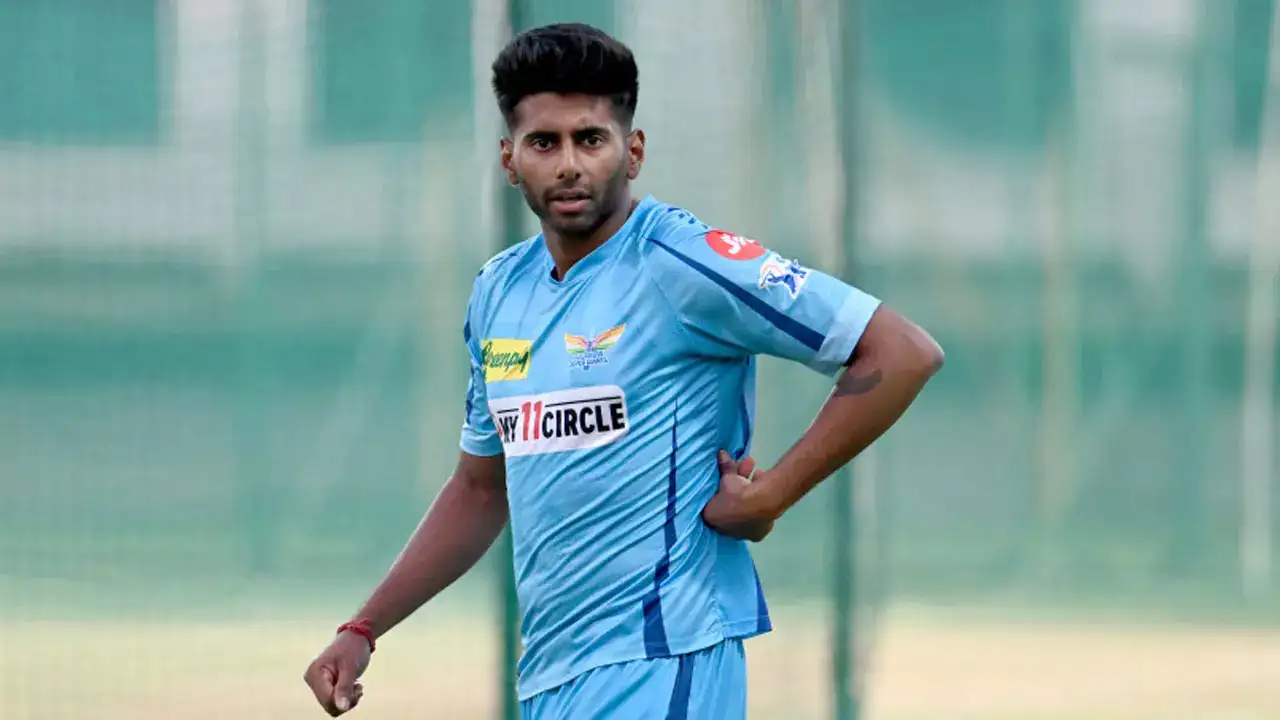
“Franchises run out of patience”: Irfan Pathan issues strict warning to Mayank Yadav
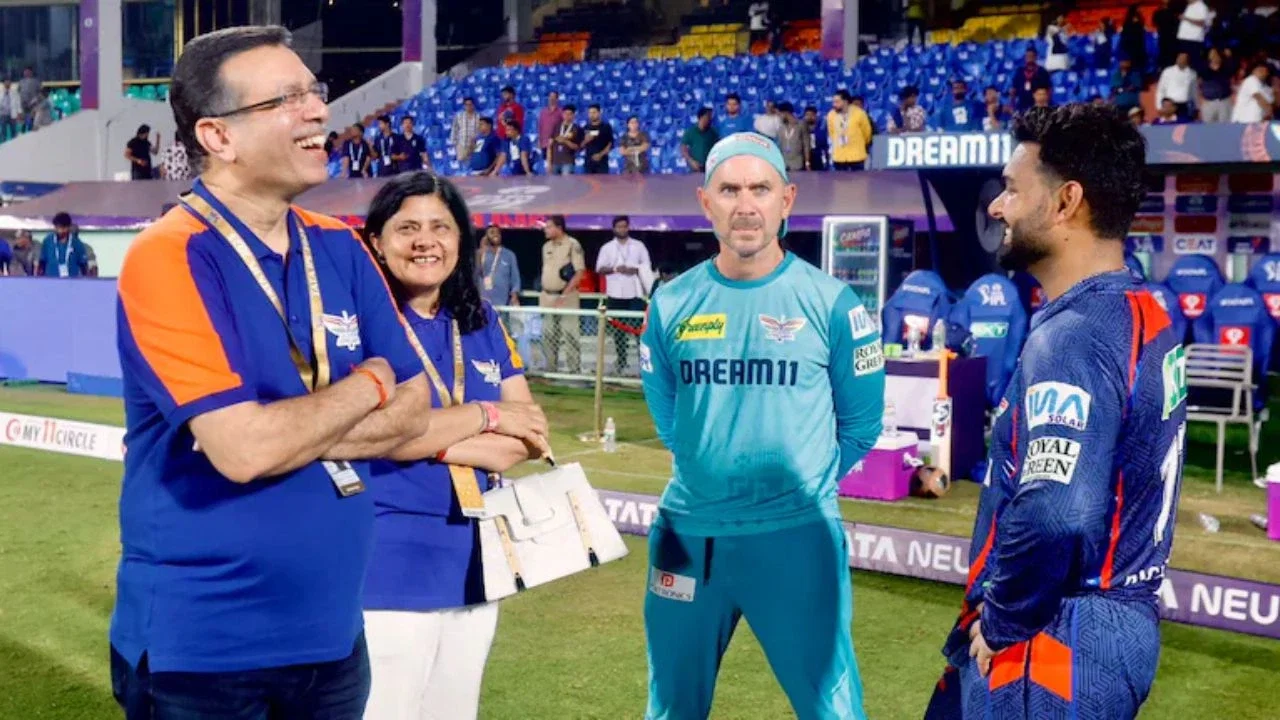
Sanjiv Goenka breaks silence on Rishabh Pant’s rumoured sacking as LSG captain
Revealed: Why BCCI didn’t give BGT matches to Wankhede and Eden Gardens?
Not Virat Kohli! Rajat Patidar reveals Jitesh Sharma helped him most in RCB captaincy
“Does MS Dhoni still have the ability to…” – Ex-CSK star raises serious questions
NOT Virat Kohli! Sourav Ganguly picks greatest ever Indian captain