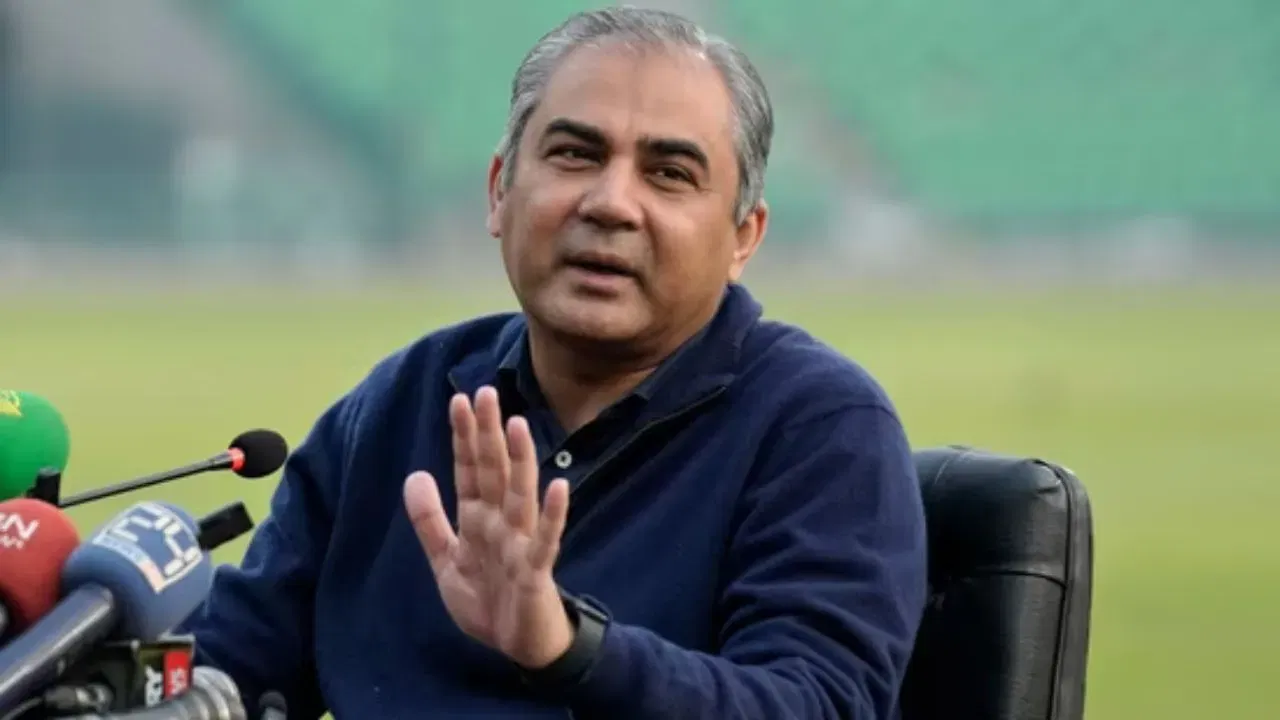
Mohsin Naqvi continues embarrassing act, locks Asia Cup trophy in Dubai office to fuel India-Pakistan war
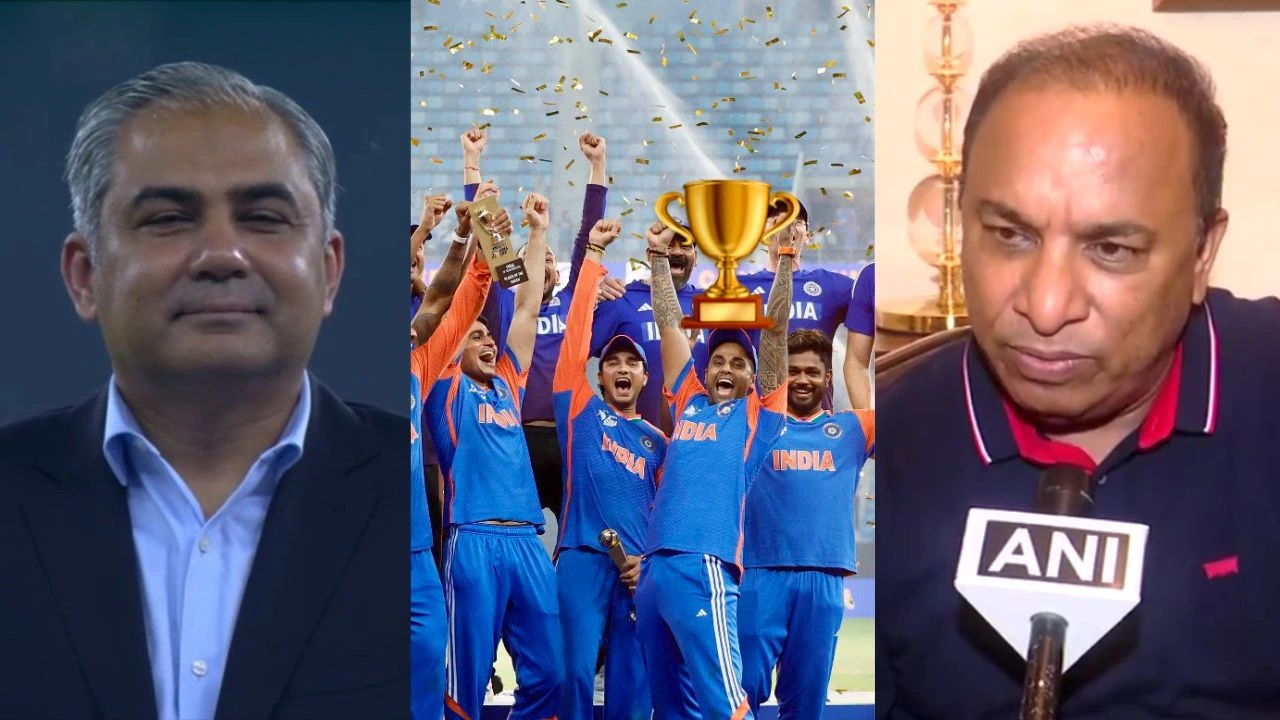
India-Pakistan Rivalry Continues Off the Field: Trophy Controversy at Asia Cup 2025
The Asia Cup 2025 Final: India Emerges Victorious
In a thrilling final match of the Asia Cup 2025 held in Dubai on September 28, India emerged victorious over arch-rivals Pakistan. The Indian team, led by Suryakumar Yadav, clinched their record ninth Asia Cup title with a five-wicket win. Pakistan was bowled out for 146 runs in 19.1 overs, with Kuldeep Yadav taking four crucial wickets. In response, Tilak Varma’s unbeaten 69 runs and Shivam Dube’s quick 33 runs helped India chase down the target with two balls to spare.
The Trophy Controversy: ACC Chairman Locks Trophy Away
However, the post-match presentation ceremony took an unexpected turn as ACC Chairman and Pakistan Cricket Board chief Mohsin Naqvi walked away with the winner’s trophy. The Indian team, amidst growing political tensions between the two nations, declined to accept the trophy during the ceremony. This led to Mohsin Naqvi taking matters into his own hands and locking the trophy away at the ACC headquarters in Dubai.
Mohsin Naqvi’s Standoff with BCCI
The aftermath of the trophy controversy saw Mohsin Naqvi insisting that the trophy should not be handed over to anyone without his personal presence. As tensions between India and Pakistan escalated, Naqvi, who is also Pakistan’s Interior Minister, made it clear that the trophy would only be presented in person to the Indian team or the Board of Control for Cricket in India (BCCI). This move was met with strong objections from the BCCI, who viewed it as a breach of protocol and disrespect towards the winners.
BCCI’s Response and Potential ICC Intervention
The BCCI expressed concerns over Naqvi’s behavior and stated that they would raise the issue at the upcoming ICC board meeting. The Indian board may push for disciplinary action against Naqvi, which could include seeking his censure or removal from his position. The BCCI emphasized that Naqvi did not have the right to insist on personally handing over the trophy to the Indian team, especially since the BCCI were the official hosts of the event.
Implications for Indo-Pak Relations and Cricketing Diplomacy
The trophy controversy at the Asia Cup 2025 final not only highlighted the longstanding rivalry between India and Pakistan but also showcased the intertwining of politics and sports. As players from both sides engaged in politically charged gestures and tensions rose, the cricketing action was overshadowed by off-field controversies. The BCCI’s response and potential ICC intervention may have long-term implications for cricketing diplomacy and future Indo-Pak sporting events.
Overall, the Asia Cup 2025 final was a memorable clash between traditional rivals, marred by a trophy controversy that sparked debates and discussions beyond the realm of cricket.
The Role of Prediction Models in Cricket
One aspect that often adds excitement to cricket matches is predicting the outcome of games, especially in high-stakes matches between rival teams like India and Pakistan. Prediction models have become increasingly popular in the world of cricket, with analysts and fans using statistical data and algorithms to forecast match results. These models take into account various factors such as player performance, team dynamics, pitch conditions, and past match data to generate predictions.
For the Asia Cup 2025 final between India and Pakistan, many prediction models favored India based on their recent form and head-to-head record against Pakistan. These models predicted a close match but ultimately tipped India as the likely winner. However, cricket being the unpredictable sport that it is, Pakistan’s strong performance in the final threw many predictions off course, showcasing the element of surprise that makes the game so thrilling.
Impact of Political Tensions on Sports
The longstanding political tensions between India and Pakistan have often spilled over into the realm of sports, particularly cricket. Matches between the two countries are not just sporting events but also symbolic of the larger geopolitical context in which they exist. The trophy controversy at the Asia Cup 2025 final served as a stark reminder of how political rivalries can influence even the most benign of activities.
At times, cricket matches between India and Pakistan have been used as a platform to ease diplomatic tensions or as a reflection of the strained relations between the two nations. The trophy controversy, while unfortunate, underscored the complex dynamics that govern Indo-Pak sporting encounters and the delicate balance between sportsmanship and patriotism.
The Role of ICC in Resolving Disputes
As the governing body of cricket, the International Cricket Council (ICC) plays a crucial role in resolving disputes and upholding the integrity of the sport. In the aftermath of the trophy controversy at the Asia Cup 2025 final, the BCCI’s decision to raise the issue at the ICC board meeting underscores the importance of international intervention in such matters.
The ICC may need to step in to mediate between the BCCI and Mohsin Naqvi, ensuring that the rightful winners of the Asia Cup receive their trophy in a manner that upholds the spirit of the game. The organization’s intervention could also set a precedent for handling similar disputes in the future, establishing guidelines for how post-match ceremonies should be conducted to prevent such controversies from arising again.
Looking Ahead: Future of Indo-Pak Cricket Relations
While the Asia Cup 2025 final may have ended on a contentious note, it is essential to look towards the future of cricketing relations between India and Pakistan. Despite the political tensions that often overshadow their matches, the cricketing rivalry between the two nations remains a significant draw for fans around the world.
As both countries continue to navigate their complex relationship on and off the field, it is crucial for the cricketing authorities to prioritize sportsmanship, mutual respect, and fair play. The resolution of the trophy controversy and any subsequent actions taken by the ICC will shape the way forward for future encounters between India and Pakistan, highlighting the power of cricket to bridge divides and bring people together.
In conclusion, while the Asia Cup 2025 final may have been marred by controversy, it also provided an opportunity to reflect on the intersection of sports, politics, and diplomacy in the realm of cricket.
Latest News
Mohsin Naqvi enforces new social media rules for Pakistan players following Naseem Shah incident
Fakhar Zaman officially handed cricket ban after PSL 2026 ball-tampering controversy
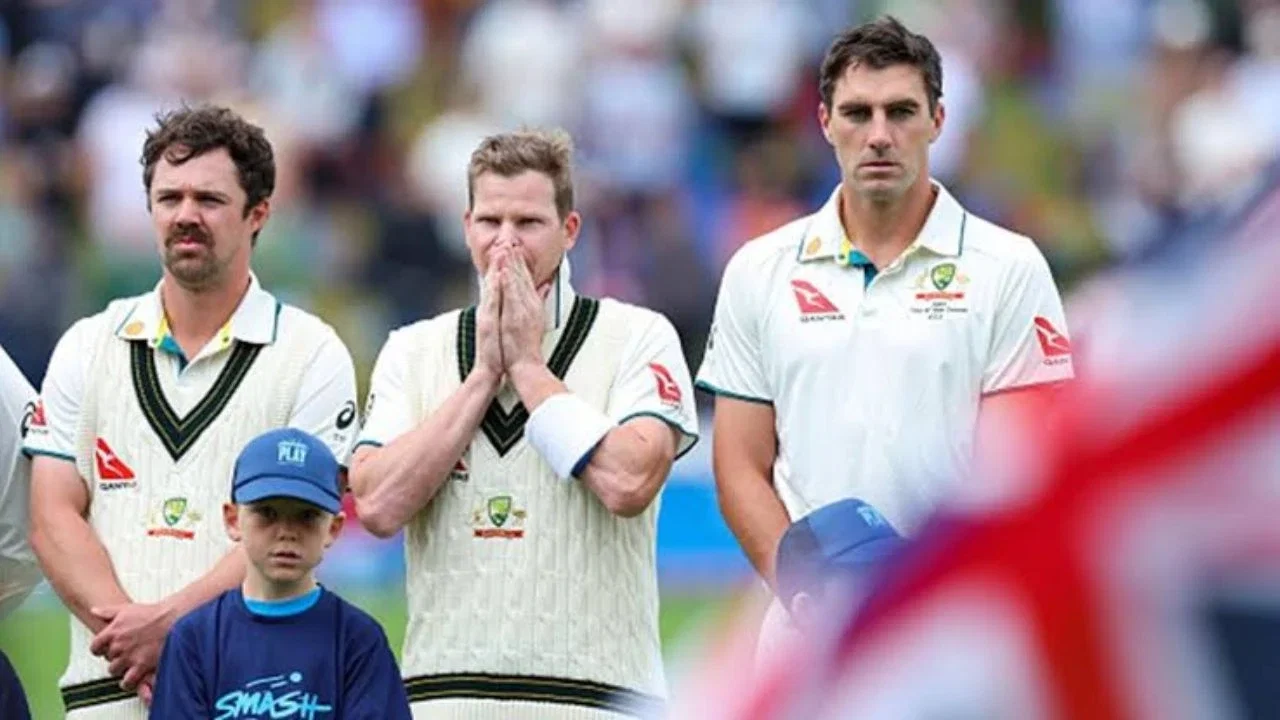
Pat Cummins forces Cricket Australia to slash central contracts list to secure premium deal
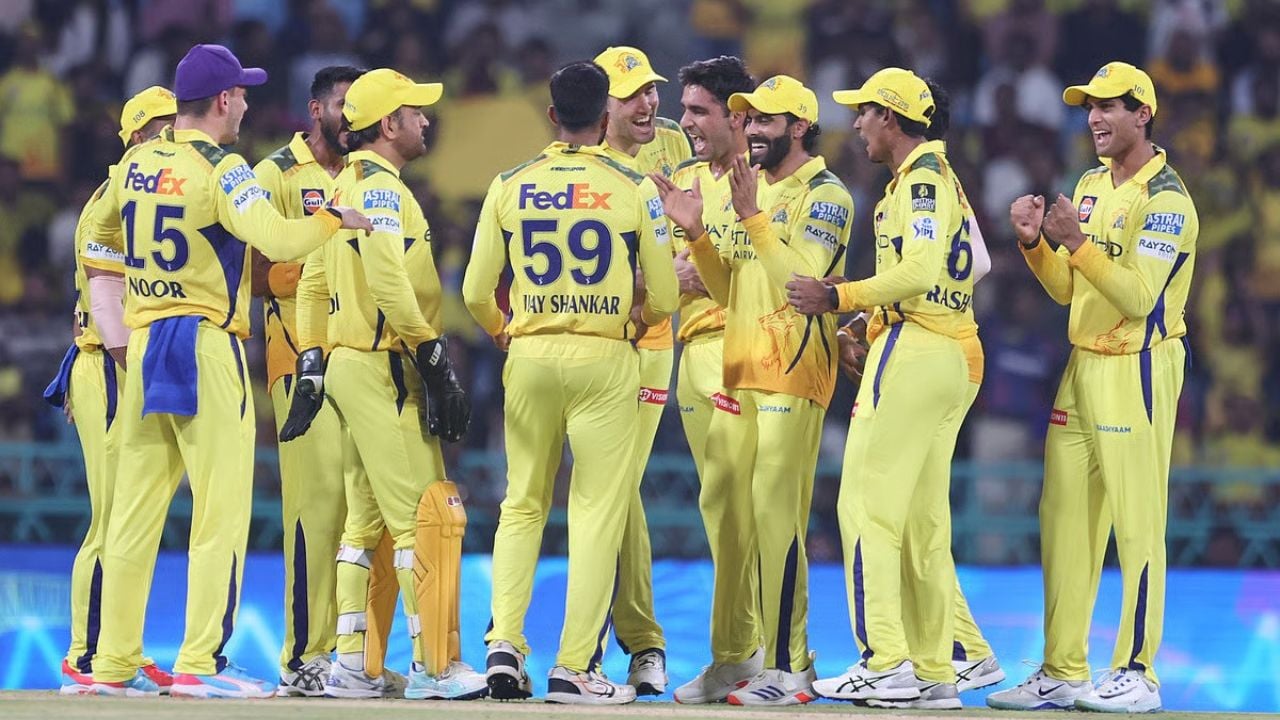
CSK’s big promise to players revealed amid IPL 2026: “Whatever BCCI offers, we’ll double it”

Ravichandran Ashwin rules out Vaibhav Sooryavanshi’s India call-up
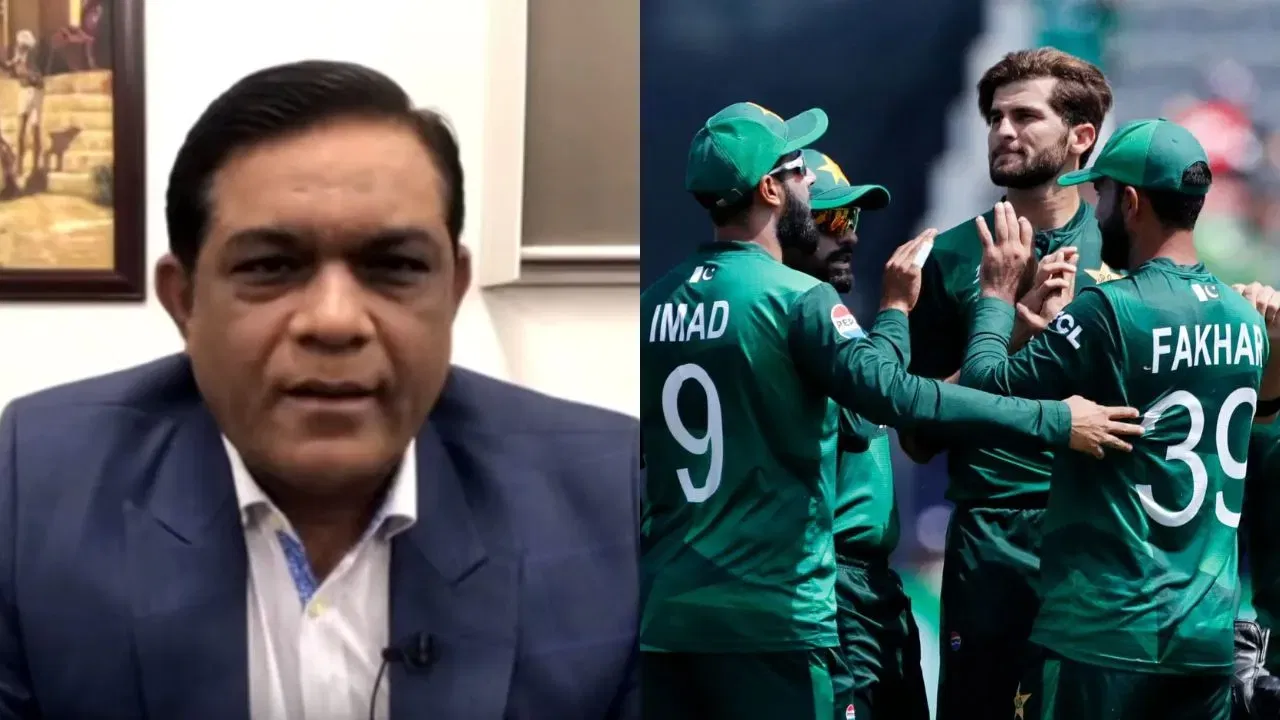
Rashid Latif claims PSL ball-tampering row was deliberately created for attention amid IPL rivalry

Mohammed Shami breaks silence on retirement buzz after India snub; has special message for LSG

Mohammed Shami reveals IPL 2026 Top 4, leaves out five-time champions
Mohammed Shami hits back at Ravichandran Ashwin over LSG’s poor IPL 2026 prediction
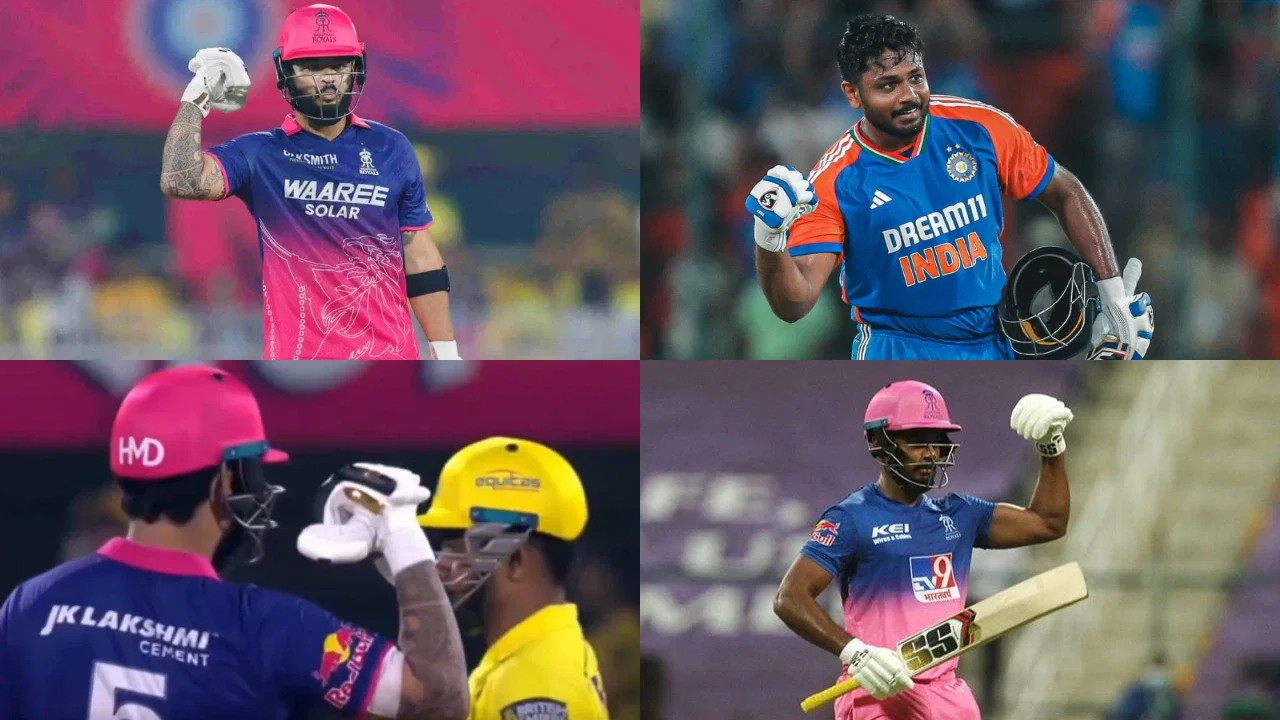
Riyan Parag mocked Sanju Samson? Batter’s muscle-flex celebration after sensational 6 vs CSK goes viral
IPL 2026 hit by tragedy! British broadcast engineer dies in Mumbai hotel room
Brad Haddin reveals reality of Shreyas Iyer as captain

Jos Buttler set to dominate IPL 2026, thanks to Ashish Nehra
Ravindra Jadeja says he had no conversation with MS Dhoni after RR move