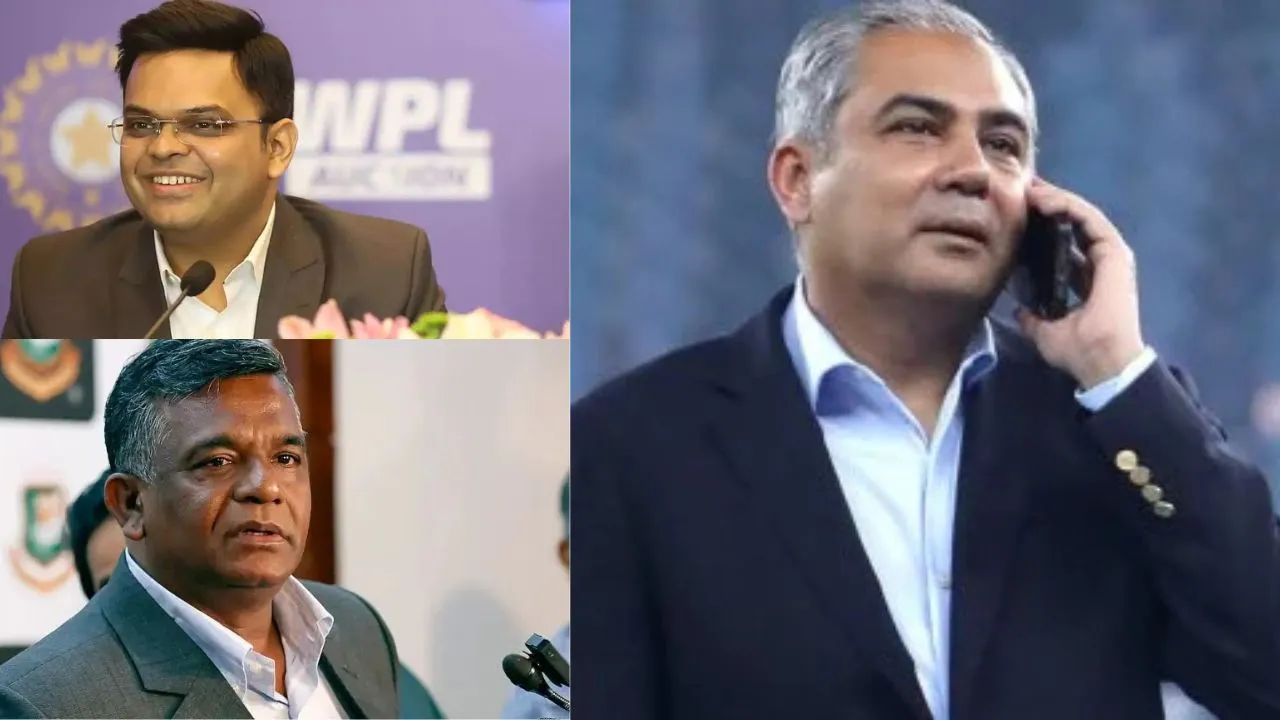
Mohsin Naqvi cries about Asia Cup row in front of ICC; shock India-Pakistan-Bangladesh Tri-series demand revealed
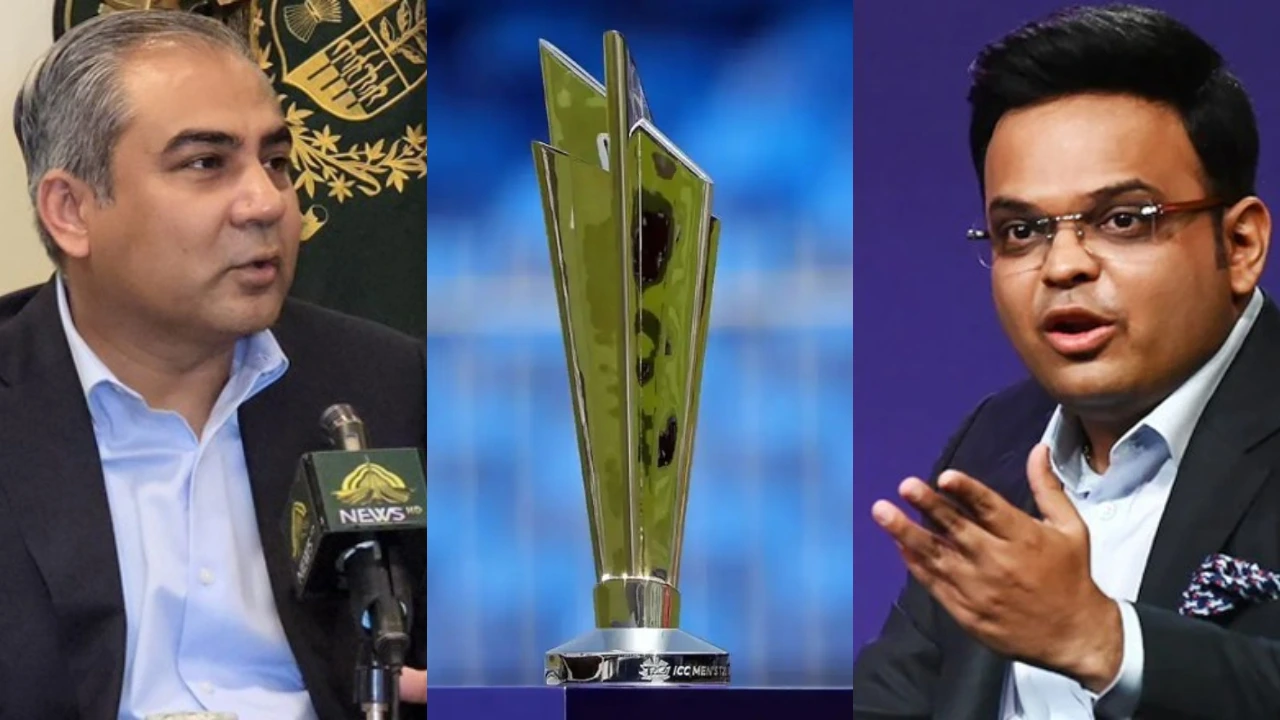
Lahore Drama Unfolds as PCB Chairman Meets ICC Vice-Chairman
Lahore was the stage for a high-stakes drama as Pakistan Cricket Board (PCB) chairman Mohsin Naqvi met with ICC vice-chairman Imran Khwaja at Gaddafi Stadium on February 8. The primary agenda of the meeting was to address the escalating tensions surrounding Pakistan’s proposed boycott of the T20 World Cup 2026 clash against India in Colombo on February 15.
Revisiting the Asia Cup Trophy Controversy
During the intense discussion, Mohsin Naqvi brought up several concerns with the ICC, with a particular focus on the Asia Cup trophy row. A PCB official, quoted by PTI, mentioned, “He questioned Khwaja if the ICC would have remained silent if the Pakistan team had refused to accept the Asia Cup trophy from any Indian board official at the presentation ceremony.”
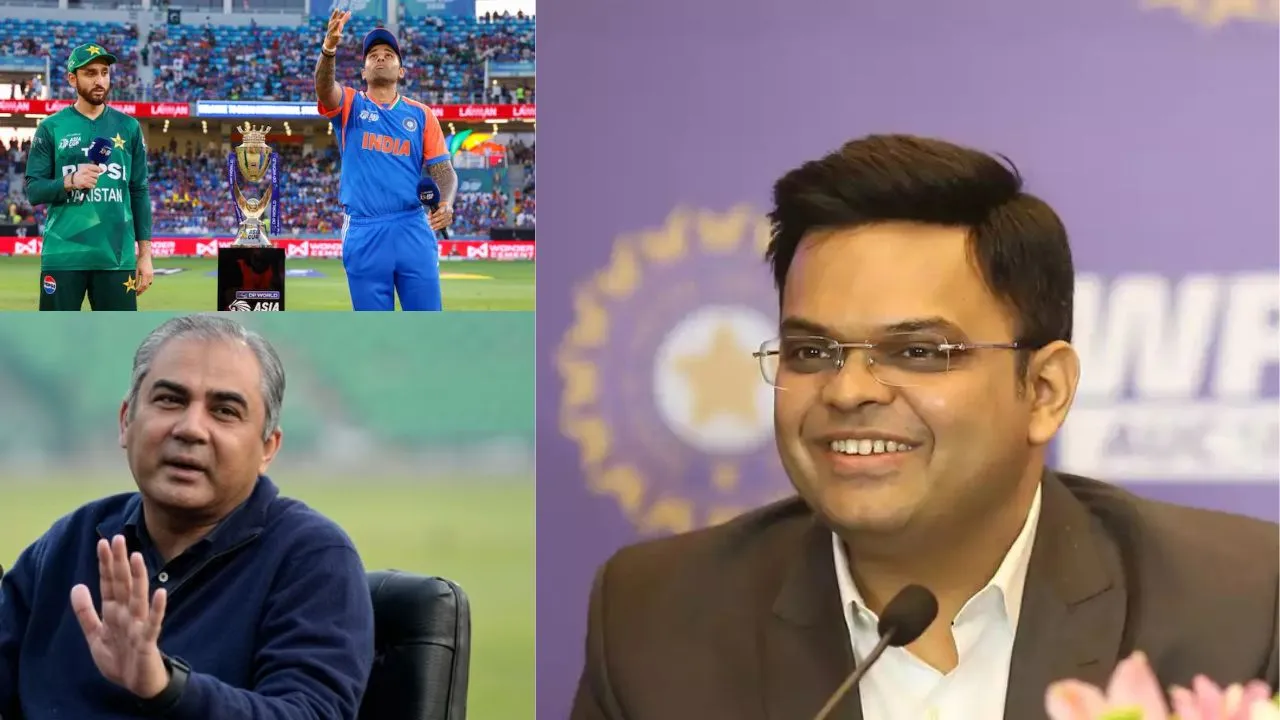
The controversy stemmed from the aftermath of India’s victory over Pakistan in the Asia Cup 2026 final last September. Suryakumar Yadav, representing India, declined to accept the winner’s trophy from the PCB and ACC chief, who also serves as Pakistan’s Interior Minister.
Mohsin Naqvi and his team felt ‘humiliated’ by the incident, especially considering the strained relations between India and Pakistan due to recent events like the Pahalgam terror attack and Operation Sindoor.
Push for Tri-Series and Potential Resolution
In an effort to mend fences, ICC, along with the Bangladesh Cricket Board (BCB), engaged in discussions to persuade Pakistan to reconsider its stance on playing against India. Mohsin Naqvi is scheduled to meet with Pakistan Prime Minister Shehbaz Sharif on February 9 to discuss the matter further.
Aside from addressing the T20 World Cup 2026 dispute, PCB and BCB are advocating for a tri-series involving India, Pakistan, and Bangladesh. This initiative aims to revive cricketing ties between the three nations and offer fans an exciting series of matches.
Although the ICC has not confirmed its stance on the proposed tri-series, it is evident that the global body is refraining from making unilateral decisions regarding India, Pakistan, and Bangladesh’s cricketing engagements. The fate of the series lies in the hands of the individual cricket boards, with the BCCI having a significant say due to its ties with the Indian government.
Path Towards Resolution
Despite plans for a series between India and Bangladesh in September, the current political climate casts uncertainty over its realization. The final decision rests on the willingness of all parties to find common ground and compromises.
The ICC remains committed to facilitating discussions and negotiations to address the complex issues at hand. The looming decision on the India-Pakistan clash is anticipated to be reached on either February 9 or 10, paving the way for potential resolutions and a path forward for cricketing relations in the region.
Analysis of the Lahore Meeting and Implications
The meeting between PCB chairman Mohsin Naqvi and ICC vice-chairman Imran Khwaja in Lahore signifies a critical juncture in cricketing relations between Pakistan and India. The tensions surrounding the proposed boycott of the T20 World Cup 2026 clash highlight the deep-rooted issues that continue to plague the cricketing landscape in the region.
By revisiting the Asia Cup trophy controversy, Mohsin Naqvi sheds light on the underlying sentiments of humiliation and disrespect felt by the Pakistani cricket board. The refusal to accept the trophy from a Pakistani official symbolizes the broader political and social dynamics that often overshadow cricketing events between India and Pakistan.
Tri-Series Proposal and the Future of Cricket Diplomacy
The push for a tri-series involving India, Pakistan, and Bangladesh presents a unique opportunity to bridge divides and foster cricketing ties in the region. Beyond the competitive aspect, such initiatives hold the potential to serve as a platform for cultural exchange and sports diplomacy.
While the fate of the proposed tri-series remains uncertain, the willingness of all parties involved to engage in dialogue and negotiations bodes well for the future of cricket diplomacy in South Asia. The involvement of the ICC in facilitating discussions underscores the global body’s commitment to promoting peace and cooperation through the realm of sports.
Challenges and Opportunities for Cricket in South Asia
The complex political landscape in the region poses significant challenges to the scheduling and execution of cricketing events involving India, Pakistan, and Bangladesh. However, amidst these challenges lie opportunities for meaningful dialogue, reconciliation, and the promotion of mutual understanding through the shared love for the sport.
As stakeholders navigate the intricacies of cricket diplomacy, the decisions made in the coming days regarding the T20 World Cup 2026 clash and the proposed tri-series will shape the future of cricketing relations in South Asia. The resolution of these issues has the potential to set a precedent for conflict resolution and cooperation in the realm of sports.
Looking Ahead: A Call for Unity and Sportsmanship
As the cricketing community eagerly awaits the outcome of the discussions between the PCB, BCB, and ICC, there is a collective hope for a resolution that prioritizes unity, sportsmanship, and the spirit of fair competition. Regardless of the outcome, the lessons learned from this episode can serve as a catalyst for fostering greater understanding and respect among cricketing nations.
Ultimately, the Lahore meeting and its aftermath underscore the intertwined nature of cricket, politics, and diplomacy in South Asia. By navigating these complexities with tact, empathy, and a commitment to dialogue, the cricketing fraternity can pave the way for a brighter and more harmonious future for the sport in the region.
Latest News
Sachin Tendulkar comes up with heartwarming gesture for U-19 World Cup winner Ayush Mhatre
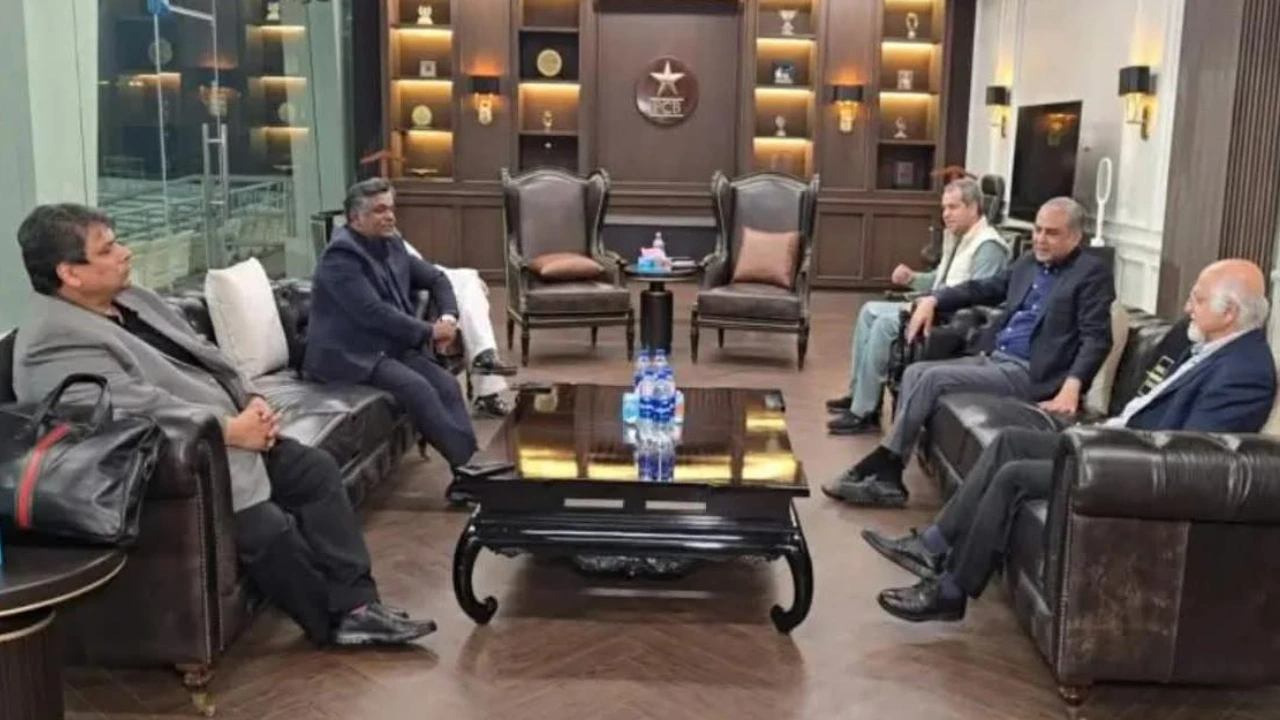
Breaking: India vs Pakistan game to go ahead as scheduled
Mohsin Naqvi cries about Asia Cup row in front of ICC; shock India-Pakistan-Bangladesh Tri-series demand revealed
Mohsin Naqvi cries about Asia Cup row in front of ICC; shock India-Pakistan-Bangladesh Tri-series demand revealed
Mohsin Naqvi cries about Asia Cup row in front of ICC; shock India-Pakistan-Bangladesh Tri-series demand revealed
Tri-series with India, bilateral series resumption: ICC reject PCB’s demands
Tri-series with India, bilateral series resumption: ICC reject PCB’s demands
Tri-series with India, bilateral series resumption: ICC reject PCB’s demands
Jaundiced people: Sunil Gavaskar hits back at Nasser Hussain
BCCI’s central contract list announced, Rohit Sharma and Virat Kohli demoted
BCCI’s central contract list announced, Rohit Sharma and Virat Kohli demoted
BCCI’s central contract list announced, Rohit Sharma and Virat Kohli demoted
BCCI’s central contract list announced, Rohit Sharma and Virat Kohli demoted
Michael Leask turns Virat Kohli, gives Harry Manenti fiery send-off in Scotland vs Italy T20 World Cup clash