Mohsin Naqvi cries about Asia Cup row in front of ICC; shock India-Pakistan-Bangladesh Tri-series demand revealed
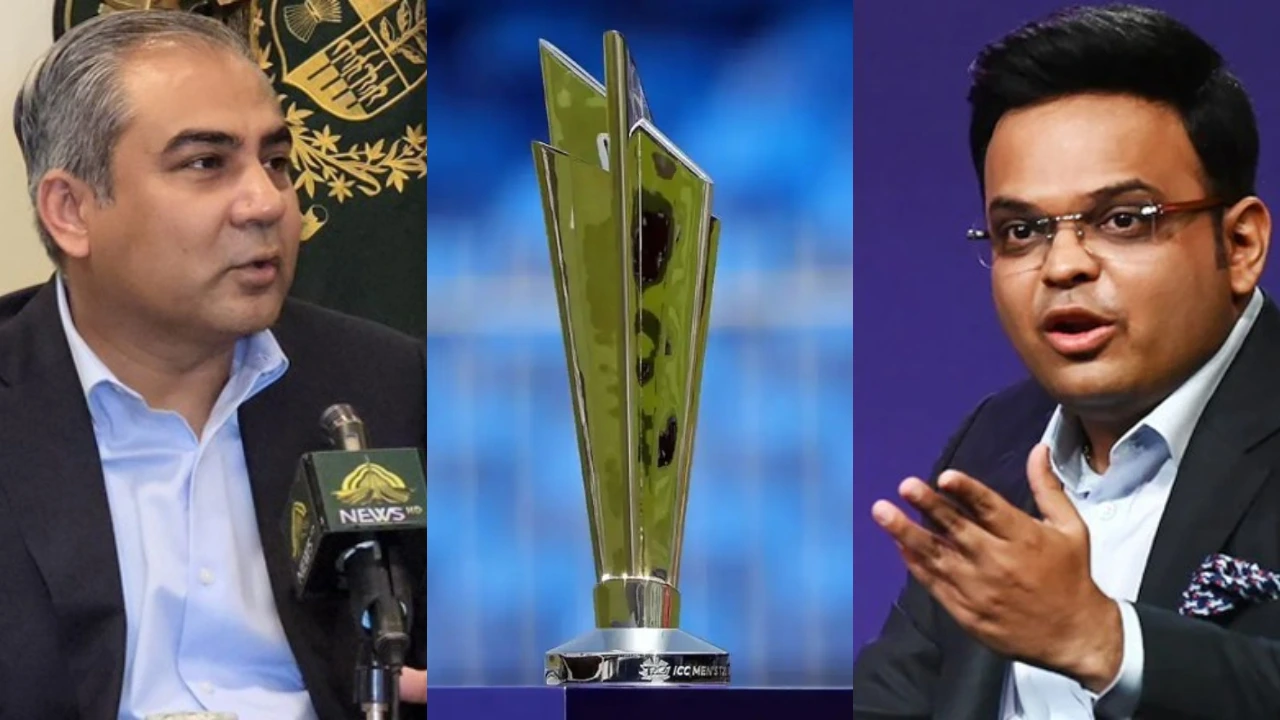
Lahore Drama Unfolds: PCB Chairman Mohsin Naqvi Meets ICC Vice-Chairman Imran Khwaja
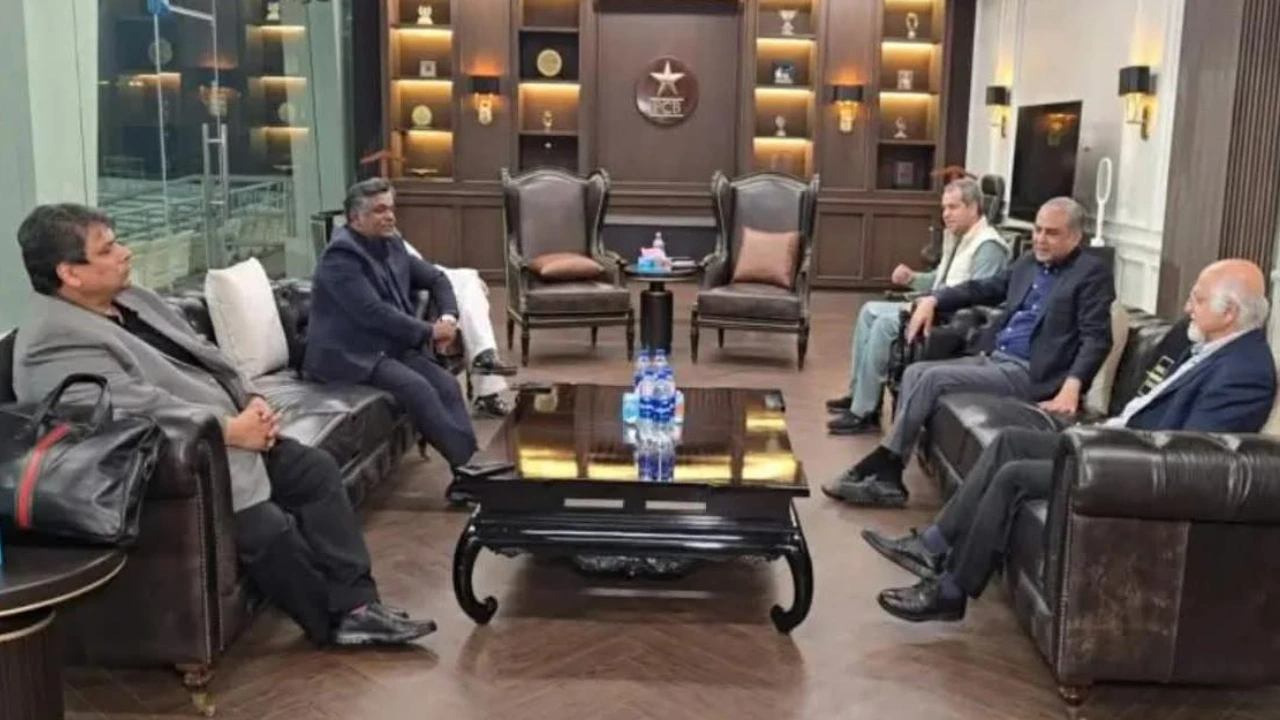
Lahore was the stage for a high-stakes drama as Pakistan Cricket Board (PCB) chairman Mohsin Naqvi met ICC vice-chairman Imran Khwaja at Gaddafi Stadium on Sunday, February 8. The meeting aimed to address the ongoing tensions surrounding Pakistan’s proposed boycott of its T20 World Cup 2026 clash against India in Colombo on February 15.
Asia Cup Trophy Controversy Resurfaces
During the intense discussion, Mohsin Naqvi brought up various issues with the ICC, notably the Asia Cup trophy row. A PCB official revealed, “He questioned Khwaja if the ICC would have remained silent if the Pakistan team had rejected the Asia Cup trophy from any Indian board official during the presentation.”
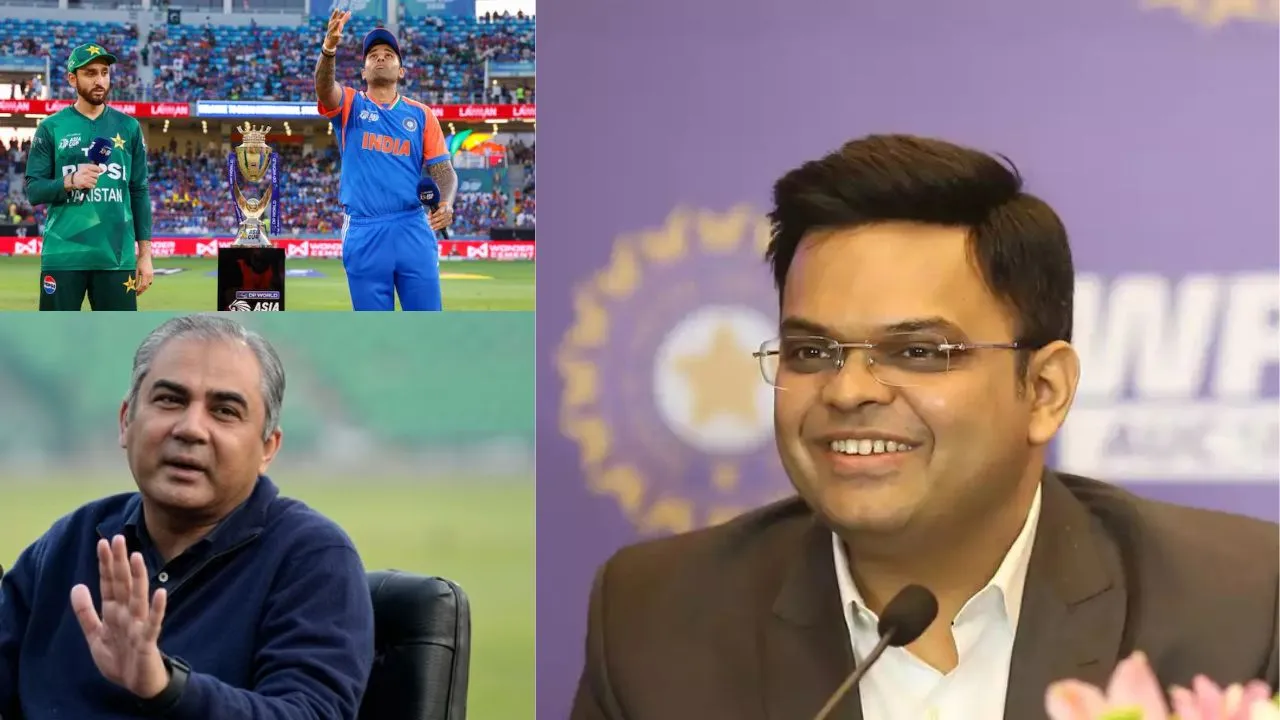
After India emerged victorious over Pakistan in the Asia Cup 2026 final last September, Suryakumar Yadav declined to accept the winner’s trophy from the PCB and ACC chief, who also serves as Pakistan’s Interior Minister. This decision was made amidst the heightened tensions between India and Pakistan following the Pahalgam terror attack and Operation Sindoor.
Naqvi’s actions at the Asia Cup ceremony resulted in a strong reaction from the BCCI, demanding the return of the trophy and labeling his behavior as unprofessional. Despite subsequent meetings between ACC, ICC, and PCB officials, the matter remains unresolved.
Tri-Series Proposal and Future of India-Pakistan Cricket
The controversy has now spilled over into discussions surrounding the T20 World Cup 2026, with PCB leveraging the meeting to revisit past grievances. Mohsin Naqvi expressed feeling ‘humiliated’ during the Asia Cup final ceremony and emphasized the need for resolution.
The ICC, in collaboration with the Bangladesh Cricket Board (BCB), is engaged in negotiations to persuade Pakistan to reconsider the boycott against India. Naqvi is scheduled to meet with Pakistan Prime Minister Shehbaz Sharif on February 9 to discuss the matter further.
In addition to addressing the T20 World Cup 2026 dispute, PCB and BCB are advocating for a larger initiative: a tri-series involving India, Pakistan, and Bangladesh. This proposal aims to revive cricketing ties between the three nations and provide fans with more thrilling matches through a tri-series format.
While the ICC’s stance on the India-Pakistan-Bangladesh ties remains neutral, it is unclear how many of the demands put forth by PCB and BCB have been accepted. The fate of the proposed tri-series will likely hinge on the decisions made by the Board of Control for Cricket in India (BCCI).
Despite plans for a series between India and Bangladesh in September, current political tensions may impact its realization. The ICC is actively working towards resolving these issues through dialogue and negotiation, with the final verdict on the India-Pakistan clash expected to be reached by February 9 or 10.
Future of India-Pakistan Relations in Cricket
As the tensions between India and Pakistan spill over into the realm of cricket, the future of cricketing ties between the two nations remains uncertain. The longstanding rivalry between India and Pakistan on the cricket field has been both intense and passionate, captivating fans on both sides of the border and around the world. However, political tensions and security concerns have often disrupted the regular bilateral series between the two cricketing powerhouses.
Despite the challenges, there have been moments of hope for cricket diplomacy between India and Pakistan. The prospect of a tri-series involving India, Pakistan, and Bangladesh presents an opportunity to foster goodwill and sportsmanship among the nations. Cricket has the unique ability to transcend boundaries and bring people together, and a tri-series could serve as a platform for promoting peace and understanding through the spirit of sportsmanship.
While the PCB and BCB are advocating for the tri-series proposal, the ultimate decision lies with the respective cricket boards, including the BCCI. The BCCI’s stance on cricketing ties with Pakistan has been influenced by political considerations and security concerns, making it a pivotal player in determining the fate of the proposed tri-series.
Impact of Political Tensions on Cricket
The current political tensions between India and Pakistan have a significant impact on cricketing relations between the two countries. The sporadic nature of bilateral series and the uncertainty surrounding matches have led to frustration among players, officials, and fans on both sides. The unpredictability of cricketing engagements has resulted in missed opportunities for players to showcase their talent and for fans to witness thrilling contests between the arch-rivals.
Moreover, the off-field controversies, such as the Asia Cup trophy row, have further strained the already delicate relations between India and Pakistan in cricket. The incidents of players refusing trophies and questioning the professionalism of officials have added fuel to the fire, creating rifts that are challenging to mend.
However, amidst the challenges and controversies, there is a glimmer of hope for reconciliation and cooperation through the spirit of cricket. The meetings between PCB chairman Mohsin Naqvi and ICC vice-chairman Imran Khwaja, as well as the proposed tri-series, indicate a willingness to bridge the divide and revive cricketing ties between the nations.
Role of ICC in Resolving Cricketing Disputes
As the governing body of international cricket, the International Cricket Council (ICC) plays a crucial role in mediating disputes and facilitating discussions between member boards. The ICC’s neutrality and commitment to upholding the spirit of cricket are essential in resolving conflicts and ensuring fair play among nations.
In the case of the T20 World Cup 2026 dispute between Pakistan and India, the ICC’s intervention is vital in finding a mutually acceptable solution that preserves the integrity of the tournament. By engaging with the concerned parties and exploring alternative proposals, the ICC can help navigate the complexities of cricketing relations between India, Pakistan, and Bangladesh.
Ultimately, the future of cricketing ties between India and Pakistan hinges on a delicate balance of sporting competition, political considerations, and diplomatic efforts. As stakeholders work towards finding common ground and fostering goodwill through cricket, the hope remains that the spirit of the game will prevail, transcending boundaries and bringing nations together on the field of play.
By exploring the nuances of the cricketing dispute and highlighting the potential for reconciliation through sports, the expanded content offers a deeper understanding of the complexities involved in India-Pakistan cricket relations.
Latest News
Breaking: India vs Pakistan game to go ahead as scheduled
Mohsin Naqvi cries about Asia Cup row in front of ICC; shock India-Pakistan-Bangladesh Tri-series demand revealed
Mohsin Naqvi cries about Asia Cup row in front of ICC; shock India-Pakistan-Bangladesh Tri-series demand revealed
Mohsin Naqvi cries about Asia Cup row in front of ICC; shock India-Pakistan-Bangladesh Tri-series demand revealed
Tri-series with India, bilateral series resumption: ICC reject PCB’s demands
Tri-series with India, bilateral series resumption: ICC reject PCB’s demands
Tri-series with India, bilateral series resumption: ICC reject PCB’s demands
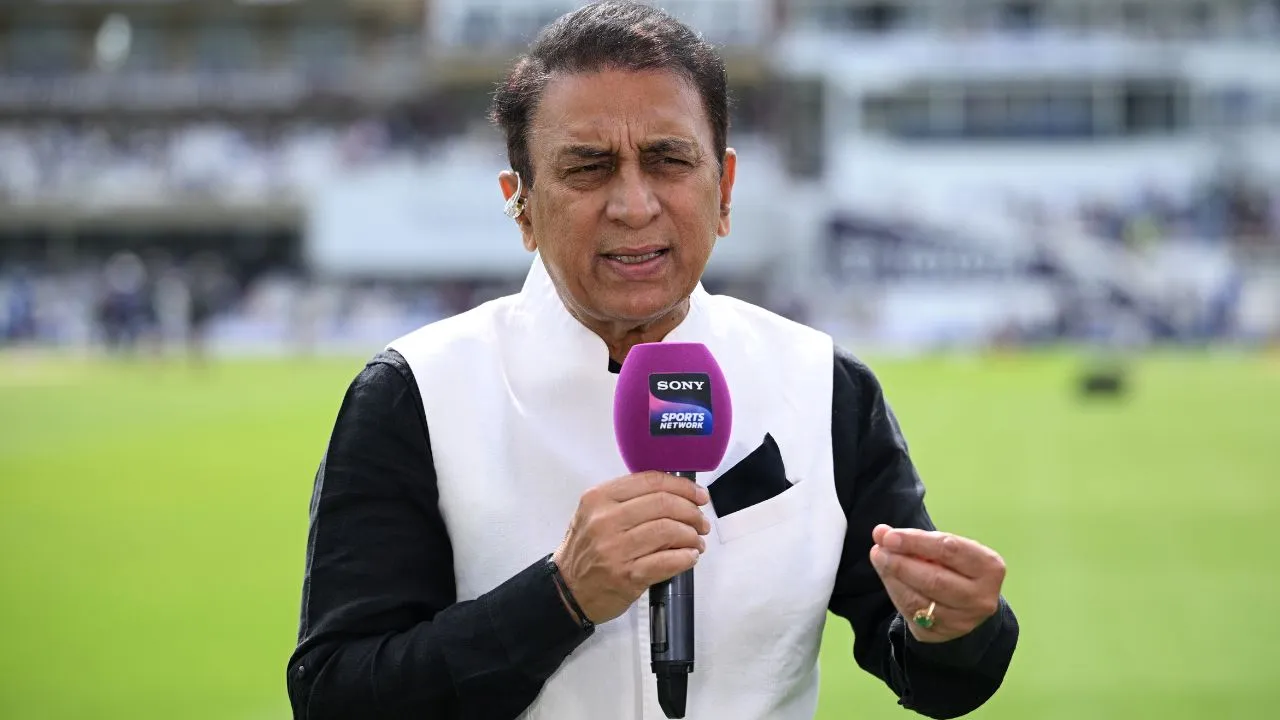
Jaundiced people: Sunil Gavaskar hits back at Nasser Hussain
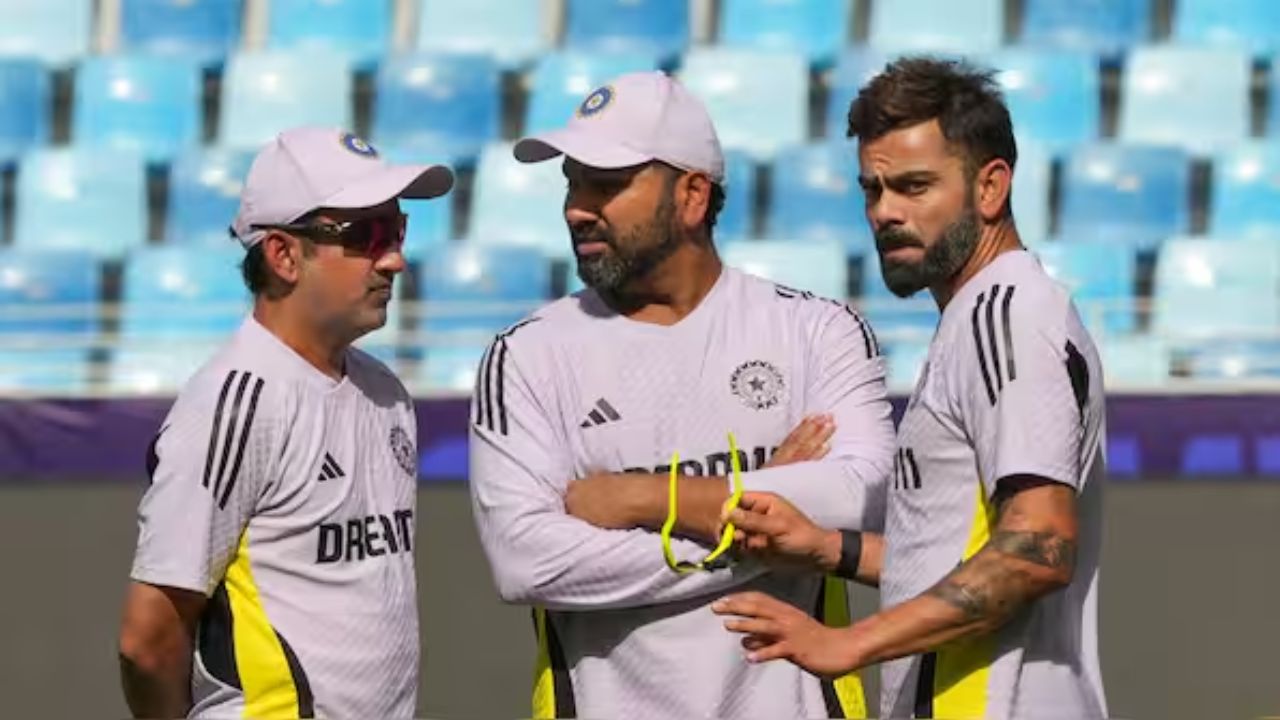
BCCI’s central contract list announced, Rohit Sharma and Virat Kohli demoted
BCCI’s central contract list announced, Rohit Sharma and Virat Kohli demoted
BCCI’s central contract list announced, Rohit Sharma and Virat Kohli demoted
BCCI’s central contract list announced, Rohit Sharma and Virat Kohli demoted
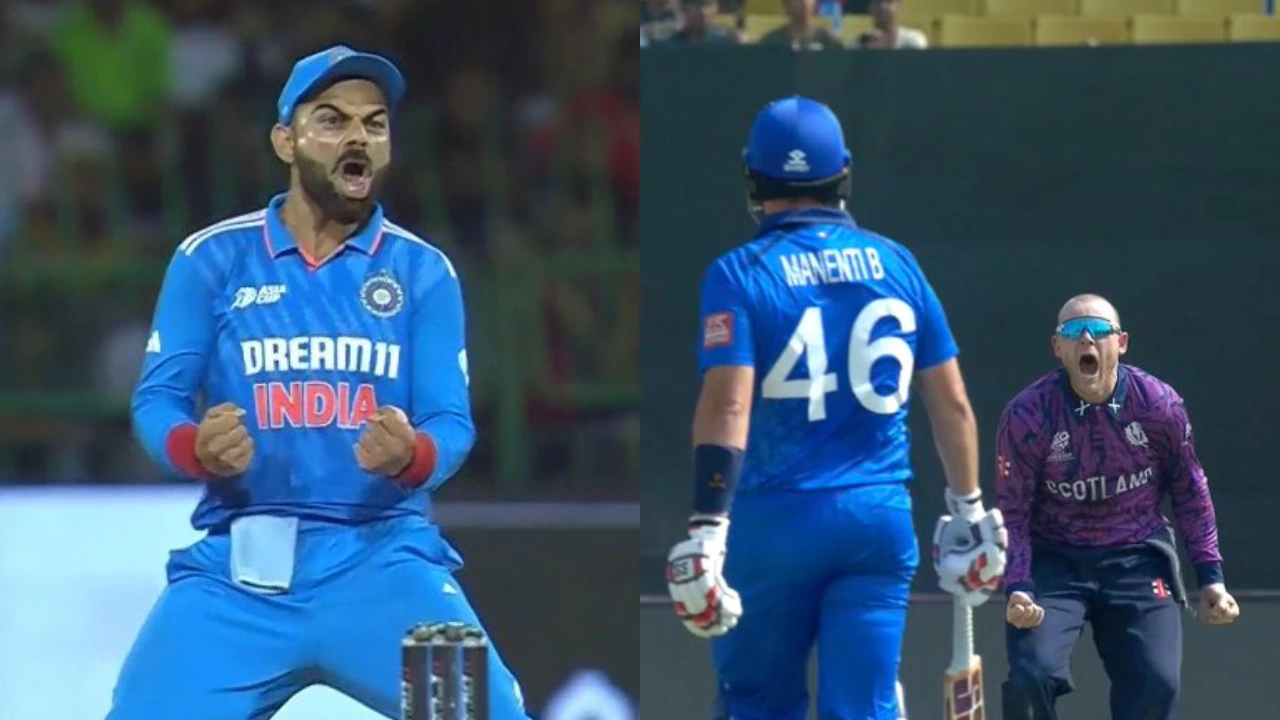
Michael Leask turns Virat Kohli, gives Harry Manenti fiery send-off in Scotland vs Italy T20 World Cup clash
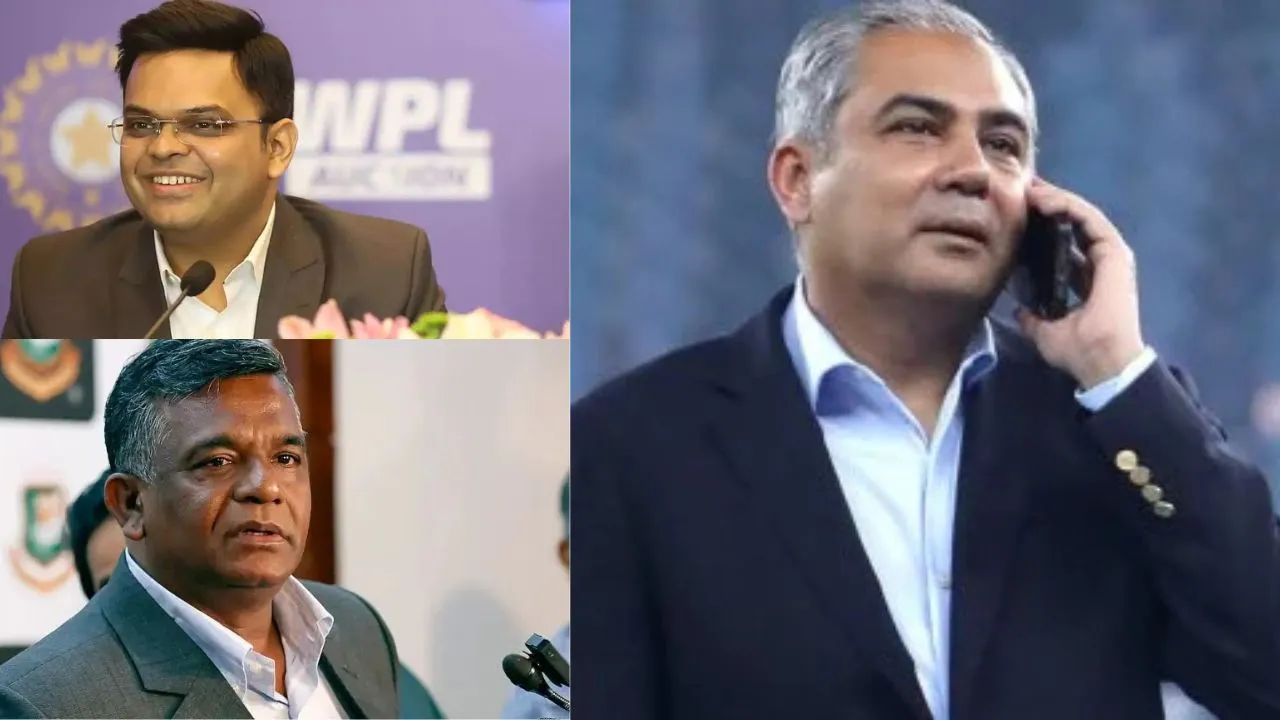
Mohsin Naqvi in trouble! Bangladesh Cricket Board teams up with ICC to end India vs Pakistan row