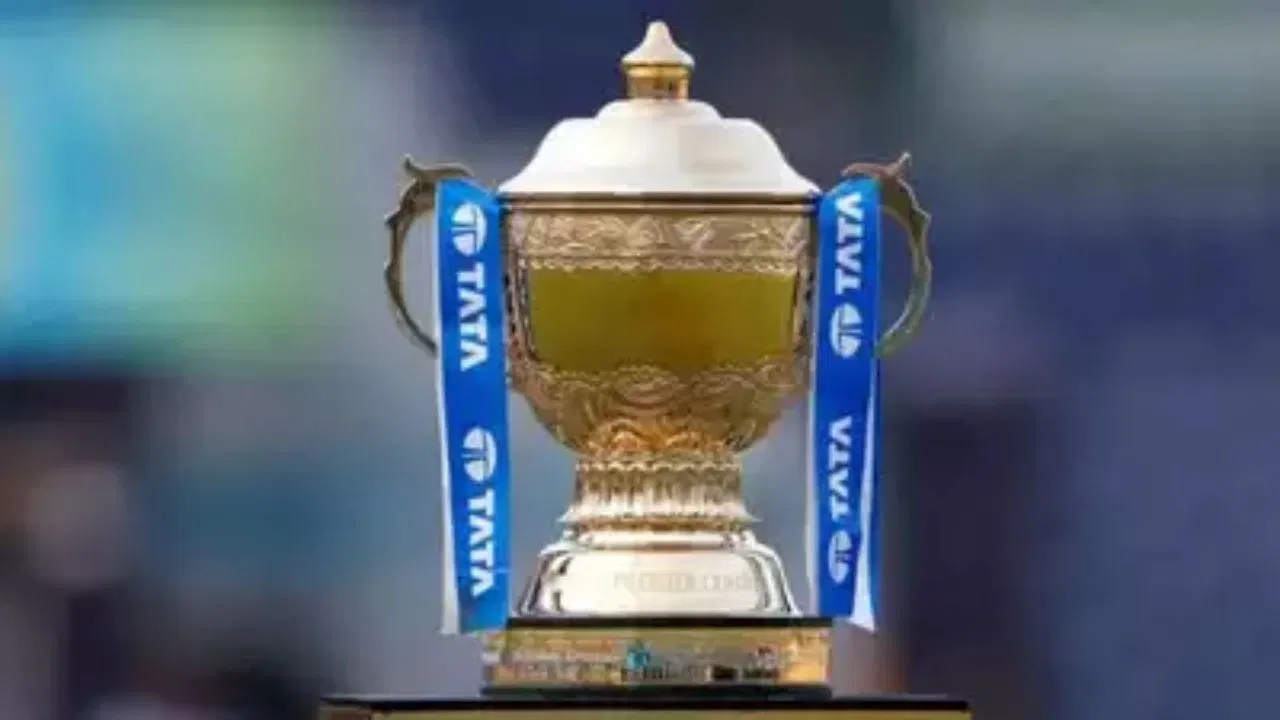
Mohsin Naqvi denies apology reports, dumps Asia Cup trophy at ACC HQ and retreats to Pakistan in shame
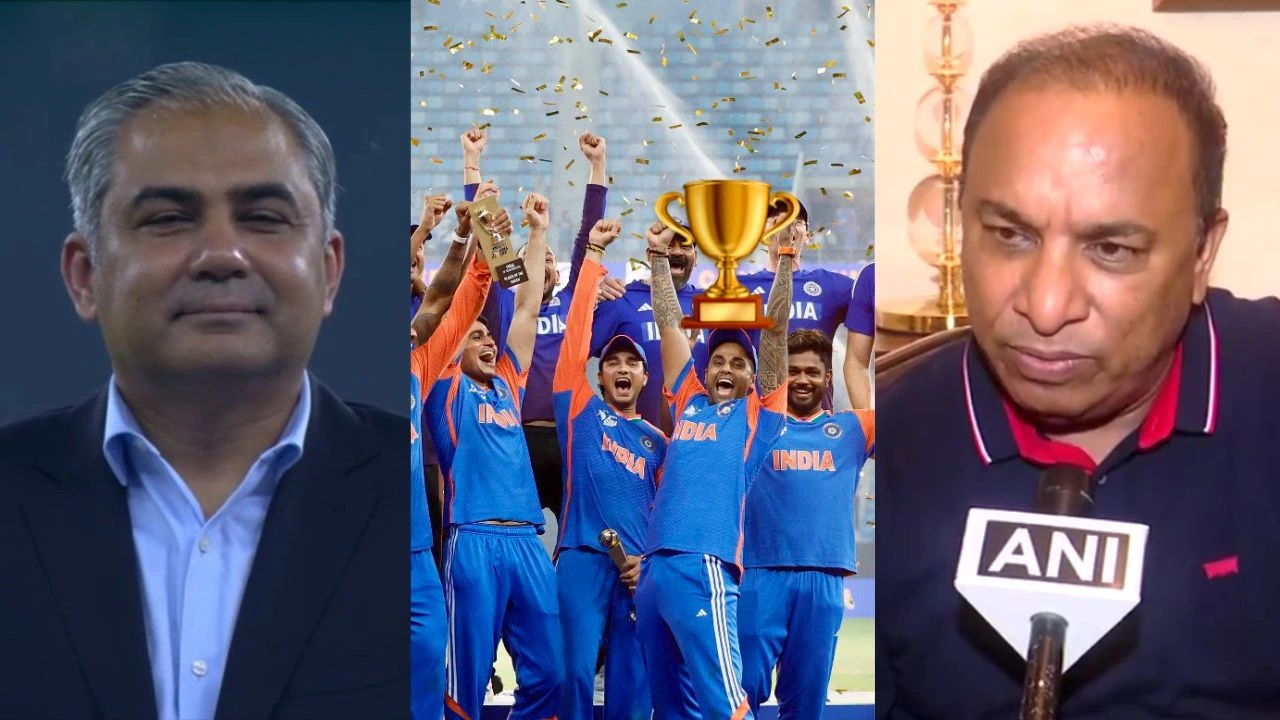
ACC Chairman Mohsin Naqvi Denies Allegations Amid Asia Cup Controversy
After the intense final match of the Asia Cup between India and Pakistan, rumors and controversies have swirled, with accusations directed at Mohsin Naqvi, the ACC Chairman. Reports from Indian media claimed that Naqvi had apologized to the BCCI and handed over the Asia Cup trophy to the ECB amidst allegations of impeachment proceedings being initiated against him by the BCCI.
Mohsin Naqvi Refutes Allegations
Mohsin Naqvi took to social media to vehemently deny these claims. He stated, “Indian media thrives on lies, not facts. Let me make it absolutely clear: I have done nothing wrong, and I have never apologized to the BCCI nor will I ever do so.” Naqvi accused India of injecting politics into cricket, tarnishing the spirit of the game.
Naqvi asserted, “As ACC President, I was ready to hand over the trophy that very day, and I am still ready now. If they truly want it, they are welcome to come to the ACC office and collect it from me.”
Impeachment Proceedings
Following the controversy surrounding the post-match presentation of the Asia Cup trophy, where India emerged victorious, Mohsin Naqvi faced severe criticism from various cricket boards and fans worldwide. The BCCI sought resolution in an ACC meeting, but Naqvi’s response left them unsatisfied, prompting the BCCI to consider escalating the matter to the ICC for breach of conduct.
Recent developments indicate that the BCCI is preparing to push for Naqvi’s impeachment, citing violations of sporting protocols and questioning his impartiality.
Role of Associate Countries
Rohit Juglan, a prominent figure in cricket reporting, revealed that Mohsin Naqvi had returned to Pakistan, leaving the Asia Cup trophy at the ACC Headquarters. Juglan highlighted India’s unilateral actions, such as not shaking hands and refusing to receive the trophy, as key issues in the controversy.
Despite a meeting involving the five Test-playing member nations of the ACC on September 30th failing to resolve the dispute, Juglan confirmed that two officials from Associate countries would play a crucial role in addressing the ongoing controversy.
As tensions continue to rise in the aftermath of the Asia Cup final, Mohsin Naqvi stands firm in his denial of any wrongdoing, setting the stage for a potential showdown between the ACC and the BCCI. The involvement of Associate countries in mediating the situation adds another layer of complexity to this gripping saga in the world of cricket.
Analysis of the Allegations
While the controversy surrounding Mohsin Naqvi and the Asia Cup trophy continues to escalate, it is essential to analyze the implications of these allegations on the broader cricketing landscape. The accusations of political interference and lack of impartiality raise concerns about the integrity of cricket administration in the Asian region. The potential impeachment of Naqvi by the BCCI could have far-reaching consequences, not just for the ACC but for the ICC as a whole.
Furthermore, the role of Associate countries in mediating this dispute underscores the importance of inclusivity and representation in cricket governance. As cricket continues to grow globally, it is crucial for all member nations, regardless of their status, to have a voice in shaping the future of the sport. The involvement of these countries in resolving the conflict demonstrates a commitment to fairness and transparency in cricket administration.
Impact on India-Pakistan Relations
The India-Pakistan rivalry in cricket is legendary, with matches between the two nations often stirring intense emotions and national pride. The controversy surrounding the Asia Cup trophy, with allegations of bias and misconduct, has the potential to strain diplomatic relations between the cricket boards of both countries. The perceived injustices and accusations of unfair treatment could exacerbate existing tensions, both on and off the field.
It is crucial for cricketing authorities to handle this situation with sensitivity and integrity to prevent further escalation of hostilities. The sport has historically served as a platform for fostering goodwill and sportsmanship between nations, and it is imperative that this spirit is upheld in times of conflict and controversy.
Future of Cricket Governance
The unfolding drama surrounding Mohsin Naqvi and the Asia Cup trophy raises questions about the future of cricket governance and the need for accountability and transparency in sports administration. As cricket continues to evolve and expand its global reach, the importance of ethical leadership and fair play cannot be understated.
The controversy serves as a reminder to cricketing authorities worldwide to uphold the values of integrity and honesty in their decision-making processes. It also highlights the need for clear guidelines and protocols to address disputes and allegations of misconduct effectively. The outcome of this saga will undoubtedly shape the future of cricket governance and set a precedent for handling similar situations in the future.
In conclusion, the allegations against Mohsin Naqvi and the subsequent controversy surrounding the Asia Cup trophy have cast a shadow over the world of cricket. As the drama unfolds, it is essential for all parties involved to prioritize fairness, transparency, and the spirit of the game. The resolution of this conflict will not only impact the individuals directly involved but will also shape the future of cricket administration and governance on a global scale.
Latest News
LSG vs DC Match No. 5 Preview: Free Live Streaming, Pitch & Weather Report, Head-to-Head | IPL 2026
LSG vs DC Match Prediction – Who Will Win Match No.5? | IPL 2026
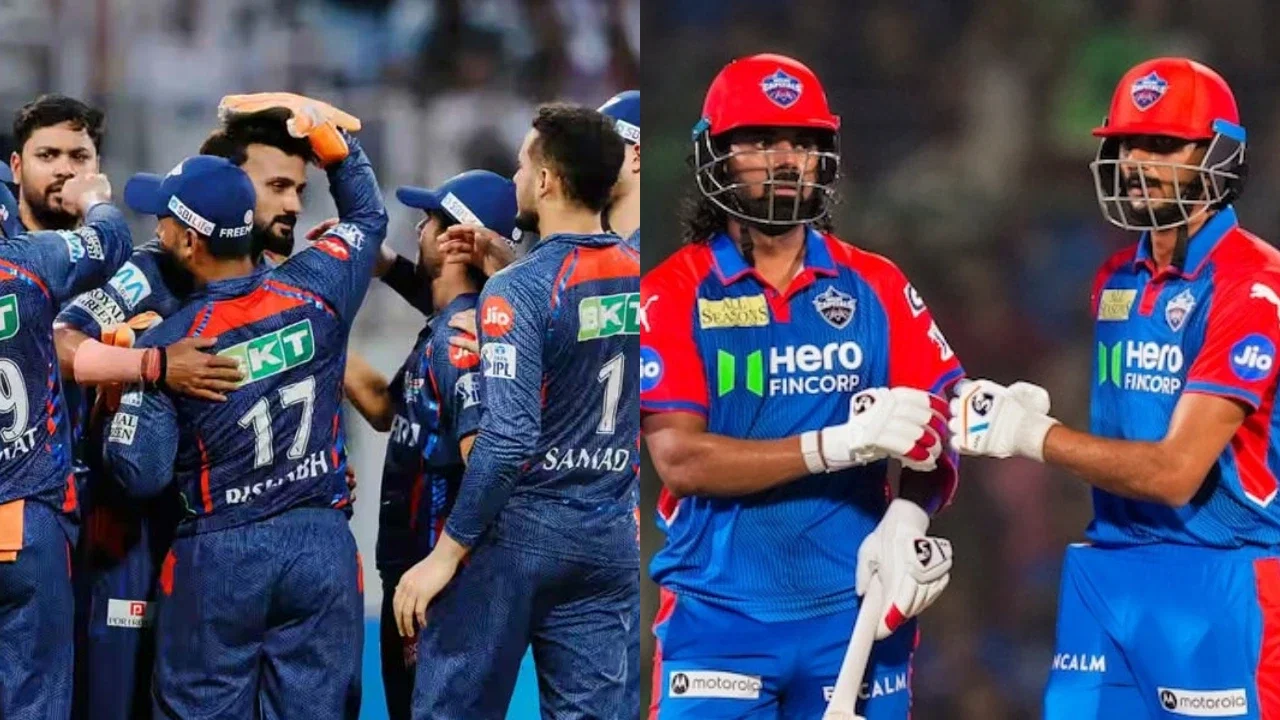
LSG Playing XI vs DC Playing XI – Match No. 5 | IPL 2026
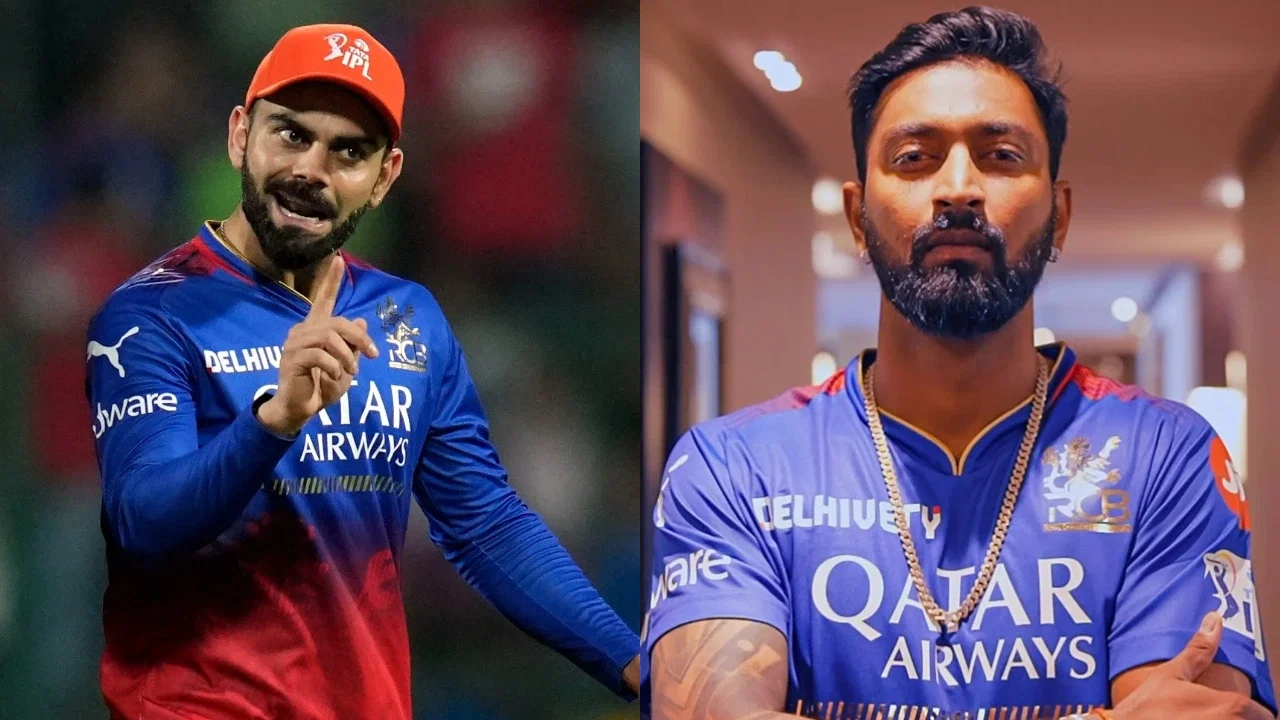
Krunal Pandya breaks silence on India snub, opens up on Virat Kohli
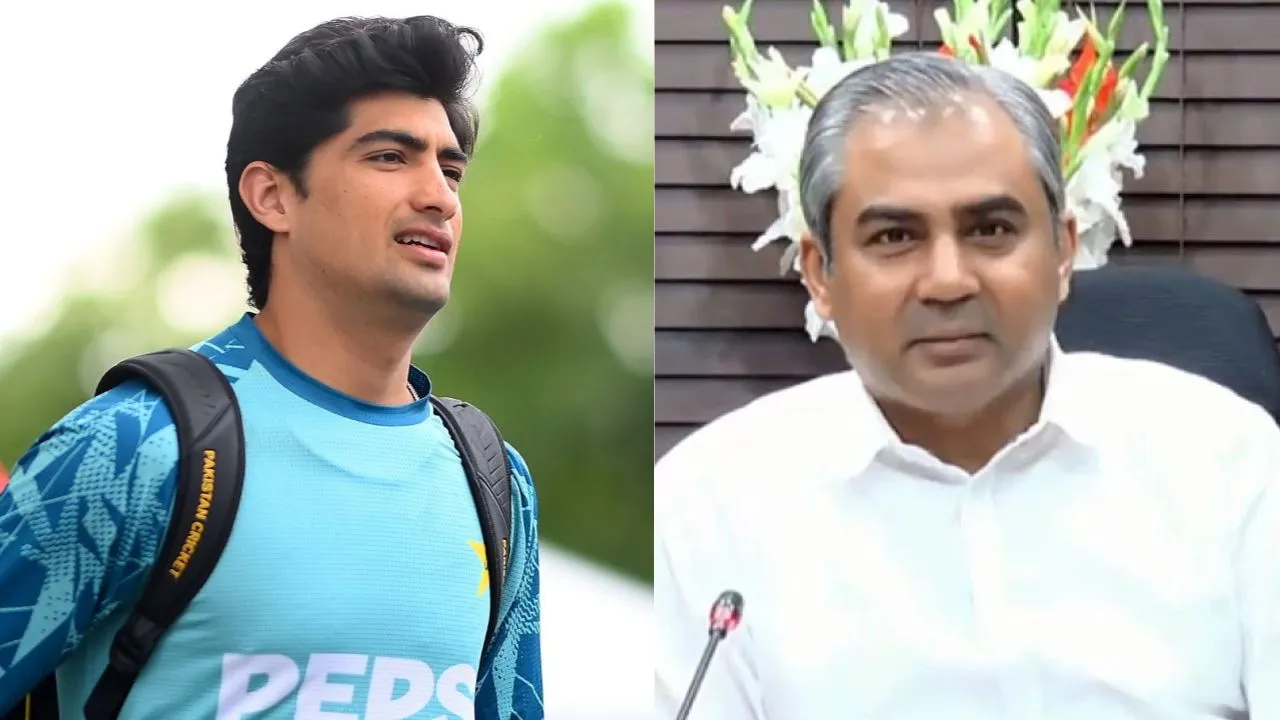
Mohsin Naqvi enforces new social media rules for Pakistan players following Naseem Shah incident
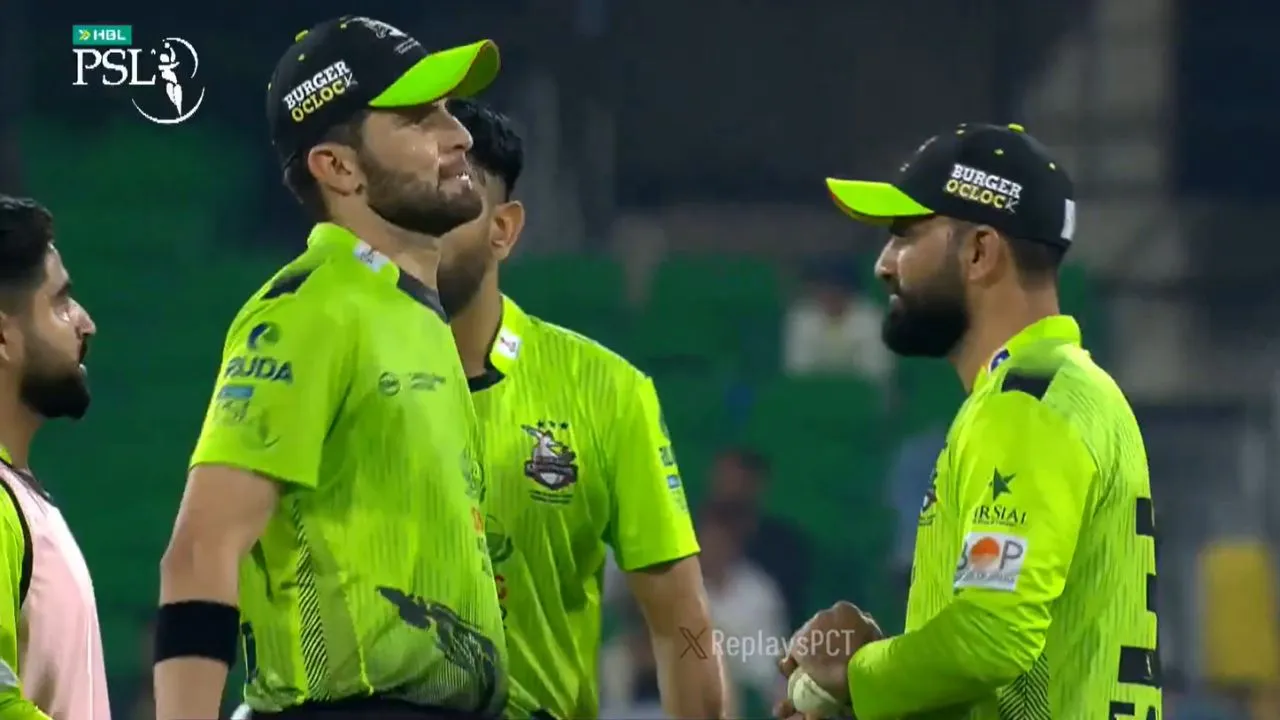
Fakhar Zaman officially handed cricket ban after PSL 2026 ball-tampering controversy
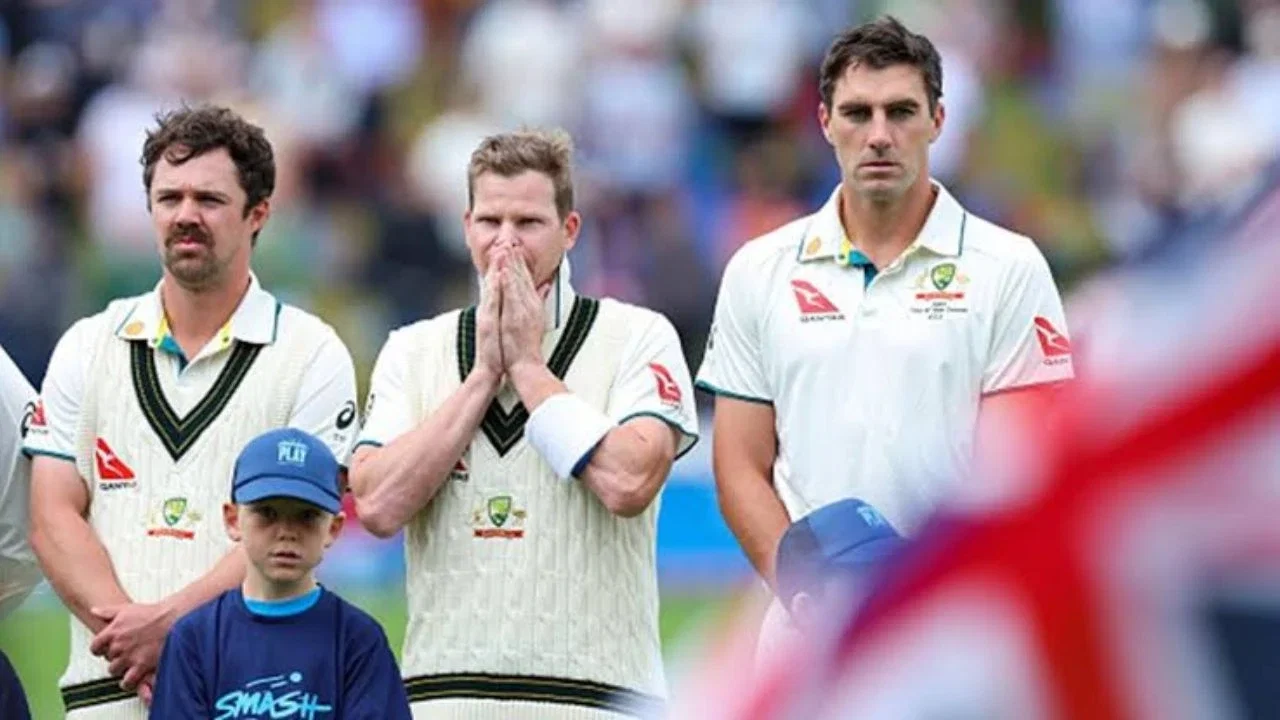
Pat Cummins forces Cricket Australia to slash central contracts list to secure premium deal
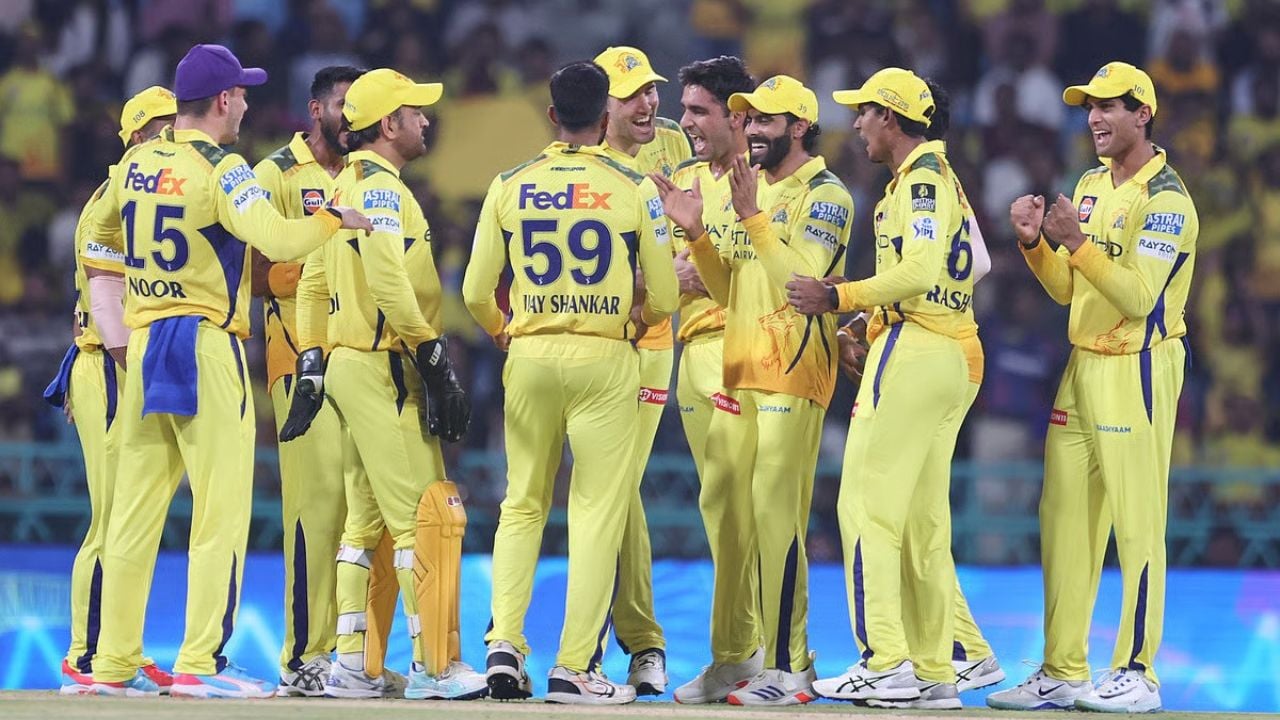
CSK’s big promise to players revealed amid IPL 2026: “Whatever BCCI offers, we’ll double it”
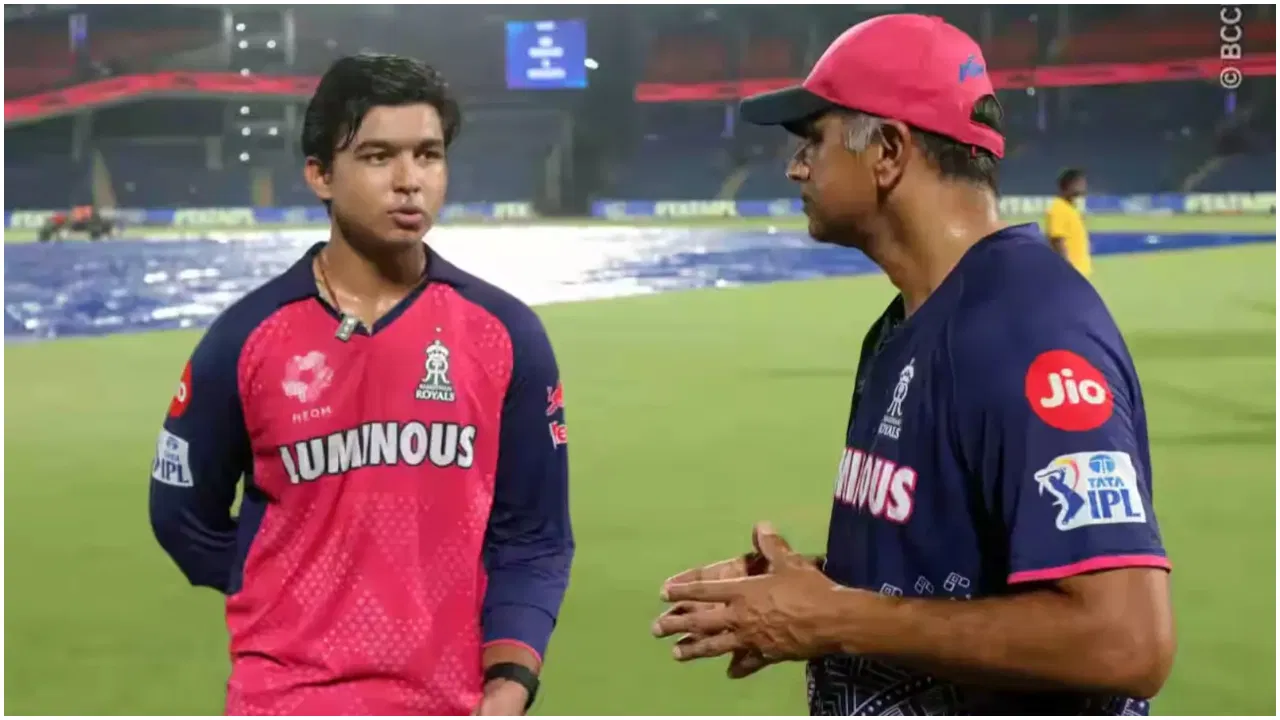
Ravichandran Ashwin rules out Vaibhav Sooryavanshi’s India call-up
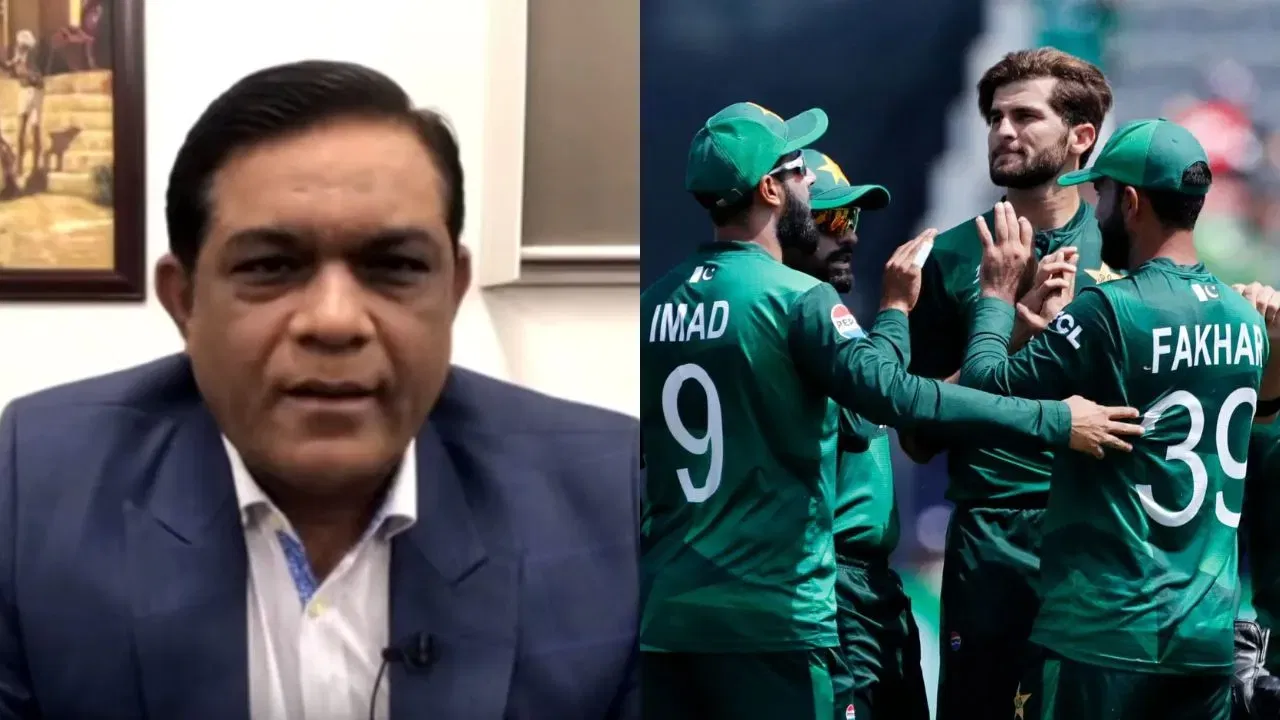
Rashid Latif claims PSL ball-tampering row was deliberately created for attention amid IPL rivalry
Mohammed Shami breaks silence on retirement buzz after India snub; has special message for LSG
Mohammed Shami reveals IPL 2026 Top 4, leaves out five-time champions
Mohammed Shami hits back at Ravichandran Ashwin over LSG’s poor IPL 2026 prediction
Riyan Parag mocked Sanju Samson? Batter’s muscle-flex celebration after sensational 6 vs CSK goes viral