Mohsin Naqvi denies apology reports, dumps Asia Cup trophy at ACC HQ and retreats to Pakistan in shame
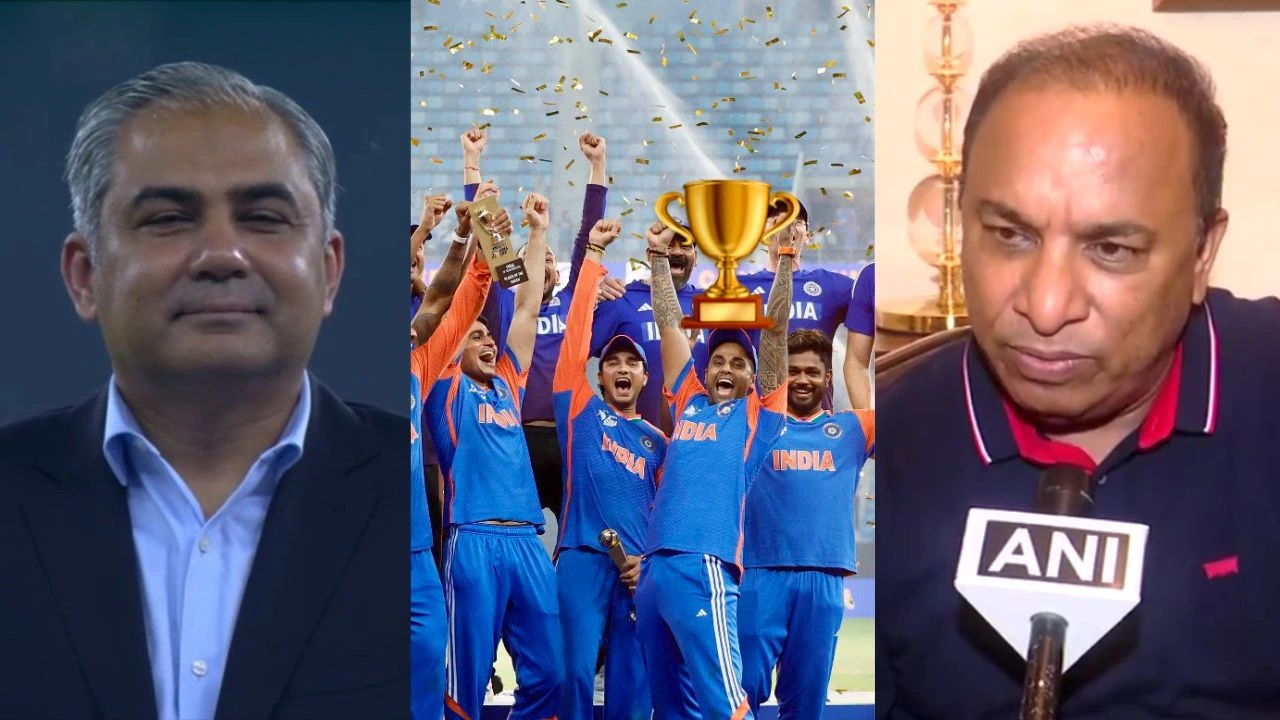
Mohsin Naqvi Denies Apologizing to BCCI and Handing Over Asia Cup Trophy
Mohsin Naqvi, the Chairman of the Asian Cricket Council (ACC), has vehemently denied all reports circulating in the Indian media claiming that he apologized to the Board of Control for Cricket in India (BCCI) and relinquished the Asia Cup trophy to the Emirates Cricket Board (ECB). The controversy arose after the conclusion of the Asia Cup final between India and Pakistan, which saw India emerge victorious.
Naqvi took to his social media account to refute the allegations, stating that he has not apologized to the BCCI nor has he surrendered the trophy to the ECB. He accused India of injecting politics into the sport of cricket, tarnishing its essence. Naqvi expressed his stance, saying, “Indian media thrives on lies, not facts. Let me make it absolutely clear: I have done nothing wrong, and I have never apologized to the BCCI nor will I ever do so.”
He further challenged India to collect the trophy from him at the ACC office if they truly desired it. Naqvi’s firm denial of the claims has stirred further controversy in the aftermath of the Asia Cup final.
Impeachment Proceedings Against ACC Chief Mohsin Naqvi
Following the tense post-match presentation at the Asia Cup final, where India clinched the title, Mohsin Naqvi faced widespread criticism from various cricket boards and fans worldwide. The BCCI initially sought resolution in the ACC meeting but was met with silence from Naqvi, prompting them to consider escalating the matter to the International Cricket Council (ICC) for a breach of conduct.
Recent developments indicate that the BCCI is gearing up to push for the impeachment of Mohsin Naqvi, citing violations of sporting protocols and questioning his impartiality. The situation has escalated into a significant issue within the cricketing community, with the future of the ACC chief hanging in the balance.
Role of Associate Countries in Resolving Trophy Dispute
Reporter Rohit Juglan revealed that Mohsin Naqvi had returned to Pakistan while the Asia Cup trophy remained at the ACC Headquarters. Naqvi acknowledged India’s unilateral actions, such as not participating in customary post-match rituals, which added fuel to the already heated situation.
Juglan also disclosed that two officials from Associate countries would play a pivotal role in addressing the controversy after discussions among the five Test-playing member nations of the ACC failed to reach a resolution. The involvement of these officials highlights the collective effort to navigate the tense aftermath of the Asia Cup final.
As tensions continue to rise in the cricketing world, the fate of Mohsin Naqvi and the handling of the Asia Cup trophy remain central to the ongoing discussions within the ACC and beyond.
Public Outcry and Support for Mohsin Naqvi
Amidst the escalating controversy surrounding Mohsin Naqvi and the Asia Cup trophy, a wave of support has emerged from various quarters of the cricketing world. Fans and supporters of Naqvi have taken to social media to express solidarity, condemning what they perceive as a smear campaign against the ACC Chairman. Hashtags such as #IStandWithNaqvi and #JusticeForNaqvi have gained traction online, with users calling for a fair and unbiased investigation into the allegations leveled against him.
Former players and cricketing legends have also weighed in on the issue, with many voicing their support for Naqvi and emphasizing the need for due process and transparency in resolving the dispute. The outpouring of public support underscores the significance of the situation not just within the administrative realms of cricket but also among the passionate fan base that drives the sport.
Impact on Indo-Pak Cricket Relations
The fallout from the Asia Cup final and the subsequent controversy involving Mohsin Naqvi has had ripple effects on the already delicate cricketing relations between India and Pakistan. The heated exchange of accusations and denials has further strained the ties between the two neighboring nations, reflecting the broader political and cultural tensions that often permeate their sporting encounters.
The imbroglio surrounding the trophy dispute has reignited debates about the role of politics in cricket and the challenges of maintaining sportsmanship in high-stakes matches. As the situation unfolds, stakeholders from both countries are closely monitoring the developments, with hopes for a resolution that does not exacerbate the existing tensions between India and Pakistan.
Lessons in Crisis Management for Sporting Organizations
The controversy surrounding Mohsin Naqvi and the handling of the Asia Cup trophy serve as a cautionary tale for sporting organizations worldwide. The rapid escalation of a post-match dispute into a full-blown impeachment crisis highlights the importance of effective communication, conflict resolution mechanisms, and adherence to established protocols in managing such situations.
Key takeaways from this episode include the necessity of transparency in administrative decisions, the critical role of independent oversight bodies in resolving disputes, and the imperative of upholding the integrity and spirit of the game above all else. The handling of the Naqvi saga offers valuable insights for sports administrators on crisis management, governance best practices, and the enduring need for ethical conduct in the realm of sports administration.
The Way Forward: Reconciliation and Redemption
As the cricketing world grapples with the fallout from the Asia Cup final and its aftermath, there is an opportunity for all parties involved to seek reconciliation and redemption. The ACC, under the leadership of Mohsin Naqvi or his potential successor, must prioritize dialogue, transparency, and fair play in addressing the lingering tensions stemming from the trophy dispute.
By engaging in constructive conversations, acknowledging past mistakes, and committing to upholding the values of sportsmanship and mutual respect, the cricketing community can emerge stronger from this episode. The focus should shift from blame and recriminations towards fostering a culture of collaboration, accountability, and unity within the global cricket fraternity.
Ultimately, the resolution of the Asia Cup trophy saga presents a unique opportunity for introspection, growth, and reconciliation within the cricketing ecosystem, paving the way for a more harmonious and inclusive future for the sport we all cherish.
Latest News
Shubman Gill out? Virat Kohli’s Test comeback as captain suggested by CSK legend
Jason Gillespie gives major update on Glenn Maxwell’s availability for PSL 2026
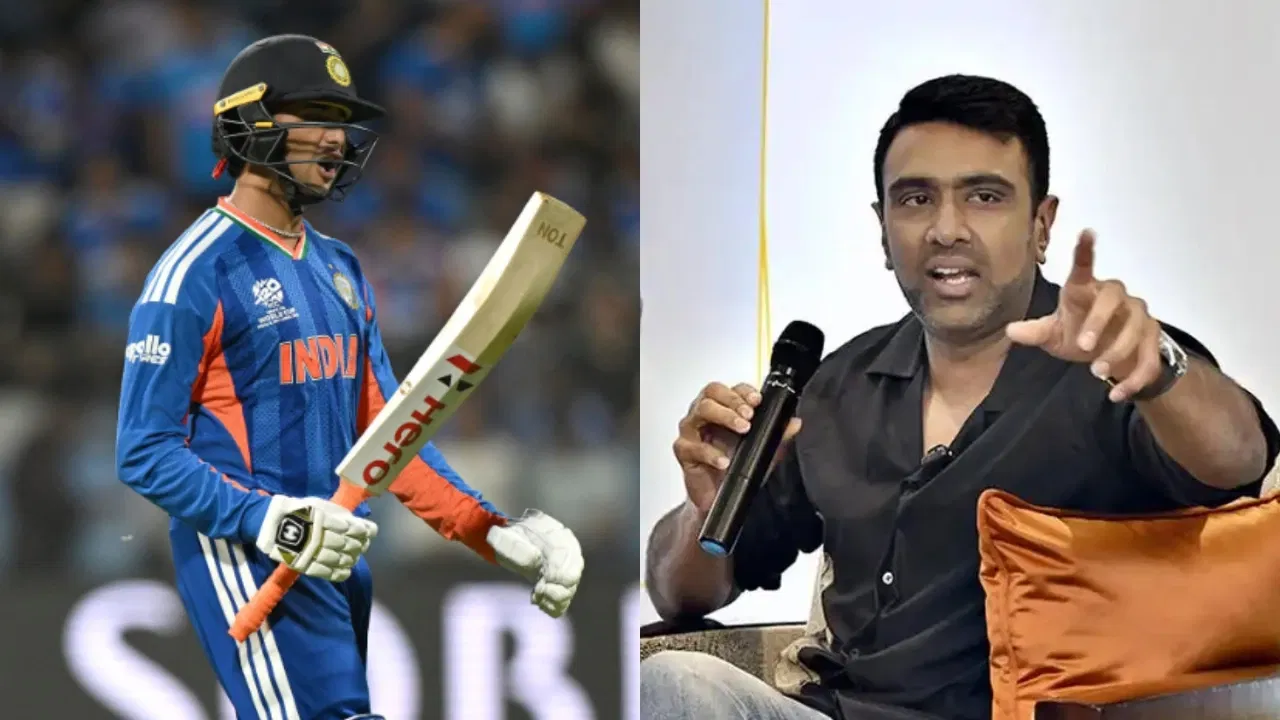
‘I’m a big fan but…’: Ravichandran Ashwin criticises Abhishek Sharma after failure vs RCB.

LHQ vs KRK Match Prediction, Pitch & Weather Report, Playing XIs, Head-to-Head, Free Live Streaming – PSL 2026 Match 6
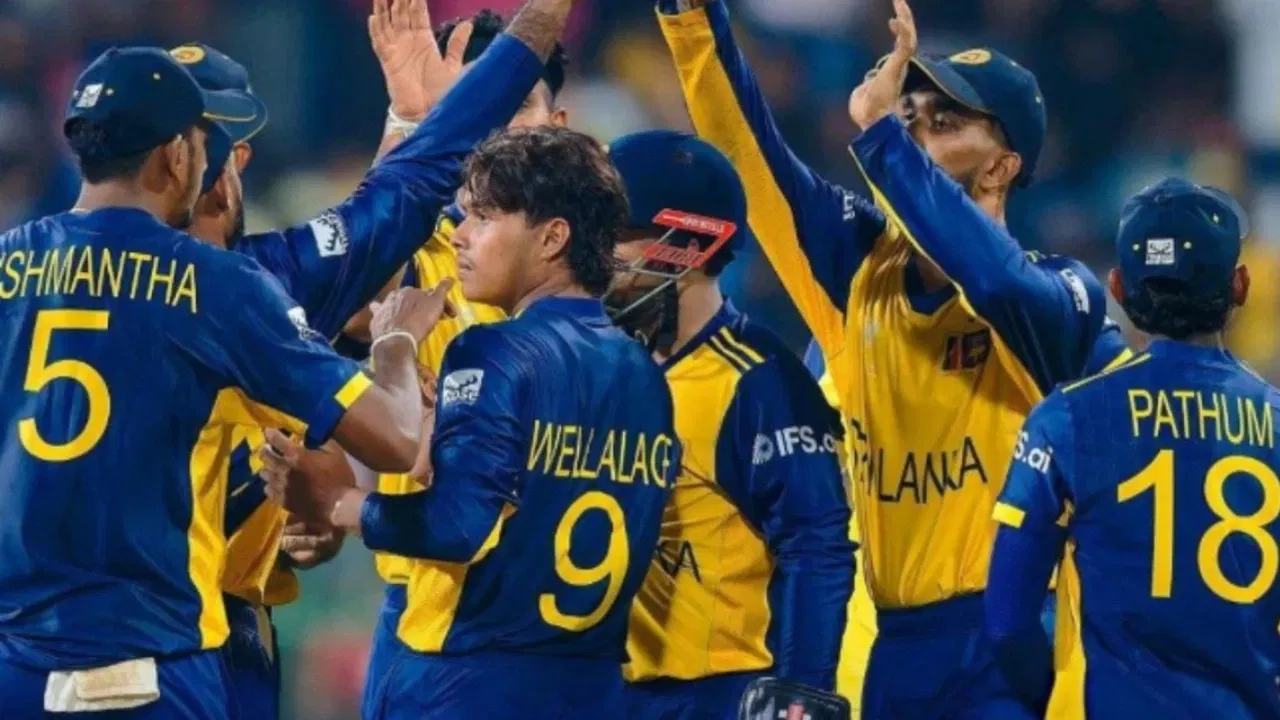
IPL teams on alert!: Sri Lanka fitness crisis sees almost 50% players fail tests
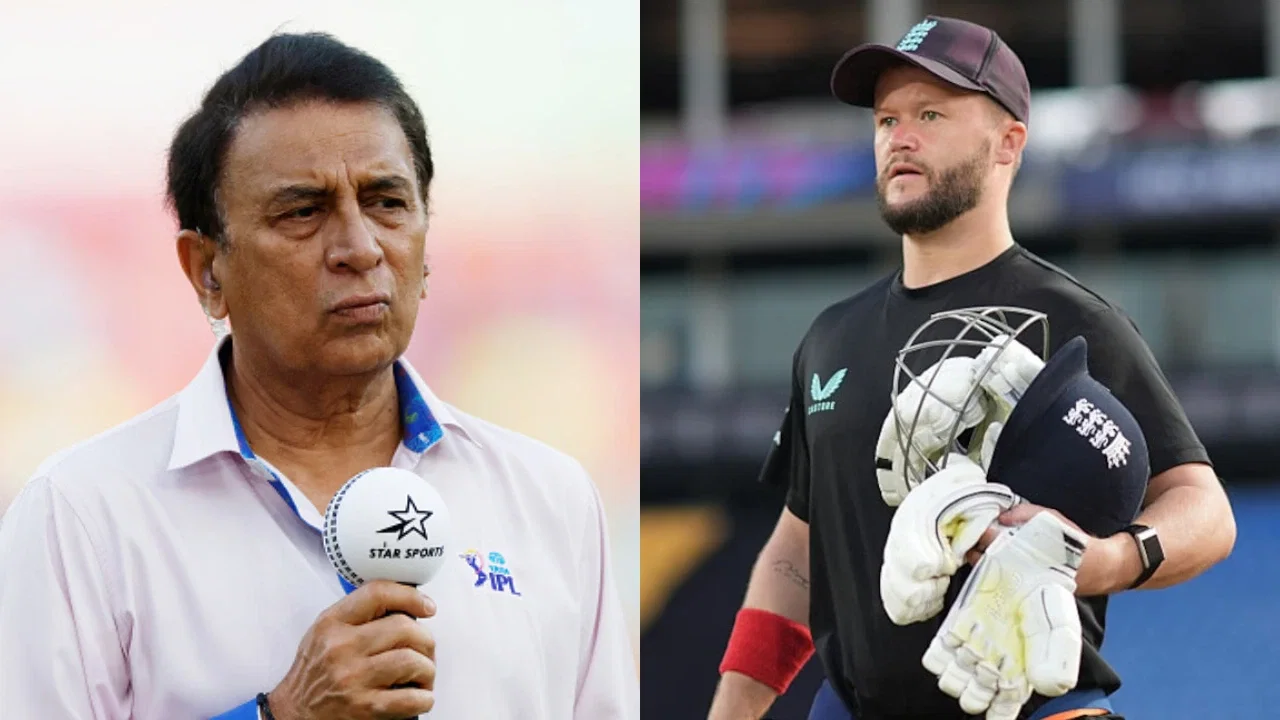
Ben Duckett in trouble? Sunil Gavaskar pushes BCCI for tougher punishment
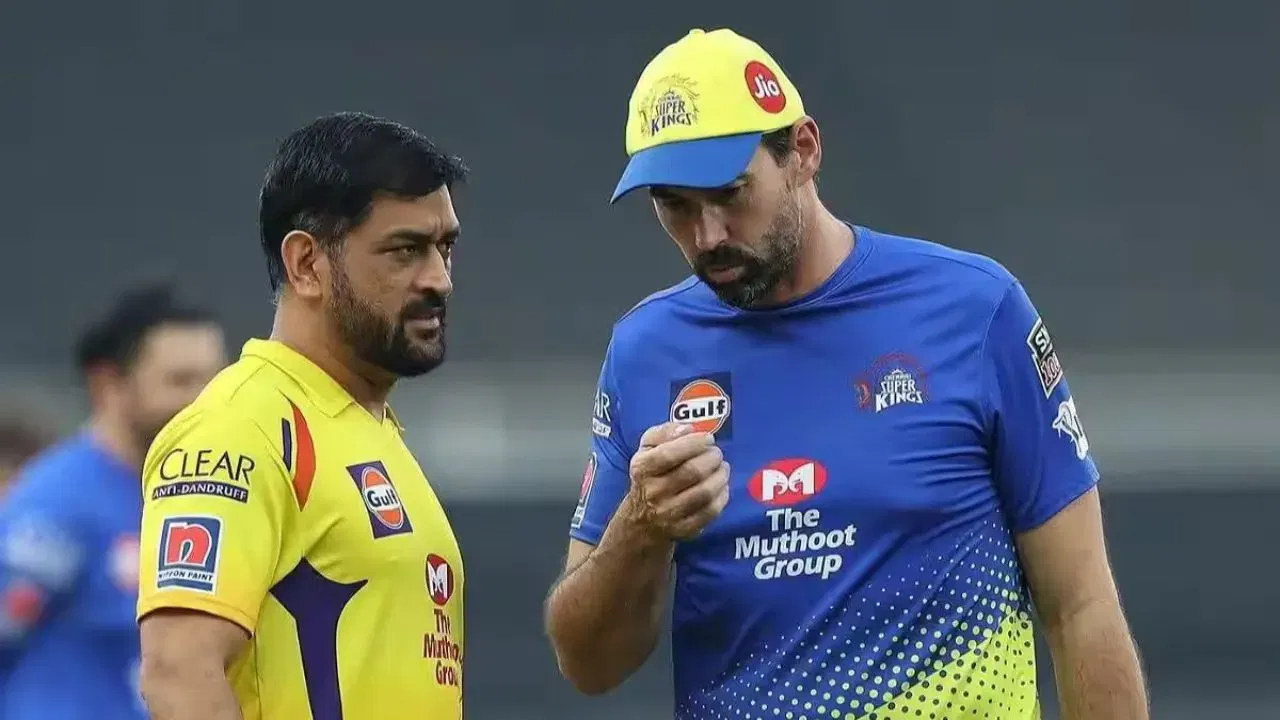
MS Dhoni faking injury? Michael Vaughan suspects ‘strategic manoeuvre’ in CSK camp for IPL 2026
KKR coach criticises Impact Player rule, provides huge Matheesha Pathirana update

Sam Curran reveals private chat with Brendon McCullum after England axing
Ravichandran Ashwin brutally teased by Virender Sehwag on IPL 2026 debut
Virat Kohli’s ego under spotlight! Ex-KKR star makes bold claim after heroics vs SRH
Jay Shah rises to No. 22 among most powerful people in India in 2026; Virat Kohli, Gautam Gambhir included

SRH suffer huge blow! Daniel Vettori confirms another overseas pacer injured amid crisis
IPL Points Table 2026: Updated Standings, Orange Cap, Purple Cap After RCB vs SRH Match 1