Mohsin Naqvi ends ICC boycott out of fear, attends meeting as BCCI escalates Asia Cup issue

Pakistan Cricket Board Chairman Mohsin Naqvi Attends ICC Meeting Amidst Asia Cup Trophy Controversy
After much speculation and doubts surrounding his attendance, Pakistan Cricket Board (PCB) chairman Mohsin Naqvi has finally arrived at the ICC headquarters in Dubai to participate in the ongoing ICC meeting. The presence of Naqvi at the meeting comes at a crucial time as tensions have been rising over the Asia Cup 2025 trophy controversy.
Asia Cup Trophy Handover Dispute
India found itself in a challenging situation during the Asia Cup 2025 when they refused to accept the trophy from ACC Chairman Mohsin Naqvi. Naqvi, who also plays a significant role in the Pakistan internal ministry and the PCB, insisted that the trophy could only be handed over to an Indian player at the ACC headquarters in Dubai.
The Board of Control for Cricket in India (BCCI) had threatened to escalate the issue in the ICC meeting, asserting their right to claim the trophy as the rightful winners. The ongoing dispute had added pressure on Naqvi to resolve the matter and hand over the trophy to India.
BCCI’s Stance and Potential Escalation
The BCCI had been pressuring Naqvi to send the Asia Cup Trophy to India, but the chairman stood firm on his decision, leading to a deadlock in the situation. The BCCI had hinted at escalating the matter in the ICC board meeting to ensure a resolution in their favor.
Despite not taking any immediate action during the first half of the ICC meeting, the BCCI officials are expected to address the issue with Naqvi’s presence, potentially leading to a decisive discussion and outcome regarding the Asia Cup Trophy controversy.
BCCI Announces Venues for ICC T20 World Cup 2026
Meanwhile, the BCCI has made significant progress in planning for the upcoming ICC T20 World Cup 2026, where India will be hosting alongside Sri Lanka. The Indian board has identified Chennai, Delhi, Kolkata, Mumbai, and Ahmedabad as the primary venues for the tournament, with each city set to host 5-6 matches.
Additionally, Sri Lanka will host all their matches as well as all matches of the Pakistan National team. The knockout stage of the tournament will be held in India, with the exception of Sri Lanka and Pakistan if they qualify for the knockout games. In the event of Pakistan reaching the final, the T20 World Cup final will be relocated to Sri Lanka from India.
The detailed schedule for the ICC T20 World Cup 2026 is expected to be announced soon, as preparations for the tournament continue to progress.
Overall, the presence of Mohsin Naqvi at the ICC meeting in Dubai amidst the Asia Cup trophy controversy sets the stage for crucial discussions and potential resolutions, while the BCCI’s announcement of venues for the upcoming T20 World Cup 2026 adds excitement and anticipation for cricket fans around the world.
Challenges in Trophy Handover Process
The Asia Cup Trophy handover dispute highlights the complexities involved in the process of transferring trophies and awards in international cricket. With multiple stakeholders involved, including cricket boards, tournament organizers, and players, ensuring a smooth and diplomatic handover becomes essential to maintain sportsmanship and goodwill among nations. The incident between India and Pakistan serves as a reminder of the delicate nature of such ceremonies and the need for clear communication and protocols to avoid misunderstandings and conflicts.
Importance of Transparency and Communication
Effective communication and transparency are key factors in resolving disputes like the Asia Cup Trophy controversy. Clear guidelines and agreements on trophy handovers should be established well in advance to prevent any last-minute disagreements or misunderstandings. By fostering open communication channels between cricket boards and tournament organizers, future incidents can be mitigated, ensuring a more harmonious and respectful exchange of trophies and awards in the world of cricket.
Political and Cultural Implications
Cricket, being a sport closely intertwined with politics and cultural identities, often reflects the broader socio-political landscape of the countries involved. The Asia Cup Trophy controversy between India and Pakistan not only highlights the sporting rivalry between the two nations but also underscores the historical and cultural sensitivities that can influence such disputes. Understanding the political and cultural contexts surrounding cricket events is crucial in addressing conflicts and finding mutually acceptable solutions to contentious issues.
Future of ICC T20 World Cup 2026
The announcement of venues for the ICC T20 World Cup 2026 by the BCCI signals the exciting prospects and preparations underway for one of cricket’s most prestigious tournaments. With India and Sri Lanka set to host the event, cricket fans can look forward to an exhilarating display of talent and competition across iconic venues in both countries. The strategic selection of cities for hosting matches and the division of responsibilities between India and Sri Lanka demonstrate careful planning and coordination to ensure a successful and memorable tournament for players and spectators alike.
Global Impact of ICC Events
ICC tournaments like the T20 World Cup have a significant global impact, attracting audiences from diverse cultures and regions to come together in the spirit of sportsmanship and unity. The upcoming T20 World Cup 2026 presents an opportunity for cricket-loving nations to celebrate the sport and showcase their passion for the game on an international stage. As preparations for the tournament unfold and teams gear up for fierce competition, the anticipation and excitement among fans worldwide continue to build, emphasizing the universal appeal and unifying power of cricket as a sport.
In conclusion, the Asia Cup Trophy controversy and the announcement of venues for the ICC T20 World Cup 2026 underscore the intricacies and excitement of international cricket events. While challenges and disputes may arise, proactive communication, respect for cultural sensitivities, and strategic planning play vital roles in ensuring the success and integrity of tournaments. As cricket enthusiasts eagerly await the unfolding of future events, the spirit of sportsmanship and camaraderie prevails, uniting nations through the shared love of the game.
Latest News
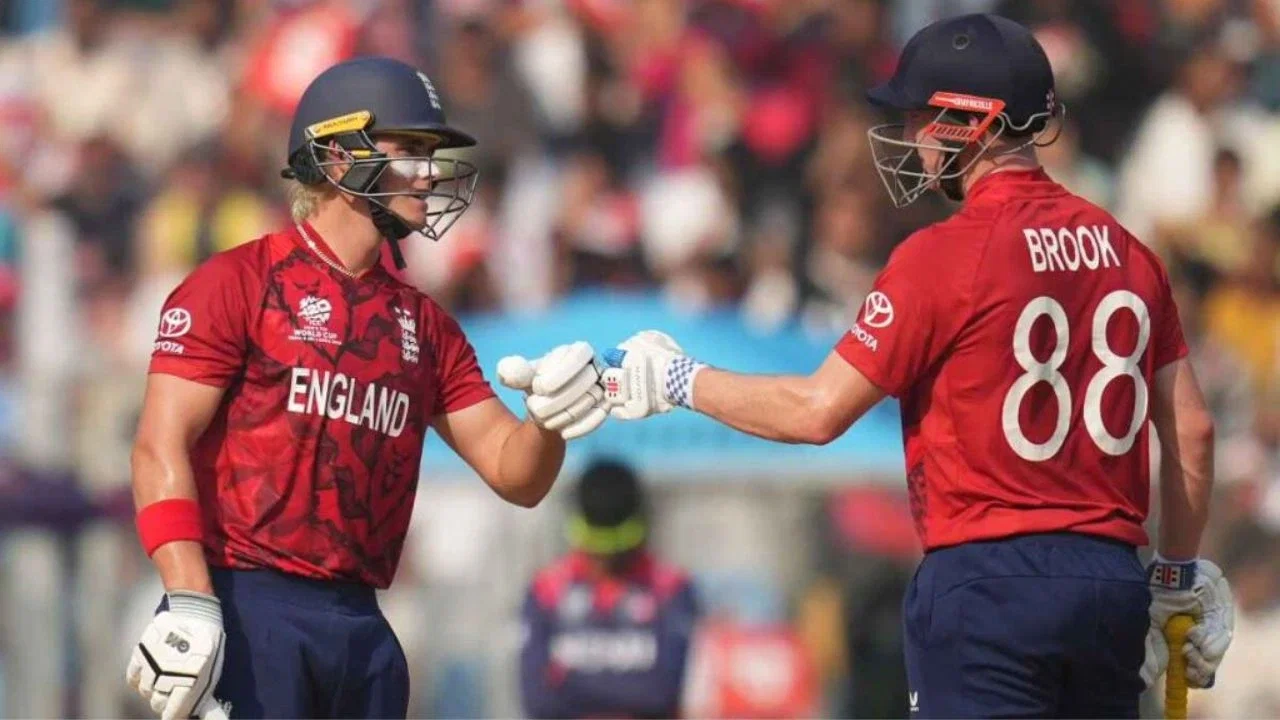
Harry Brook and Jacob Bethell punished after conduct probe by cricket regulator
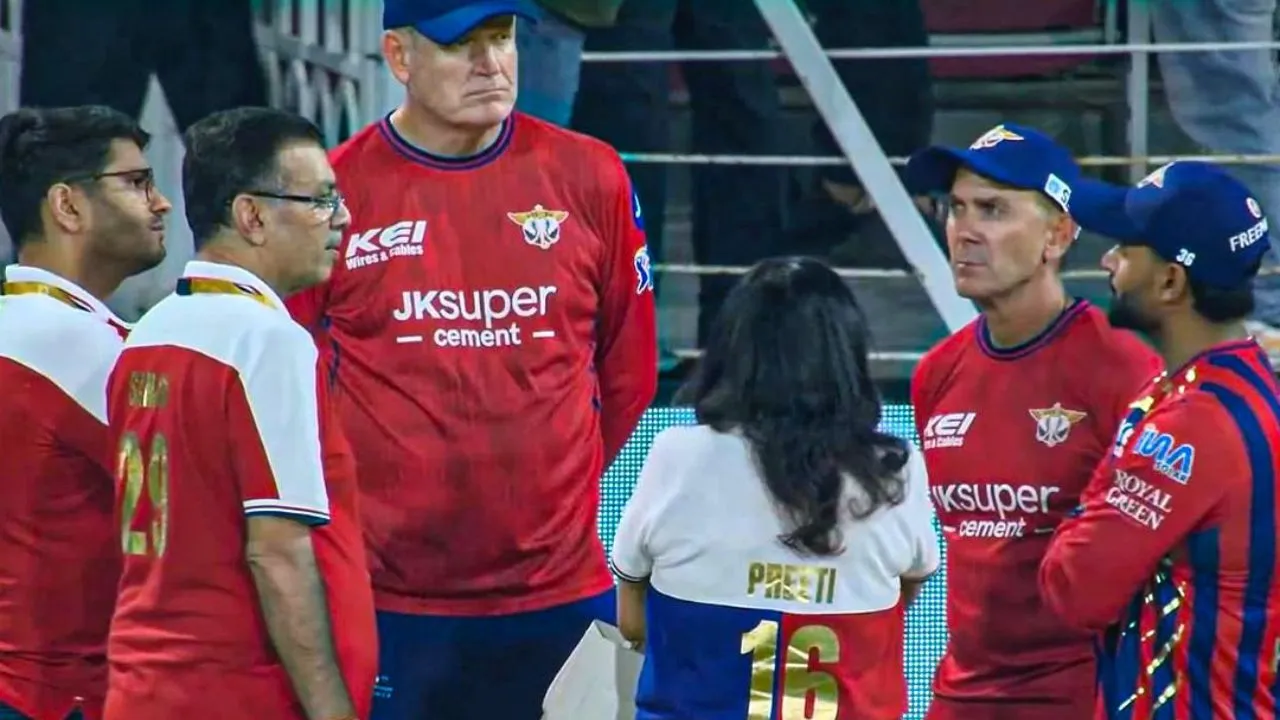
Sanjiv Goenka engages in heated chat with LSG coaches after loss to DC
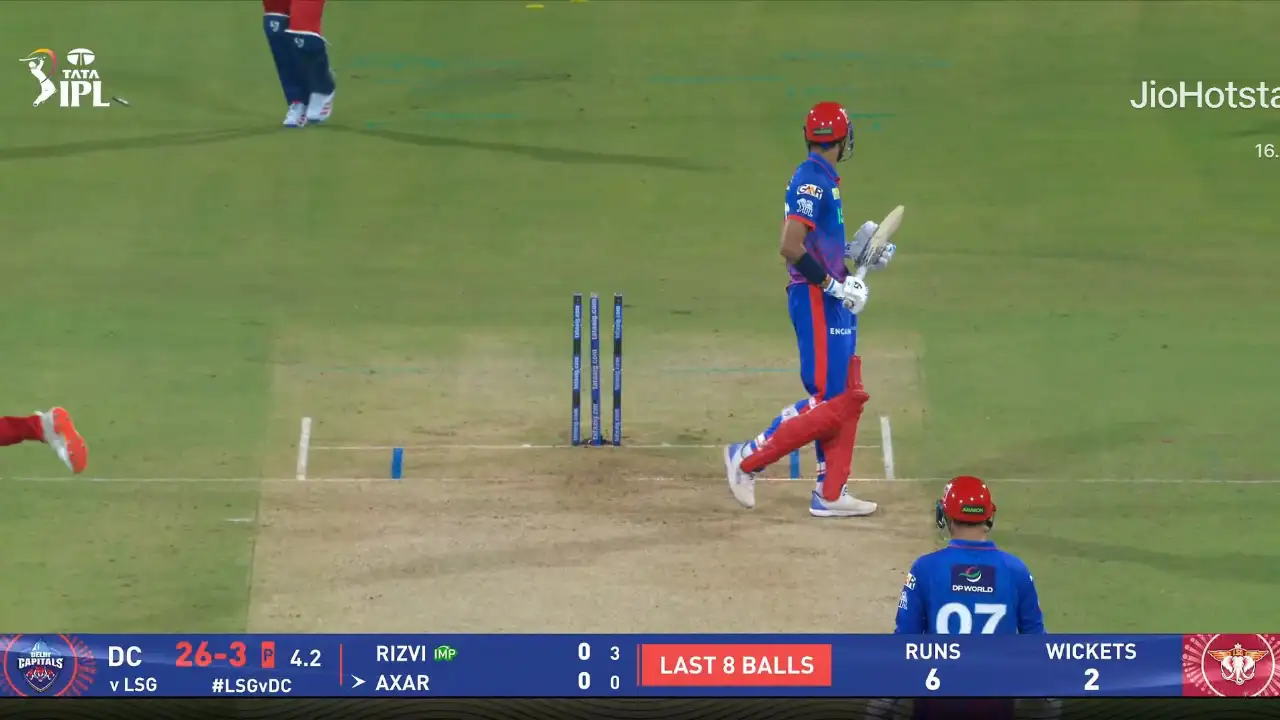
Axar Patel dismissed on ‘Golden Duck’ by Prince Yadav in LSG vs DC IPL 2026 clash
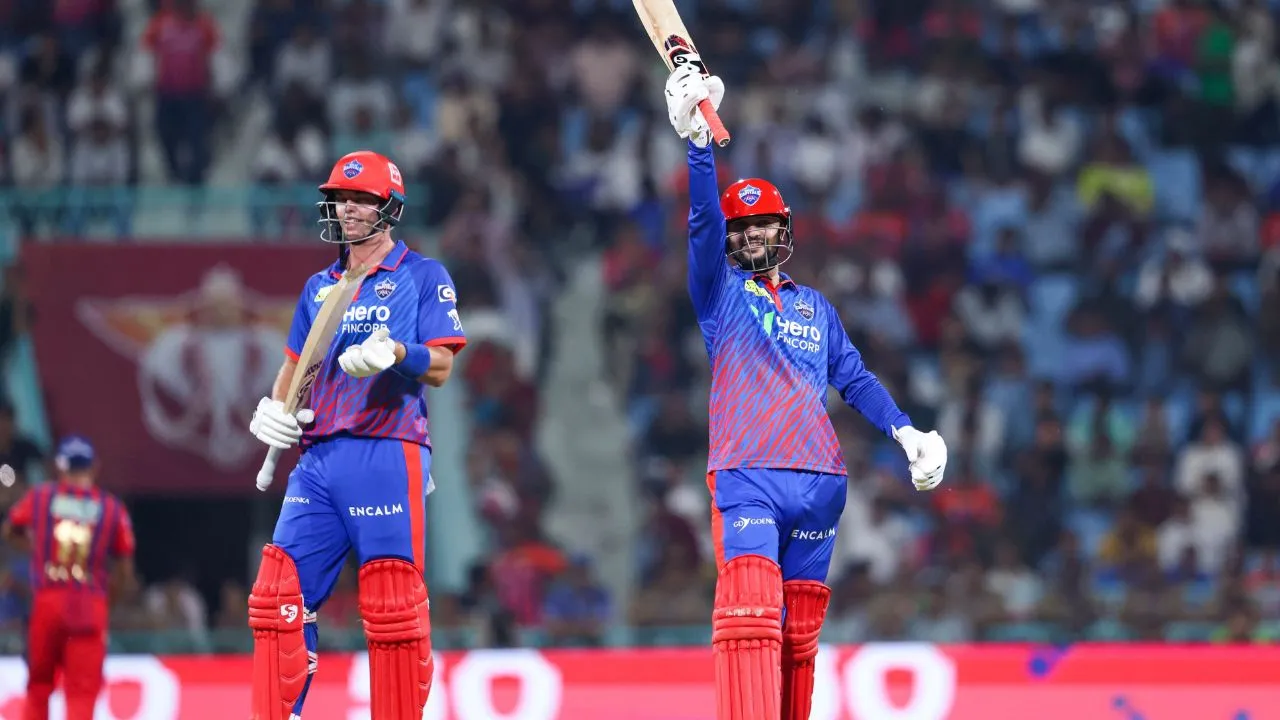
IPL Points Table 2026: Updated Standings, Orange Cap, Purple Cap After LSG vs DC Match 5
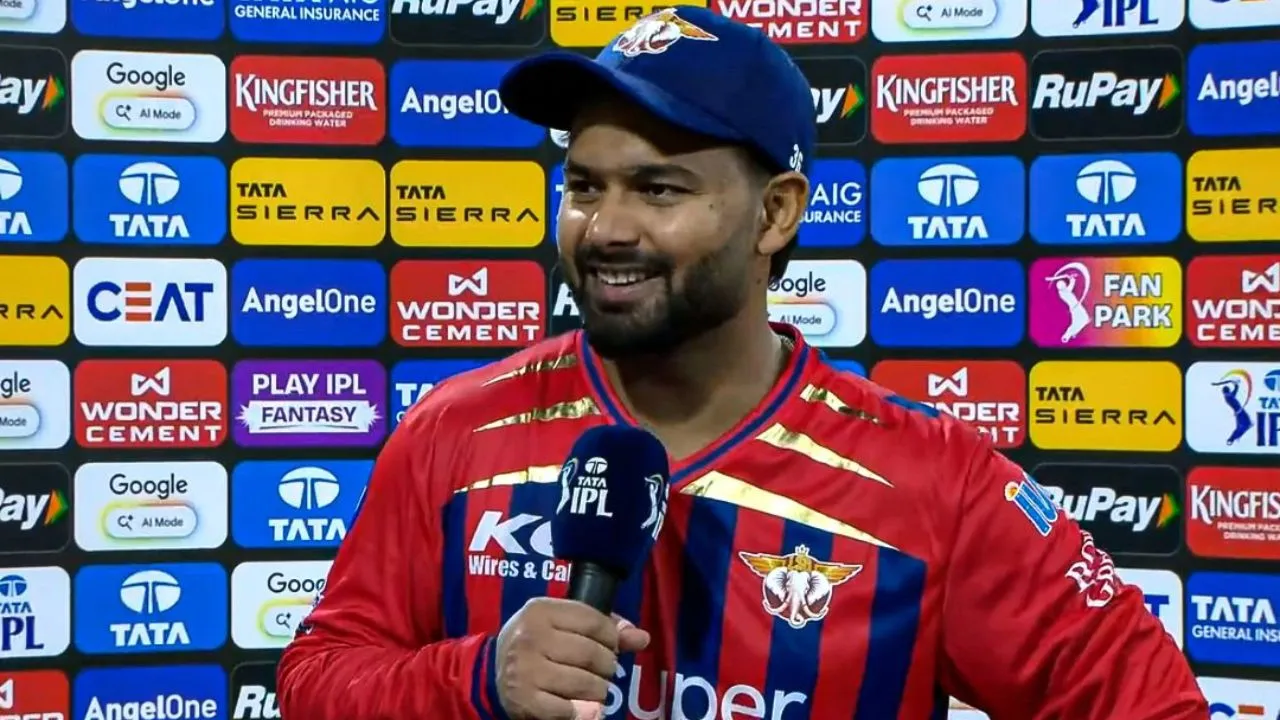
“We didn’t have enough”: Rishabh Pant takes responsibility after LSG’s batting failure in loss to DC in IPL 2026
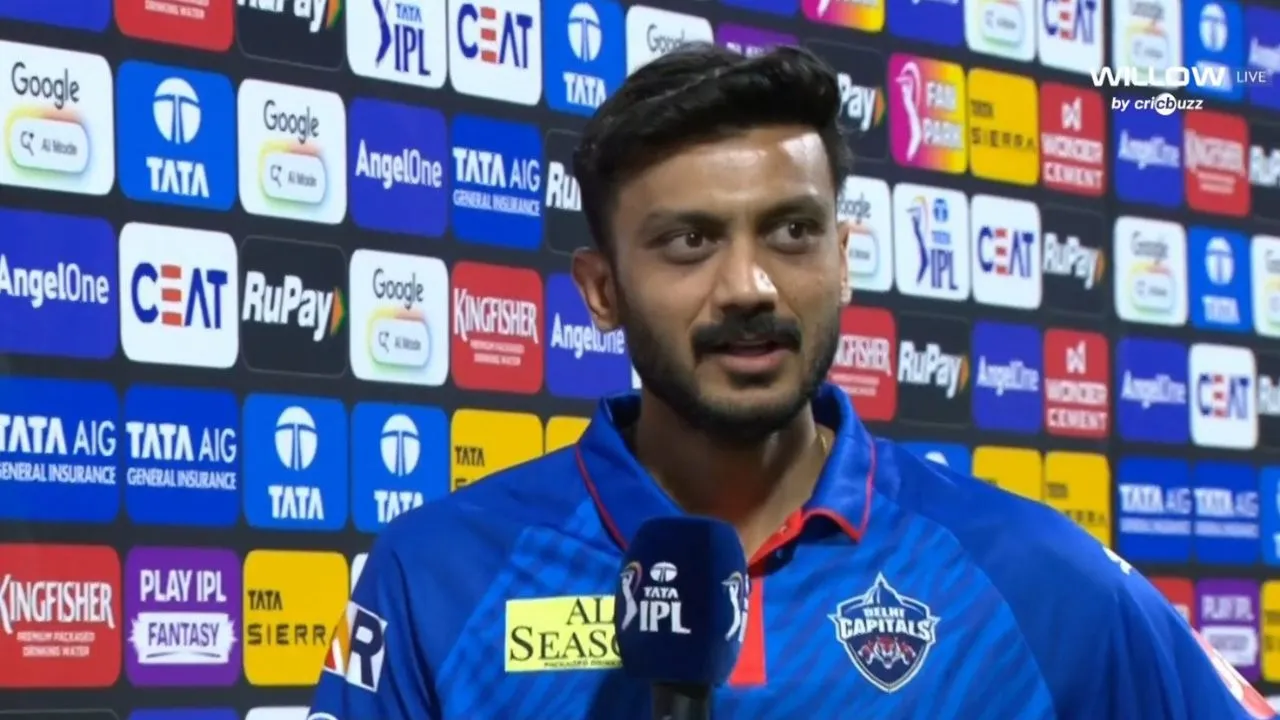
“Works hard on his game”: Axar Patel lauds Sameer Rizvi after match winning knock vs LSG
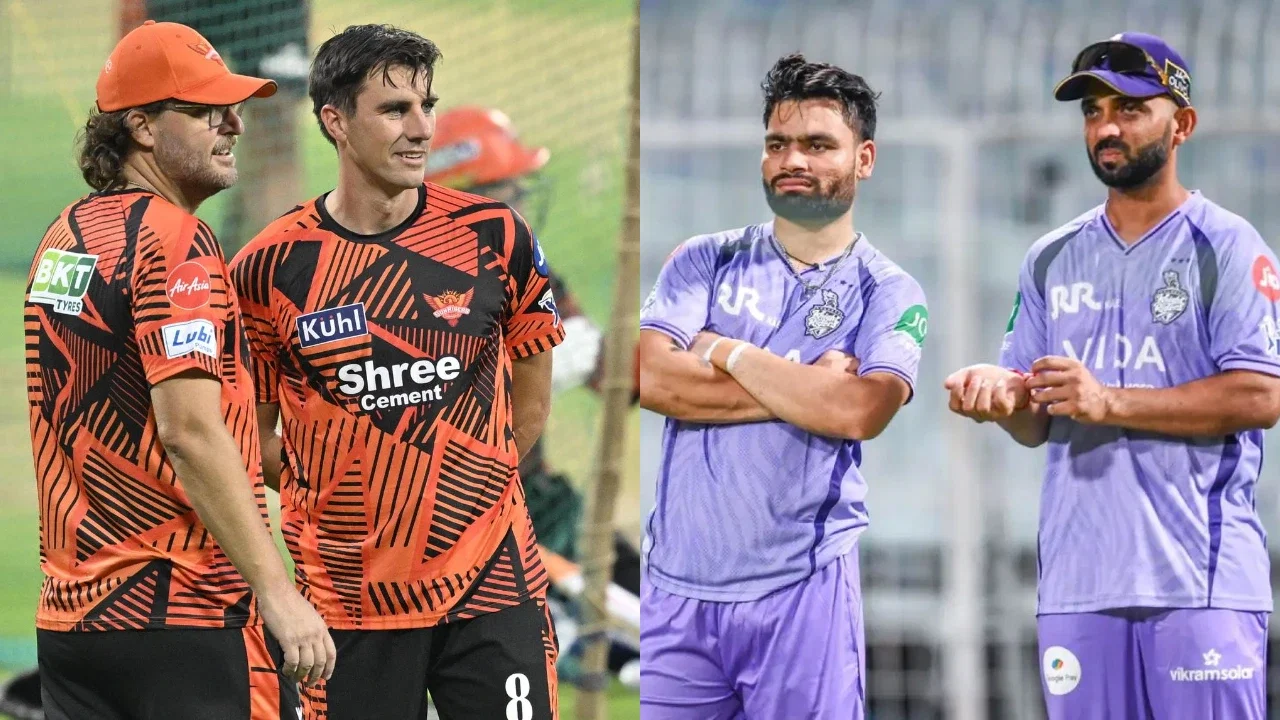
KKR vs SRH Match No. 6 Preview: Free Live Streaming, Pitch & Weather Report, Head-to-Head | IPL 2026
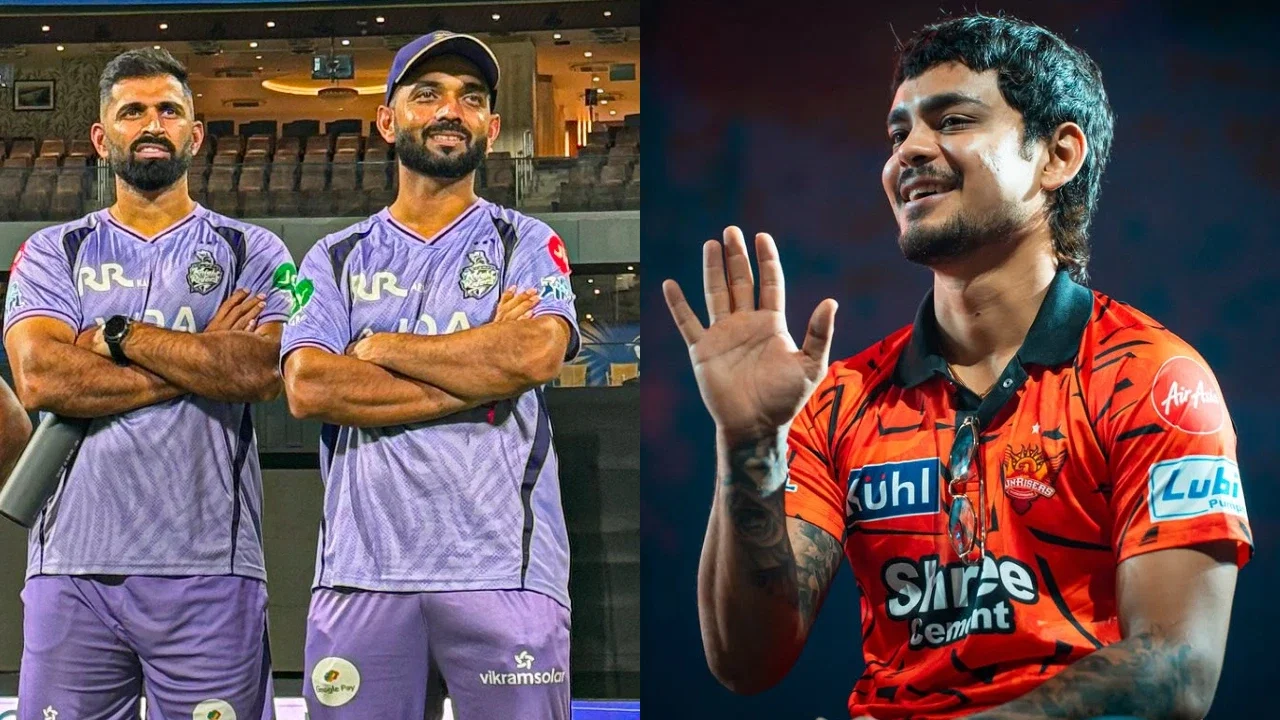
KKR Playing XI vs SRH Playing XI – Match No. 6 | IPL 2026
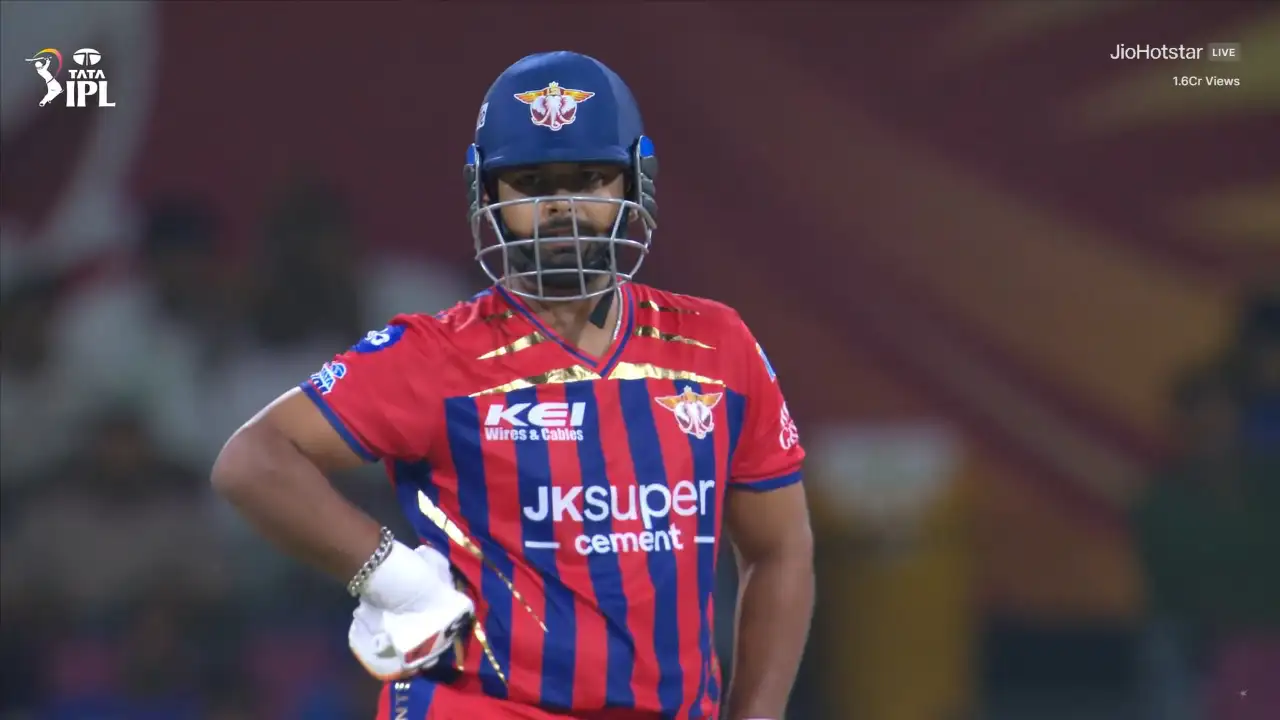
Rishabh Pant’s opening stint cut-short by run-out at non-striker’s end
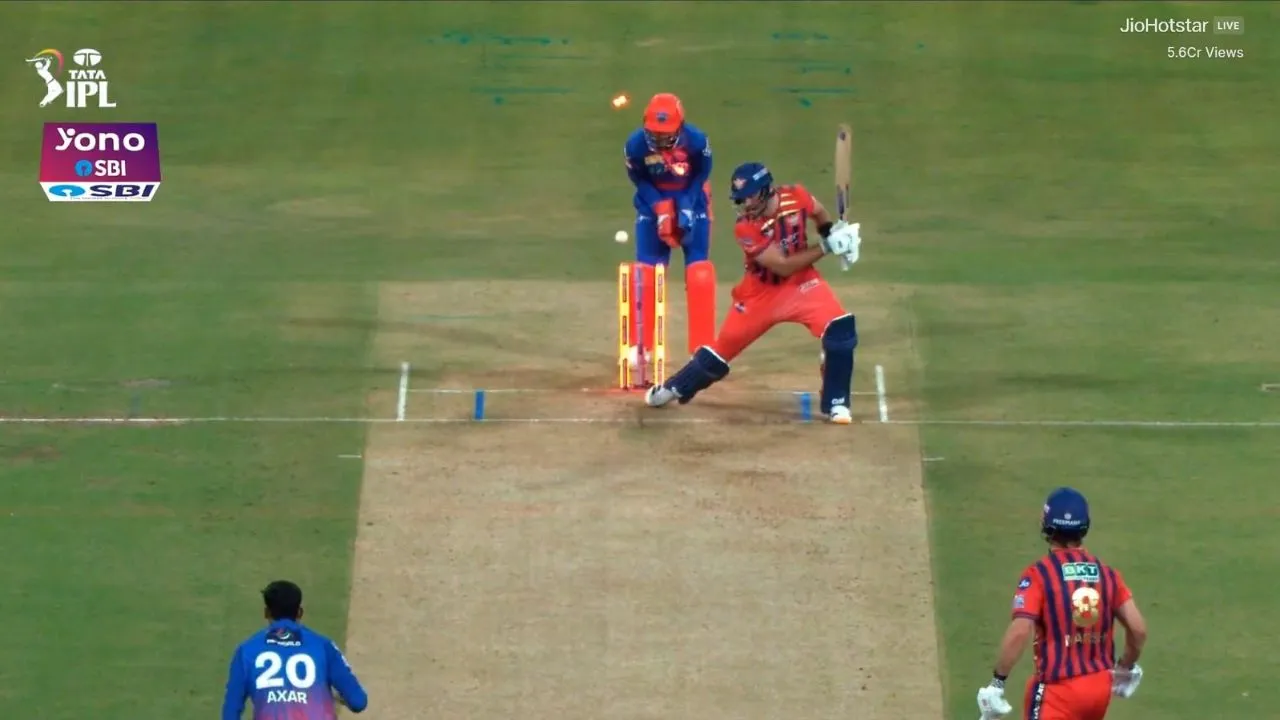
Axar Patel produces a peach to dismiss Aiden Markram in LSG vs DC IPL 2026 clash
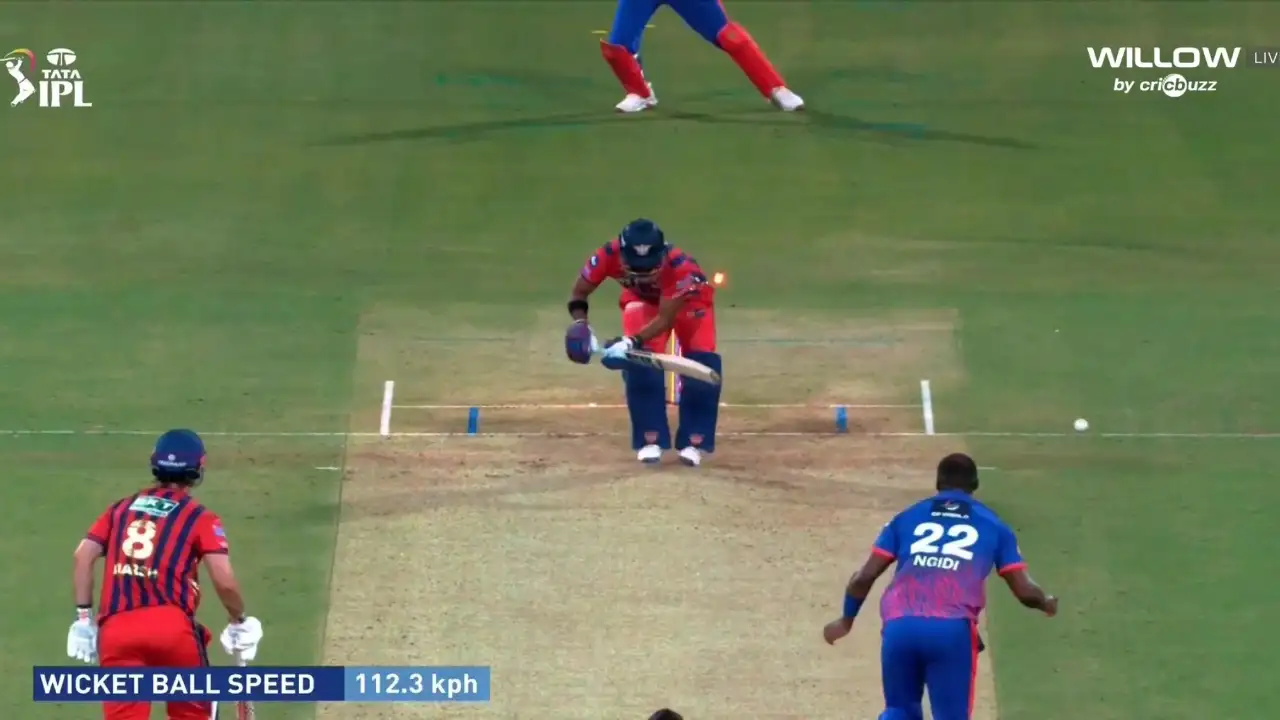
Lungi Ngidi bamboozles Nicholas Pooran with stunning off-cutter in LSG vs DC IPL 2026 clash
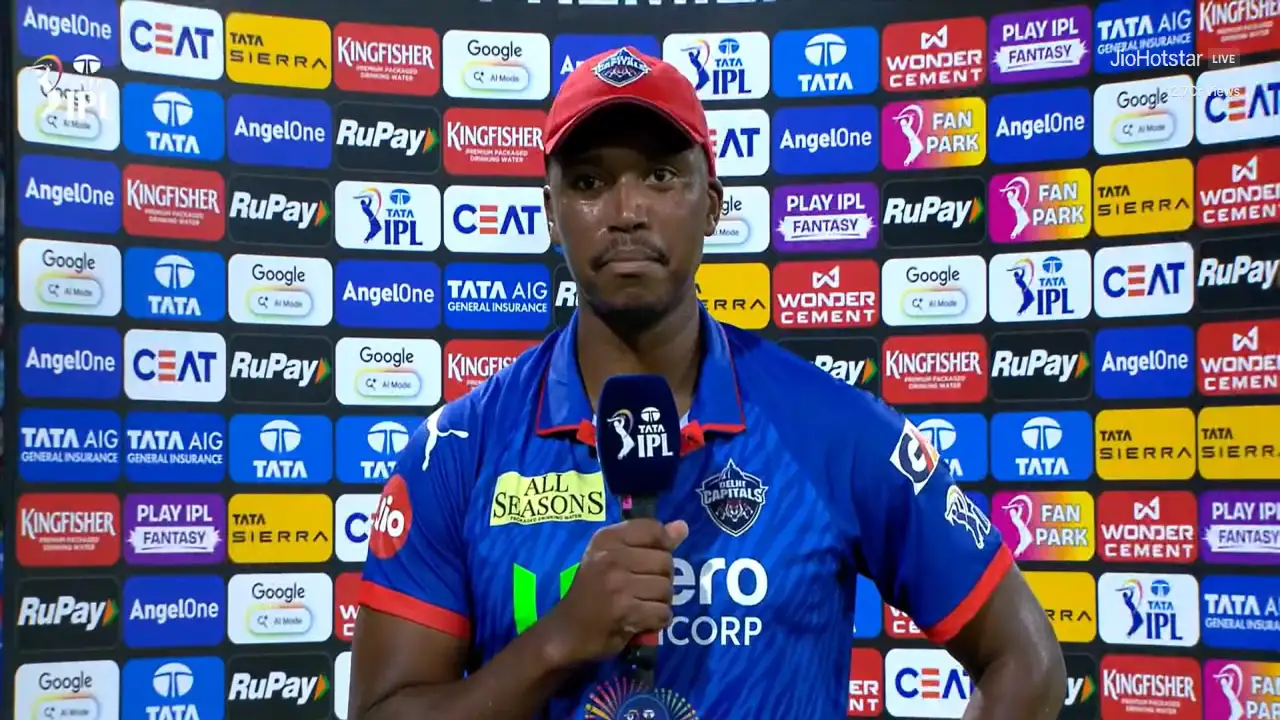
Lungi Ngidi credits KKR mentor after amazing bowling display vs LSG in IPL 2026 clash
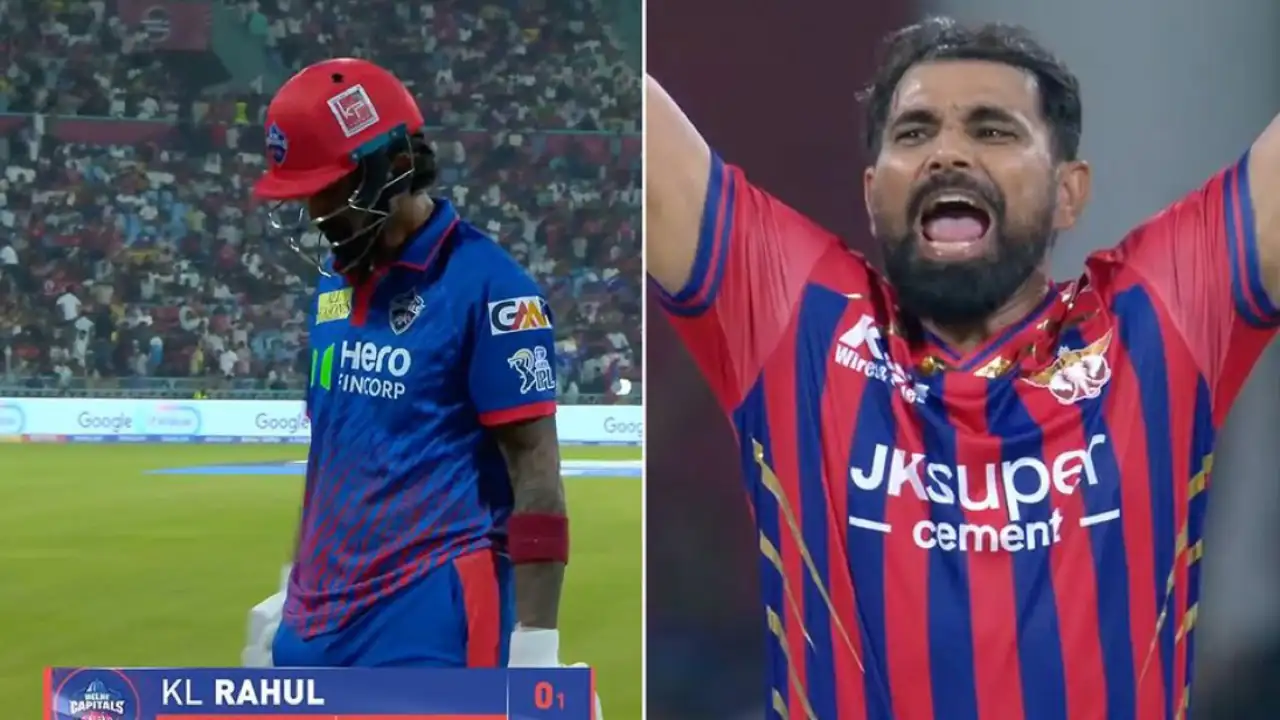
Mohammed Shami gets a dream start dismisses KL Rahul for a golden duck in LSG vs DC IPL 2026 clash
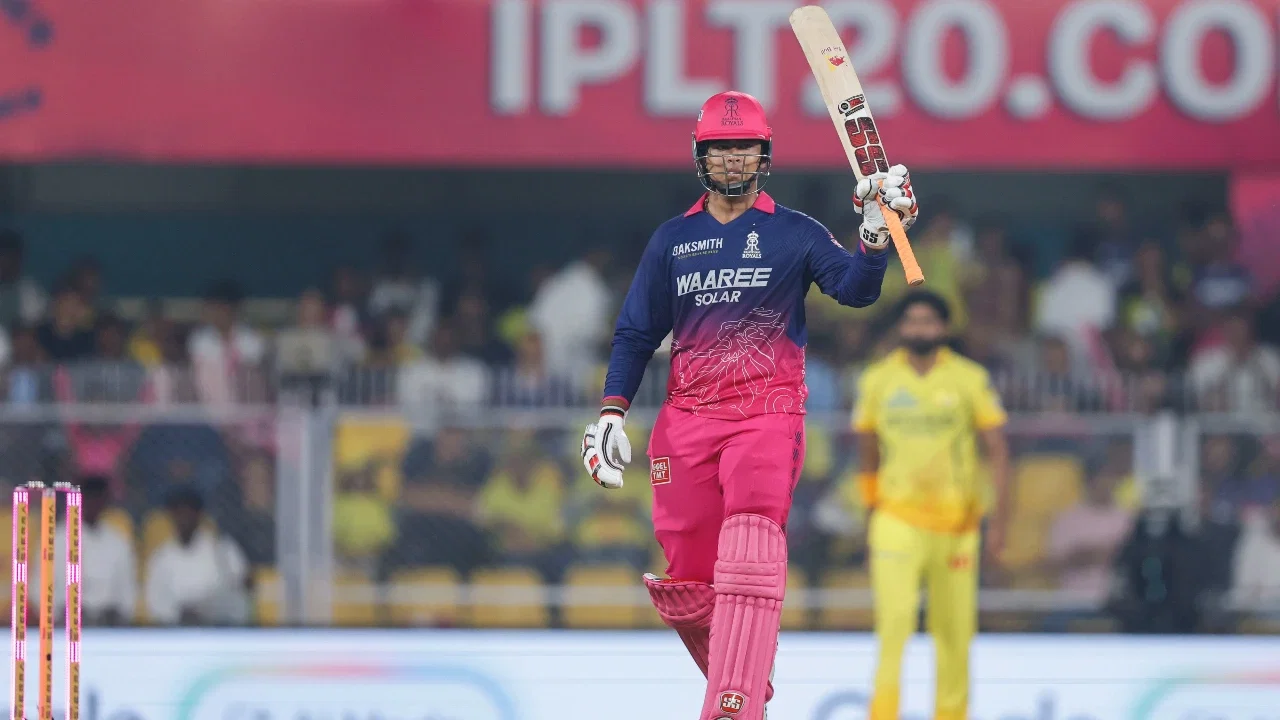
Vaibhav Sooryavanshi to share dressing room with Rohit-Kohli after IPL 2026, predicts ex-Pakistan star