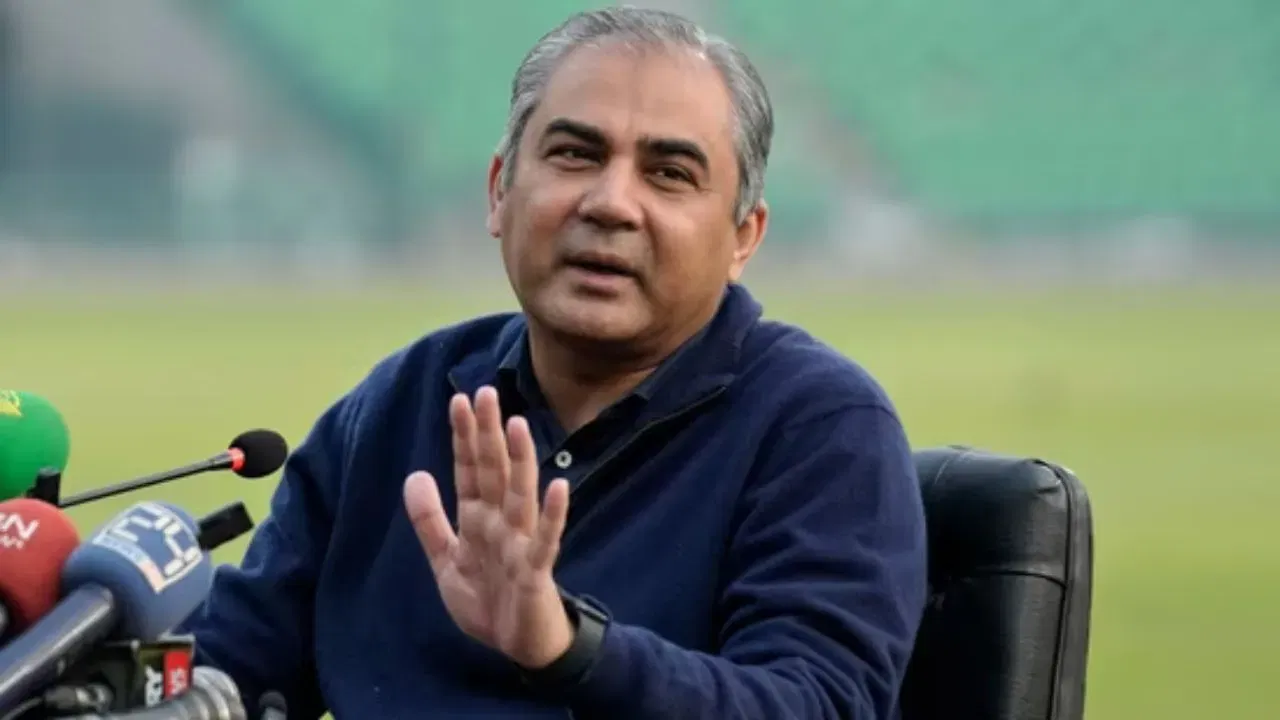
Mohsin Naqvi enforces new social media rules for Pakistan players following Naseem Shah incident
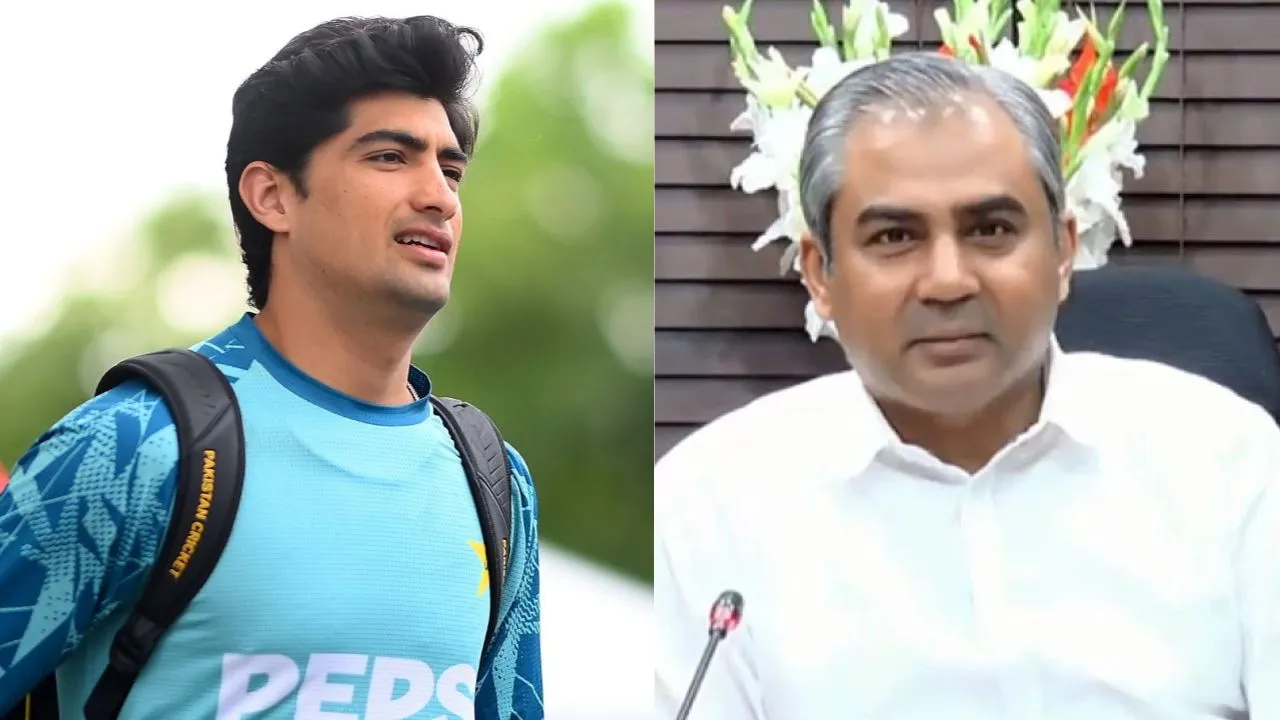
Pakistan Cricket Board Chairman Tightens Control Over Players’ Social Media
Recently, the Pakistan Cricket Board (PCB) chairman, Mohsin Naqvi, has taken a firm stance on centrally contracted cricketers’ online activities. Reports suggest that all players have been instructed to seek clearance from the media department before making any posts on social media platforms. This move aims to remind players of their contractual responsibilities and the importance of maintaining public discipline.
Contractual Responsibilities and Consequences
The PCB has emphasized that players are bound by clauses in their central contracts that govern their digital conduct and regulate their public communication. This step is crucial in ensuring that players represent themselves and the board in a professional and responsible manner.
Controversy Surrounding Naseem Shah’s Tweet
During the Pakistan Super League (PSL) opening ceremony at the Gaddafi Stadium in Lahore, Mohsin Naqvi welcomed Maryam Nawaz as a special guest, introducing her to franchise owners. This gesture sparked controversy when a tweet from cricketer Naseem Shah’s official account questioned the special treatment given to Maryam Nawaz.
The tweet, which has since been deleted, raised questions about the double standards in allowing her presence at the stadium, especially after previously restricting PSL matches to empty stadiums. The tweet read, “Why is she treated like the Queen at Lord’s?” This post led to significant debates within the cricketing community.
Naseem Shah Fined for Controversial Tweet
In response to the controversial tweet, the PCB imposed a fine of PKR 20 million on Naseem Shah. The fast bowler initially claimed that his account was hacked, but he later appeared before a disciplinary panel to address the issue. Naseem issued an apology and parted ways with his social media manager, accepting responsibility for the tweet.
PCB’s Strict Rules on Social Media Conduct
Following these incidents, the PCB has briefed players and their agents on updated behavioral expectations. Chairman Mohsin Naqvi has made it clear that political commentary on social media accounts will not be tolerated. The board has implemented strict financial penalties, with a minimum fine of PKR 10 million for any player posting controversial content.
The PCB’s aim is to maintain a positive image for the players and the board, ensuring that their social media presence reflects professionalism and respect. Naqvi’s warning highlights the importance of adhering to the new digital guidelines to avoid unnecessary controversies in the future.
With these measures in place, the PCB aims to uphold the integrity of the sport and protect the reputation of Pakistan cricket in the digital age.
The Impact of Social Media on Sports
In recent years, social media has become a powerful tool for athletes to connect with fans, share their views, and build personal brands. However, this increased visibility also comes with risks, as players’ posts can quickly go viral and attract both positive and negative attention. In the case of cricketers, their online presence can influence their reputation on and off the field.
Given the widespread reach of social media platforms, a single post can spark controversies, leading to backlash from fans, sponsors, and even governing bodies. The case of Naseem Shah serves as a reminder of the impact that public statements can have on a player’s career and the overall reputation of the sport.
Balancing Freedom of Speech and Professionalism
While athletes have the right to express their opinions, they are also public figures representing their teams, countries, and sports organizations. The PCB’s decision to regulate players’ social media activity raises questions about the balance between freedom of speech and professional responsibilities.
By enforcing strict rules and imposing fines for inappropriate content, the PCB aims to protect the image of Pakistani cricket and maintain a positive relationship with stakeholders. This action underscores the importance of upholding professional standards in the digital age, where online presence can have lasting consequences.
Education and Guidance for Players
As social media continues to evolve, sports organizations must provide guidance and education to players on the best practices for online behavior. By equipping athletes with the knowledge and tools to navigate the digital landscape responsibly, organizations can mitigate risks and prevent unnecessary controversies.
Training programs on social media etiquette, privacy settings, and crisis management can help players make informed decisions about their online presence. This proactive approach not only protects the reputation of individuals but also safeguards the integrity of the sport as a whole.
Looking Ahead: The Future of Social Media in Cricket
As cricket continues to attract a global audience, players’ social media accounts serve as valuable platforms to engage fans, promote the sport, and showcase their personalities. While regulations are necessary to maintain professionalism, there is also an opportunity for players to leverage social media positively.
By sharing behind-the-scenes insights, interacting with fans, and collaborating with sponsors, cricketers can enhance their personal brands and contribute to the overall growth of the game. As social media becomes increasingly integrated into the sports industry, finding the right balance between self-expression and accountability will be key to navigating the digital landscape successfully.
Conclusion
In conclusion, the PCB’s decision to tighten control over players’ social media is a reflection of the growing influence of digital platforms in the sports industry. By setting clear guidelines and enforcing consequences for violations, the board aims to protect the integrity of Pakistani cricket and uphold professional standards.
As players adapt to these new regulations, they have an opportunity to use social media as a tool for positive engagement and personal branding. By recognizing the potential impact of their online activity, cricketers can navigate the digital landscape responsibly and contribute to the continued success of the sport.
Latest News
Mohsin Naqvi enforces new social media rules for Pakistan players following Naseem Shah incident
Fakhar Zaman officially handed cricket ban after PSL 2026 ball-tampering controversy
Pat Cummins forces Cricket Australia to slash central contracts list to secure premium deal
CSK’s big promise to players revealed amid IPL 2026: “Whatever BCCI offers, we’ll double it”
Ravichandran Ashwin rules out Vaibhav Sooryavanshi’s India call-up
Rashid Latif claims PSL ball-tampering row was deliberately created for attention amid IPL rivalry
Mohammed Shami breaks silence on retirement buzz after India snub; has special message for LSG
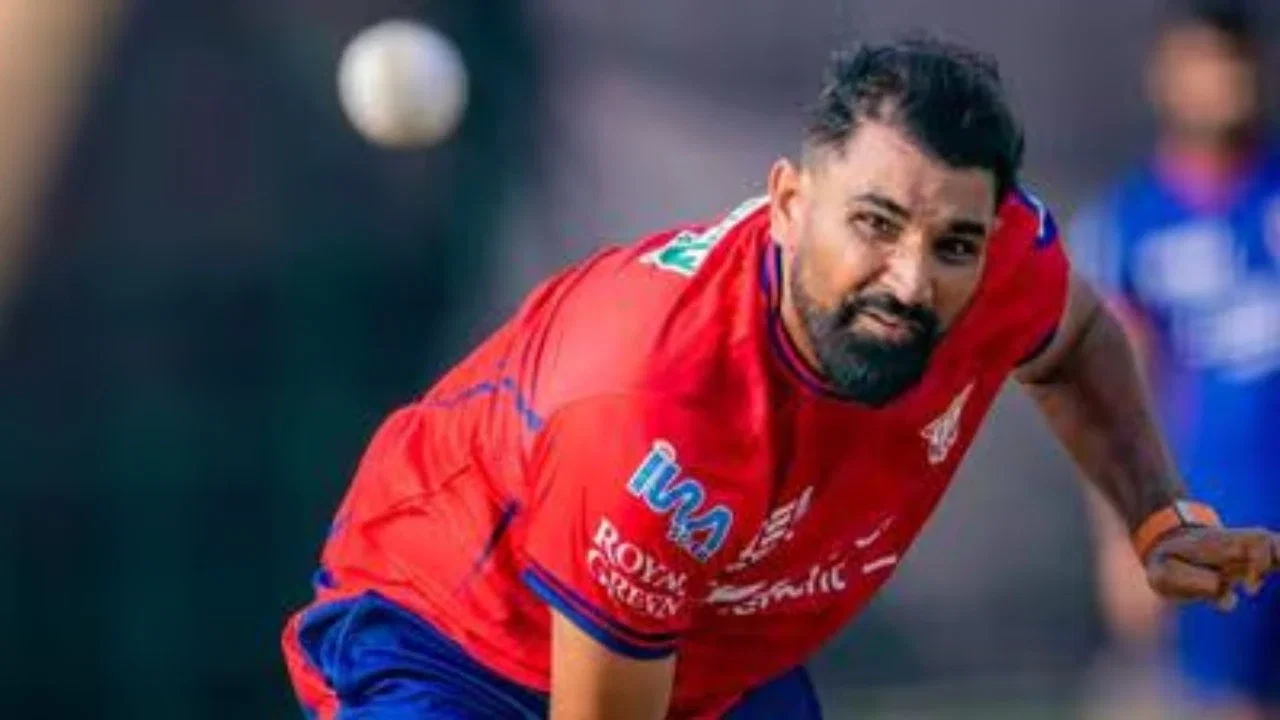
Mohammed Shami reveals IPL 2026 Top 4, leaves out five-time champions
Mohammed Shami hits back at Ravichandran Ashwin over LSG’s poor IPL 2026 prediction
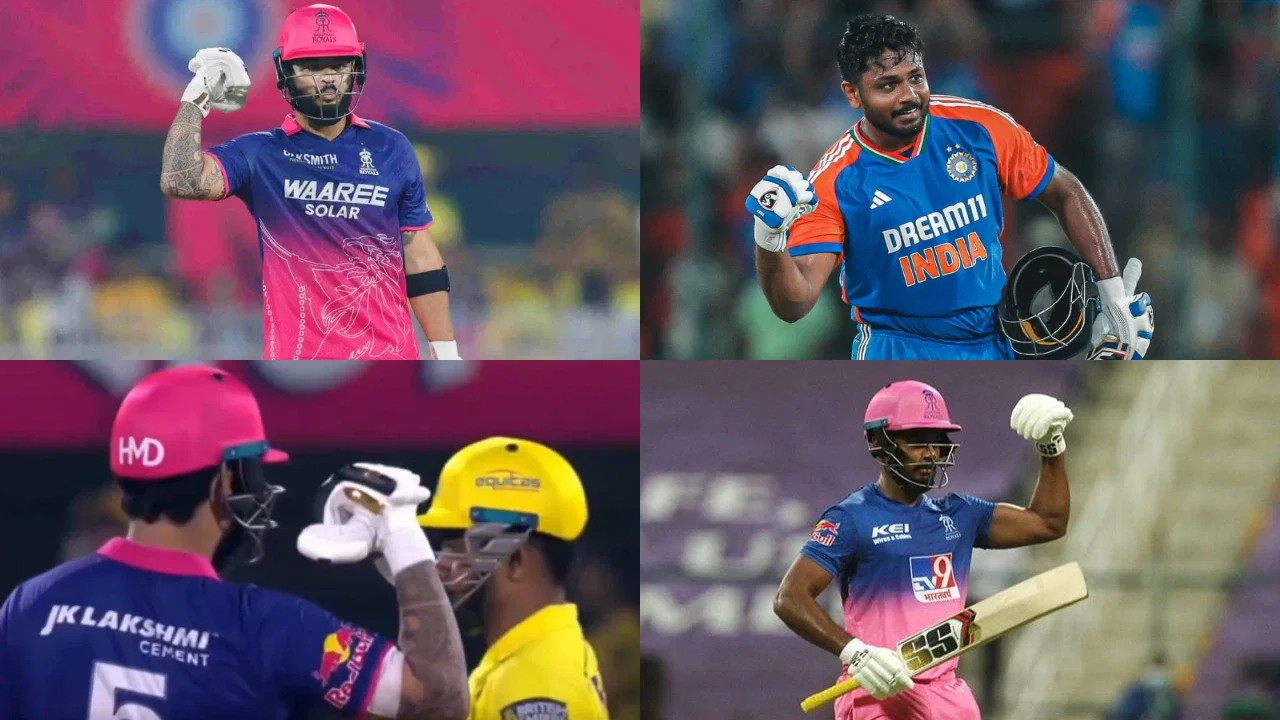
Riyan Parag mocked Sanju Samson? Batter’s muscle-flex celebration after sensational 6 vs CSK goes viral
IPL 2026 hit by tragedy! British broadcast engineer dies in Mumbai hotel room
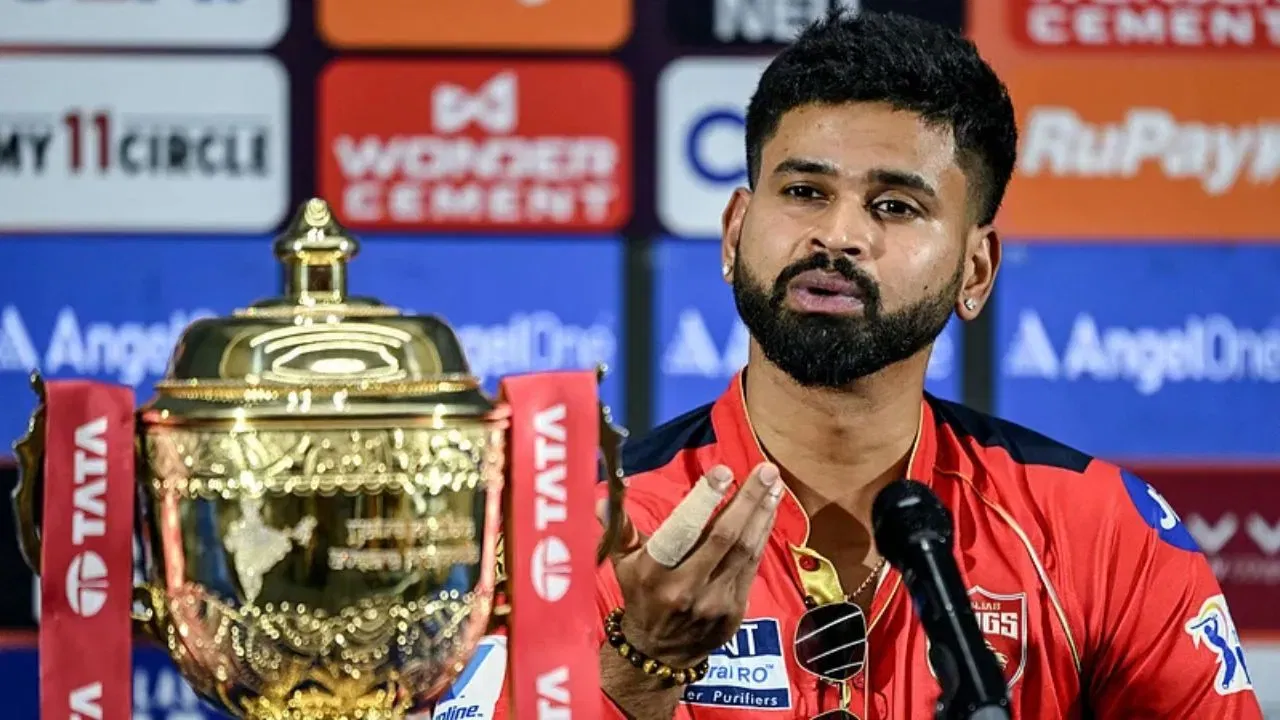
Brad Haddin reveals reality of Shreyas Iyer as captain
Jos Buttler set to dominate IPL 2026, thanks to Ashish Nehra
Ravindra Jadeja says he had no conversation with MS Dhoni after RR move