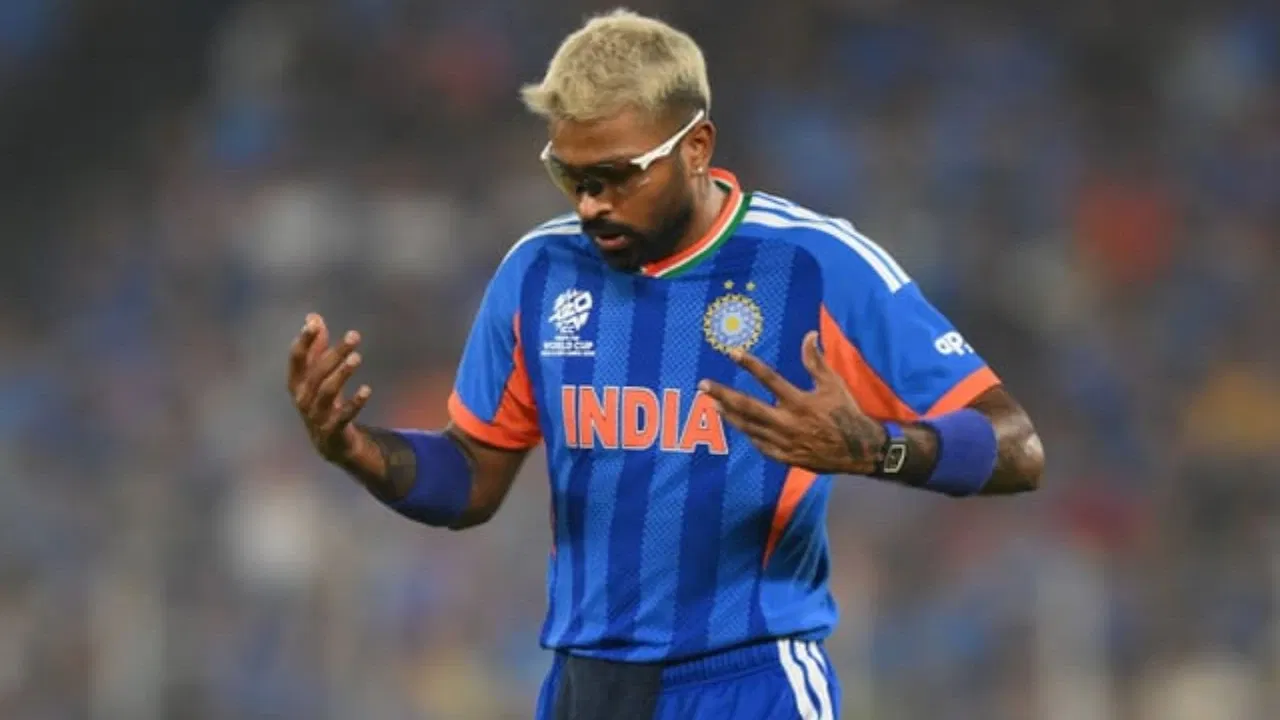
Mohsin Naqvi gets a vicious reality check, Pakistan cricket to collapse because of inner conflict!
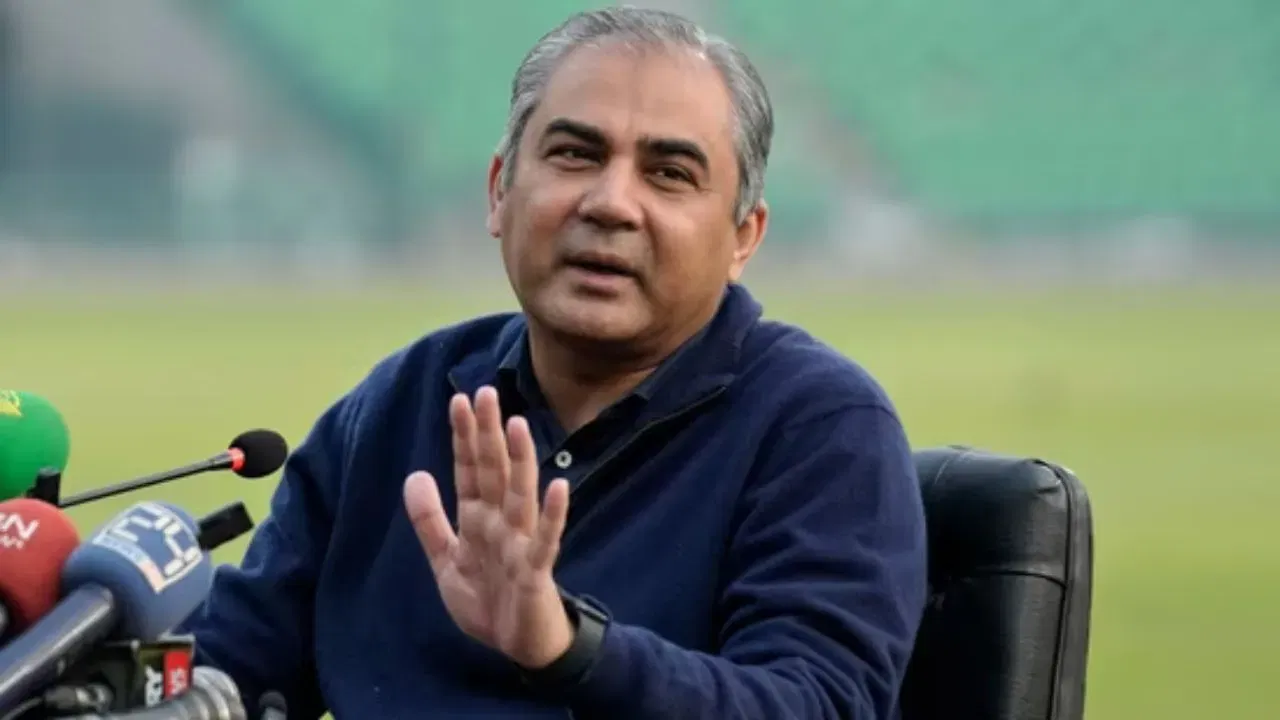
Ahmed Shehzad Criticizes PCB Leadership After ODI Series Defeat Against Bangladesh
Former Pakistan cricketer Ahmed Shehzad has launched a scathing attack on the Pakistan Cricket Board (PCB) led by Mohsin Naqvi following Pakistan’s disappointing ODI series defeat against Bangladesh in Dhaka. Shehzad expressed his frustration with the board through a video, claiming that players have lost trust in the PCB, leading some to choose to play for other countries like the United States and the UAE.
Disappointing Performance Against Bangladesh
The recent ODI series between Pakistan and Bangladesh saw the Pakistani team struggle, with Bangladesh coming out victorious. Despite a promising start, where it seemed like Shaheen Afridi’s team could easily clinch the series, Bangladesh managed to turn the tables and secure a win in the final match.
Scoring 290 while batting first in the third ODI, Pakistan fell short by 11 runs as Bangladesh emerged victorious. Salman Ali Agha’s impressive knock of 106 runs off 98 deliveries went in vain as Tanzid Hasan Tamim’s 107-run innings proved decisive for Bangladesh.
During the chase, Pakistani batters, including Sahibzada Farhan, struggled to make an impact, with only Agha putting up a fight against a disciplined Bangladeshi bowling attack. Taskin Ahmed led the bowling effort for Bangladesh, taking 4 wickets with an economy rate of 4.90.
Overhauling the ODI Team
Following the disappointing performance, the PCB under Mohsin Naqvi’s leadership decided to make significant changes to the ODI team, including the inclusion of uncapped players. This decision came after Pakistan’s early exit from the 2026 T20 World Cup, where reports suggested that Naqvi was unhappy with the performances of senior players.
Shehzad’s Criticism
Shehzad’s criticism of the PCB was direct and severe. He accused the selection committee of showing favoritism and neglecting deserving players, leading to talented individuals leaving the country to pursue opportunities with other teams. He highlighted a lack of trust and faith in the PCB, which he believes has caused divisions within the national team.
According to Shehzad, the lack of unity within the Pakistan National Cricket Team has led to a blame game among players, with some individuals prioritizing personal agendas over the team’s success. He emphasized the need for meaningful actions to improve Pakistani cricket, rather than engaging in internal conflicts.
In conclusion, Shehzad’s comments have brought to light the challenges and issues within the PCB’s leadership and their impact on the national team’s performance. As Pakistan looks to regroup and bounce back from their recent defeats, addressing these internal issues and rebuilding trust within the team will be crucial for future success.
Rebuilding Trust and Unity within the Team
Shehzad’s criticism sheds light on the underlying issues that have been simmering within the Pakistan National Cricket Team. The lack of trust and unity among players not only affects performance on the field but also creates a toxic environment that hinders growth and success. It is essential for the PCB to address these concerns promptly to restore confidence and harmony within the team.
One way to rebuild trust is through transparent communication and fair selection processes. By ensuring that players are selected based on merit and performance rather than favoritism, the PCB can demonstrate its commitment to creating a level playing field for all cricketers. This approach can help instill confidence in the players and motivate them to give their best on the field.
Investing in Talent Development
Another crucial aspect that the PCB needs to focus on is investing in talent development programs that nurture young cricketers and groom them for international competitions. By identifying and supporting promising talents from a young age, Pakistan can build a strong pool of players who are not only skilled but also dedicated to representing the country with pride.
Moreover, creating a supportive and encouraging environment for players can help foster a sense of camaraderie and teamwork within the national team. Team-building exercises, leadership workshops, and mentorship programs can all contribute to building a cohesive and united team that works towards a common goal of success on the cricket field.
Strategic Planning and Long-Term Vision
It is imperative for the PCB to adopt a strategic approach to team management and development. Setting clear goals, formulating long-term plans, and implementing measures to track progress are essential for sustained success in international cricket. By aligning on a shared vision for the future of Pakistani cricket, the PCB can steer the team in the right direction and overcome any internal challenges that may arise.
Additionally, fostering a culture of accountability and professionalism within the national team can help inculcate a sense of responsibility and discipline among players. Emphasizing the importance of teamwork, commitment, and performance excellence can create a culture where individual egos are set aside for the collective benefit of the team.
Conclusion
As Pakistan reflects on its recent defeats and contemplates the way forward, addressing the internal issues highlighted by Ahmed Shehzad becomes paramount. By taking proactive steps to rebuild trust, promote unity, invest in talent development, and adopt a strategic vision for the team, the PCB can pave the way for a brighter future for Pakistani cricket. It is essential for all stakeholders, including players, administrators, and coaches, to work together towards a common goal of elevating the standard of cricket in Pakistan and restoring the team’s reputation on the international stage.
Latest News

“I don’t let emotions rule”- Sanju Samson makes fire shots at former team Rajasthan Royals ahead of IPL 2026

Nehal Wadhera confidently names Punjab Kings as IPL 2026 winners
“I never wanted to be selfless”: Sanju Samson takes swipe at Gautam Gambhir after T20 World Cup win
Abhishek Sharma replaces Pat Cummins as Sunrisers Hyderabad captain

EX-KKR coach joins CSK in new role ahead of IPL 2026

Former England skipper declares Jasprit Bumrah as the best T20 bowler of all time

NOT Abhishek Sharma! Ishan Kishan to lead SRH in IPL 2026
“His batting will not look explosive”: Ex-India opener casts doubt over Sai Sudharsan’s explosive ability in T20s
Bangladesh-New Zealand series confirmed as IPL 2026 faces player availability scare
Suryakumar Yadav makes blunt remark on ODI cricket comeback after T20 World Cup 2026 triumph
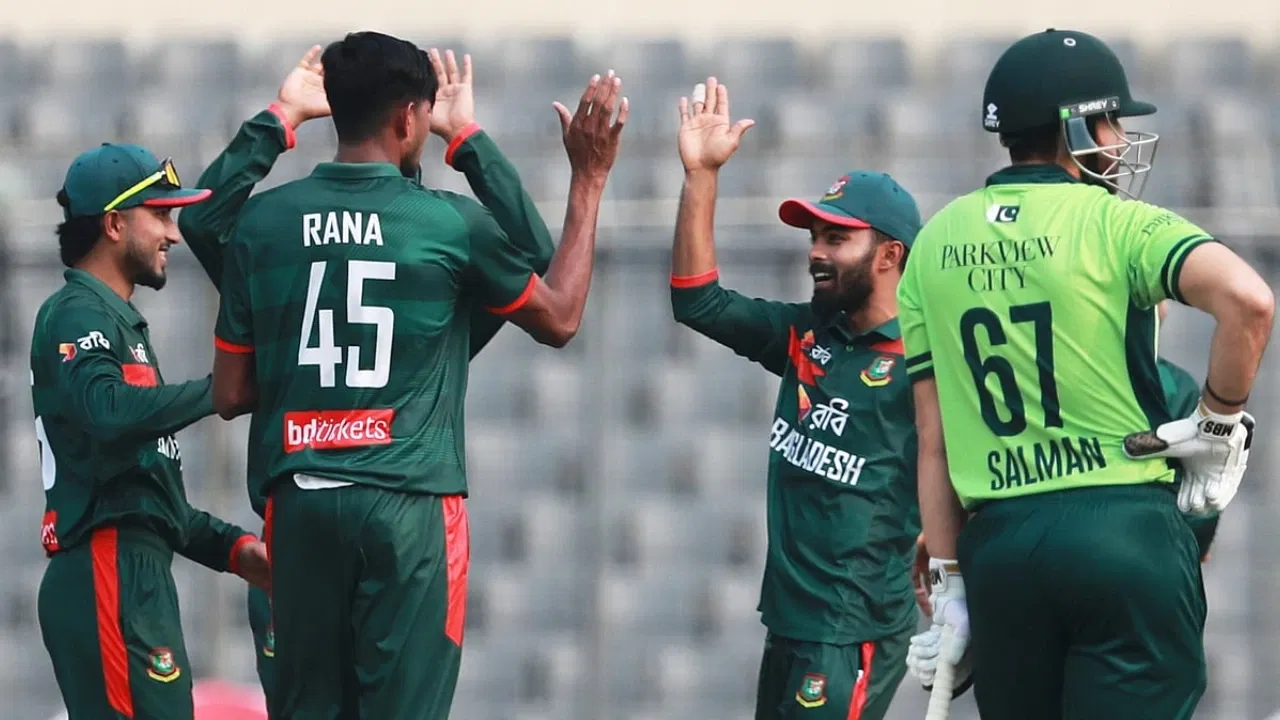
“Our valiant young cricketers…”: Bangladesh PM mocks Mohsin Naqvi’s Pakistan after dominant ODI series win
Suryakumar Yadav reveals secret bond with Gautam Gambhir after India’s T20 World Cup 2026 glory
Harshit Rana replacement: Ex-CSK pacer set to join KKR for IPL 2026
“The real surgery should be done”: Shahid Afridi blasts at Mohsin Naqvi and PCB after humiliating loss vs Bangladesh