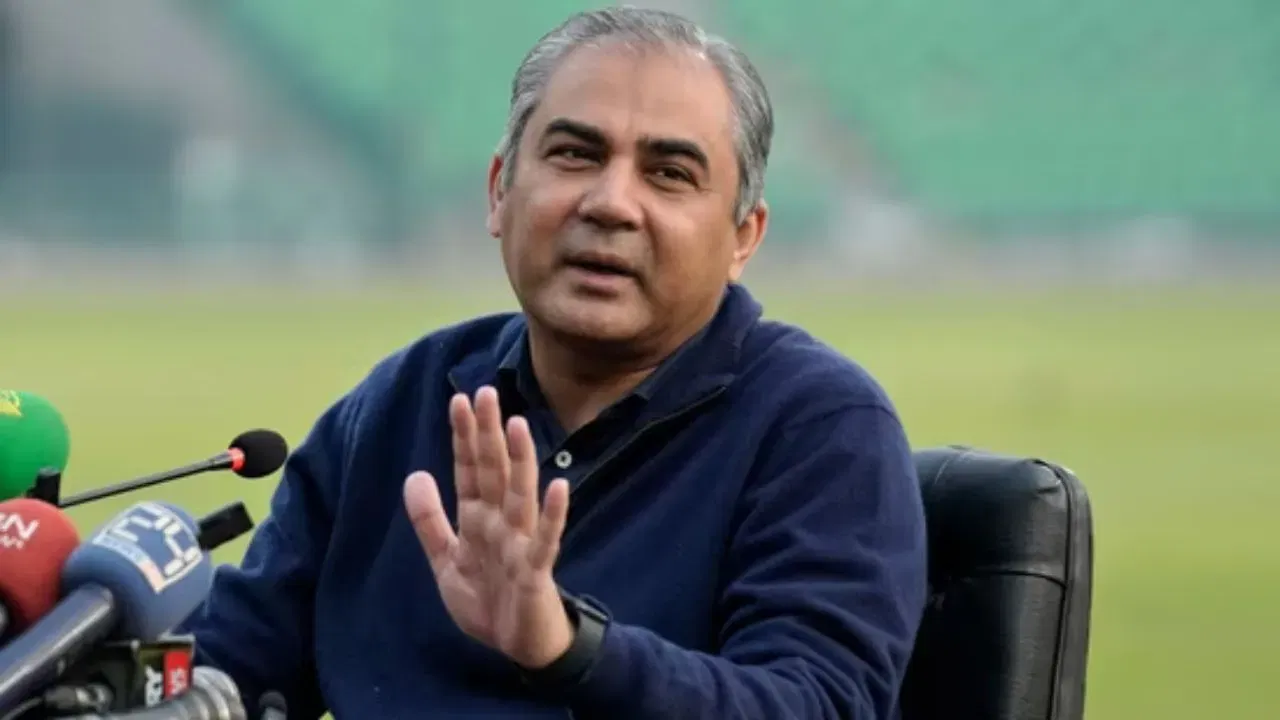
Mohsin Naqvi given 2 day extension by ICC, if he fails…

The ICC Meeting: Asia Cup Trophy Controversy, U-19 World Cup Format, and Revenue Schemes
The International Cricket Council (ICC) recently concluded the first half of its meeting in Dubai, with several key topics discussed. One of the most anticipated issues, the Asia Cup Trophy controversy, has yet to be addressed by the Board of Control for Cricket in India (BCCI) or the Pakistan Cricket Board (PCB).
The Asia Cup Trophy Controversy
The controversy surrounding the Asia Cup Trophy began when Indian captain Suryakumar Yadav refused to accept the trophy from ACC Chairman Mohsin Naqvi, who also holds a position in the Pakistan Internal Ministry and heads the PCB. Naqvi, in response, walked out with the trophy, leading to a standoff between the two cricketing boards.
Despite formal pleas from the BCCI, Naqvi insisted that a player be sent to Dubai to collect the trophy from him. The BCCI, giving Naqvi more time, delayed raising the issue at the ICC meeting with the threat of pushing for the chairman’s impeachment.
U-19 World Cup Format
During the ICC meeting, the format of the upcoming Men’s U-19 World Cup was discussed. The decision was made to continue with the traditional 50-over format for the tournament’s 19th edition. This came after Associate members had suggested a switch to a shorter format.
The decision to stick with the one-day format was supported by Full member nations, in line with the tournament’s history. The next edition of the U-19 World Cup is set to be co-hosted by Namibia and Zimbabwe in 2026.
New Revenue Schemes
Aside from discussing tournament formats, the ICC explored new revenue schemes during the meeting. One significant area of focus was the monetization of data, seen as a potential source of substantial revenue for the council.
ICC CEO Sanjog Gupta presented the organization’s plans for the future, which included the emphasis on leveraging data for financial growth. The ICC also delved into discussions on the stop-clock rule in Test matches and the involvement of the Women’s Cricket Association in an upcoming game to be launched by the ICC.
As the ICC meeting progresses, the Asia Cup Trophy controversy remains unresolved, awaiting further discussions in the coming days. The decisions made on the U-19 World Cup format and revenue schemes indicate the council’s commitment to evolving the sport of cricket while also maximizing financial opportunities.
Impact of the Asia Cup Trophy Controversy
The Asia Cup Trophy controversy not only highlights the tensions between cricketing nations but also underscores the political undercurrents that can affect sports diplomacy. The refusal to accept the trophy by the Indian captain and the subsequent standoff between the BCCI and the PCB exemplify the complex relationship between India and Pakistan, both on and off the cricket field.
Such incidents can have far-reaching consequences beyond just a trophy presentation. They can impact player relations, sponsorships, fan sentiments, and even future cricketing engagements between the two nations. The unresolved nature of this controversy underscores the challenges of navigating cricketing diplomacy in a region fraught with historical and political tensions.
Evolution of U-19 World Cup Format
The decision to retain the 50-over format for the U-19 World Cup reflects a commitment to preserving the traditional essence of the tournament while also adapting to the changing landscape of cricket. While shorter formats like T20 cricket have gained popularity, the U-19 World Cup serves as a breeding ground for young talent to experience the challenges of a longer format, preparing them for the rigors of international cricket.
By maintaining the one-day format, the ICC ensures that young cricketers develop the skills and temperament required for the longer version of the game, fostering a holistic approach to player development. This decision also upholds the tournament’s legacy and its significance in identifying future stars of the sport.
Maximizing Revenue Opportunities
The exploration of new revenue schemes, particularly through data monetization, demonstrates the ICC’s proactive approach to financial sustainability and growth. In an increasingly data-driven world, leveraging insights from cricketing data can open up avenues for strategic partnerships, targeted marketing, and enhanced fan engagement.
By prioritizing the monetization of data, the ICC not only diversifies its revenue streams but also stays ahead of the curve in terms of innovation and technological advancement within the sporting industry. This forward-thinking approach is essential for the council to remain competitive, relevant, and financially robust in an ever-evolving sports landscape.
Looking Ahead
As the ICC meeting progresses, the outcomes of the discussions on the Asia Cup Trophy controversy, the U-19 World Cup format, and new revenue schemes will shape the future direction of international cricket. Resolving conflicts, preserving traditions, and exploring innovative revenue opportunities are all integral aspects of steering the sport towards continued success and growth.
With a focus on diplomacy, player development, and financial sustainability, the ICC remains at the forefront of global cricket governance, navigating the complexities of the sport with strategic foresight and a commitment to excellence.
Latest News
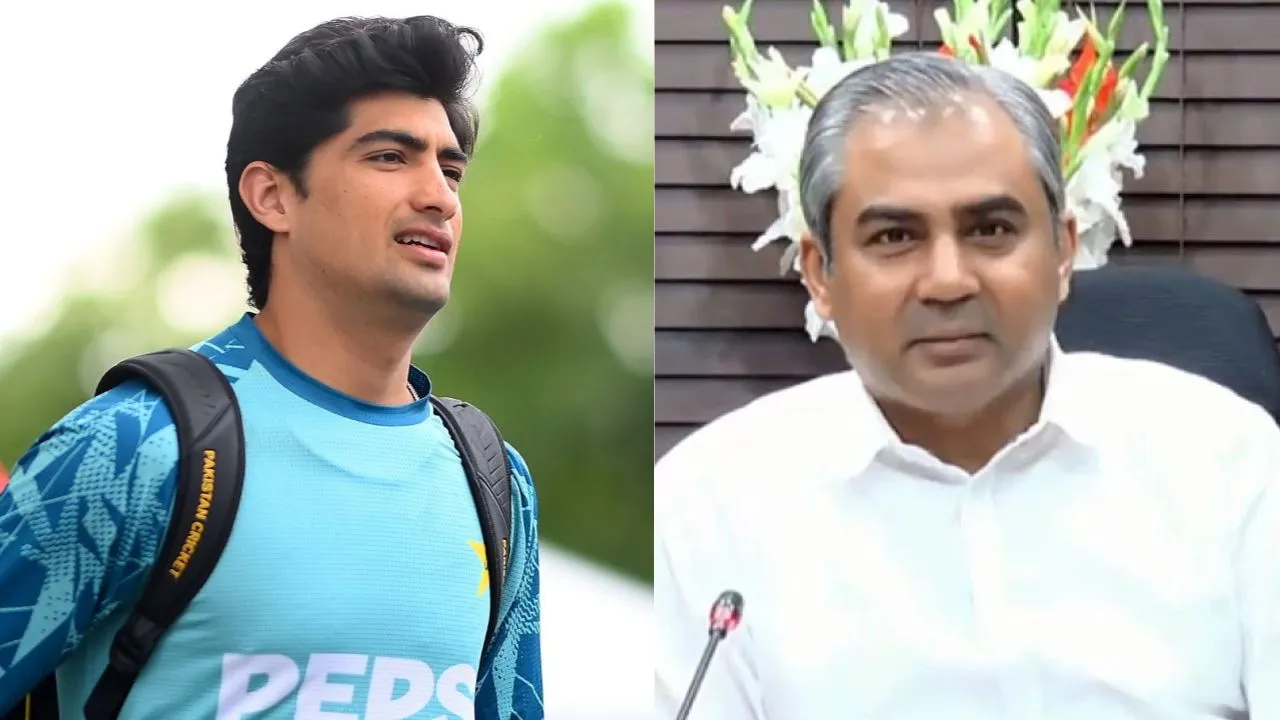
Mohsin Naqvi enforces new social media rules for Pakistan players following Naseem Shah incident
Fakhar Zaman officially handed cricket ban after PSL 2026 ball-tampering controversy
Pat Cummins forces Cricket Australia to slash central contracts list to secure premium deal
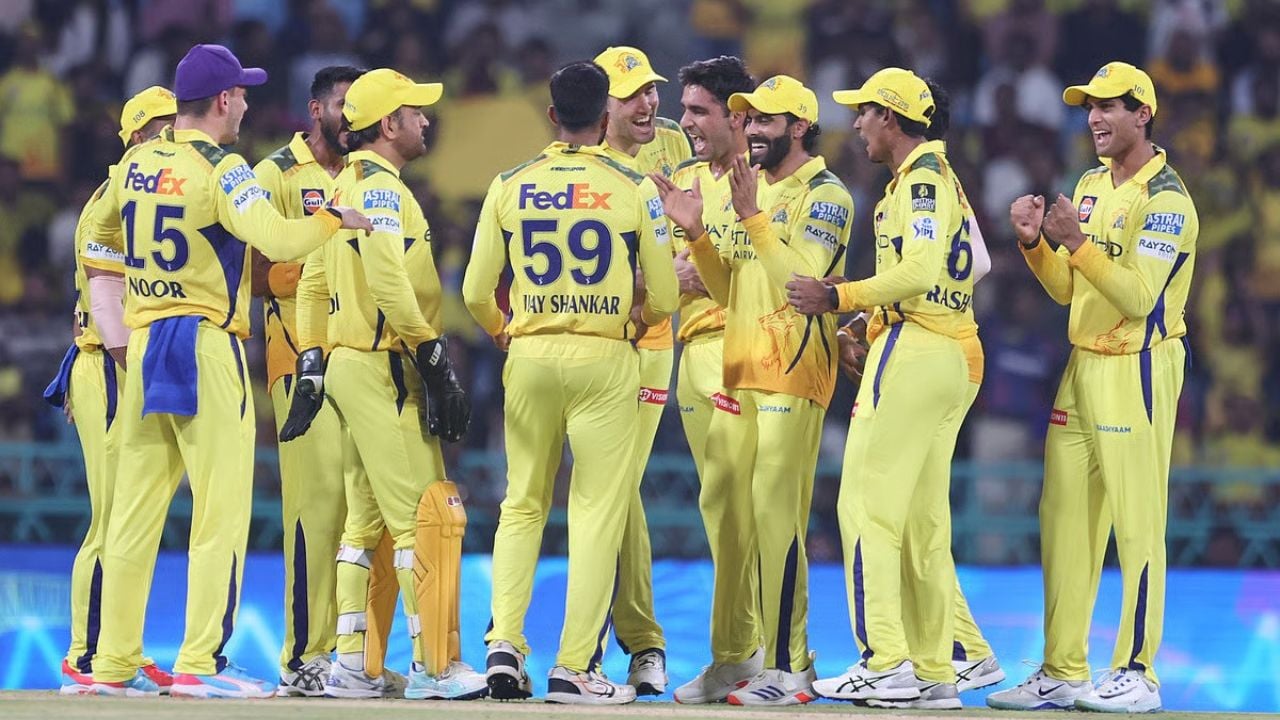
CSK’s big promise to players revealed amid IPL 2026: “Whatever BCCI offers, we’ll double it”
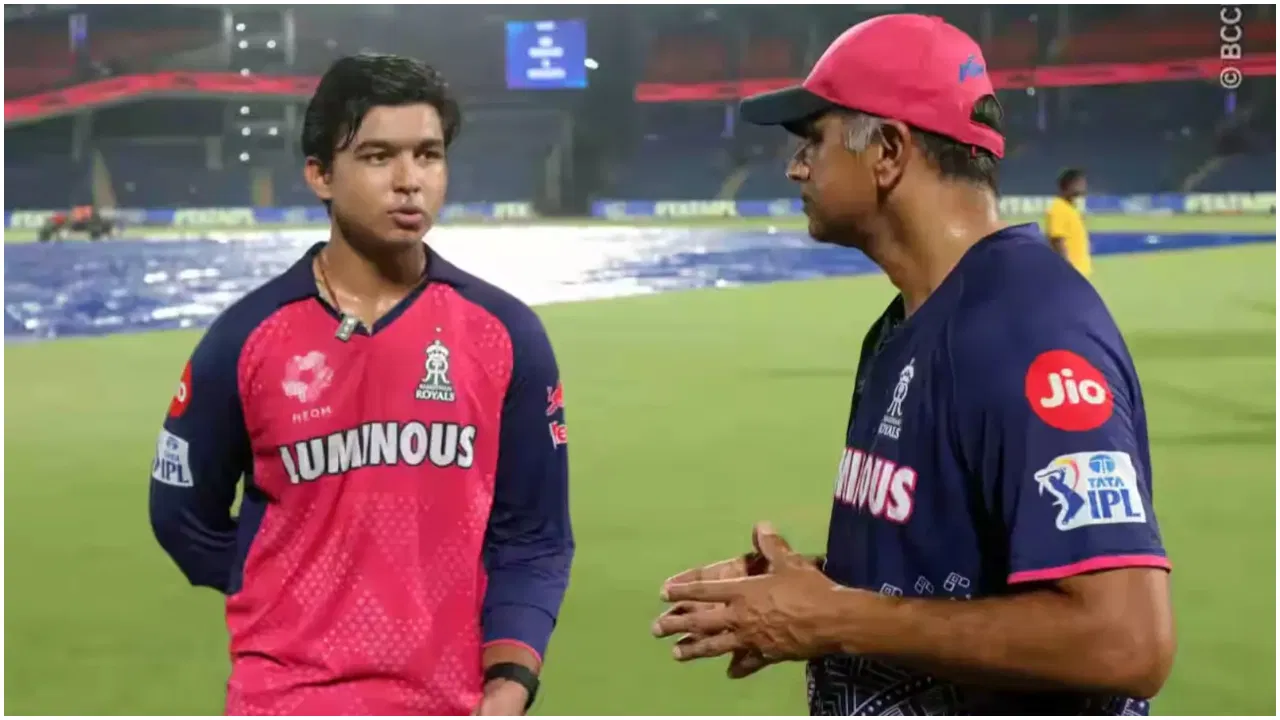
Ravichandran Ashwin rules out Vaibhav Sooryavanshi’s India call-up
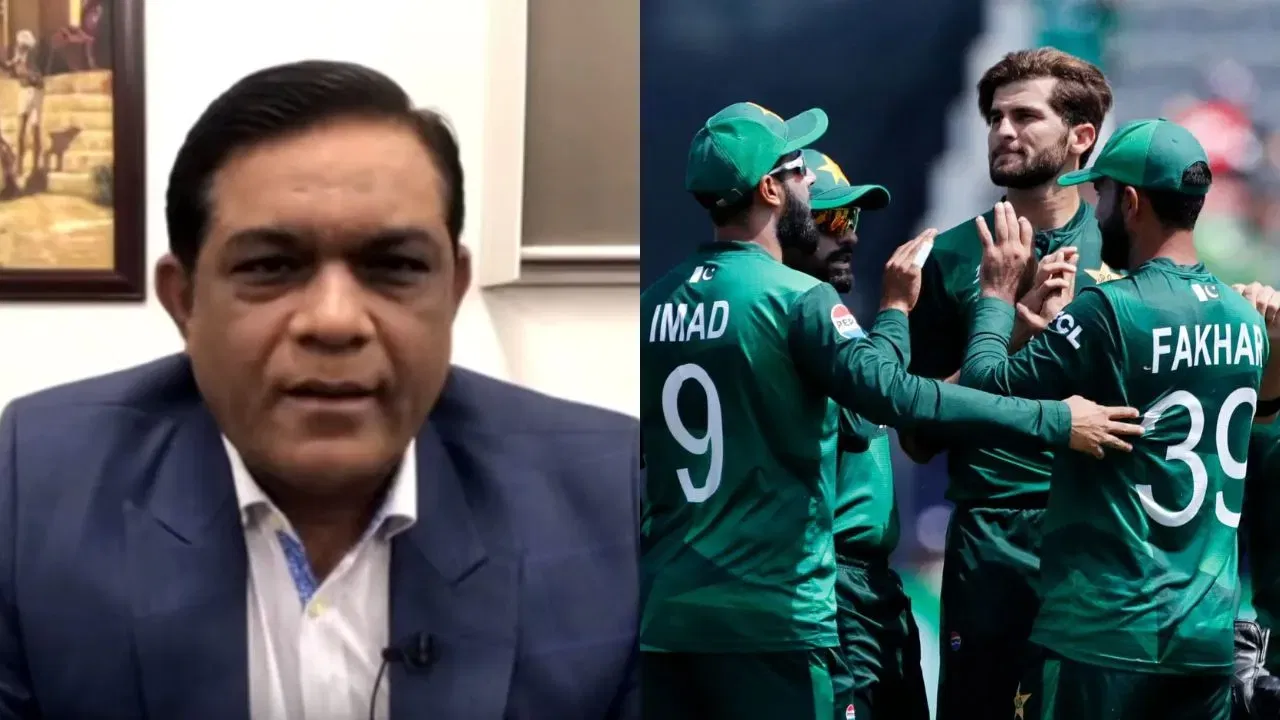
Rashid Latif claims PSL ball-tampering row was deliberately created for attention amid IPL rivalry
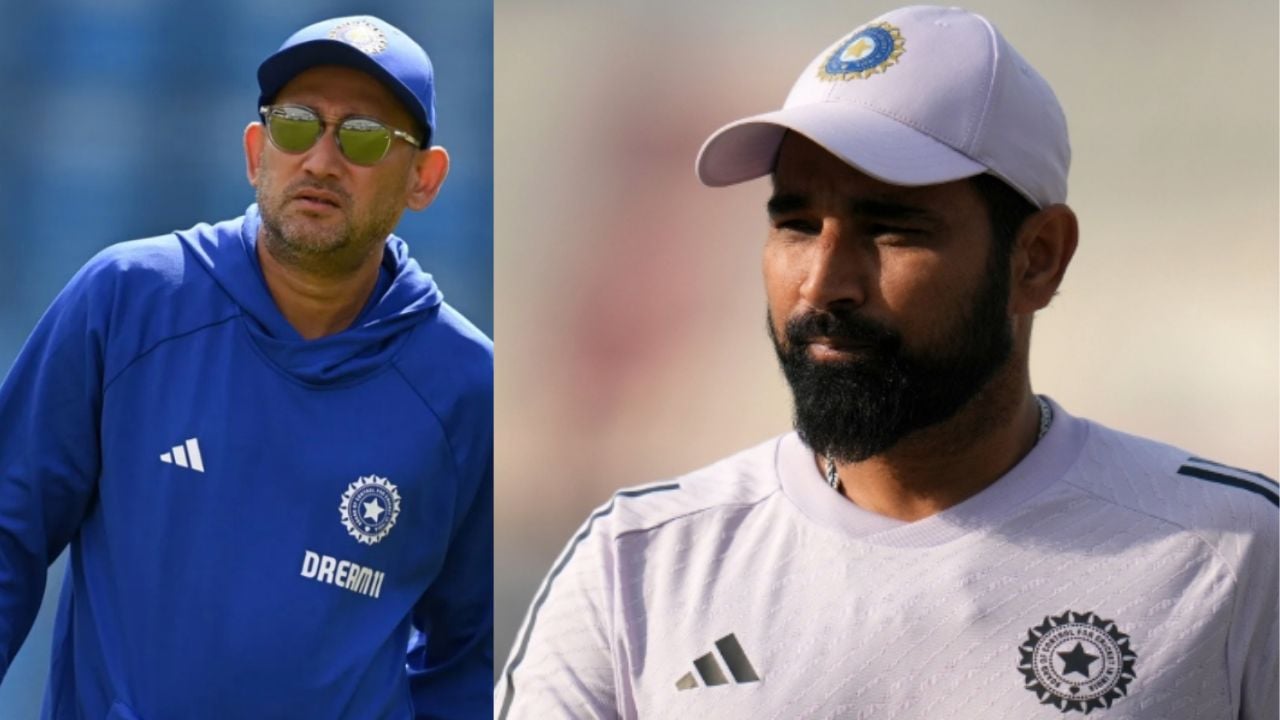
Mohammed Shami breaks silence on retirement buzz after India snub; has special message for LSG
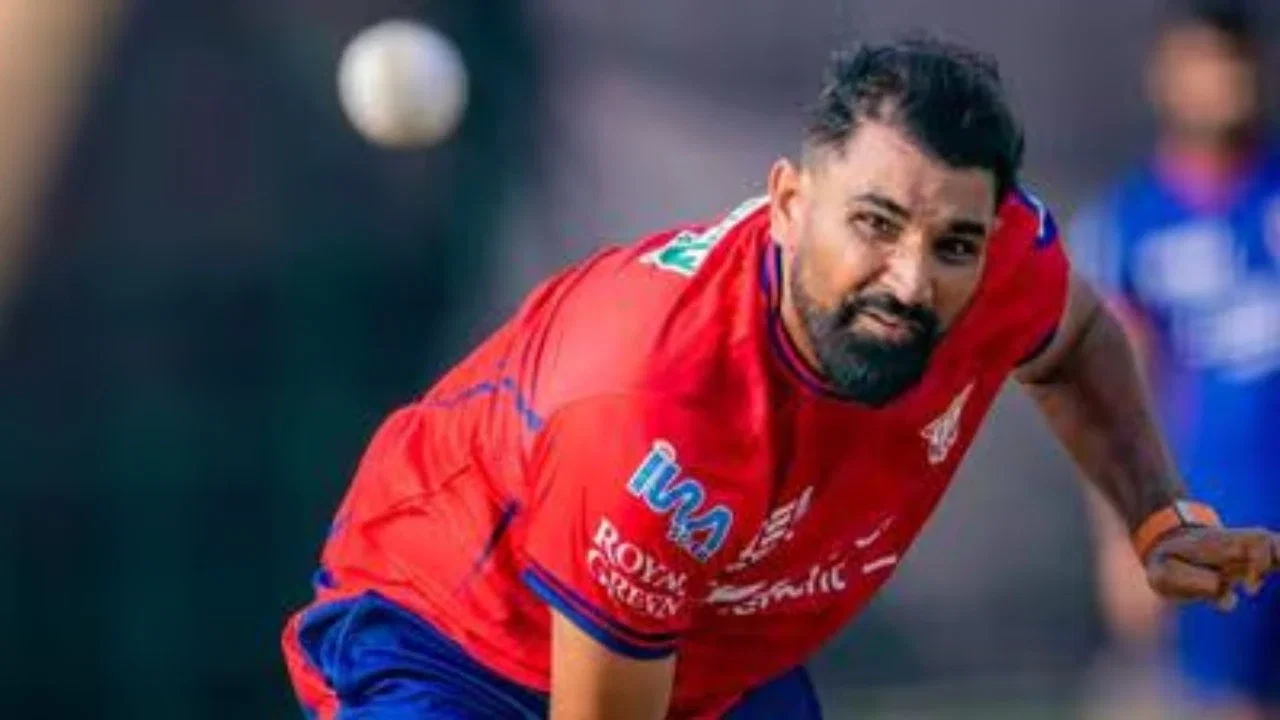
Mohammed Shami reveals IPL 2026 Top 4, leaves out five-time champions
Mohammed Shami hits back at Ravichandran Ashwin over LSG’s poor IPL 2026 prediction
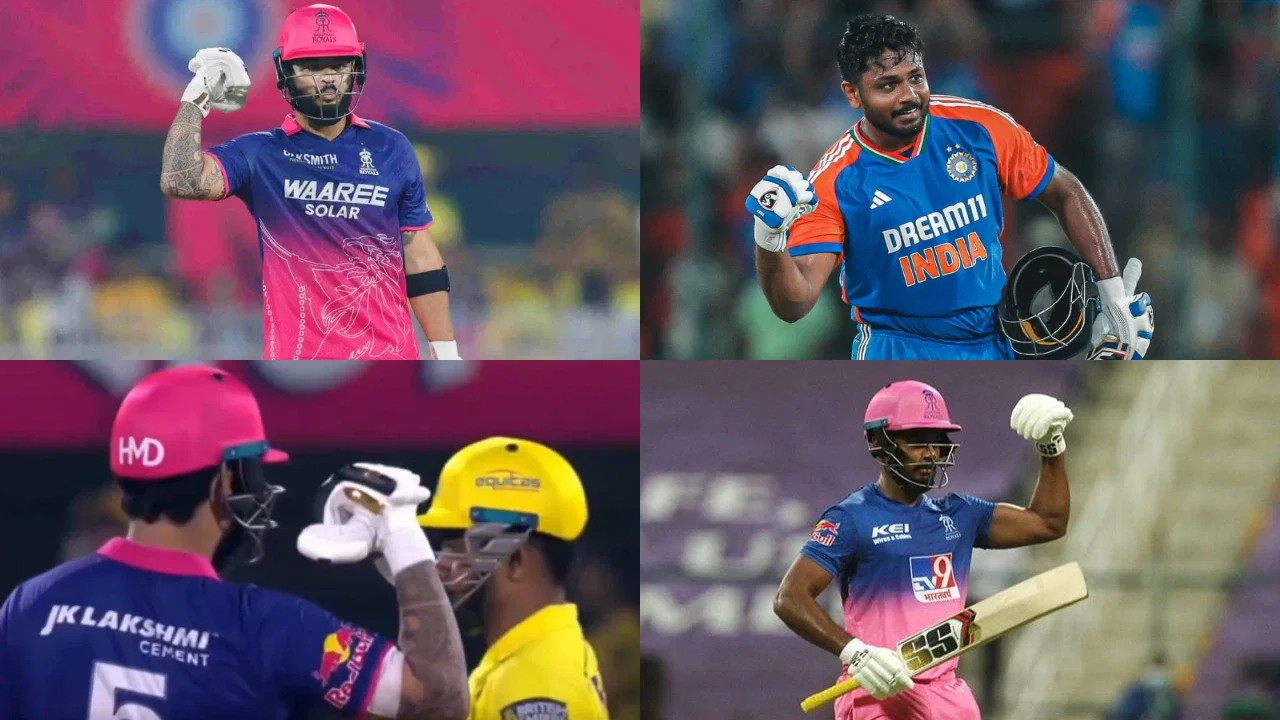
Riyan Parag mocked Sanju Samson? Batter’s muscle-flex celebration after sensational 6 vs CSK goes viral
IPL 2026 hit by tragedy! British broadcast engineer dies in Mumbai hotel room
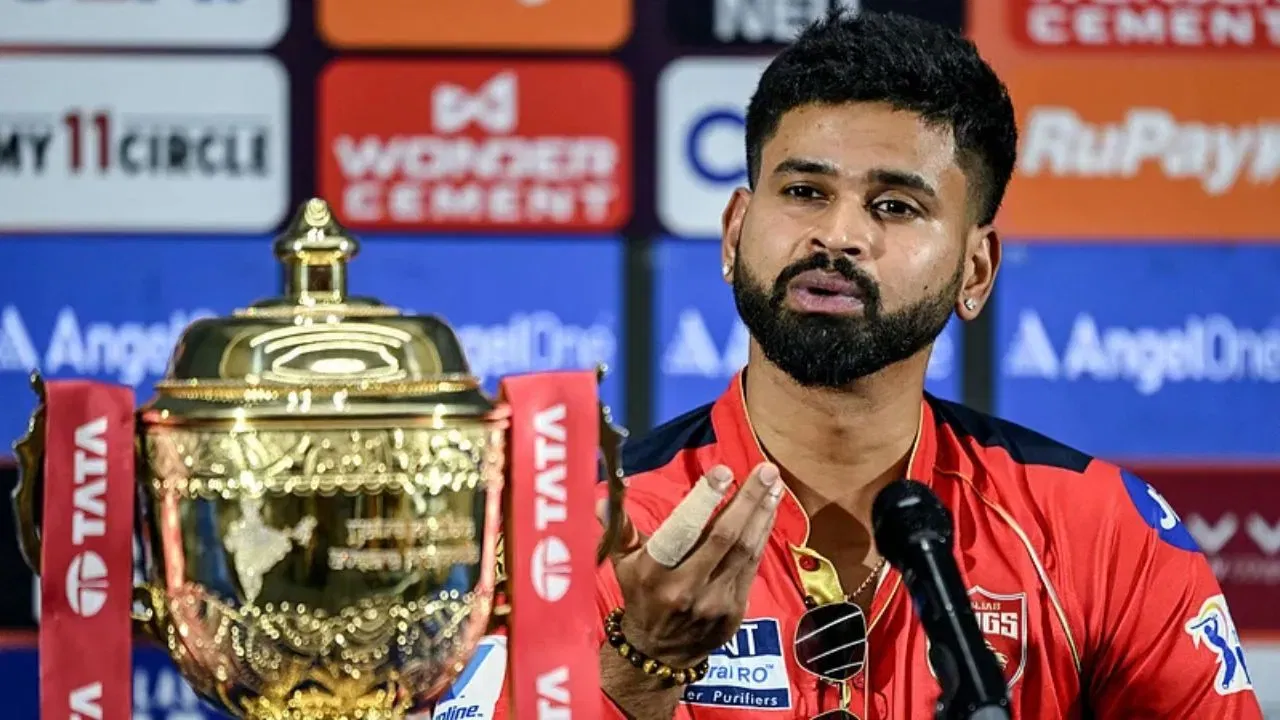
Brad Haddin reveals reality of Shreyas Iyer as captain
Jos Buttler set to dominate IPL 2026, thanks to Ashish Nehra
Ravindra Jadeja says he had no conversation with MS Dhoni after RR move