

Mohsin Naqvi in trouble! Bangladesh Cricket Board teams up with ICC to end India vs Pakistan row
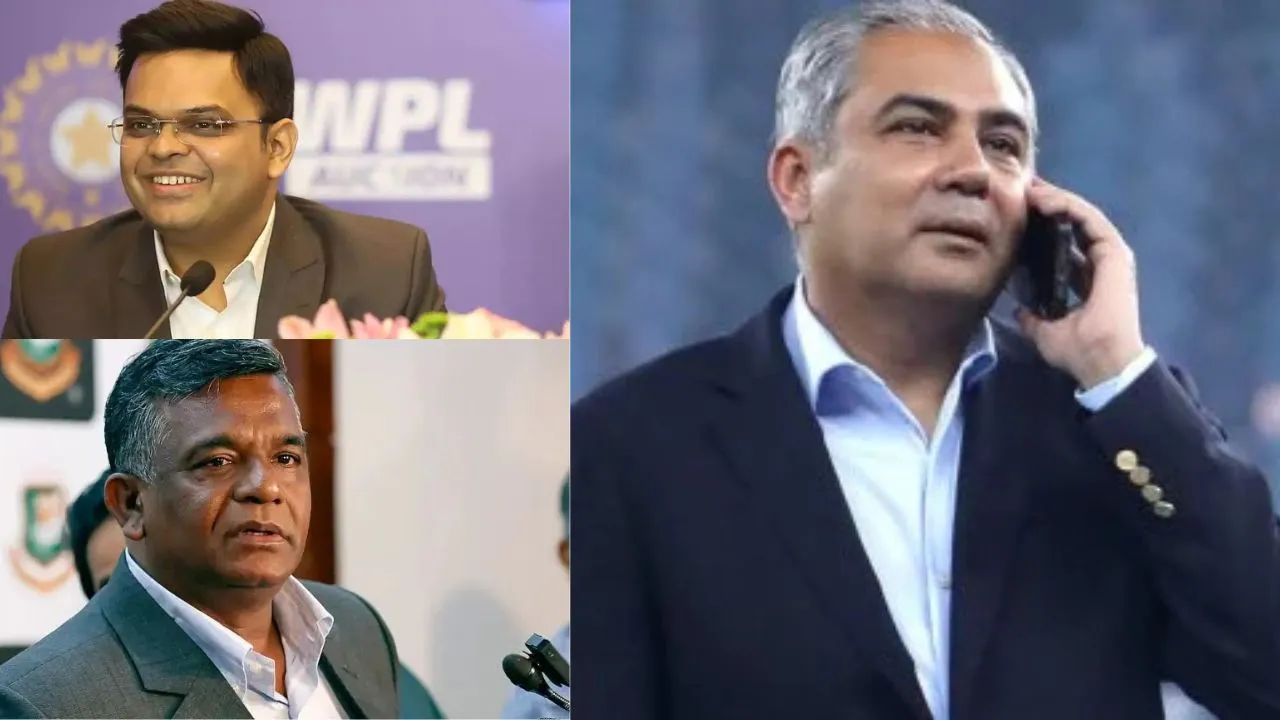
The much-anticipated India vs Pakistan cricket match is once again on the radar, following weeks of uncertainty and drama surrounding the event. Recent reports from PTI suggest that Aminul Islam, the president of the Bangladesh Cricket Board (BCB), has urged Mohsin Naqvi, the president of the Pakistan Cricket Board (PCB), to end the boycott against India and go ahead with the scheduled match on 15th February in Colombo.
**The Meeting and Support**
Aminul Islam and Mohsin Naqvi recently participated in a virtual meeting with ICC Deputy Chairman Imran Khawaja, which was convened by the apex body to resolve the tensions between India and Pakistan. During the meeting, Aminul Islam expressed his gratitude towards Pakistan for standing by Bangladesh when they were excluded from the T20 World Cup. Despite facing a lack of support from other cricket boards, the PCB supported Bangladesh’s decision to change their venues from India to Sri Lanka due to security concerns.
**The Trigger**
The controversy began when the Board of Control for Cricket in India (BCCI) reportedly instructed Kolkata Knight Riders (KKR) to release Bangladeshi pacer Mustafizur Rahman amidst escalating anti-Bangladesh sentiments in India. Although the BCCI did not officially confirm the decision, the Bangladesh Cricket Board was infuriated and decided not to travel to India for the event, citing safety concerns for their players and management.
**Support and Backlash**
Pakistan stood by Bangladesh’s request to relocate their matches and condemned the removal of Rahman as an injustice. However, when the Pakistan government announced their boycott of the India vs Pakistan match on social media, the situation escalated further. Sri Lanka Cricket and the Emirates Cricket Board subsequently reached out to the PCB, urging them to reconsider their stance.
**Demands and Considerations**
In response, Mohsin Naqvi has outlined certain demands to the ICC in order to reconsider their position on the match. These demands include initiating a bilateral series between India and Pakistan, increasing revenue sharing, and reinstating pre-match handshakes. Naqvi is currently awaiting approval from Pakistan Prime Minister Shehbaz Sharif, emphasizing that the decision to boycott the game was made by the federal government and not the PCB.
**Revenue and Impact**
The India vs Pakistan match holds significant financial importance, generating double the revenue of any other ICC event. Its cancellation would not only impact the revenue of the ICC but also cause losses for Sri Lanka. The Emirates Cricket Board has warned Naqvi of potential consequences over the boycott and has reminded them of past favors extended to Pakistan.
In conclusion, the upcoming India vs Pakistan cricket match remains a focal point of discussion in the cricketing world, with stakeholders working towards a resolution that satisfies all parties involved. The future of the match hangs in the balance as negotiations and discussions continue to unfold.
**Negotiations and Resolutions**
The virtual meeting involving Aminul Islam, Mohsin Naqvi, and ICC Deputy Chairman Imran Khawaja highlights the ongoing efforts to mediate the situation and find a resolution that allows the India vs Pakistan match to proceed as planned. These discussions signify a significant step towards easing tensions and ensuring that cricket diplomacy prevails over political differences.
Moreover, the demands put forth by Mohsin Naqvi to the ICC shed light on the broader issues at play within the cricketing landscape. The call for a bilateral series between India and Pakistan reflects the desire for increased cricketing engagements between the two nations, which could potentially pave the way for improved relations both on and off the field. By addressing revenue sharing and pre-match rituals like handshakes, Naqvi underscores the importance of fairness and sportsmanship in the game of cricket.
**Political Interference and Sporting Unity**
The involvement of governmental entities, such as the Pakistan government and the federal government, adds a layer of complexity to the situation. While it is essential for political leaders to consider the broader implications of sporting events, it is equally crucial to ensure that sporting decisions are guided by principles of fairness and mutual respect. The delicate balance between political interests and sporting integrity underscores the challenges faced by cricket administrators in navigating geopolitical sensitivities.
Furthermore, the support extended to Bangladesh by Pakistan and other cricket boards underscores the spirit of solidarity that exists within the cricketing community. In times of crisis and uncertainty, the unwavering support from fellow cricketing nations serves as a reminder of the shared values that unite players, officials, and fans across borders. These gestures of support not only strengthen the bonds between nations but also reinforce the notion that cricket transcends political divides.
**Financial Implications and Long-term Sustainability**
The potential cancellation of the India vs Pakistan match due to the boycott could have far-reaching consequences for the financial health of cricketing bodies and host nations. The revenue generated from marquee matches like India vs Pakistan plays a crucial role in sustaining the growth and development of cricket at both domestic and international levels. The loss of such a high-profile fixture could reverberate across the cricketing ecosystem, impacting players, fans, sponsors, and broadcasters alike.
Moreover, the warnings issued by the Emirates Cricket Board regarding the repercussions of the boycott highlight the interconnected nature of the cricketing world. As cricket boards navigate complex relationships and commercial partnerships, decisions made in one context can have ripple effects that extend beyond national boundaries. The need for strategic foresight and collaborative decision-making emerges as essential in safeguarding the long-term sustainability of the sport.
In essence, the unfolding drama surrounding the India vs Pakistan cricket match underscores the intricate interplay between sports, politics, and economics. As stakeholders continue to engage in dialogue and negotiation, the hope remains that a mutually beneficial solution will be reached, allowing cricket to once again serve as a unifying force that transcends boundaries and differences.
Latest News
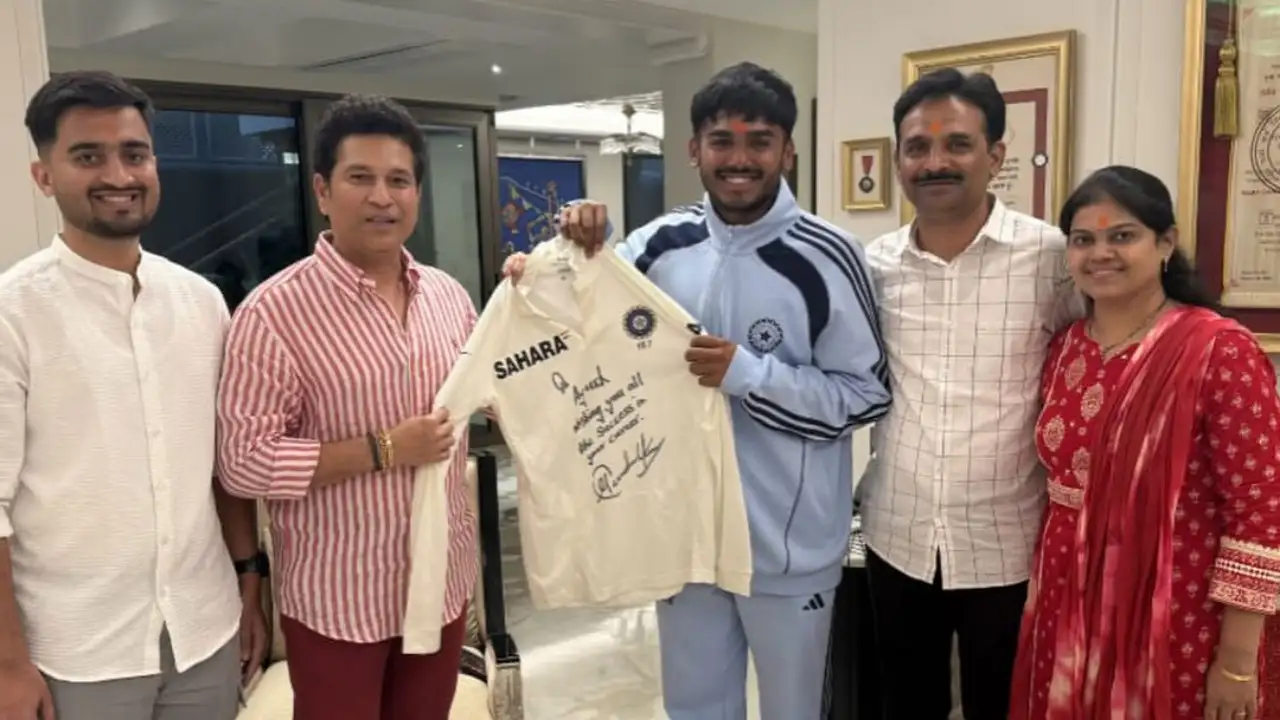
Sachin Tendulkar comes up with heartwarming gesture for U-19 World Cup winner Ayush Mhatre
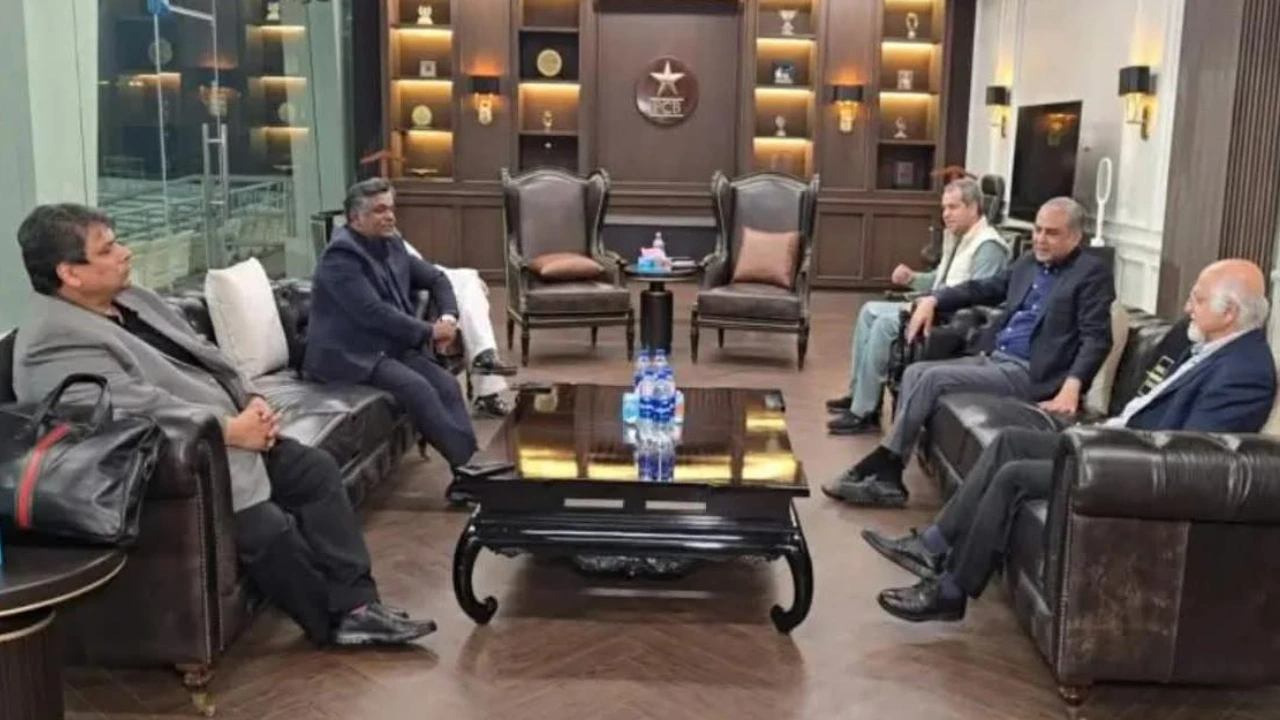
Breaking: India vs Pakistan game to go ahead as scheduled
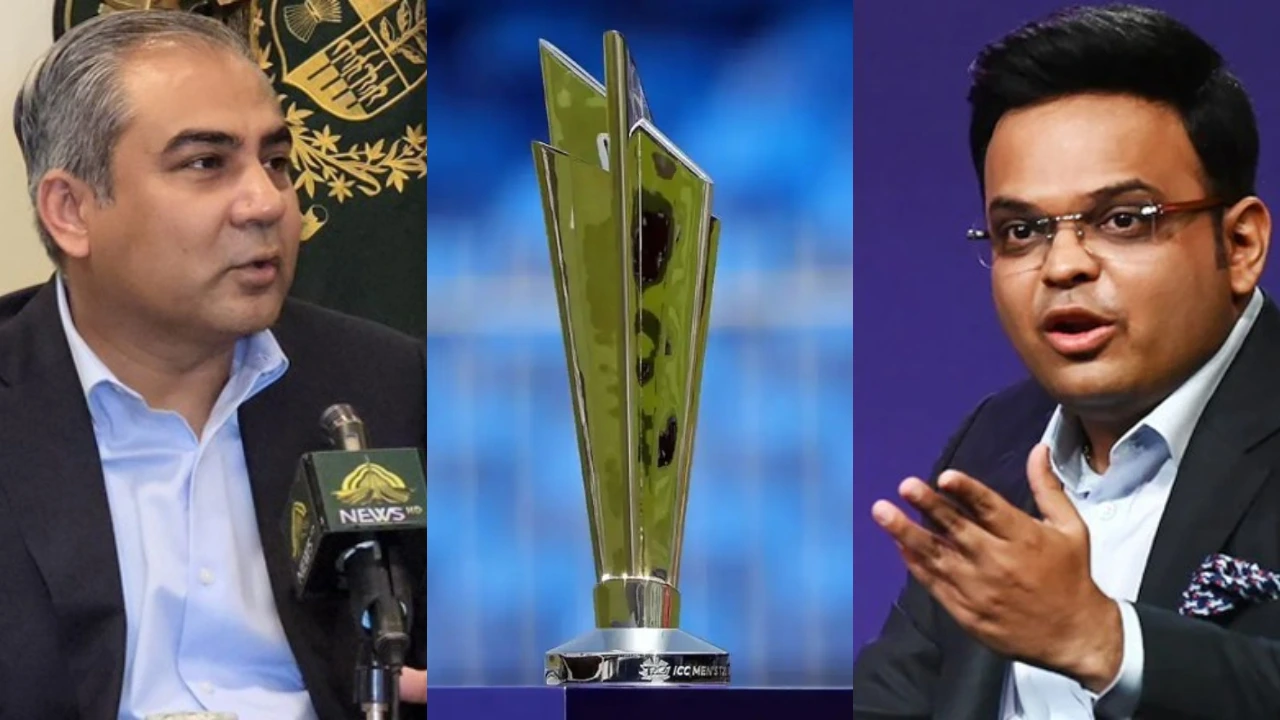
Mohsin Naqvi cries about Asia Cup row in front of ICC; shock India-Pakistan-Bangladesh Tri-series demand revealed
Mohsin Naqvi cries about Asia Cup row in front of ICC; shock India-Pakistan-Bangladesh Tri-series demand revealed
Mohsin Naqvi cries about Asia Cup row in front of ICC; shock India-Pakistan-Bangladesh Tri-series demand revealed
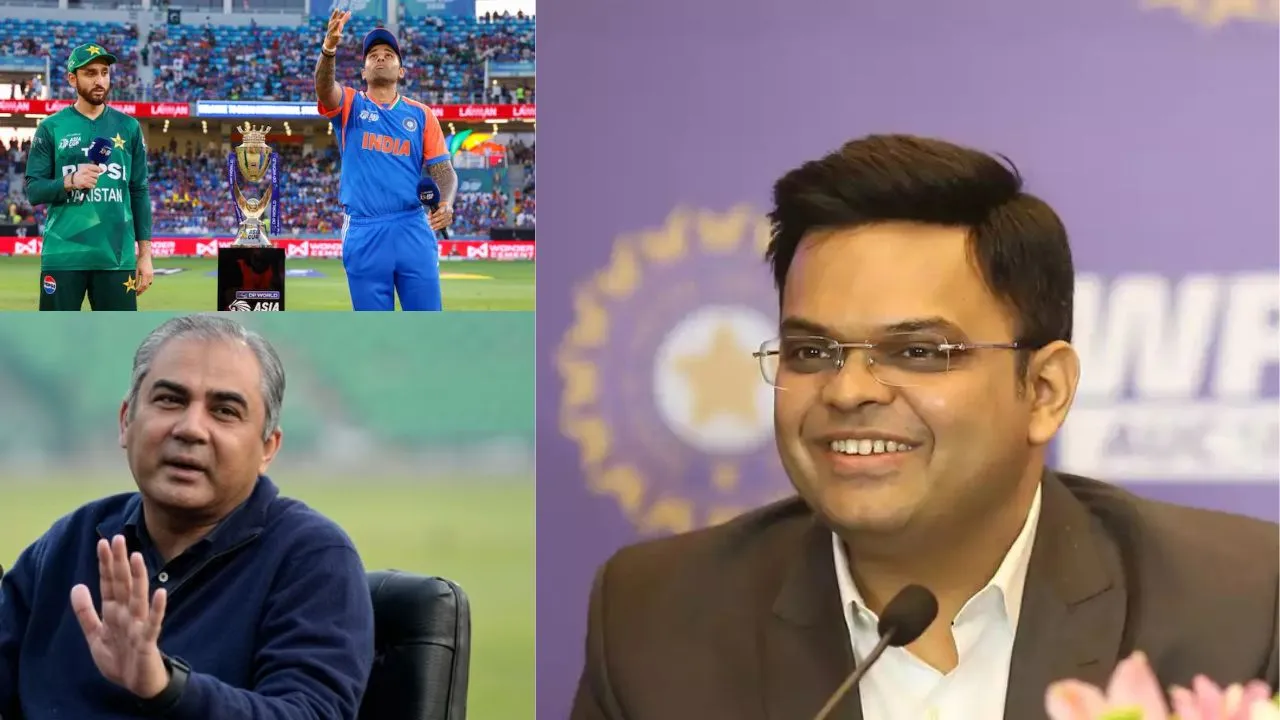
Tri-series with India, bilateral series resumption: ICC reject PCB’s demands
Tri-series with India, bilateral series resumption: ICC reject PCB’s demands
Tri-series with India, bilateral series resumption: ICC reject PCB’s demands
Jaundiced people: Sunil Gavaskar hits back at Nasser Hussain
BCCI’s central contract list announced, Rohit Sharma and Virat Kohli demoted
BCCI’s central contract list announced, Rohit Sharma and Virat Kohli demoted
BCCI’s central contract list announced, Rohit Sharma and Virat Kohli demoted
BCCI’s central contract list announced, Rohit Sharma and Virat Kohli demoted
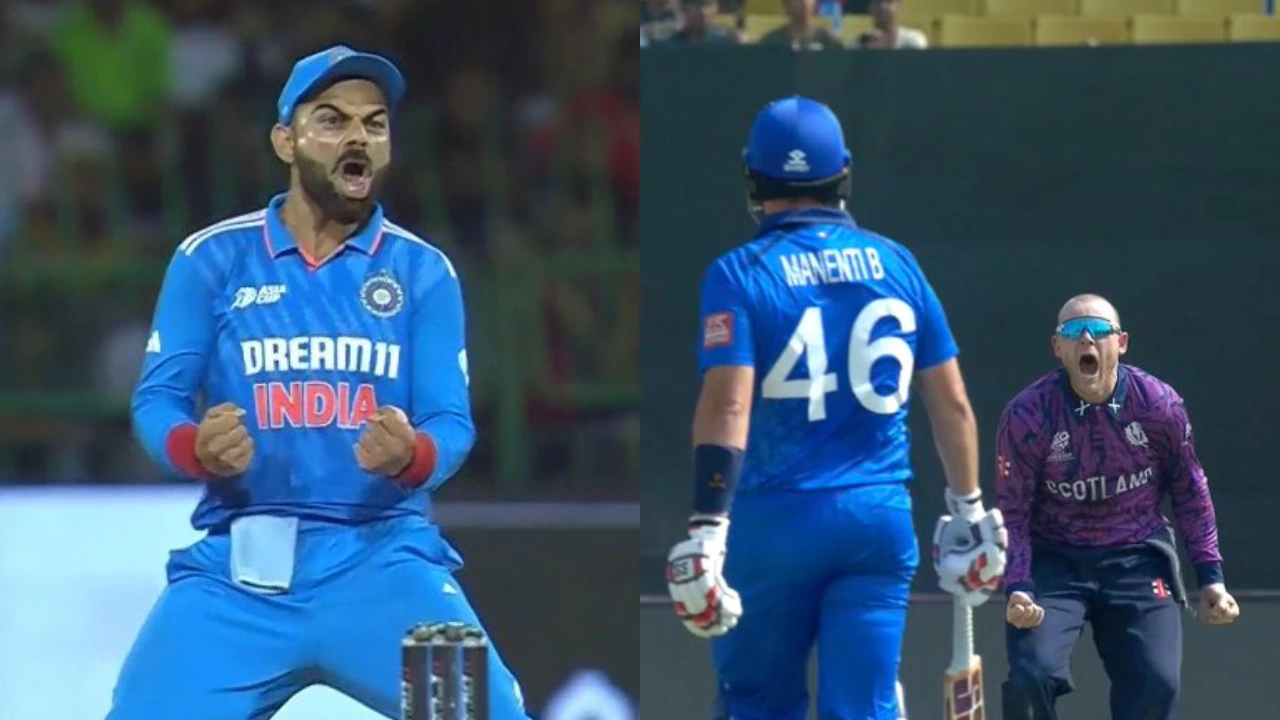
Michael Leask turns Virat Kohli, gives Harry Manenti fiery send-off in Scotland vs Italy T20 World Cup clash

