Mohsin Naqvi issues official statement after BCCI threatens him of ICC decided on Asia Cup trophy

Pakistan Cricket Board’s Mohsin Naqvi Stands Firm Against BCCI in Asia Cup Trophy Dispute
The ongoing dispute between the Pakistan Cricket Board (PCB) and the Board of Control for Cricket in India (BCCI) over the Asia Cup trophy has taken a new turn. PCB’s chairperson, Mohsin Naqvi, has made it clear that Pakistan will not back off from the ICC meeting to settle the debate with the BCCI.
Background of the Dispute
The conflict began after the Asia Cup 2025 final, where the Indian team emerged victorious but refused to accept the trophy from Naqvi. The PCB Chief, who also holds a position in the Pakistan Internal Ministry and heads the Asian Cricket Council, took the trophy off the field out of humiliation and has since refused to hand it over to the Men in Blue.
Responding to claims from the BCCI, Naqvi has issued a stern notice, demanding a player be sent to his office at the ACC headquarters in Dubai to collect the trophy. “Pakistan will not leave the field open for India,” Naqvi’s vindictive motive has been revealed.
ICC Meeting and Escalation
Reports from Indian media suggest that the BCCI intends to settle the dispute at the ICC meeting scheduled from November 4th to 7th. However, Naqvi remains firm on his decision not to hand over the trophy without an official representative from the BCCI or the Indian team personally collecting it.
Despite criticisms of arrogance, PCB Chairman Mohsin Naqvi emphasized, “Pakistan will not leave the field open for India on the Asia Cup trophy issue.” All eyes are now on the ICC meeting in Dubai, where the regional dispute is expected to be raised within the international body.
Impressive Performance by Pakistan in T20I Series
Aside from the off-field dispute, Pakistan has shown remarkable performance on the cricket field. After a draw in the two-match Test series against the World Test Championship defending champions, Pakistan secured a T20I series win against South Africa.
Despite an initial loss in the series, Pakistan bounced back with dominating performances. Saim Ayub’s contribution in the second match and Babar Azam’s return to form in the final T20 match were instrumental in Pakistan’s victory. Babar Azam’s impressive knock of 68 runs off 47 balls helped chase down the target of 140 runs with an over remaining, solidifying his position as the highest run-getter in T20 international cricket.
With Pakistan’s cricketing success on the field and the unresolved trophy dispute off the field, all eyes are on the upcoming ICC meeting where the fate of the Asia Cup trophy and Mohsin Naqvi’s position in the Asian Cricket Council will be decided.
Impact of the Dispute on Cricketing Relations
The ongoing tension between the PCB and the BCCI not only affects the immediate situation surrounding the Asia Cup trophy but also has broader implications for cricketing relations between the two neighboring nations. Historically, India and Pakistan have had a fierce cricketing rivalry that transcends sports into political and cultural realms. The current dispute adds another layer of complexity to an already intricate relationship.
Moreover, the refusal to accept the trophy and the subsequent standoff highlight the deep-rooted animosity and lack of communication between the two cricket boards. Such incidents can further polarize fans and stakeholders on both sides, impacting the spirit of sportsmanship and fair play that is integral to the game of cricket.
Challenges in Resolving the Dispute
As the dispute escalates, the challenge of finding a resolution that satisfies both parties becomes increasingly complex. The involvement of multiple stakeholders, including the ICC, adds another layer of bureaucracy and decision-making processes that could prolong the issue. Moreover, the egos and reputations of key figures like Mohsin Naqvi and officials from the BCCI are at stake, making compromise a difficult proposition.
The stubbornness displayed by both sides further complicates the path to reconciliation. While Mohsin Naqvi stands firm on his decision not to hand over the trophy without proper representation from the BCCI, the Indian board is also unlikely to back down easily. This deadlock prolongs the dispute and risks overshadowing the achievements and progress made by the players on the field.
Future Implications for Cricket Diplomacy
Cricket has often been used as a tool for diplomacy between nations with strained relations. The India-Pakistan cricketing saga has been a prime example of how sports can transcend political boundaries and bring people together. However, the current dispute threatens to undermine this potential for cricket diplomacy.
The inability of the two cricket boards to find a resolution and move past the Asia Cup trophy issue could sour relations even further and impact future bilateral series, tournaments, and collaborations. The ripple effects of this dispute could extend beyond the immediate context and have lasting repercussions on the overall cricketing landscape in the region.
Conclusion
As the cricketing world eagerly awaits the outcome of the ICC meeting in Dubai, the Asia Cup trophy dispute stands as a stark reminder of the complexities and challenges that come with managing international sports relations. The fate of the trophy and the broader implications for cricketing diplomacy between India and Pakistan hinge on the ability of both parties to set aside their differences and prioritize the spirit of the game.
Regardless of the outcome, one thing remains certain – cricket, with its ability to unite and divide, continues to be a powerful force in shaping relationships, narratives, and identities in the modern world of sports.
Latest News
Harry Brook and Jacob Bethell punished after conduct probe by cricket regulator
Sanjiv Goenka engages in heated chat with LSG coaches after loss to DC
Axar Patel dismissed on ‘Golden Duck’ by Prince Yadav in LSG vs DC IPL 2026 clash
IPL Points Table 2026: Updated Standings, Orange Cap, Purple Cap After LSG vs DC Match 5
“We didn’t have enough”: Rishabh Pant takes responsibility after LSG’s batting failure in loss to DC in IPL 2026
“Works hard on his game”: Axar Patel lauds Sameer Rizvi after match winning knock vs LSG
KKR vs SRH Match No. 6 Preview: Free Live Streaming, Pitch & Weather Report, Head-to-Head | IPL 2026
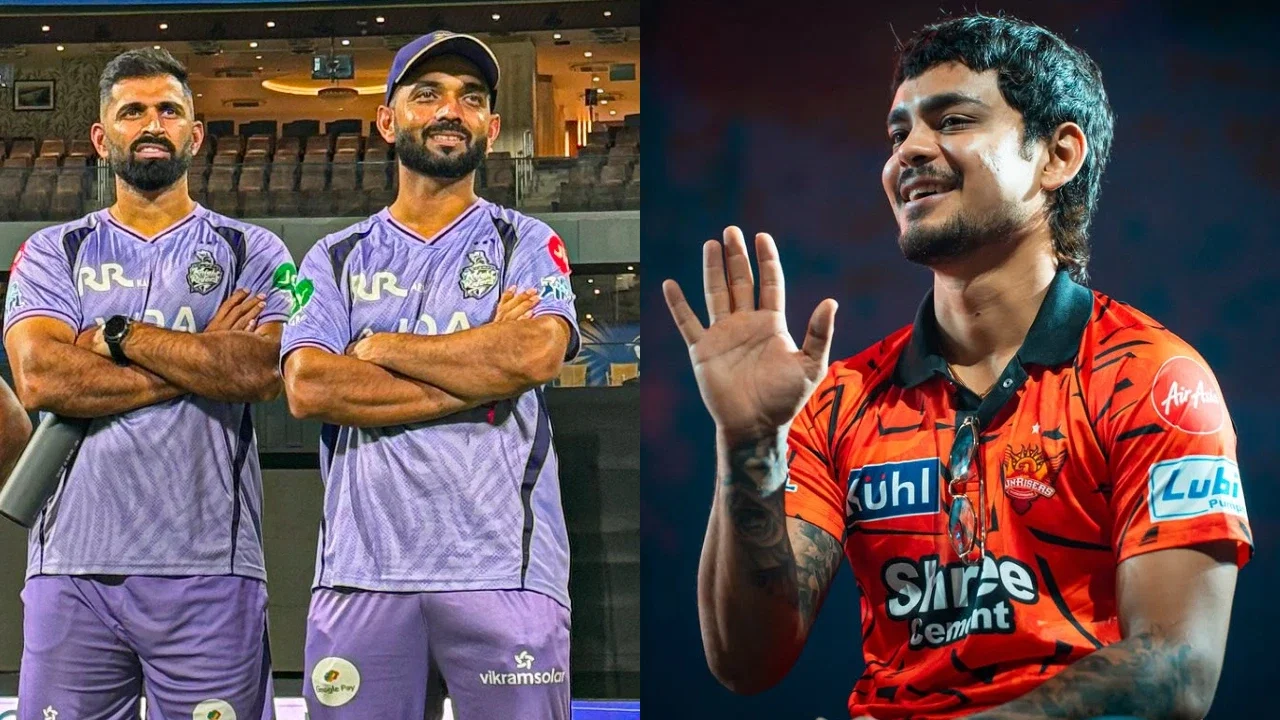
KKR Playing XI vs SRH Playing XI – Match No. 6 | IPL 2026
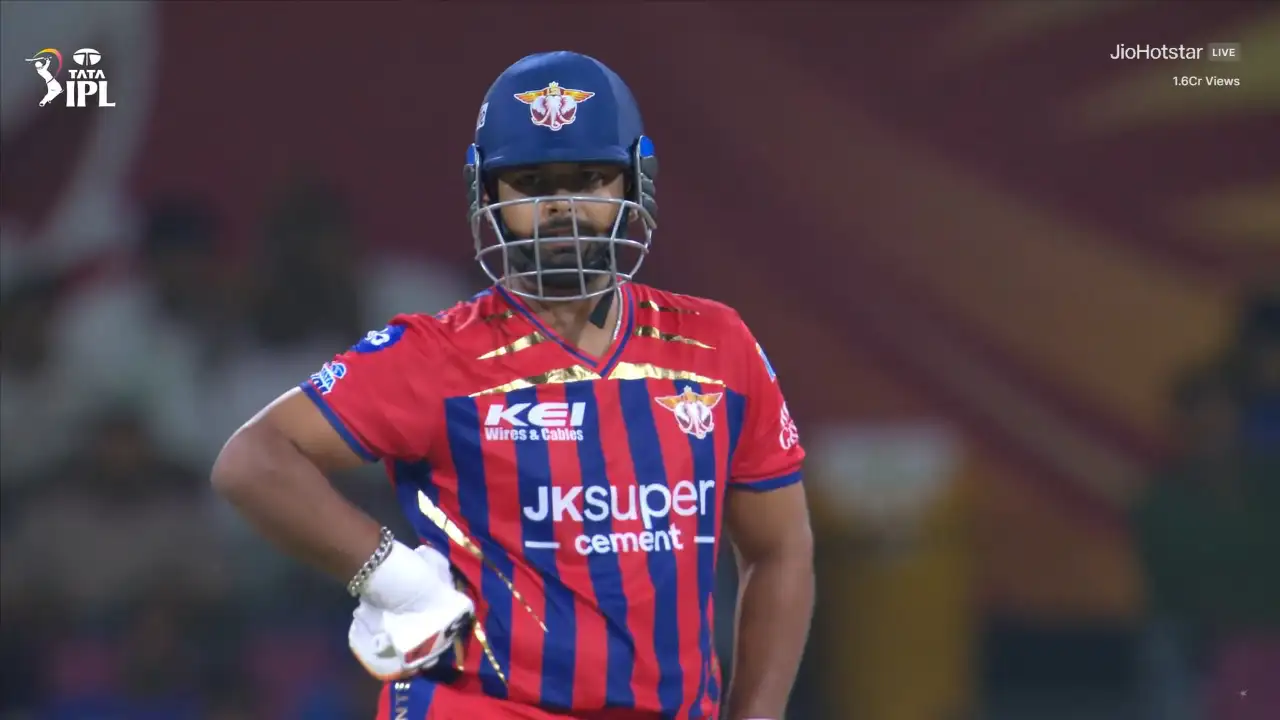
Rishabh Pant’s opening stint cut-short by run-out at non-striker’s end
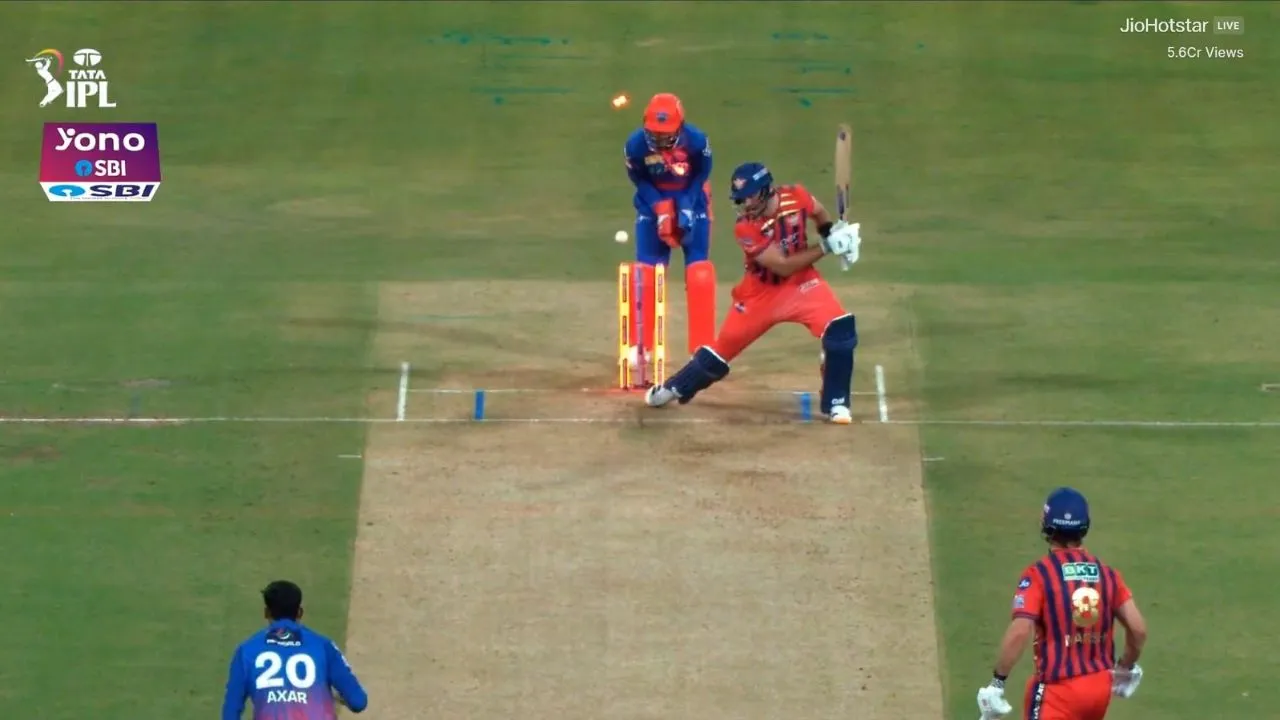
Axar Patel produces a peach to dismiss Aiden Markram in LSG vs DC IPL 2026 clash
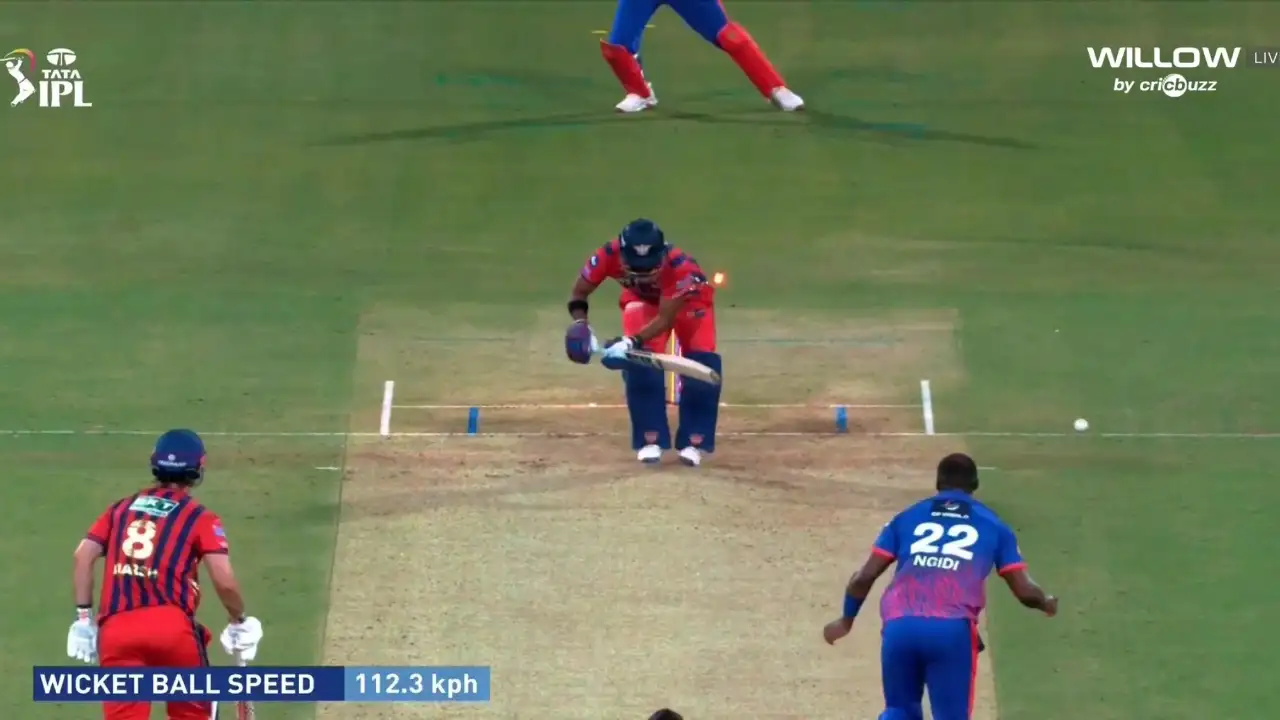
Lungi Ngidi bamboozles Nicholas Pooran with stunning off-cutter in LSG vs DC IPL 2026 clash
Lungi Ngidi credits KKR mentor after amazing bowling display vs LSG in IPL 2026 clash
Mohammed Shami gets a dream start dismisses KL Rahul for a golden duck in LSG vs DC IPL 2026 clash
Vaibhav Sooryavanshi to share dressing room with Rohit-Kohli after IPL 2026, predicts ex-Pakistan star