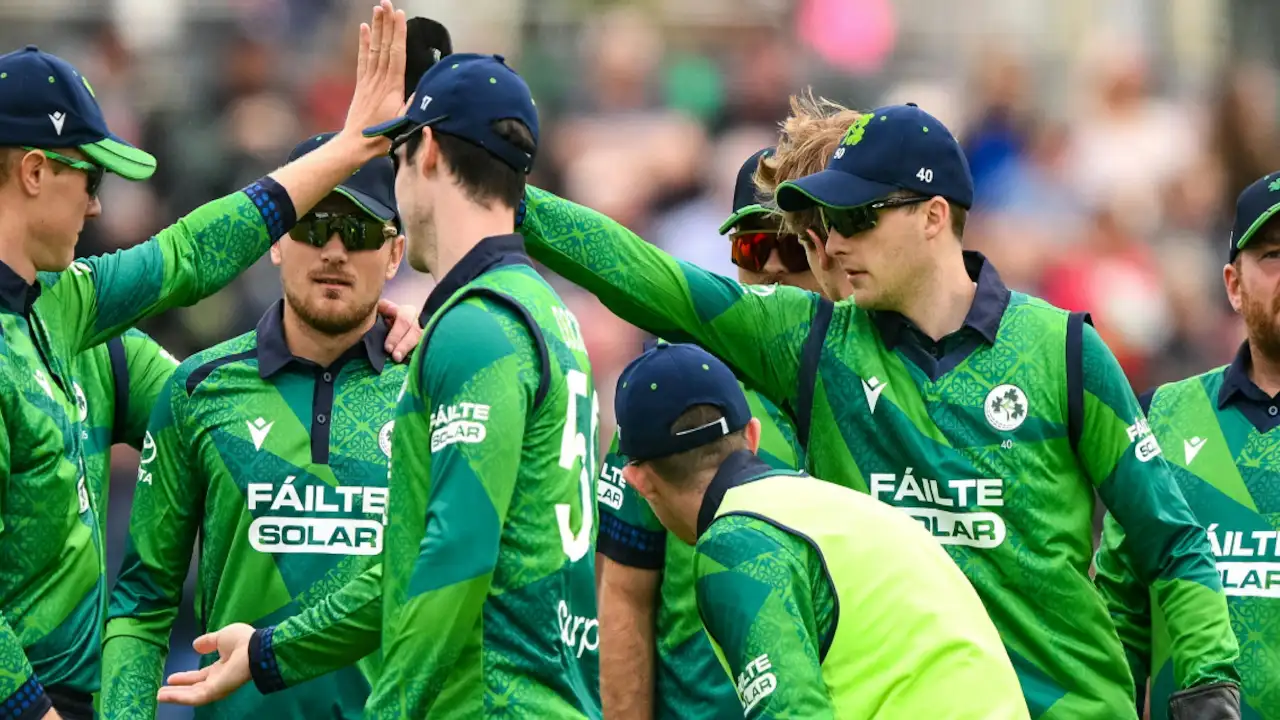
Mohsin Naqvi issues strong warning to players leaving PSL for IPL 2026
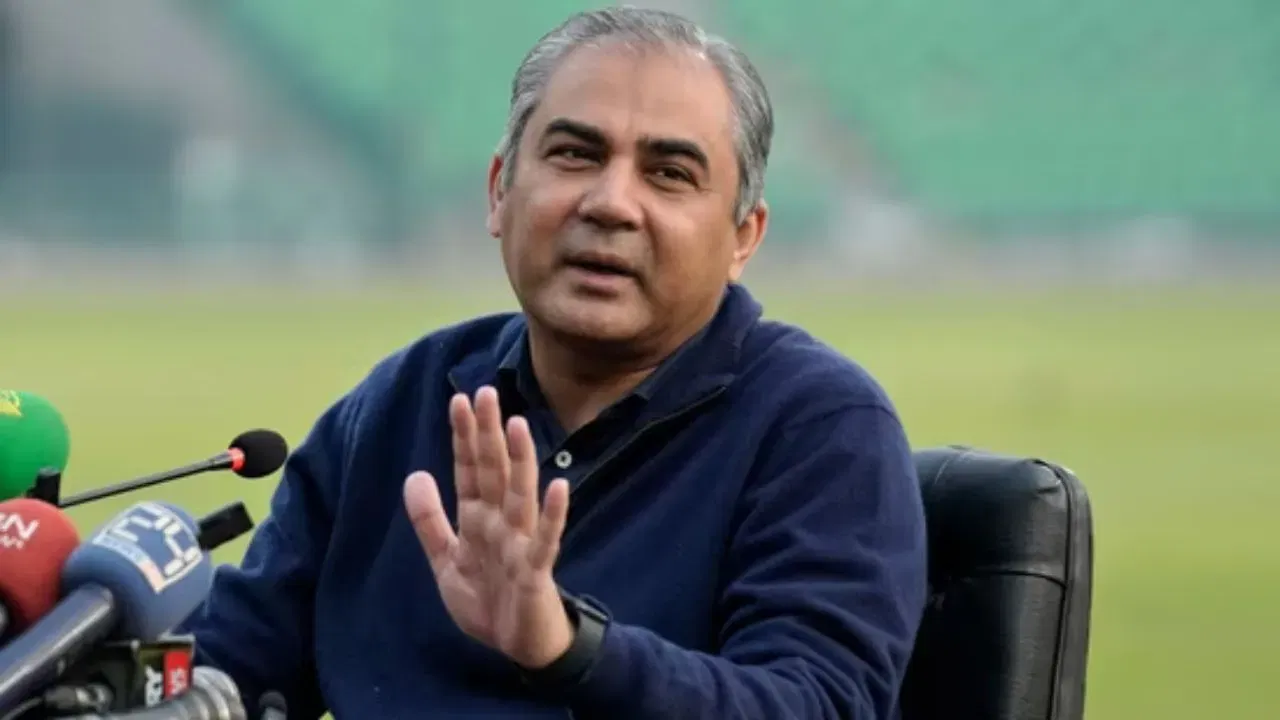
Pakistan Cricket Board Chairman Addresses Player Withdrawals from PSL 2026
The Pakistan Super League (PSL) 2026 has been hit with multiple player withdrawals as high-profile international cricketers opt for lucrative deals in the upcoming Indian Premier League (IPL) season. Pakistan Cricket Board (PCB) Chairman Mohsin Naqvi has addressed these concerns, stating that the league continues to attract new talent and has enough replacements despite the departures.
Legal Action Threatened Against Players
One of the most significant withdrawals was Zimbabwe fast bowler Blessing Muzarabani, who left Islamabad United to join Kolkata Knight Riders (KKR) for the IPL 2026. In response to this trend, the PCB has threatened legal action against players who have withdrawn from the PSL.
During a recent press conference, Mohsin Naqvi made it clear that the PCB is taking a firm stance on the issue. “2-3 have left & we are taking legal action on that,” Naqvi stated. Despite the challenges, Naqvi emphasized that the PSL has managed to attract fresh international replacements, including Category A players who were not previously part of the league.
PSL 2026 Venue Changes and Spectator Restrictions
Due to ongoing geopolitical tensions and logistical concerns, the PCB has decided to hold the PSL 2026 matches only in Karachi and Lahore. Initially planned for six cities, including Multan, Rawalpindi, Faisalabad, and Peshawar, the tournament will now be streamlined to ensure security and operational efficiency.
Mohsin Naqvi confirmed that the league will kick off on March 26 as scheduled, with matches initially being played without spectators. The decision to hold matches behind closed doors is in response to the current global situation, with further decisions dependent on the evolving circumstances.
Concerns Over Player Exodus and Impact on PSL Franchises
Blessing Muzarabani’s move to KKR triggered concerns among PSL franchises, as the Zimbabwean player departed Islamabad United for the IPL. Muzarabani is not the only player to prioritize the IPL window, with others like Gudakesh Motie and Dasun Shanaka also expected to join IPL teams.
These sudden withdrawals have left PSL franchises scrambling for replacements just days before the league’s opening match. The overlap with IPL 2026 has intensified the situation, affecting team combinations and creating challenges for team management.
In conclusion, while the PSL continues to face setbacks due to player withdrawals, the PCB remains committed to the league’s success. With an emphasis on attracting new talent and ensuring operational efficiency, the PSL 2026 looks set to be an exciting and competitive cricketing event despite the challenges it faces.
Impact of Player Withdrawals on PSL 2026
The recent wave of player withdrawals from the Pakistan Super League (PSL) 2026 has sparked conversations within the cricketing community about the league’s ability to retain top talent. The departure of high-profile players to the Indian Premier League (IPL) has raised concerns about the competitive balance and star power of the PSL teams. While the PCB has taken a firm stance by threatening legal action against withdrawing players, the impact on the league’s dynamics cannot be understated.
With players like Blessing Muzarabani opting for the IPL over the PSL, franchises are left with the challenge of finding suitable replacements at short notice. The sudden exodus of key players can disrupt team strategies, affect team chemistry, and alter the overall balance of the squads. This scenario not only tests the depth of talent in the PSL but also highlights the lure of more lucrative opportunities in other T20 leagues.
Strategies to Mitigate Player Exodus
In light of the recent player withdrawals, the PCB and PSL franchises may need to reevaluate their recruitment strategies to mitigate the risk of losing players to competing leagues. Offering competitive salaries, providing a conducive playing environment, and ensuring adequate exposure for players could help in retaining top talent within the PSL.
Moreover, fostering a sense of loyalty and commitment among players towards their respective franchises can play a crucial role in reducing the likelihood of last-minute departures. Building strong relationships between players, franchises, and the league management could create a more cohesive and stable ecosystem within the PSL.
Opportunities for Emerging Players
While the player withdrawals present challenges for PSL franchises, they also open up opportunities for emerging cricketers to showcase their talent on a larger stage. With established international players choosing the IPL, young and domestic players have a chance to step up and make a name for themselves in the PSL 2026.
Franchises may need to rely on local talent and lesser-known players to fill the gaps left by the departing stars. This shift in dynamic could lead to the discovery of hidden gems and the emergence of new cricketing talents, adding an element of unpredictability and excitement to the tournament.
Building Resilience for Future Seasons
As the PSL navigates through the challenges posed by player withdrawals and logistical constraints, there is an opportunity for the league to build resilience and adaptability for future seasons. Enhancing the league’s appeal, improving its financial sustainability, and strengthening partnerships with stakeholders could help in fortifying the PSL against similar crises in the future.
By learning from the experiences of PSL 2026 and implementing strategic measures to address player retention, the PCB can ensure that the league remains competitive and attractive to both players and fans alike. The ability to overcome adversity and innovate in the face of challenges will be essential in shaping the future success of the Pakistan Super League.
Overall, while the player withdrawals from PSL 2026 present immediate hurdles, they also offer opportunities for growth, resilience, and the discovery of new talent within the league. By addressing the root causes of player exodus and implementing proactive strategies, the PSL can emerge stronger and more competitive in the global T20 cricket landscape.
Latest News
Sanju Samson gets huge role as Ruturaj Gaikwad confirms CSK openers for IPL 2026
Prithvi Shaw declares his mission to return to team India begins from IPL 2026
Irfan Pathan questions Arshdeep Singh’s bowling ahead of IPL 2026
“Mind is somewhere else”: Yuvraj’s Father exposes Abhishek Sharma’s indiscipline lifestyle
EX-RCB pacer joins KKR as replacement of Harshit Rana ahead of IPL 2026

“Win our first trophy”: Sanjiv Goenka crowns LSG as champions ahead of IPL 2026
New catching rule? Captains warned over ‘Incomplete’ catches ahead of IPL 2026

Pat Cummins in awe of Ishan Kishan’s captaincy

Ex-India star accuses teammates of ‘Racism’, blames it for early international exit
“I love watching Shreyas Iyer bat” – PBKS all-rounder Cooper Connolly ahead of IPL 2026
Yograj Singh gives Ravichandran Ashwin belt treatment because of Arjun Tendulkar remarks
CSK legend advises Shubman Gill the best way to bounce back in T20I team
Jasprit Bumrah Injury Scare, reason behind visit to CoE revealed
“Didn’t invite me”: R Ashwin puts Kuldeep Yadav in spotlight over wedding snub