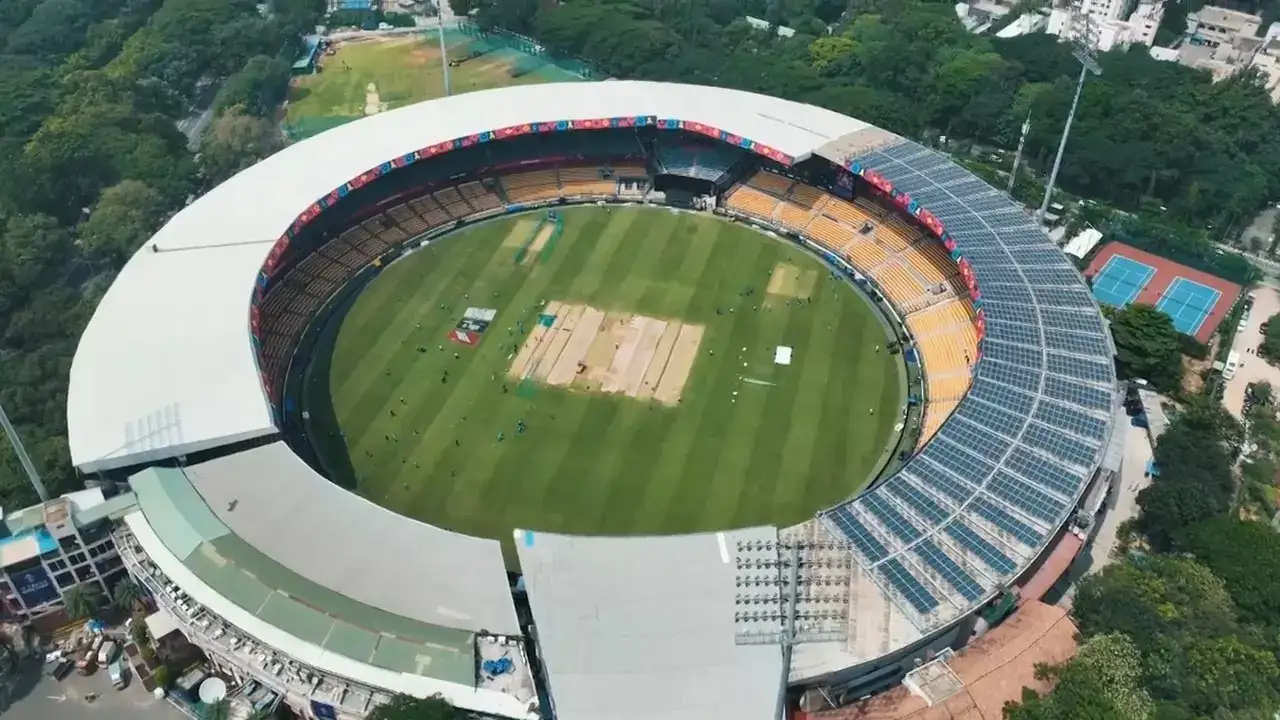
Mohsin Naqvi-led Pakistan and Jay Shah-led ICC’s secret talks LEAKED over T20 World Cup row
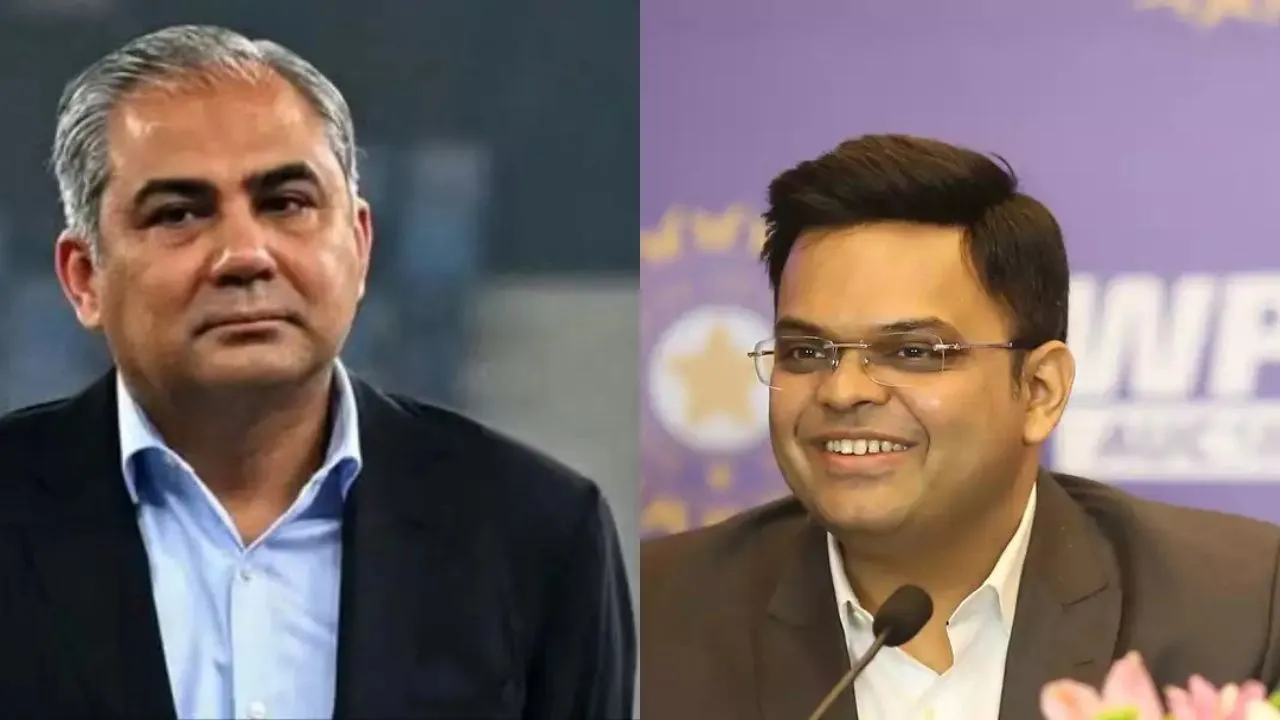
PCB in Talks with ICC to Resolve Pakistan’s Participation at T20 World Cup 2026
The Pakistan Cricket Board (PCB) is currently engaged in back-channel discussions with the International Cricket Council (ICC) to address the issue surrounding Pakistan’s involvement in the upcoming T20 World Cup 2026. Reports suggest that the ICC is committed to ensuring that the highly anticipated group-stage match between arch-rivals India and Pakistan proceeds as initially scheduled.
Concerns Over Group-Stage Clash
India and Pakistan, both placed in Group A, were slated to face off in Colombo on February 15. However, due to government directives, Pakistan is considering skipping the fixture against India. In the event that the match does not take place, India would automatically receive two points, while Pakistan would suffer a loss, impacting their net run rate.
Prime Minister Shehbaz Sharif’s Stance
Prime Minister of Pakistan, Shehbaz Sharif, has expressed that the decision to potentially boycott the match against India is in solidarity with Bangladesh. Bangladesh was excluded from the T20 World Cup for declining to play matches in India, leading to Scotland taking their place in Group C for the tournament.
Efforts to Find a Resolution
Despite the lack of a public statement from the PCB regarding the group match with India, the ICC has urged the board to seek a solution that satisfies all parties involved. Alongside India and Pakistan, Namibia, the Netherlands, and the USA are also part of Group A, with India being the defending champions.
Steps Taken by ICC Officials
According to reports from ESPNCricinfo, senior ICC officials, including deputy chair Imran Khwaja and Emirates Cricket Board official Mubashir Usmani, have been in discussions with key figures from the PCB, such as Mohsin Naqvi and Salman Naseer. These talks began prior to the announcement of the potential boycott and have continued as efforts are made to find a resolution.
Focus on Resolving Disputes
The PCB was previously warned of potential sanctions should Pakistan withdraw entirely from the tournament. However, the board emphasized that the issue at hand is not about financial repercussions. With the ICC stepping in to mediate and address the concerns raised by Pakistan, efforts are being made to ensure that the much-anticipated India-Pakistan clash and the overall participation of Pakistan in the T20 World Cup are not compromised.
As the discussions continue between the PCB and the ICC, cricket fans worldwide remain hopeful for a positive outcome that allows for fair competition and the successful execution of the T20 World Cup 2026.
Importance of India-Pakistan Matches
The rivalry between India and Pakistan in cricket is one of the most intense and eagerly anticipated contests in the sport. Matches between the two nations often attract massive global viewership and fan interest, making them significant revenue-generating opportunities for cricket boards and broadcasters. The potential boycott of the India-Pakistan match could have far-reaching implications beyond just the T20 World Cup 2026, impacting the overall excitement and commercial viability of the tournament.
Historical Context of India-Pakistan Cricket Relations
India and Pakistan have a long-standing history of cricketing rivalry, dating back to their first Test series in 1952. The matches between the two nations have often transcended sports, reflecting the political tensions and cultural dynamics between India and Pakistan. The cricket field becomes a battleground where national pride and identity are fiercely contested, adding layers of complexity to each encounter.
Role of Cricket Boards in Diplomacy
Cricket boards, such as the PCB and the BCCI (Board of Control for Cricket in India), often find themselves in the position of navigating delicate diplomatic situations through the sport. The decision-making process regarding participation in international tournaments involves not just sporting considerations but also political, social, and economic factors. The resolution of the current impasse between Pakistan and India at the T20 World Cup 2026 could have broader implications for future cricketing relations between the two nations.
Impact on Players and Fans
The uncertainty surrounding Pakistan’s participation in the T20 World Cup 2026, particularly the match against India, puts players and fans in a difficult position. Cricketers on both sides are eager to showcase their skills on the global stage and compete against their traditional rivals. Fans, who eagerly await the high-stakes clashes between India and Pakistan, face disappointment and frustration if the match does not materialize. The emotional investment and passion associated with India-Pakistan matches highlight the cultural significance of cricket in both countries.
Global Cricketing Landscape
The outcome of the discussions between the PCB and the ICC regarding Pakistan’s participation in the T20 World Cup 2026 will not only impact the immediate tournament but also shape the broader narrative of international cricket. The resolution of conflicts and disputes within cricketing circles sets a precedent for how disagreements and controversies are managed in the sport. The transparency, fairness, and diplomacy demonstrated in resolving the current situation can strengthen the integrity and credibility of global cricket governance.
Looking Ahead
As negotiations continue between the PCB and the ICC, stakeholders across the cricketing world are hopeful for a positive resolution that upholds the spirit of fair play, competition, and sportsmanship. The T20 World Cup 2026 represents a significant moment for cricket, bringing together teams from diverse backgrounds and regions to showcase their talent and passion for the game. The successful resolution of the current predicament can pave the way for a memorable and inclusive tournament that celebrates the essence of cricket as a unifying force.
Stay tuned for further updates on the ongoing discussions between the PCB and the ICC as they work towards a mutually beneficial solution for all parties involved.
Latest News
Star CSK spinner signs deal with new team ahead of IPL 2026
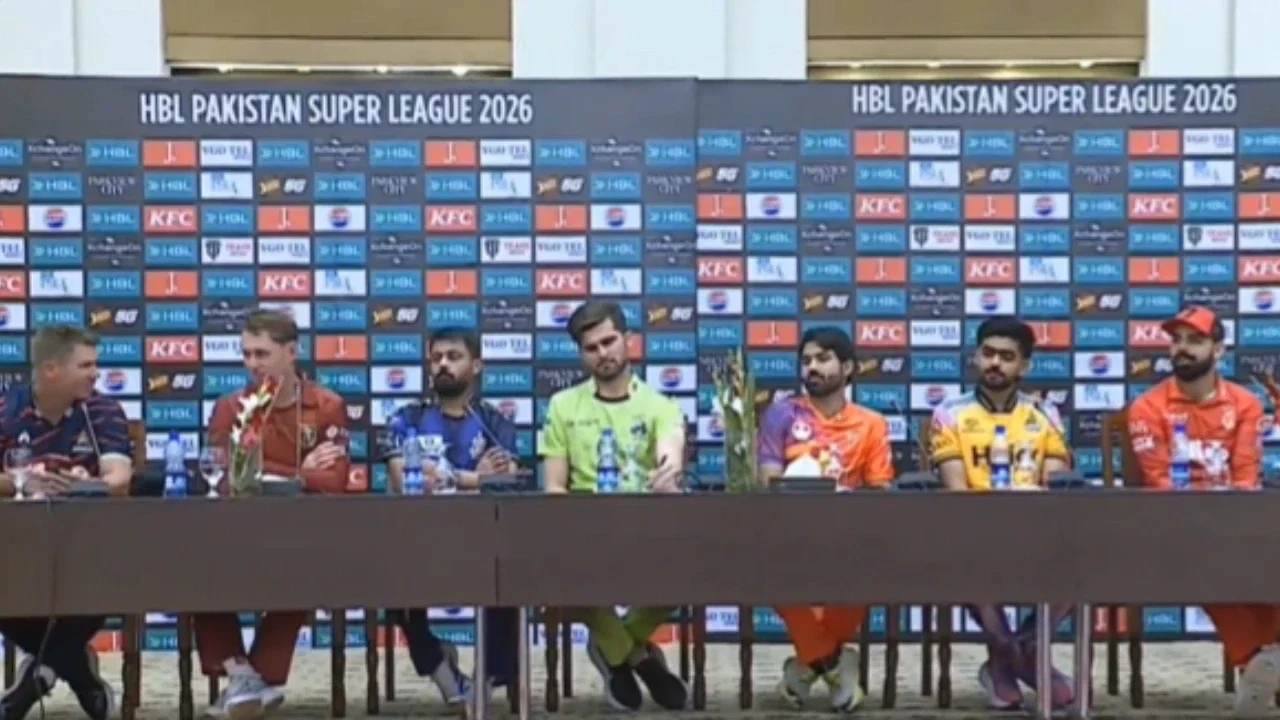
Shaheen Afridi lashed out at journalists after asked about Pakistan Team during PSL press-conference
IPL 2026 full schedule out! BCCI announces second phase fixtures
Virat Kohli’s explosive threat during coach’s conspiracy revealed: “Will beat the living hell out of…”
Dinesh Karthik can become head coach of India, England or Australia: Jitesh Sharma makes bold claim
Virat Kohli turns Abhishek Sharma with explosive batting for RCB ahead of IPL 2026
Not Tim Seifert! KKR eye 21-year-old Indian as wicketkeeper for IPL 2026
“Itna dete nahi importance inko”: Jitesh Sharma trolls Pakistan, reveals unheard story
‘I liked young MS Dhoni more than the mature one’: Sourav Ganguly drops huge statement
RCB suffer huge blow! SLC blocks Nuwan Thushara’s IPL 2026 participation
Border-Gavaskar Trophy 2027 schedule announced; Ahmedabad among five venues selected
BCCI announces India’s 2026-27 international home season schedule; series vs AUS, WI, SL, ZIM finalized
Irfan Pathan reveals Yuvraj Singh’s secret method to train Rishabh Pant ahead of IPL 2026
Virat Kohli, Rohit Sharma ODI schedule: Full list of matches they will play in India’s 2026-27 home season