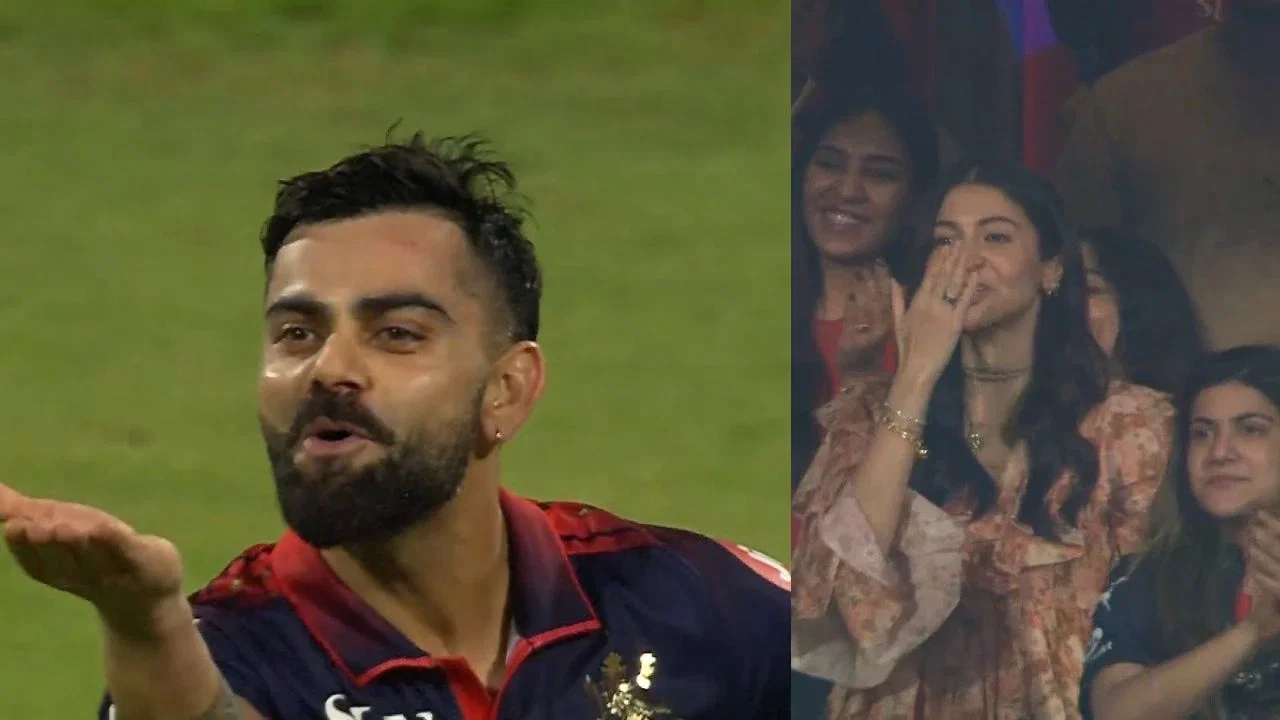
Mohsin Naqvi Red Faced As ACC Knew About India’s ‘No Handshake’ Decision Against Pakistan
India’s Win Overshadowed by Handshake Controversy
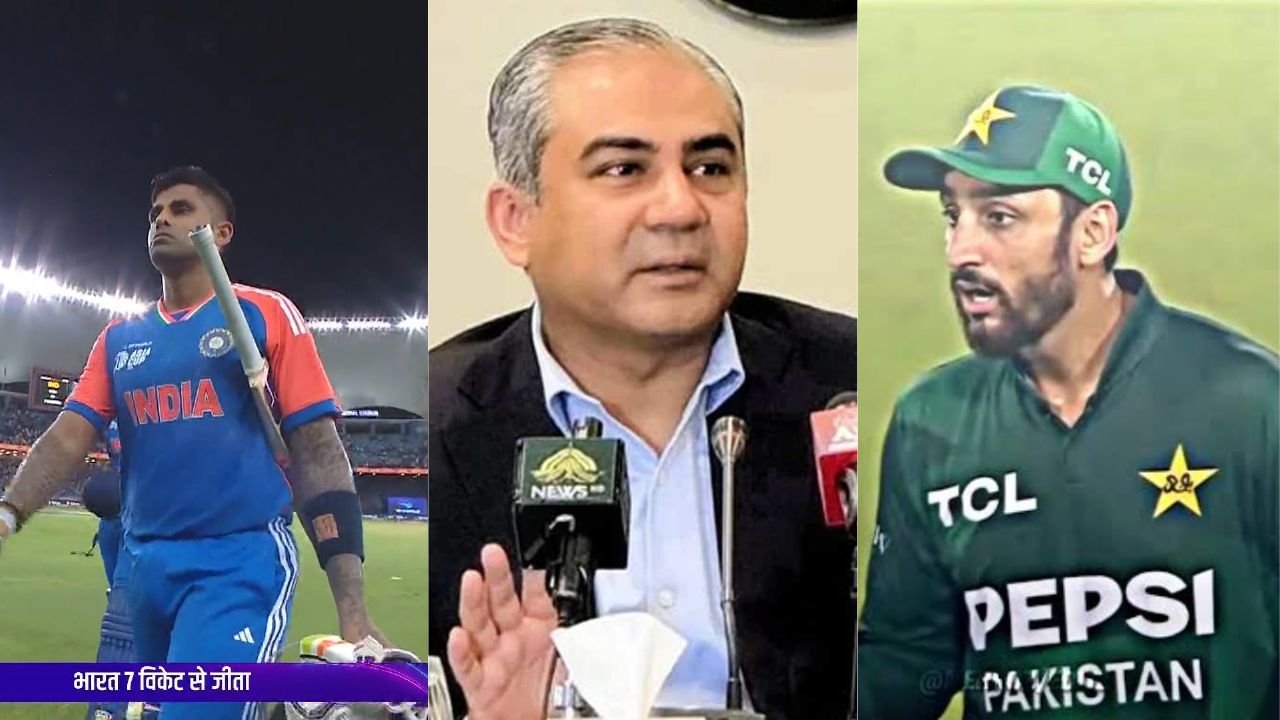
India’s dominant victory over Pakistan in the ongoing Asia Cup 2025 has been marred by a controversial incident involving a lack of handshakes between the two teams. The defending champions showcased their superiority by securing a convincing 7-wicket win in Dubai on Sunday, led by captain Suryakumar Yadav and Shivam Dube, both of whom remained unbeaten throughout the match.
No Handshakes: The Aftermath
After the match, instead of engaging in the customary handshake with the opposition players, the Indian team immediately headed to the dressing room, leaving the Pakistan players waiting on the field. This gesture, or lack thereof, has sparked a heated debate within the cricketing community.
Suryakumar Yadav even avoided shaking hands with Pakistan’s captain, Salman Ali Agha, during the toss. The Pakistan Cricket Board (PCB) expressed their displeasure by demanding the removal of match referee Andy Pycroft. Reports suggest that Pycroft had advised the Pakistan captain against approaching Suryakumar for a handshake, a move deemed unsportsmanlike by the PCB.
Mohsin Naqvi Under Scrutiny
Further investigations revealed that Pycroft was simply following instructions from the Asian Cricket Council (ACC), of which the current PCB chairman, Mohsin Naqvi, is also the chief. This revelation has shifted the focus to Naqvi, with calls for him to clarify the nature of the conversation that led to the handshake controversy.
Despite the uproar from PCB, it is important to note that not shaking hands with the opposition is merely a customary practice and not a mandatory rule of the game. The ICC has not been pressured to take any action on the matter.
India’s Dominance in the Asia Cup
On the field, India’s performance has been exemplary, securing their spot in the Super 4s after winning their first two games in the Asia Cup. They began their campaign with a resounding 9-wicket victory against the UAE before defeating arch-rivals Pakistan.
India’s final group stage match is against Oman, where they will look to maintain their winning streak and continue their quest for Asia Cup glory.
In conclusion, while the handshake controversy has generated significant attention, India’s on-field success remains the focal point of their campaign in the Asia Cup 2025.
Impact of the Handshake Controversy on India-Pakistan Relations
The handshake controversy between India and Pakistan during the Asia Cup 2025 has not only sparked debates within the cricketing world but has also had broader implications on the already tense diplomatic relations between the two neighboring nations. India and Pakistan have a long history of political and territorial disputes, which often spill over into the realm of sports.
Instances like the handshake controversy serve to further strain the already fragile relationship between the two countries. The refusal to engage in a simple handshake gesture may seem trivial in isolation, but in the context of the larger political landscape, it can be magnified and interpreted as a deliberate snub or provocation.
Both countries have used cricket as a means to assert their national pride and superiority, and moments like these only add fuel to the fire. The media in both countries have picked up on the incident, with headlines sensationalizing the lack of sportsmanship displayed by the Indian team.
Cricket Diplomacy: A Tool for Peace?
Despite the tensions and controversies surrounding India-Pakistan cricket matches, there have been instances where cricket has been used as a tool for diplomacy and peace-building between the two nations. The concept of “cricket diplomacy” has been employed in the past, where cricket matches have been seen as a way to initiate dialogue, improve relations, and promote cultural exchange.
Leaders from both countries have attended matches in each other’s territories as a gesture of goodwill, signaling a desire for peaceful coexistence. The sport has the power to transcend boundaries and bring people together, even if just for a brief moment on the cricket field.
The Role of Sportsmanship in Cricket
Cricket has long been associated with the values of sportsmanship, fair play, and respect for the opposition. Traditionally, a handshake between players at the end of a match symbolizes mutual respect and acknowledges the spirit of competition. When this gesture is omitted, it can be seen as a breach of these values and can tarnish the image of the game.
Players are not only representatives of their respective countries but also ambassadors of the sport itself. Their actions on and off the field are closely scrutinized and can have far-reaching implications. It is essential for players and officials to uphold the principles of sportsmanship to maintain the integrity of the game.
Looking Ahead: The Future of India-Pakistan Cricket
As the Asia Cup 2025 progresses, all eyes will be on the upcoming matches between India and Pakistan, not just for the on-field rivalry but also for the diplomatic nuances that accompany these contests. The cricketing world will be watching closely to see if both teams can set aside political tensions and focus on the game at hand.
While the handshake controversy has cast a shadow over India’s recent victory, it also presents an opportunity for reflection and dialogue. As the tournament unfolds, it remains to be seen how both teams will navigate the complexities of cricket diplomacy and sportsmanship in the pursuit of success.
In conclusion, while the handshake incident has stirred controversy, it has also opened up a broader conversation about the intersection of sports, politics, and diplomacy in the context of India-Pakistan cricket.
Latest News
Shubman Gill out? Virat Kohli’s Test comeback as captain suggested by CSK legend
Jason Gillespie gives major update on Glenn Maxwell’s availability for PSL 2026
‘I’m a big fan but…’: Ravichandran Ashwin criticises Abhishek Sharma after failure vs RCB.
LHQ vs KRK Match Prediction, Pitch & Weather Report, Playing XIs, Head-to-Head, Free Live Streaming – PSL 2026 Match 6
IPL teams on alert!: Sri Lanka fitness crisis sees almost 50% players fail tests
Ben Duckett in trouble? Sunil Gavaskar pushes BCCI for tougher punishment
MS Dhoni faking injury? Michael Vaughan suspects ‘strategic manoeuvre’ in CSK camp for IPL 2026
KKR coach criticises Impact Player rule, provides huge Matheesha Pathirana update
Sam Curran reveals private chat with Brendon McCullum after England axing
Ravichandran Ashwin brutally teased by Virender Sehwag on IPL 2026 debut
Virat Kohli’s ego under spotlight! Ex-KKR star makes bold claim after heroics vs SRH
Jay Shah rises to No. 22 among most powerful people in India in 2026; Virat Kohli, Gautam Gambhir included
SRH suffer huge blow! Daniel Vettori confirms another overseas pacer injured amid crisis
IPL Points Table 2026: Updated Standings, Orange Cap, Purple Cap After RCB vs SRH Match 1