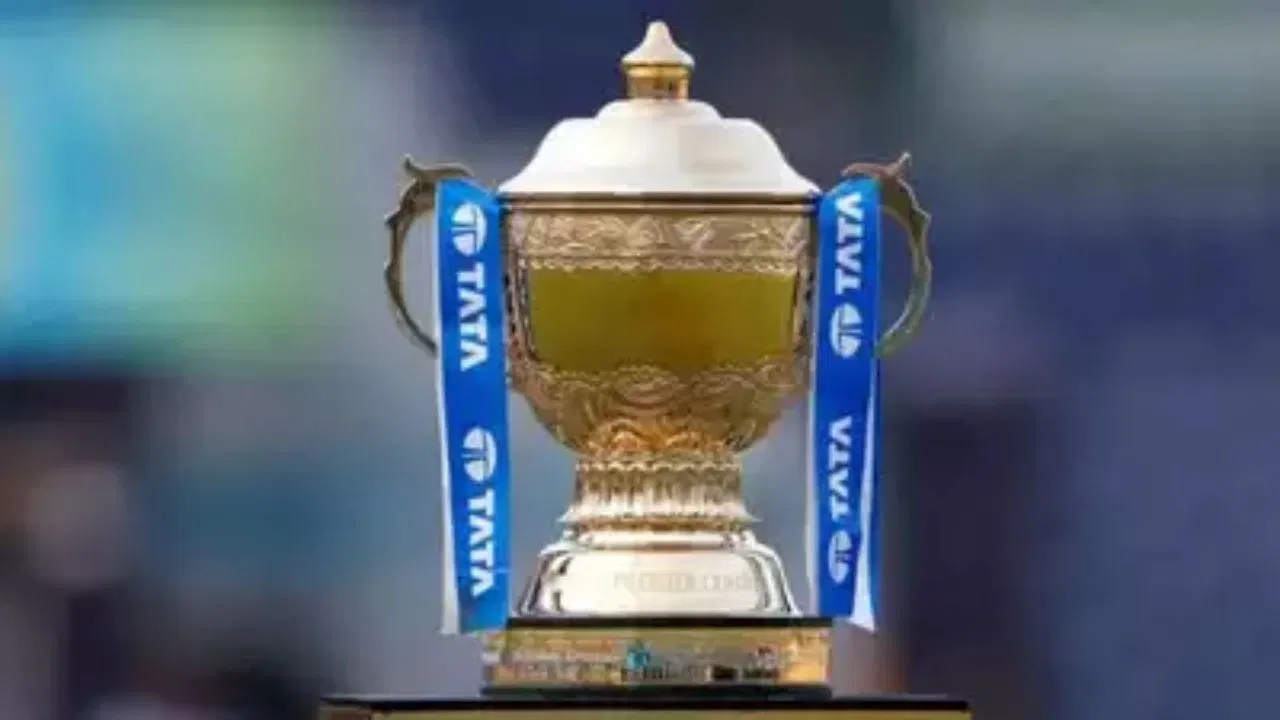
Mohsin Naqvi runs away with Asia Cup trophy after Indian players humiliate him on World Stage
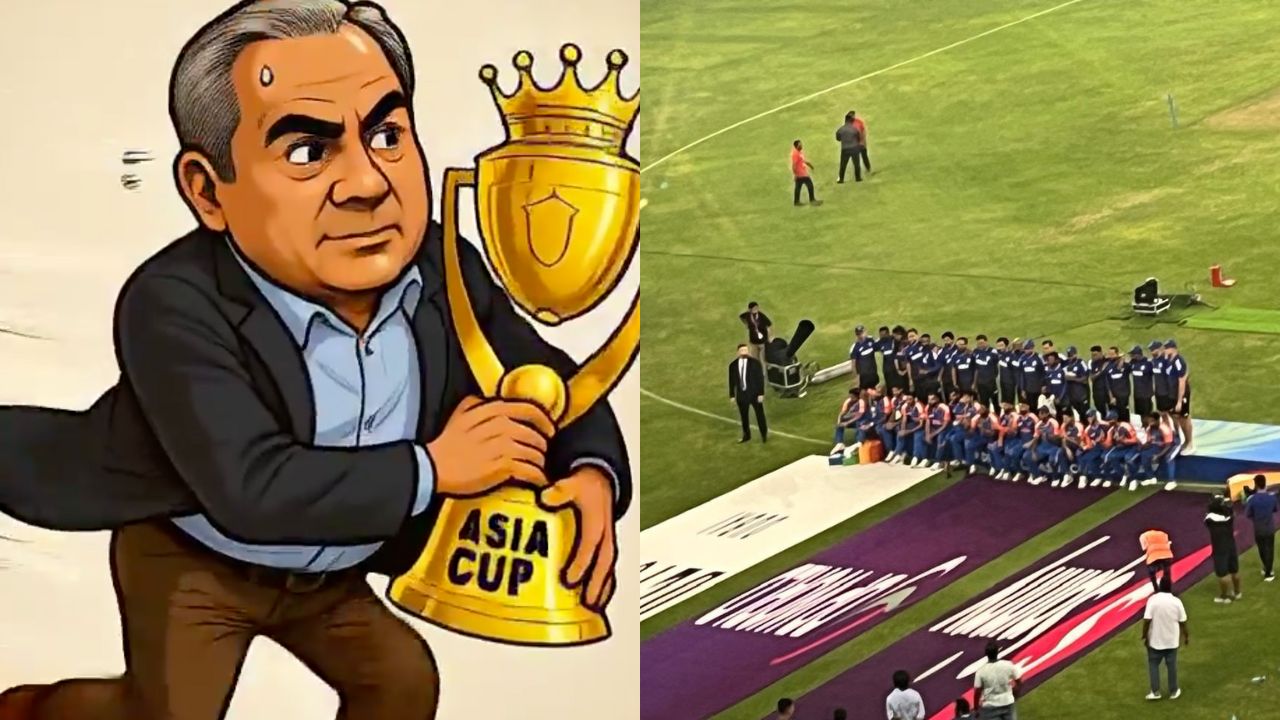
India Refuses to Accept Asia Cup Trophy After Tensions with Pakistan
High-Stakes Drama Unfolds at Dubai Stadium
In a dramatic turn of events, tensions between India and Pakistan reached a boiling point during the Asia Cup final held at Dubai Stadium. ACC Chief Mohsin Naqvi was left humiliated as Indian players refused to accept the trophy after defeating Pakistan by 5 wickets in a highly anticipated match.
The rivalry between the two teams had been escalating both on and off the field, with political undertones adding fuel to the fire. The backdrop of the Pahalgam terrorist attack by Pakistan and India’s military operation, Operation Sindoor, had only heightened the tensions.
Escalating Tensions Lead to Controversial Moments
The clash between India and Pakistan during the Asia Cup was rife with controversial moments that added to the already intense atmosphere. In the pre-tournament captains’ press conference, heated exchanges took place, setting the tone for the matches to come.
During the group stage match between the two teams, India’s refusal to shake hands with Pakistan after their victory further fueled the animosity. Post-match presentations saw players making political gestures, with Suryakumar Yadav dedicating India’s win to the Indian Armed Forces and the victims of the Pahalgam Terror Attack.
Boycotts, Fines, and Gestures Highlight Super 4 Matches
The Super 4 matches between India and Pakistan saw tensions escalate further, with players engaging in gestures and posturing on the field. While some players were reprimanded and fined for their actions, the animosity between the teams only seemed to grow.
As the tournament progressed, instances of improper behavior and gestures continued to mar the matches, culminating in a highly charged atmosphere on the eve of the Asia Cup final.
India’s Controversial Decision at Asia Cup Final
During the Asia Cup final, tensions between India and Pakistan reached a peak when Indian players refused to accept the trophy from ACC Chief Mohsin Naqvi. Following a series of controversial incidents leading up to the final, the refusal to accept the trophy was a bold statement by the Indian team.
Despite the embarrassment faced by Naqvi and the ACC officials, India stood firm in their decision not to participate in the post-match presentation. The refusal to accept the trophy left a lasting impact on the tournament, highlighting the deep-rooted tensions between the two cricketing rivals.
Conclusion: A Politically Charged Ending to the Asia Cup
The Asia Cup final between India and Pakistan ended with a stark reminder of the political tensions that often spill over into the world of sports. The refusal to accept the trophy by India served as a poignant moment in a tournament marked by controversy and heated exchanges.
As the dust settled on the Asia Cup, it became clear that administrators like Mohsin Naqvi must tread carefully in managing such high-stakes events. The smooth conduct of tournaments will always be a measure of success, and the fallout from the Asia Cup final serves as a cautionary tale for future competitions.
Politics and Sports: A Complex Relationship
The relationship between politics and sports has always been a nuanced one, with tensions often spilling over onto the playing field. In the case of India and Pakistan, cricket matches have historically been a battleground for political rivalries, reflecting the broader geopolitical landscape of the region.
The Asia Cup final was not the first instance where political tensions influenced on-field behavior. The history of cricket matches between India and Pakistan is littered with moments of controversy, from player confrontations to diplomatic standoffs. The deep-seated animosity between the two nations often manifests itself in sporting events, creating high-stakes drama that captivates audiences around the world.
Impact on Players and Fans
While the refusal to accept the Asia Cup trophy by India may have been a symbolic gesture, the repercussions of such actions are far-reaching. Players are not only athletes but also representatives of their countries, bearing the weight of political expectations on their shoulders.
For fans, cricket matches between India and Pakistan are more than just sporting events – they are moments of national pride and identity. The heated exchanges, gestures, and controversies that unfolded during the Asia Cup final only served to deepen the divide between supporters of the two teams, fueling the already intense rivalry.
Lessons for the Future
As sports administrators reflect on the fallout from the Asia Cup final, there are valuable lessons to be learned. The need to strike a balance between sportsmanship and national pride, between competition and diplomacy, is essential in managing high-stakes events like the Asia Cup.
Communication and conflict resolution strategies must be employed to mitigate tensions and prevent political rifts from overshadowing the spirit of sportsmanship. While rivalries and controversies are inevitable in competitive sports, finding ways to channel them constructively and ensure fair play is crucial for the integrity of the game.
Looking Ahead: Reconciliation Through Cricket
Despite the acrimony that characterized the Asia Cup final, there is also an opportunity for reconciliation through cricket. The power of sport to transcend political differences and bring people together is undeniable, and cricket has the potential to bridge the divide between India and Pakistan.
By focusing on the shared love for the game and fostering a spirit of camaraderie on and off the field, future matches between India and Pakistan can serve as a platform for understanding and dialogue. As players, fans, and administrators come together to celebrate the sport they cherish, they can also work towards healing the wounds of the past and building a future based on mutual respect and sportsmanship.
In conclusion, the Asia Cup final may have ended in controversy and discord, but it also presents an opportunity for reflection and growth. By learning from the events that transpired and committing to a future of peaceful coexistence through cricket, India and Pakistan can rewrite the narrative of their rivalry, transforming it into a story of reconciliation and unity.
Latest News
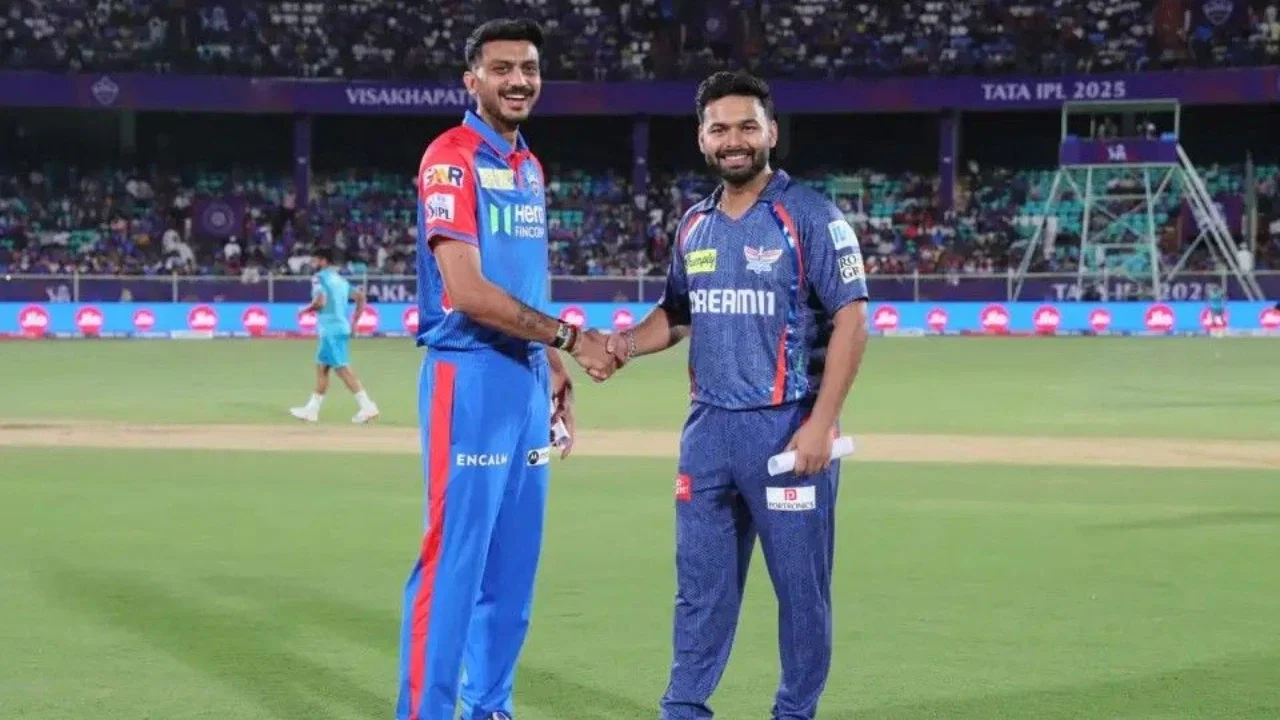
LSG vs DC Match No. 5 Preview: Free Live Streaming, Pitch & Weather Report, Head-to-Head | IPL 2026

LSG vs DC Match Prediction – Who Will Win Match No.5? | IPL 2026
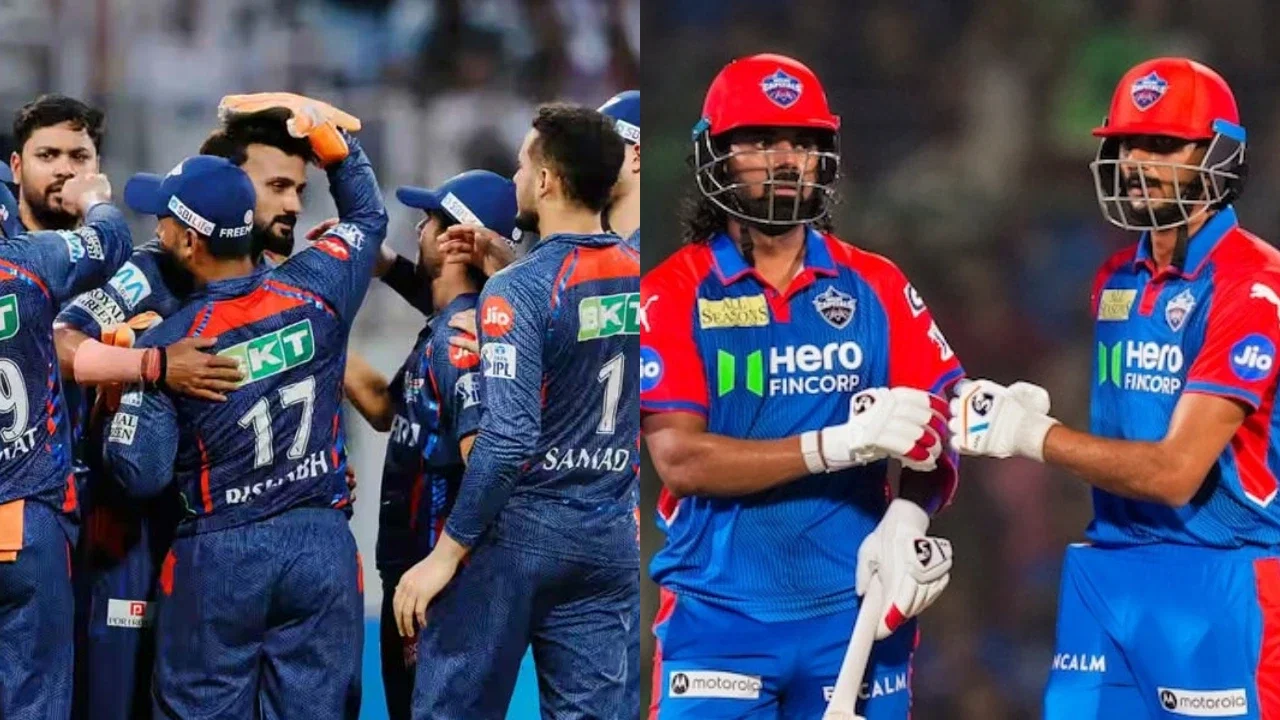
LSG Playing XI vs DC Playing XI – Match No. 5 | IPL 2026
Krunal Pandya breaks silence on India snub, opens up on Virat Kohli
Mohsin Naqvi enforces new social media rules for Pakistan players following Naseem Shah incident
Fakhar Zaman officially handed cricket ban after PSL 2026 ball-tampering controversy
Pat Cummins forces Cricket Australia to slash central contracts list to secure premium deal
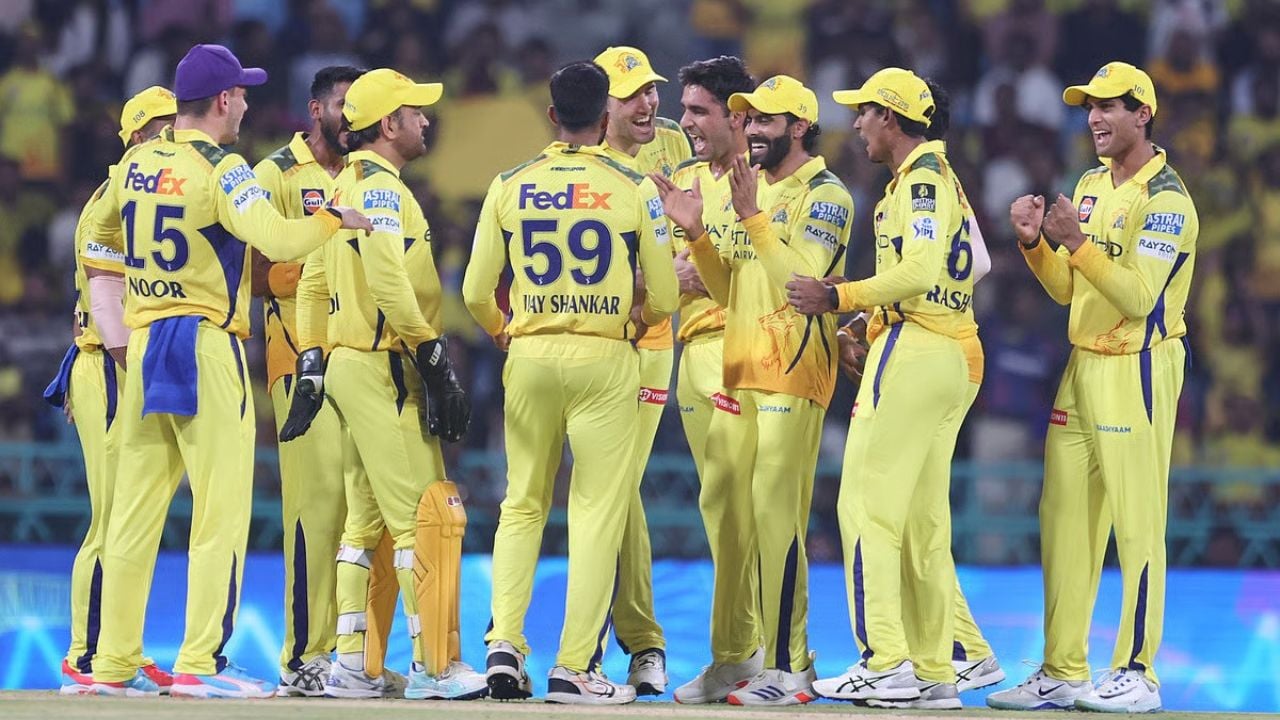
CSK’s big promise to players revealed amid IPL 2026: “Whatever BCCI offers, we’ll double it”
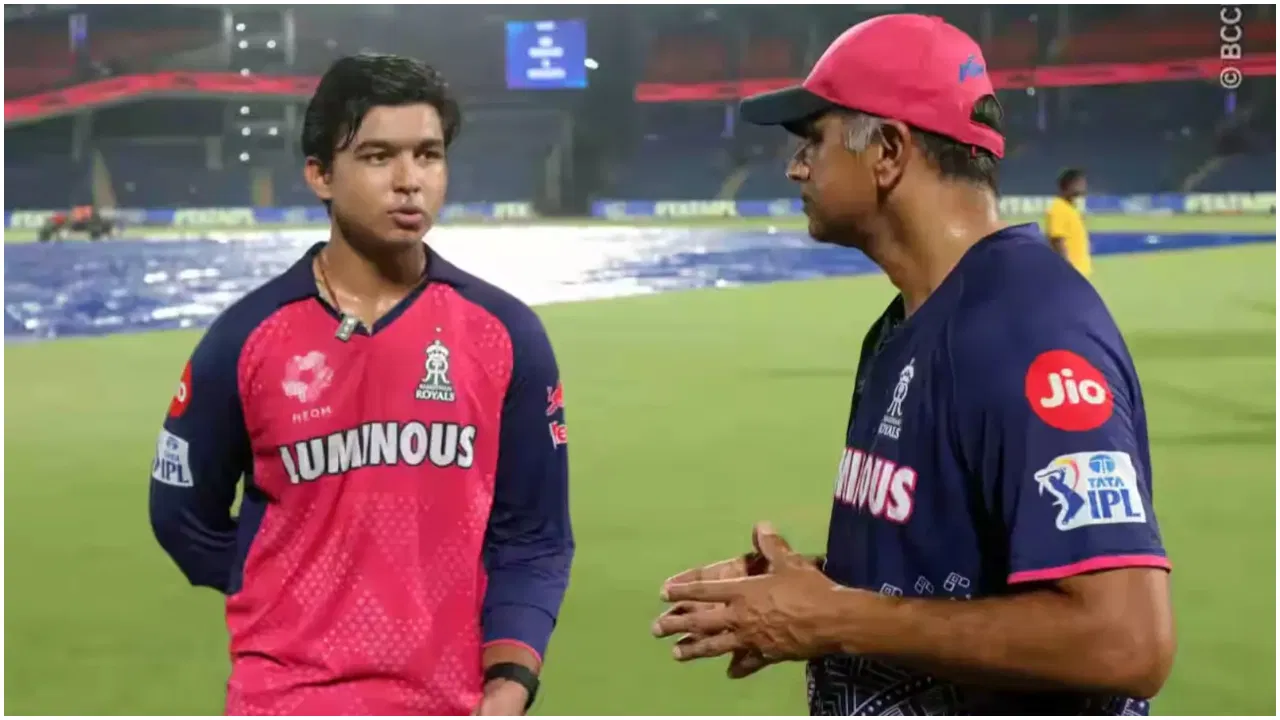
Ravichandran Ashwin rules out Vaibhav Sooryavanshi’s India call-up
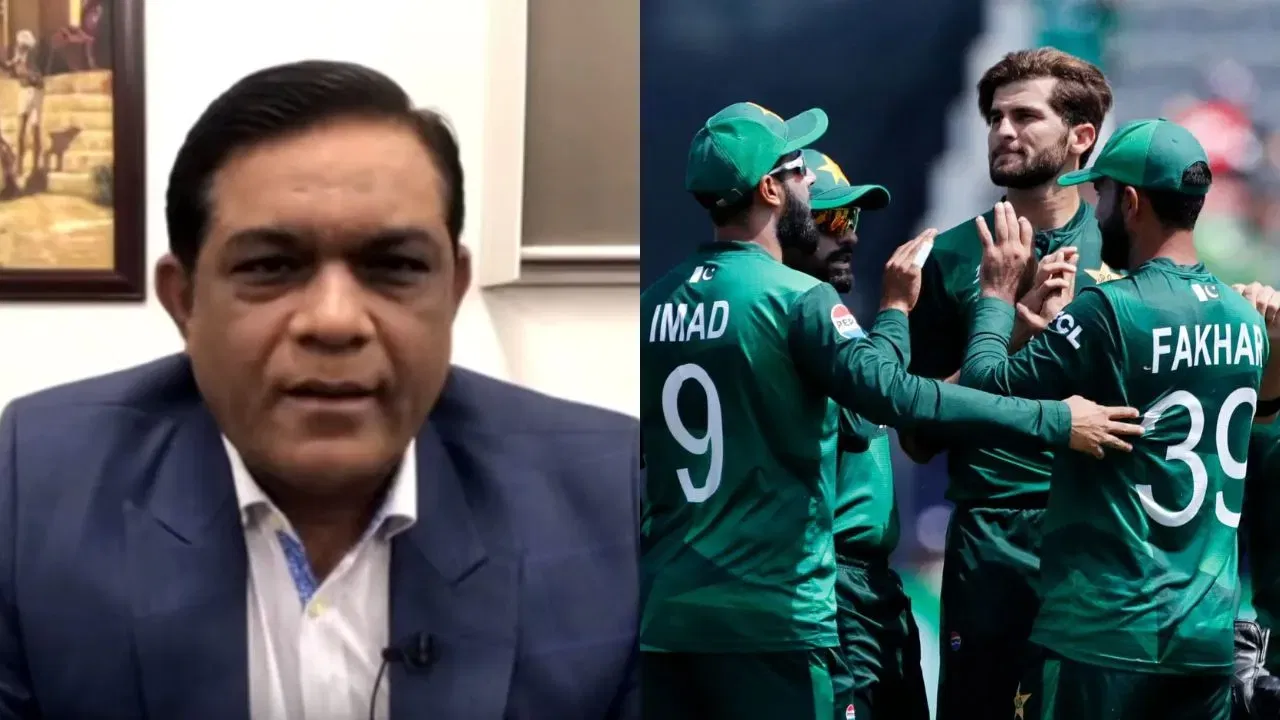
Rashid Latif claims PSL ball-tampering row was deliberately created for attention amid IPL rivalry
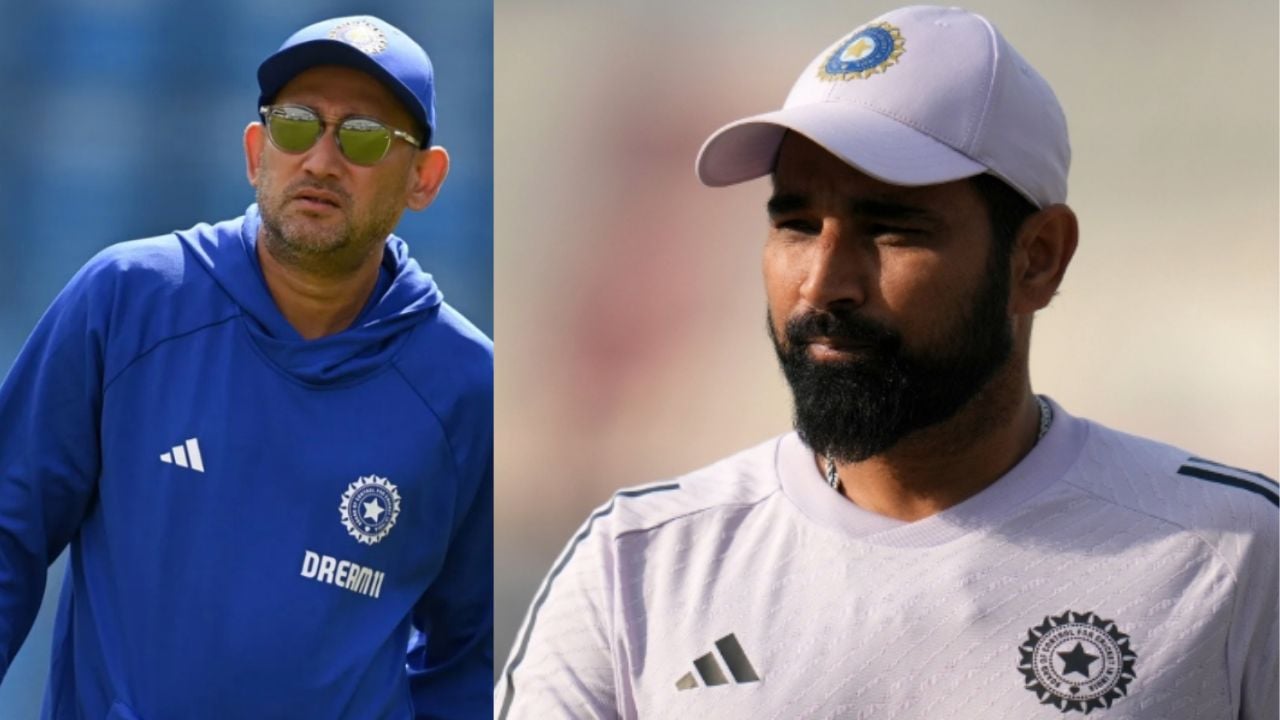
Mohammed Shami breaks silence on retirement buzz after India snub; has special message for LSG
Mohammed Shami reveals IPL 2026 Top 4, leaves out five-time champions
Mohammed Shami hits back at Ravichandran Ashwin over LSG’s poor IPL 2026 prediction
Riyan Parag mocked Sanju Samson? Batter’s muscle-flex celebration after sensational 6 vs CSK goes viral