Mohsin Naqvi vs PCB officials: India vs Pakistan drama peaks after ICC meeting
Pakistan Cricket Board Faces Dilemma Over India vs Pakistan Clash at T20 World Cup 2026
The Pakistan Cricket Board (PCB) is currently embroiled in a major controversy surrounding the upcoming India vs Pakistan Group A clash scheduled for February 15 in Colombo during the T20 World Cup 2026. The Pakistan government has instructed the PCB to boycott the match, but there is a lack of consensus within the board regarding this decision.
PCB Chairman Mohsin Naqvi at Odds with Officials
According to reports from NDTV, PCB Chairman Mohsin Naqvi, who also serves as the Interior Minister in the Pakistani government, is in favor of following Prime Minister Shehbaz Sharif’s directive to boycott the India match. However, several PCB officials are open to the idea of playing the match to avoid potential repercussions from the International Cricket Council (ICC).
The clock is ticking for the PCB to reach a decision on the high-stakes India vs Pakistan clash, and discussions between the PCB and the ICC have been ongoing behind closed doors for several days.
High-Level Meeting Warns of Consequences
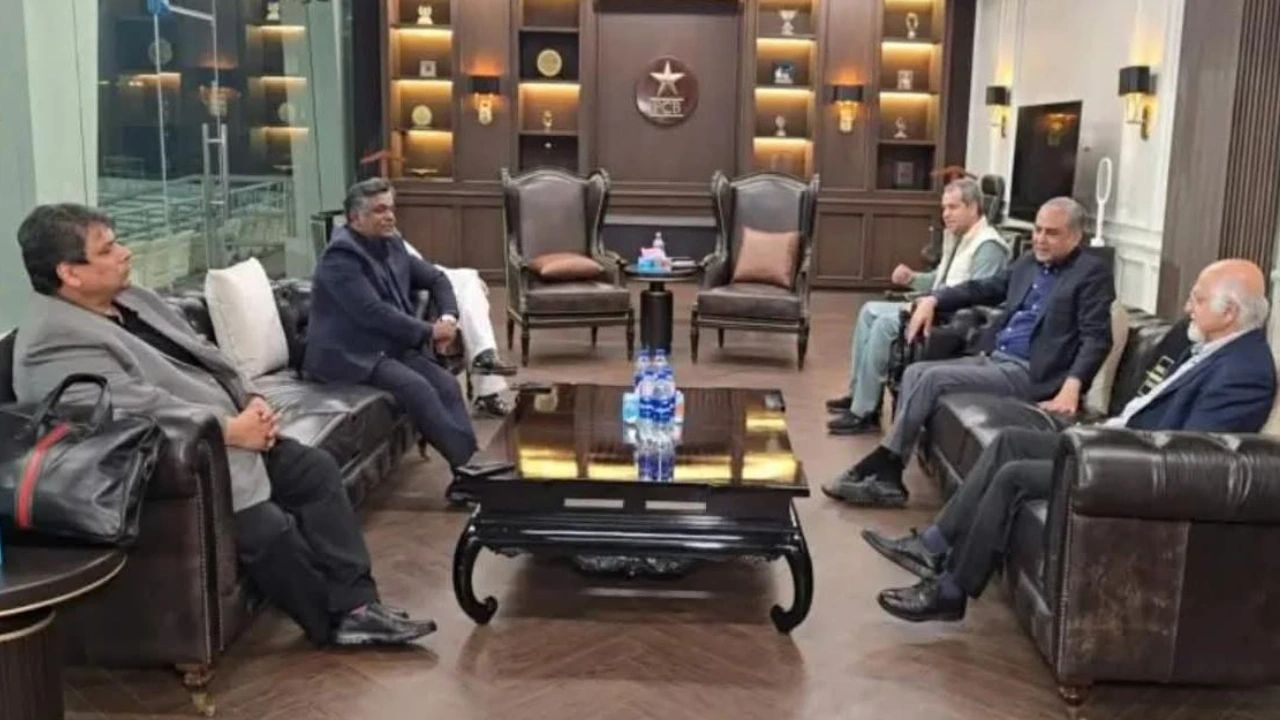
Imran Khwaja, the ICC deputy chair representing Singapore, is leading the negotiations and has cautioned Pakistan about facing serious consequences if they choose not to participate in the match. An important meeting was held on February 8 at the Gaddafi Stadium in Lahore, where Naqvi, Khwaja, Aminul Islam (Bangladesh Cricket Board president), and other PCB officials were in attendance.
The ICC reiterated in the meeting that the PCB must persuade their government to allow the India vs Pakistan match to proceed, emphasizing that failure to comply could result in severe penalties for the board.
Potential Ramifications of a Boycott
The decision to boycott the India match poses significant risks for both the PCB and the ICC, as it would violate the ICC’s Member Participation Agreement signed by Pakistan prior to the tournament. The PCB is exploring the possibility of invoking the force majeure clause in the agreement, which allows a team to skip a match in extenuating circumstances beyond their control.
However, the ICC has informed Pakistan that utilizing this clause will not be straightforward, as it comes with stringent conditions. If Pakistan remains steadfast in refusing to play against India, it could lead to substantial financial losses for the ICC and its member boards.
ICC’s Assurance to Bangladesh
Meanwhile, the ICC has assured the Bangladesh Cricket Board (BCB) that they will receive their full share of earnings as a member, despite not participating in the T20 World Cup 2026. Reports had surfaced claiming that the BCB requested additional compensation and future hosting rights for ICC events, which were denied by the ICC.
While Bangladesh will not receive any extra benefits, the ICC has guaranteed that they will receive their regular share of earnings from ICC events in full.
As the deadline for a decision approaches, the PCB is under immense pressure to navigate this complex situation and make a choice that will have far-reaching implications for the cricketing world.
Historical Context of India-Pakistan Cricket Rivalry
The India-Pakistan cricket rivalry is one of the most intense and storied matchups in the sport, dating back to their first Test series in 1952. The political tensions between the two countries have often spilled over into their cricketing encounters, adding an extra layer of significance to each match they play against each other. The high emotions and pressure surrounding these games make them some of the most watched and anticipated events in the cricket calendar.
Impact of India-Pakistan Matches on Global Cricket
India-Pakistan matches have a massive global following, with millions of fans tuning in from around the world to watch these two cricketing giants face off. The rivalry between the two nations transcends cricket, representing a broader cultural and political divide that captures the attention of not just cricket enthusiasts but also casual viewers. The commercial value of India-Pakistan matches is unparalleled, with broadcasters, sponsors, and advertisers eager to capitalize on the massive viewership these games attract.
Legal and Financial Implications for the PCB
Boycotting the India vs Pakistan match at the T20 World Cup 2026 could have significant legal and financial repercussions for the PCB. Violating the ICC’s Member Participation Agreement could result in hefty fines, suspension from future tournaments, or other penalties that could harm Pakistan’s standing in international cricket. Additionally, the financial losses incurred by the ICC and its member boards if the match is not played could have long-term implications for the financial health of the cricketing ecosystem.
Political Interference in Cricketing Affairs
The involvement of the Pakistani government in directing the PCB to boycott the match raises questions about political interference in cricketing matters. While cricket has often been used as a tool for diplomacy and soft power between nations, the politicization of a cricket match at the international level can have far-reaching consequences for the sport. Balancing the interests of the government, the cricket board, and the international cricketing community in such situations requires delicate diplomacy and strategic decision-making.
Global Response and Public Opinion
The controversy surrounding the India vs Pakistan clash at the T20 World Cup 2026 has garnered significant attention from cricket fans, pundits, and stakeholders worldwide. The public discourse on social media, news outlets, and cricket forums is abuzz with discussions about the implications of a potential boycott and the broader impact on the sport. The differing viewpoints within Pakistan and the global cricketing community reflect the complexity of the situation and the competing interests at play.
Resolving the Dilemma and Moving Forward
As the PCB grapples with the decision on whether to boycott the India match, finding a resolution that balances legal obligations, political considerations, and the spirit of sportsmanship is paramount. The coming days will be critical in determining the future course of action for Pakistan cricket and its relationship with the international cricketing community. Ultimately, the decision taken by the PCB will shape not just the outcome of a single match but also the broader landscape of cricket diplomacy and governance.
It is crucial for all stakeholders involved to engage in constructive dialogue, respect the rules and regulations governing international cricket, and prioritize the long-term health and integrity of the sport. The eyes of the cricketing world are on Pakistan as they navigate this challenging predicament, and the decisions made in the coming days will have lasting consequences for the future of cricket.
Latest News
RCB Playing XI vs SRH Playing XI – Match No. 1 | IPL 2026
Delhi Capitals IPL 2026 Full Schedule: DC Fixtures, Dates, Timings and Venues | Squad and Coaches
PSZ vs RWP Match Prediction, Pitch & Weather Report, Playing XIs, Head-to-Head, Free Live Streaming – PSL 2026 Match 3
Rajasthan Royals IPL 2026 Full Schedule: RR Fixtures, Dates, Timings and Venues | Squad and Coaches
Mumbai Indians add Akash Madhwal for IPL 2026 amid suspense over Jasprit Bumrah’s availability
Kolkata Knight Riders IPL 2026 Full Schedule: KKR Fixtures, Dates, Timings and Venues | Squad and Coaches
Sunrisers Hyderabad IPL 2026 Full Schedule: SRH Fixtures, Dates, Timings and Venues | Squad and Coaches
RCB vs SRH Match Prediction – Who Will Win Match No.1? | IPL 2026
KL Rahul will win the Orange Cap in IPL 2026 if…: Ravichandran Ashwin makes bold claim
RCB coach rules Josh Hazlewood out of IPL 2026 opener, Pat Cummins update arrives
Kamran Akmal trolls Pakistan Super League after Hyderabad Kingsmen jersey turns ball pink
Prithvi Shaw backed to dominate IPL 2026 by Irfan Pathan
Rohit Sharma loses cool! Hits car, ignores fans in shocking moment before IPL 2026
RCB vs SRH Match No. 1 Preview: Free Live Streaming, Pitch & Weather Report, Head-to-Head | IPL 2026