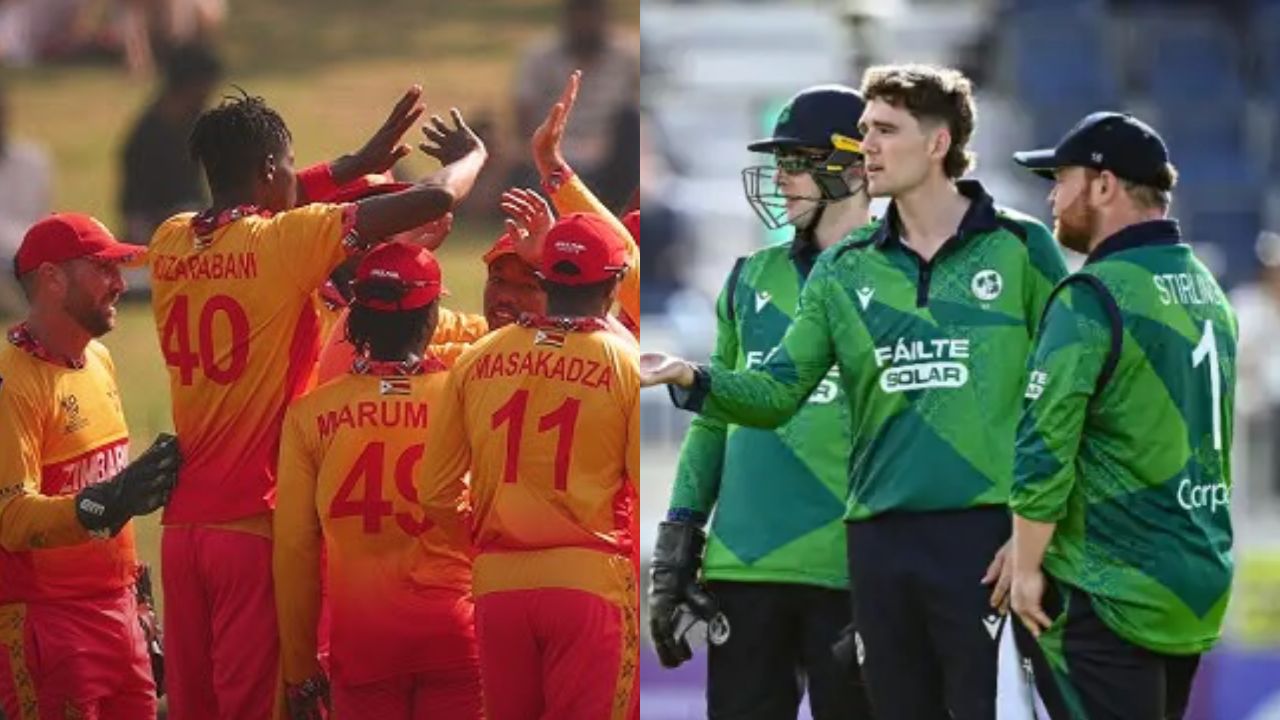
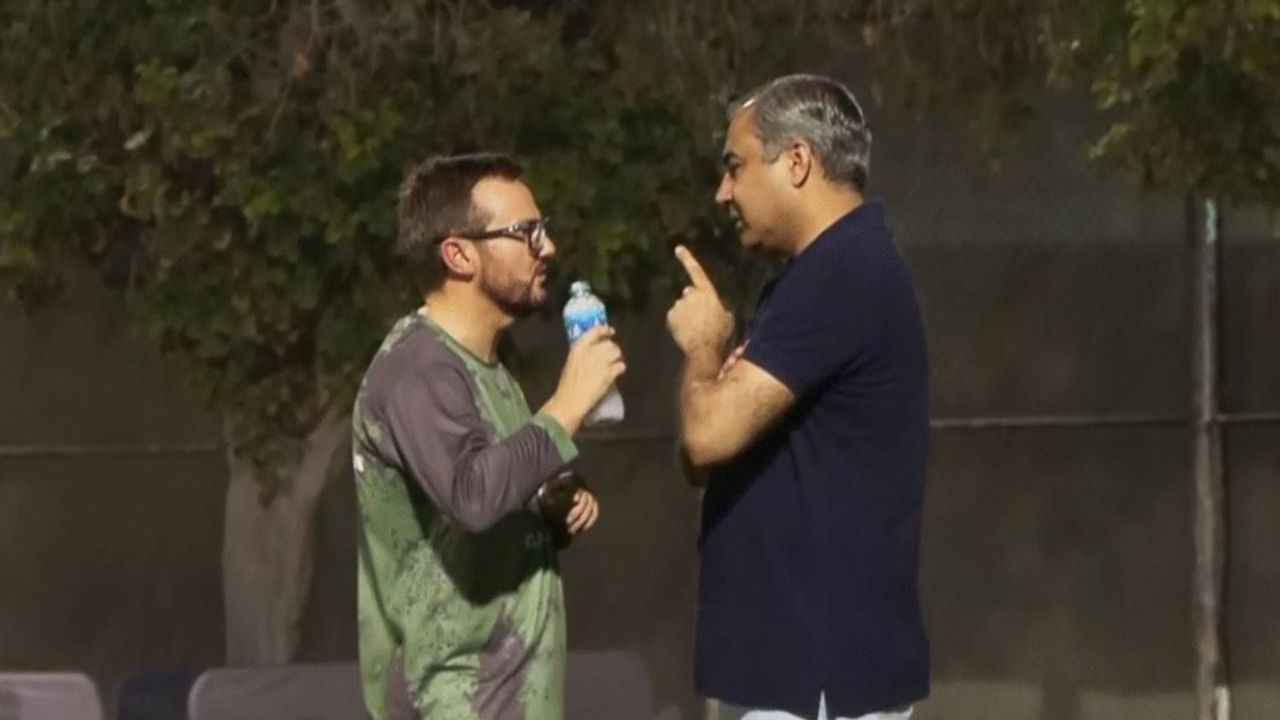
Mohsin Naqvi’s chair on fire as Asim Munir, Pakistan PM explode after India humiliation in T20 World Cup 2026
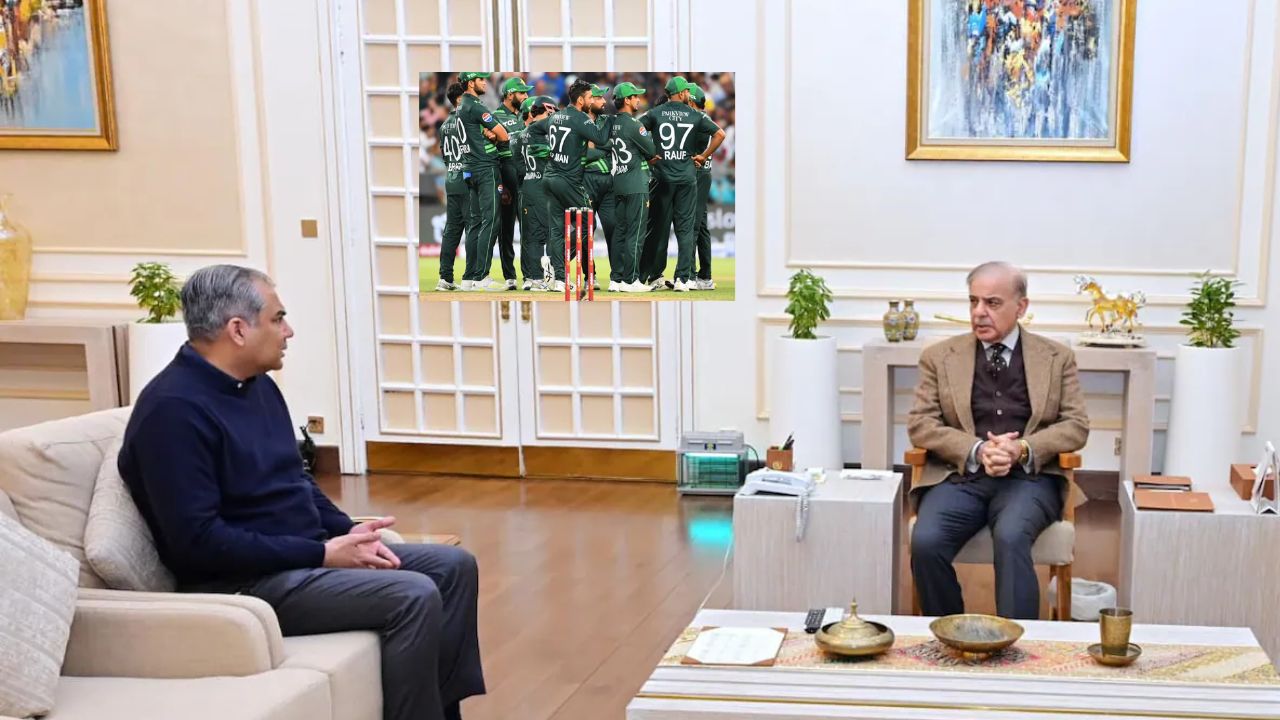
Pakistan Cricket in Turmoil After Crushing Defeat to India in ICC T20 World Cup 2026
Mohsin Naqvi, the current head of the Pakistan Cricket Board (PCB), is facing intense scrutiny following Pakistan’s devastating loss to India in the ICC T20 World Cup 2026. The defeat has not only shaken the cricketing fraternity but has also sparked concerns at the highest levels of the Pakistani government and military.
Disappointment and Anger Among Officials
Pakistan’s Field Marshal Asim Munir, a key figure in the country’s military leadership, has expressed his frustration over the team’s performance against India. The loss was particularly humiliating as Pakistan has now fallen to a record of 8-1 in ICC T20 World Cup matches against their arch-rivals.
Before the match, Pakistan seemed to have the upper hand with the game being played in Colombo, a venue known for favoring spin bowlers. However, the Indian team, led by Ishan Kishan’s stellar batting display, quickly took control of the game, leaving Pakistan reeling.
Asim Munir, who was personally brought into the discussion by Mohsin Naqvi, was reportedly outraged by the team’s lackluster performance. The military brass, including Munir, viewed the defeat not just as a cricketing setback but as a reflection of broader issues within the PCB.
Concerns Raised to Pakistan PM
According to reports, Asim Munir has conveyed his concerns to Pakistan’s Prime Minister Shehbaz Sharif, highlighting the mismanagement and lack of preparation within the PCB. The military’s dissatisfaction with the team’s performance has raised questions about Naqvi’s future as the head of the cricket board.
The relationship between Naqvi and Munir has been strained, especially after Naqvi invoked Munir’s name in a controversial statement prior to the India match. The military leadership was reportedly displeased with Naqvi’s attempt to involve them in a sporting context, indicating a rift between the two figures.
Potential Changes on the Horizon
With mounting pressure from both the cricketing community and the government, Mohsin Naqvi’s position within the PCB is now in jeopardy. The Pakistani government is considering a change in leadership to address the growing discontent and restore confidence in the national team.
The aftermath of Pakistan’s defeat to India in the ICC T20 World Cup has exposed deep-rooted issues within the cricketing establishment. As the country grapples with the repercussions of the loss, all eyes are on the PCB and its leadership to navigate through this turbulent period.
It remains to be seen how the PCB will respond to the mounting criticism and whether changes at the top will be enough to revitalize Pakistan cricket and restore pride in the team’s performance on the international stage.
The Impact of Prediction in Cricket
One aspect that often comes into play in high-stakes cricket matches, such as the ICC T20 World Cup, is prediction. Predictions made by analysts, experts, and fans can significantly influence the perceptions and expectations surrounding a team’s performance. In the case of Pakistan’s defeat to India in the 2026 World Cup, predictions played a crucial role in building up the anticipation and pressure on the players.
Prior to the match, many cricket pundits and analysts had predicted a close contest between Pakistan and India, given the historical rivalry between the two teams. However, the unexpected nature of cricket means that predictions are not always accurate, and outcomes can vary greatly from what is expected. The unpredictability of cricket is part of what makes the sport so exciting and captivating for fans worldwide.
While predictions can add to the thrill of the game, they can also create added pressure on players and teams. In the case of Pakistan, the weight of expectations from fans, experts, and even government officials may have contributed to the team’s performance anxiety and ultimately their defeat to India. The pressure to live up to pre-match predictions can be a heavy burden for players to carry on the field.
The Role of Leadership in Times of Crisis
When a team experiences a significant defeat, such as Pakistan’s loss to India in the ICC T20 World Cup, the leadership within the organization comes under intense scrutiny. In the case of the PCB, Mohsin Naqvi’s leadership has been called into question following the team’s poor performance.
Effective leadership in times of crisis is essential for guiding an organization through challenges and uncertainties. Leaders must demonstrate resilience, decisiveness, and a clear vision for the future to navigate turbulent waters successfully. In the context of Pakistan cricket, the PCB’s leadership must address the root causes of the team’s underperformance and enact necessary changes to improve the team’s prospects moving forward.
The aftermath of a crushing defeat presents an opportunity for leadership to reassess strategies, make tough decisions, and implement reforms where needed. It is a test of leadership to see how effectively they can steer the organization towards positive outcomes and restore confidence in stakeholders.
Looking Ahead: Rebuilding and Redemption
As Pakistan cricket grapples with the fallout from their defeat to India in the ICC T20 World Cup, the road to redemption will require introspection, resilience, and strategic planning. The PCB must undertake a thorough review of its operations, coaching staff, player development programs, and overall team culture to address the systemic issues that may have contributed to the team’s downfall.
Rebuilding a competitive and successful cricket team takes time, patience, and concerted effort from all stakeholders involved. It will be crucial for the PCB to foster a supportive and nurturing environment for players to thrive, instill a sense of unity and purpose within the team, and implement measures to enhance performance on the field.
Ultimately, the defeat to India should serve as a wake-up call for Pakistan cricket, prompting a period of reflection, growth, and transformation within the organization. By learning from past mistakes, embracing change, and working towards a common goal, Pakistan cricket has the potential to rise from the ashes and reclaim its status as a formidable force in international cricket.
As fans eagerly await the next chapter in Pakistan’s cricketing journey, the lessons learned from defeat will shape the team’s future trajectory and determine their success in the competitive world of cricket.
Latest News
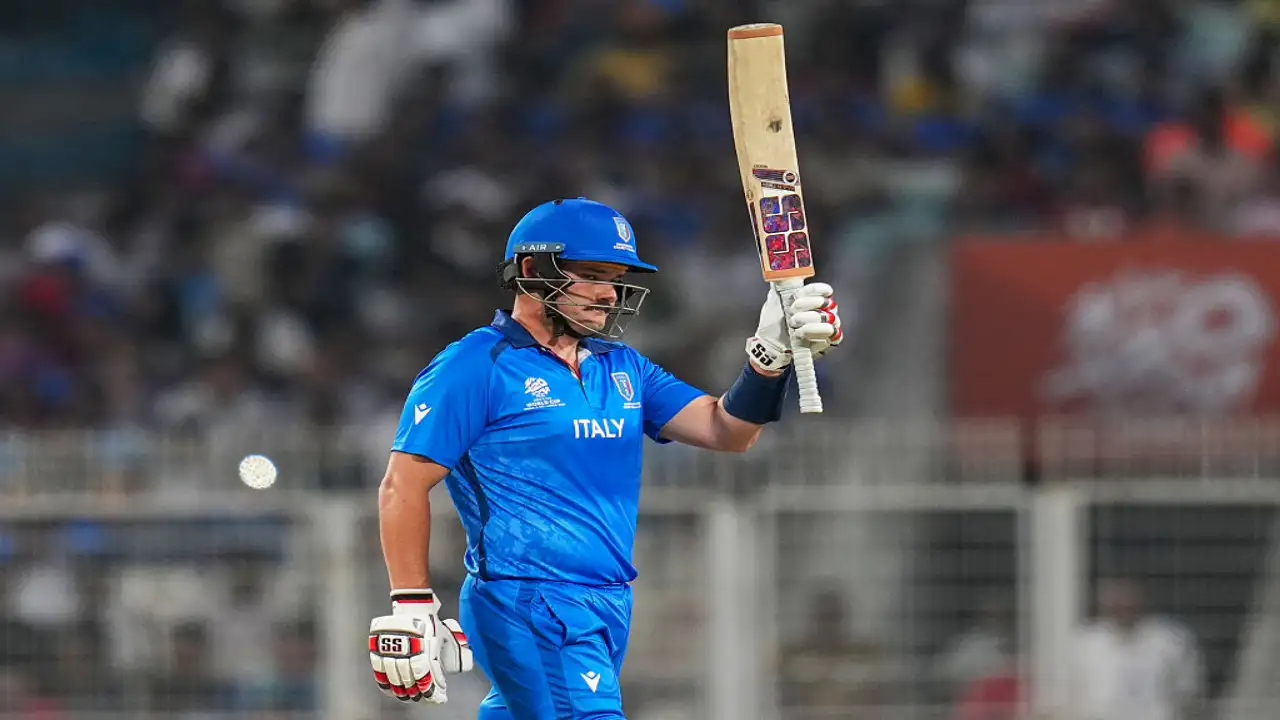
‘Benjamin Manenti take a bow’, social media flooded as Italy put on great fight against England
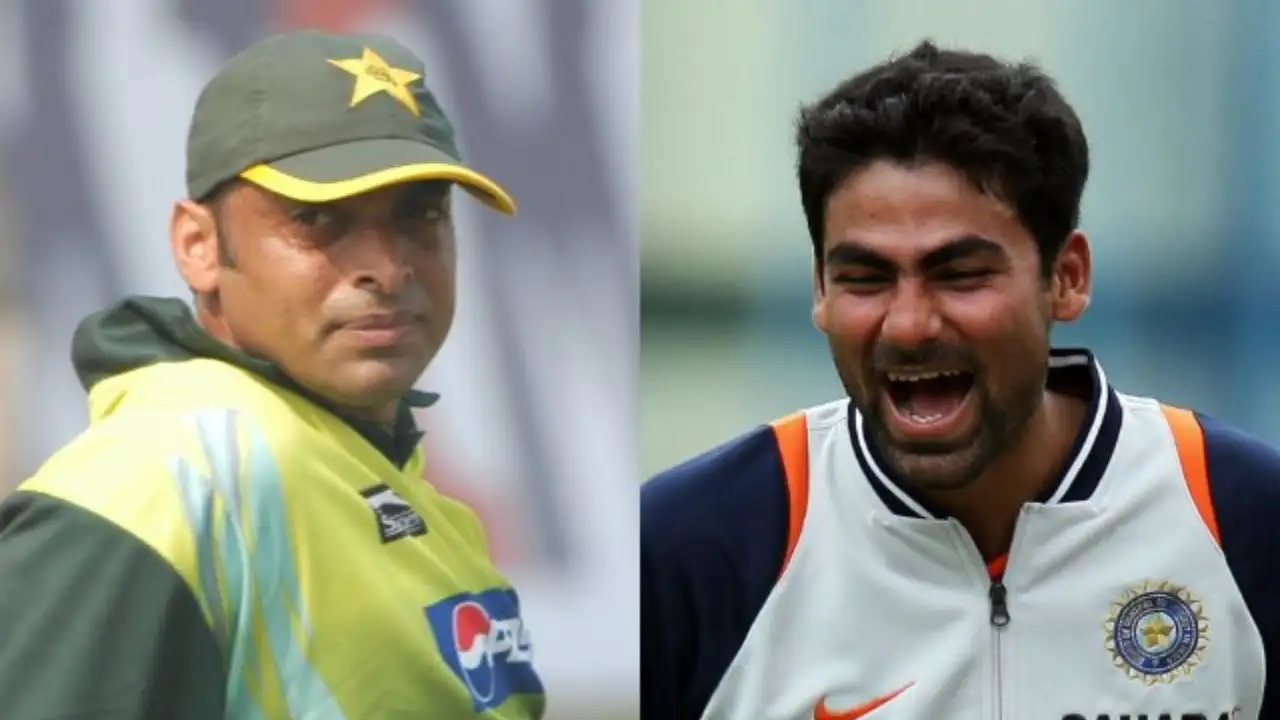
Mohammad Kaif involved in fiery on-air exchange with Shoaib Akhtar
Matheesha Pathirana walks off against Australia as Sri Lanka suffer another huge injury blow
Scotland Playing XI vs Nepal Playing XI, Match No.33 – ICC T20 World Cup 2026
Suryakumar Yadav buries the hatchet with Kuldeep Yadav in a hilarious fashion
Ravichandran Ashwin uneasy about India vs Pakistan final in ICC T20 World Cup 2026
Mike Hesson to be sacked? Pakistan head coach under fire for shocking toss decision vs India
Mohsin Naqvi’s chair on fire as Asim Munir, Pakistan PM explode after India humiliation in T20 World Cup 2026
NZ vs CAN Match No.31 Preview: Free Live Streaming, Pitch & Weather Report, Head-to-Head, Playing XIs | ICC T20 World Cup 2026
NZ vs CAN Match Prediction: Who Will Win Game No.31? ICC T20 World Cup 2026
New Zealand Playing XI vs Canada Playing XI, Match No.31 – ICC T20 World Cup 2026
SCOT vs NEP Match Prediction: Who Will Win Game No.33? ICC T20 World Cup 2026
SCOT vs NEP Match No.33 Preview: Free Live Streaming, Pitch & Weather Report, Head-to-Head, Playing XIs | ICC T20 World Cup 2026
Kris Srikkanth blasts Mike Hesson, tears into Pakistan’s toss blunder against India