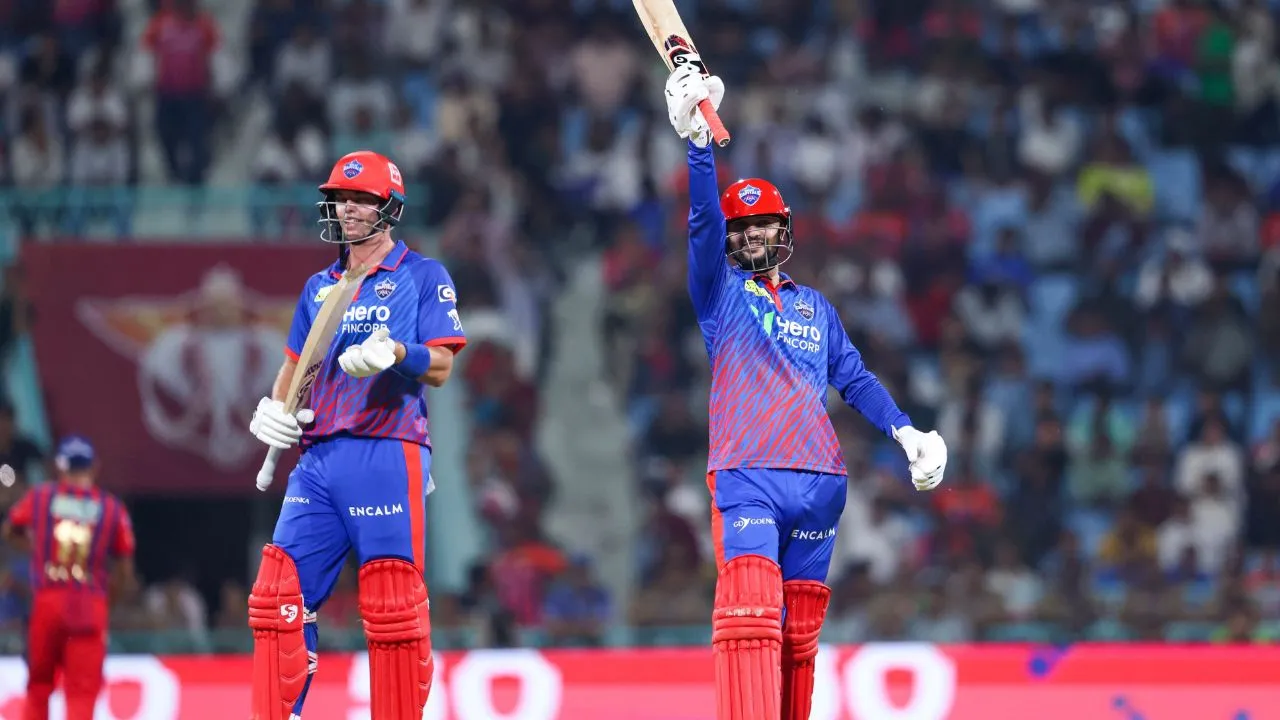
Mohsin Naqvi’s last day as ACC chairman decided, BCCI-ICC shake hands
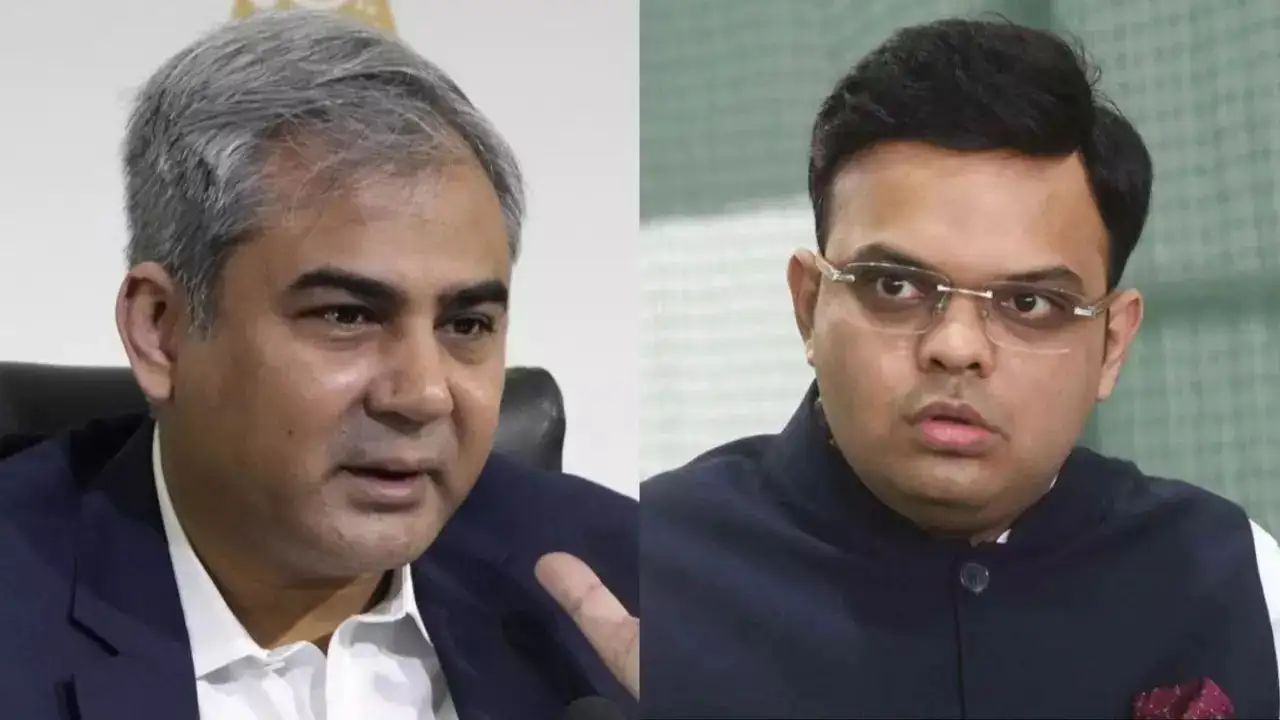
BCCI Escalates Dispute Over Asia Cup Trophy Handover to ICC
Background
The ongoing dispute between the Board of Control for Cricket in India (BCCI) and the Asian Cricket Council (ACC) Chairman, Mohsin Naqvi, regarding the handover of the Asia Cup Trophy has escalated. Naqvi has refused to hand over the trophy to India without a representative physically collecting it from his office. This issue arose after India won the Asia Cup 2025 and faced difficulties in claiming the trophy.
Attempts to Resolve the Dispute
The BCCI has repeatedly requested the ACC to release the trophy to them, but Naqvi has remained firm in his stance. In response, the BCCI has decided to take the matter to the International Cricket Council (ICC) for resolution. The BCCI aims to address the dispute at the upcoming ICC board meeting scheduled from 4th to 7th November in Dubai. The current ICC head, former BCCI secretary Jay Shah, will preside over the meeting.
Support from Other Cricket Boards
While the BCCI has been facing this issue alone, the Sri Lanka Cricket Board and the Afghanistan Cricket Board have now extended their support to India. The Sri Lanka Cricket Board has been backing the BCCI since the beginning, maintaining a good relationship with the Indian board. They are currently co-hosting the Women’s World Cup and will also co-host the upcoming T20 World Cup with India. The Afghanistan Cricket Board joined in support after a tragic incident in Afghanistan led to the death of three Afghan cricketers, blaming Pakistan for the attacks.
The solidarity shown by the ACB prompted them to withdraw from a tri-series in Pakistan and stand with the BCCI in the ongoing dispute with Naqvi. The BCCI has been instrumental in providing opportunities for young Afghan cricketers to develop their skills and gain exposure by hosting their youth team in India.
Moving Towards Resolution
With the backing of two test-playing nations and significant financial contributions to the ACC, the BCCI is determined to see a resolution to the conflict. The issue of impeaching Mohsin Naqvi from his position as ACC Chairman has gained momentum within the BCCI, with mounting pressure and widespread support for his removal.
As the BCCI takes the dispute to the ICC, all eyes are on the upcoming board meeting where the fate of the Asia Cup Trophy and the future of the ACC leadership will be decided. The cricketing world eagerly awaits a resolution to this contentious issue.
Historical Context of the Asia Cup
The Asia Cup, first held in 1984, has a rich history of promoting cricketing rivalry and camaraderie among Asian countries. Over the years, it has become a prestigious tournament where cricket powerhouses like India, Pakistan, Sri Lanka, and Bangladesh compete for regional supremacy. The tournament has seen intense matches, memorable performances, and passionate fan support, making it a significant event in the cricketing calendar.
The Significance of the Trophy
The Asia Cup Trophy holds great importance for the winning team as it symbolizes their triumph and dominance in Asian cricket. It serves as a tangible representation of their hard work, dedication, and skill throughout the tournament. Capturing the trophy is not just a matter of pride for the team but also a source of inspiration for aspiring cricketers and fans who look up to their heroes on the field.
Impact of the Dispute on Cricketing Relations
The ongoing dispute over the handover of the Asia Cup Trophy has the potential to strain cricketing relations between India and other Asian countries. While the support extended by Sri Lanka and Afghanistan is a positive sign of solidarity, it also highlights the divisions within the Asian cricketing community. The resolution of this dispute is crucial not only for the future of the Asia Cup but also for maintaining harmony and cooperation among neighboring cricket boards.
Challenges Faced by the BCCI
For the BCCI, navigating this dispute poses unique challenges in a landscape where diplomatic relations, sporting rivalries, and financial considerations intersect. The board must balance its quest for the trophy with the need to uphold its reputation, maintain unity within the ACC, and protect the interests of Indian cricket. The decision to escalate the matter to the ICC reflects the BCCI’s commitment to finding a fair and equitable solution to the impasse.
Global Implications of the Dispute
As the BCCI brings the dispute to the ICC, the cricketing world watches closely to see how this conflict is resolved. The outcome of the ICC board meeting could set a precedent for handling similar disputes in the future and shape the dynamics of international cricket governance. The involvement of key stakeholders, including the ACC, BCCI, ICC, and other cricket boards, underscores the interconnected nature of the global cricketing community and the need for effective communication and collaboration.
The Future of the Asia Cup
Regardless of the outcome of the current dispute, the Asia Cup is likely to continue as a premier tournament that showcases the best of Asian cricket. The tournament’s legacy, tradition, and competitive spirit will endure, attracting fans, players, and sponsors alike. The resolution of the trophy handover issue will pave the way for future editions of the Asia Cup to thrive and maintain its status as a must-watch event in the cricketing calendar.
In conclusion, the dispute over the Asia Cup Trophy highlights the complexities and nuances of cricket administration, regional dynamics, and sporting diplomacy. As the BCCI, ACC, and ICC work towards a resolution, the spirit of cricketing competition and camaraderie remains at the heart of this conflict, underscoring the enduring appeal and significance of the Asia Cup in the world of cricket.
Latest News
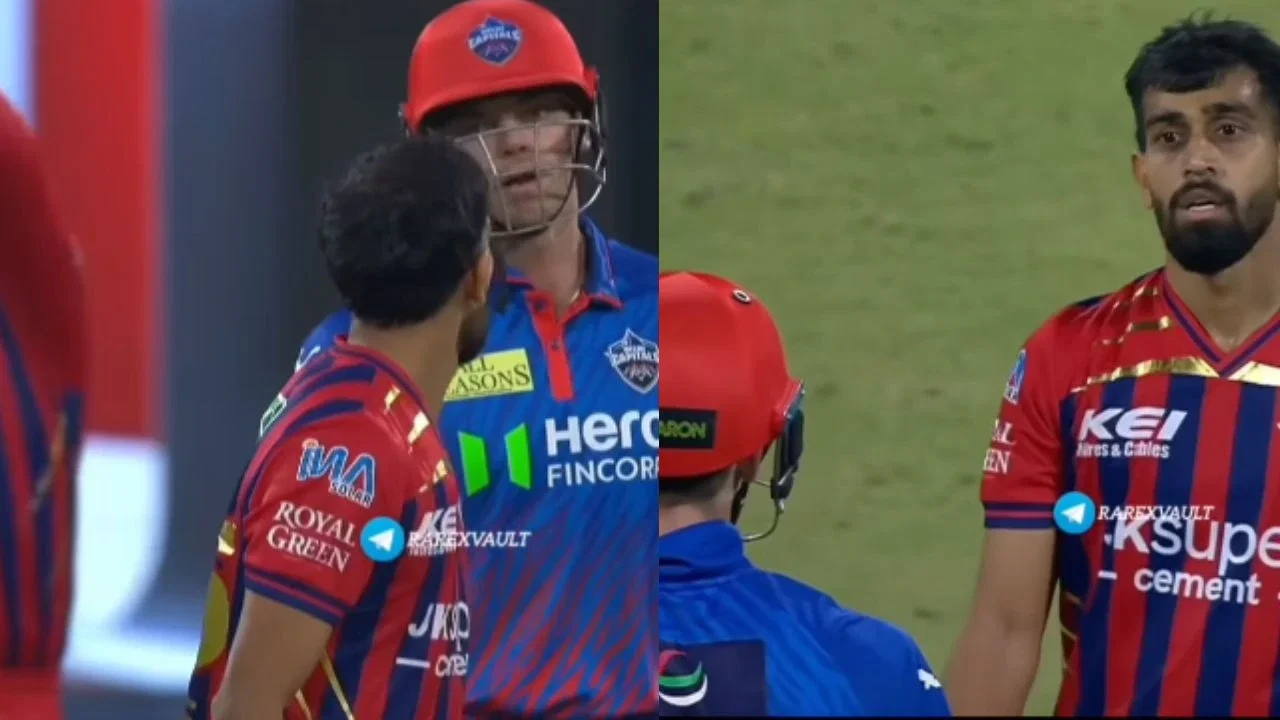
Watch: Tristan Stubbs vs Prince Yadav altercation video goes viral in IPL 2026
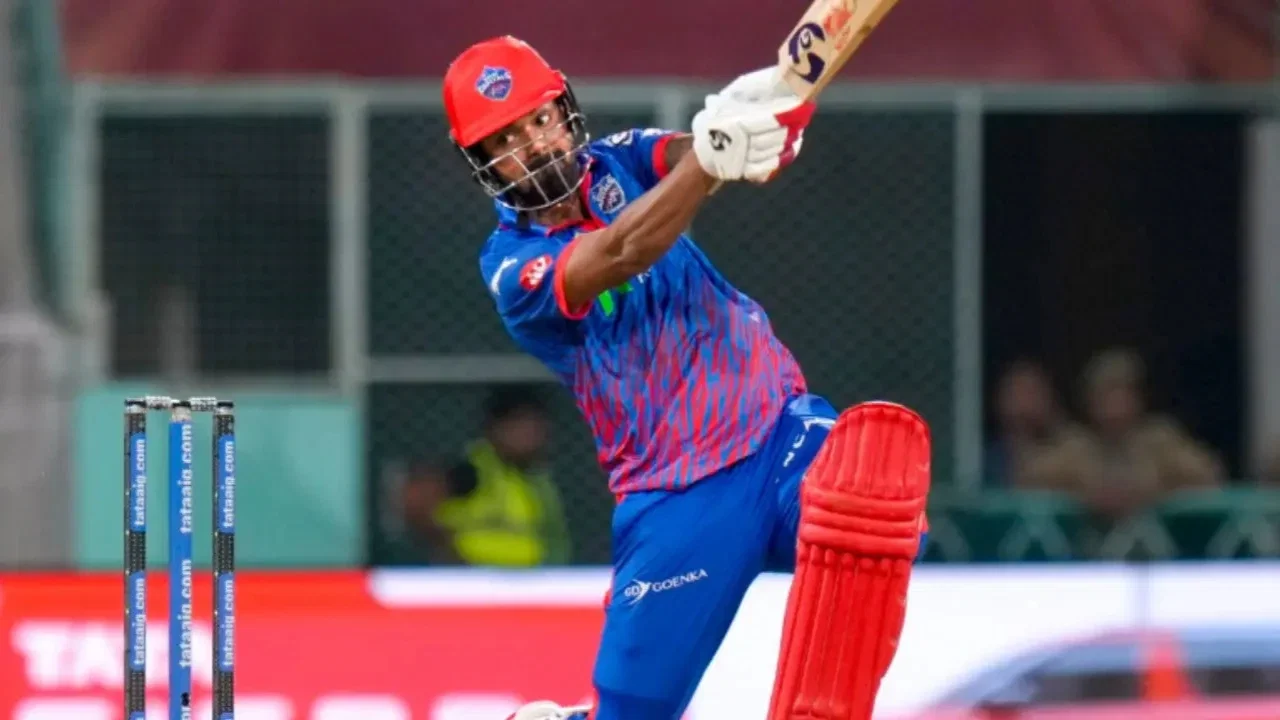
LSG take disgusting dig at KL Rahul, DC fire back with savage post as IPL 2026 heats up

Virat Kohli teases RCB teammate Romario Shepherd by imitating him in a hilarious fashion
Rassie van der Dussen announces retirement after South Africa contract snub
Rajat Patidar ignores MS Dhoni, Virat Kohli as he names best IPL captain
Yuvraj Singh name-dropped as ex-LSG coach gives honest verdict on Rishabh Pant’s T20 game

Abhishek Nayar urges Cameron Green to become Andre Russell 2.0 for KKR
Shreyas Iyer fully fit for Punjab Kings’ IPL 2026 clash against CSK
Matheesha Pathirana’s NOC delayed by SLC, KKR’s woes heighten in IPL 2026
Matheesha Pathirana’s NOC delayed by SLC, KKR’s woes heighten in IPL 2026
Nuwan Thushara takes legal action against SLC to secure RCB move for IPL 2026
Harry Brook and Jacob Bethell punished after conduct probe by cricket regulator
Sanjiv Goenka engages in heated chat with LSG coaches after loss to DC
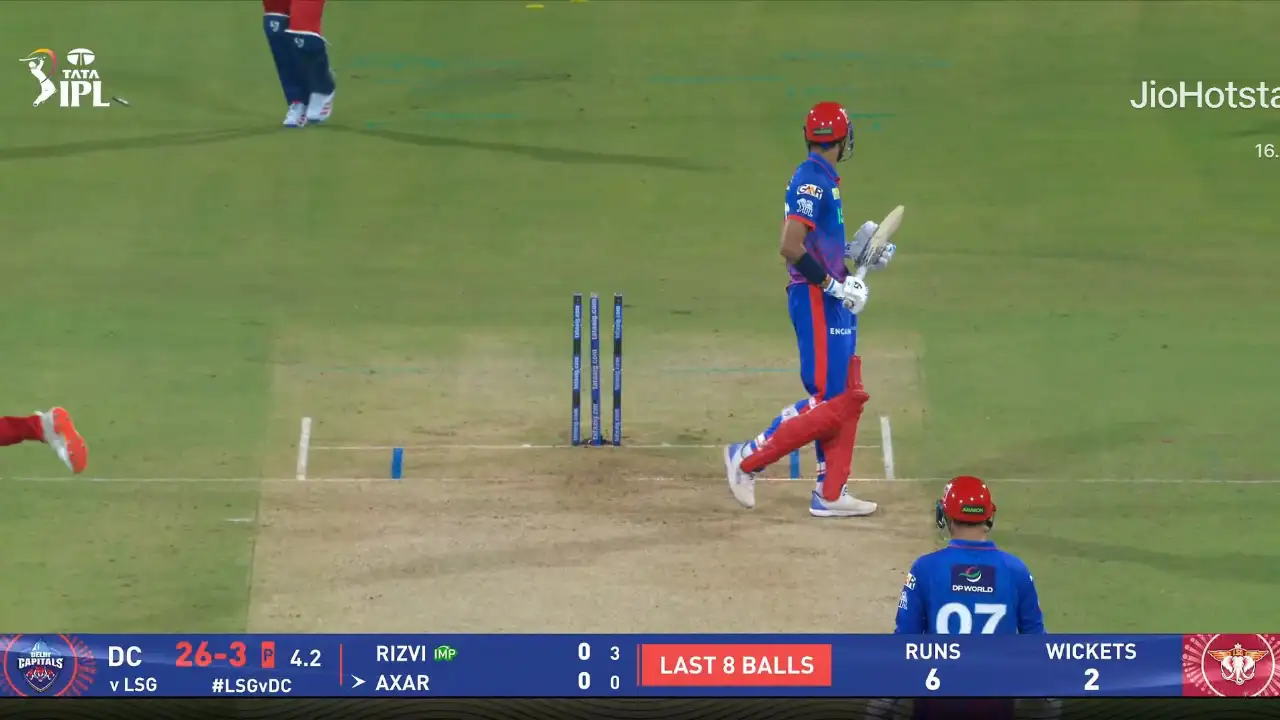
Axar Patel dismissed on ‘Golden Duck’ by Prince Yadav in LSG vs DC IPL 2026 clash