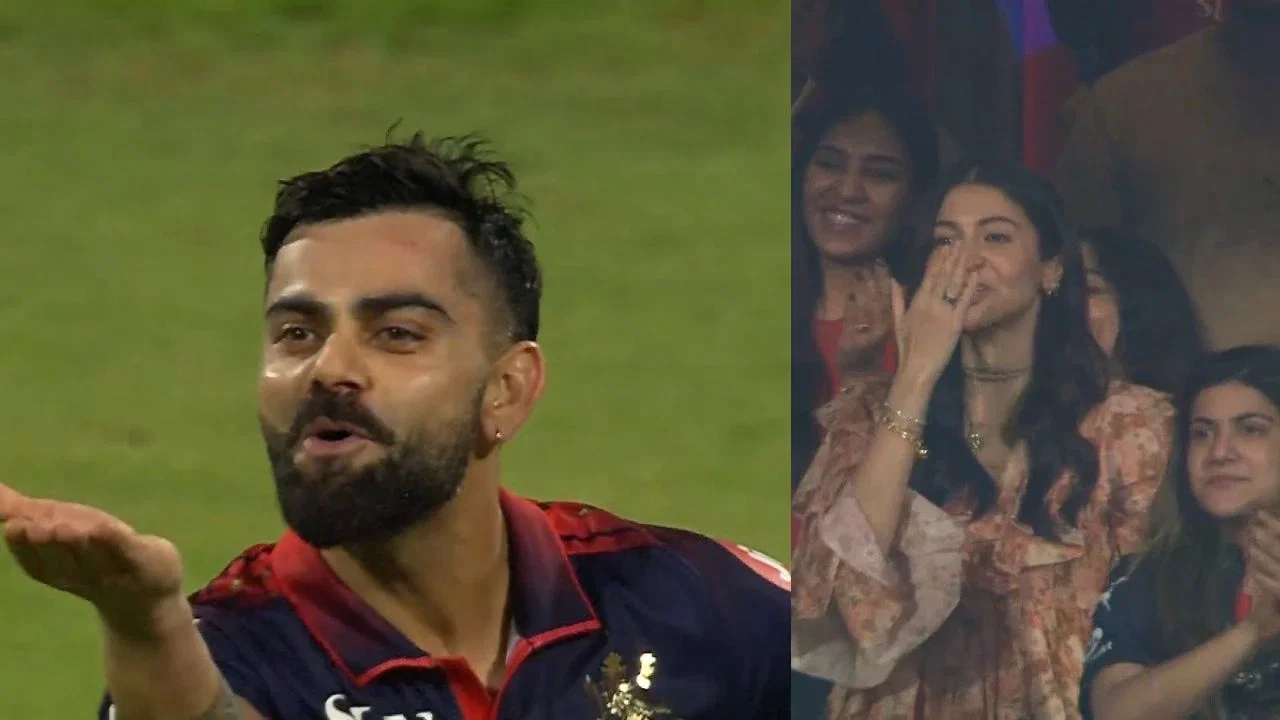
Mohsin Naqvi’s pathetic reply to PM Modi’s “Operation Sindoor” post exposes Pakistan’s delusional mindset after Asia Cup final loss
India-Pakistan Asia Cup 2025 Final Sparks Political Controversy
India’s Victory Over Pakistan Leads to War of Words
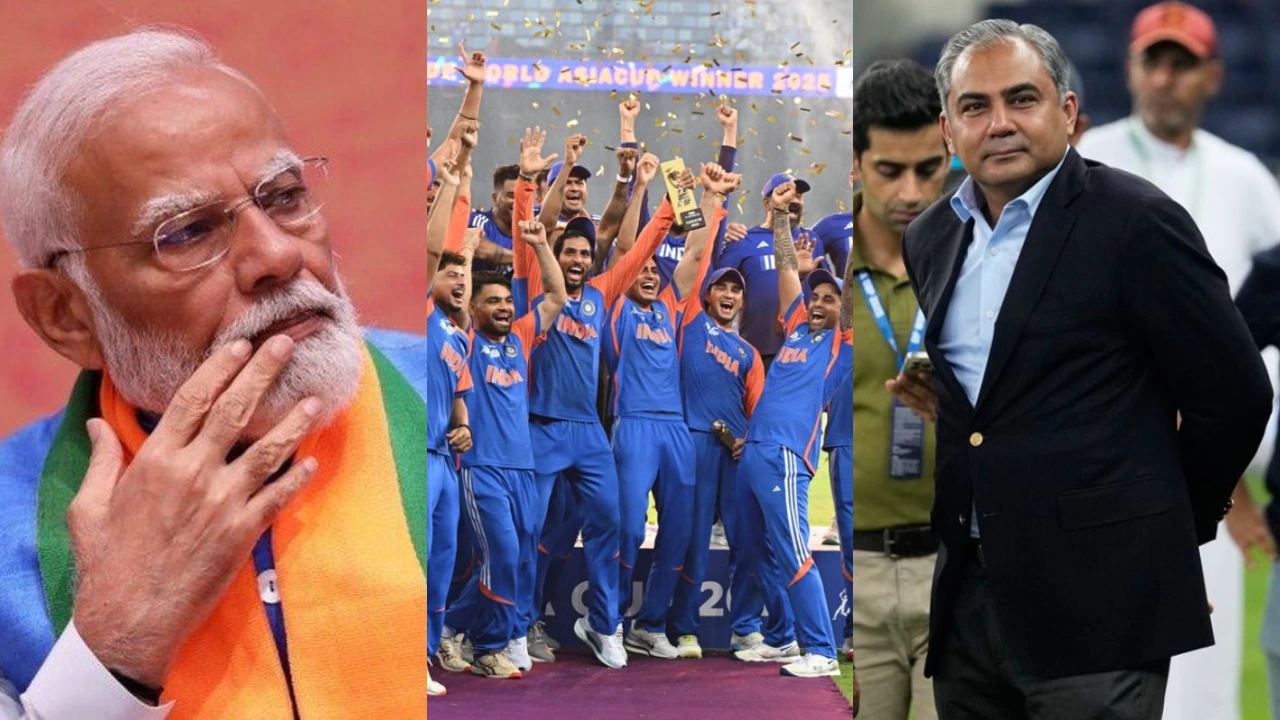
The highly anticipated Asia Cup 2025 final between India and Pakistan in Dubai not only showcased a thrilling cricket battle but also ignited a political storm. After India secured a five-wicket victory over Pakistan on September 28, a clash of words erupted between Indian Prime Minister Narendra Modi and Pakistan’s Interior Minister Mohsin Naqvi on social media.
Mohsin Naqvi, who also serves as the chairman of the Pakistan Cricket Board (PCB) and Asian Cricket Council (ACC), criticized PM Modi for bringing politics into the game. In his congratulatory post for the Indian cricket team led by Suryakumar Yadav, PM Modi referenced “Operation Sindoor”, drawing a parallel between the cricket win and a military strike carried out by the Indian Armed Forces following a terror attack that resulted in the loss of innocent lives.
PM Modi’s Bold Comparison Stirs Controversy
PM Modi’s comparison of the Asia Cup 2025 final to “Operation Sindoor” triggered a strong reaction from Naqvi. The PCB chairman accused PM Modi of tarnishing the spirit of cricket by associating the match with war. Naqvi also emphasized Pakistan’s past victories over India on the battlefield, asserting that no cricket match could erase those historical triumphs.
In response to PM Modi’s post, Naqvi reposted the message and condemned the attempt to link war with sports. He stated, “If war was your measure of pride, history already records your humiliating defeats at Pakistan’s hands. No cricket match can rewrite that truth. Dragging war into sport only exposes desperation and disgraces the very spirit of the game.”
Historical Context and Protest from BCCI
Contrary to Naqvi’s claims, India has never lost a full-scale war to Pakistan. India’s victory in the 1971 war resulted in the creation of Bangladesh, while Pakistan faced defeats in the 1965 war and the 1999 Kargil conflict. In May 2025, India successfully carried out Operation Sindoor, further fueling the tensions between the two neighboring nations.
Meanwhile, the Board of Control for Cricket in India (BCCI) secretary Devajit Saikia confirmed that they would lodge an official protest with the International Cricket Council (ICC) and ACC. This decision came after Naqvi took the Asia Cup trophy and medals to his hotel following India’s refusal to accept them due to the ongoing conflicts between the two countries.
Saikia expressed, “India cannot accept the trophy from someone who is waging a war against our country. While we have decided not to accept the trophy, it is unacceptable for the gentleman to take it and the medals to his hotel.”
The aftermath of the Asia Cup 2025 final has not only highlighted the intensity of the India-Pakistan cricket rivalry but has also underscored the deep-rooted political tensions between the two nations.
Impact of Political Controversy on Cricket Diplomacy
The political controversy surrounding the Asia Cup 2025 final between India and Pakistan has not only affected the cricketing landscape but also strained the diplomatic relations between the two countries. Cricket has often been a platform for diplomacy and peace-building efforts between India and Pakistan. However, the recent war of words between PM Modi and Naqvi has reignited long-standing animosities, making it challenging to separate sports from politics.
Cricket diplomacy has been used in the past to ease tensions between India and Pakistan. Notable instances include the 2004 series between the two countries and the 2011 World Cup semi-final where the then Prime Ministers of India and Pakistan attended the match together. These moments of sportsmanship and camaraderie have helped thaw icy relations and foster goodwill between the nations.
However, the recent controversy has highlighted the fragility of sports diplomacy, especially in the context of deep-rooted political differences. The refusal to accept the trophy and medals, along with the exchange of heated remarks on social media, has cast a shadow over the potential for cricket to serve as a bridge between India and Pakistan.
The Role of International Cricket Council (ICC)
As tensions escalate between India and Pakistan in the aftermath of the Asia Cup final, the International Cricket Council (ICC) finds itself in a challenging position. The governing body of cricket is tasked with maintaining the integrity of the sport while also navigating the complex political dynamics between member countries.
The ICC’s response to the controversy will be closely scrutinized, especially in terms of addressing any potential breaches of its code of conduct by the involved parties. The organization may need to issue statements or directives to ensure that the spirit of cricket is upheld and that political differences do not overshadow the game itself.
Furthermore, the ICC’s role in facilitating dialogue and reconciliation between India and Pakistan through cricket diplomacy cannot be underestimated. The organization has previously played a crucial role in mediating disputes and promoting sportsmanship among member nations. It remains to be seen how the ICC will navigate the current situation and work towards de-escalating tensions between India and Pakistan.
Future of India-Pakistan Cricket Relations
Amidst the political turmoil following the Asia Cup 2025 final, the future of cricketing relations between India and Pakistan hangs in the balance. The deep-seated animosities and historical conflicts between the two nations continue to impact their sporting engagements, making it challenging to separate cricket from politics.
While cricket has the potential to bring people together and foster goodwill, the recent controversy underscores the complexities of the India-Pakistan rivalry. Moving forward, both countries will need to navigate the delicate balance between sports and politics to ensure that cricket can continue to serve as a means of unity rather than division.
Ultimately, the Asia Cup 2025 final has shed light on the intricate interplay between cricket, politics, and diplomacy in the context of India and Pakistan. As both nations grapple with the aftermath of the match, the future of their cricketing relations remains uncertain, highlighting the challenges of using sports as a tool for peace and reconciliation in a politically charged environment.
Latest News
Shubman Gill out? Virat Kohli’s Test comeback as captain suggested by CSK legend
Jason Gillespie gives major update on Glenn Maxwell’s availability for PSL 2026
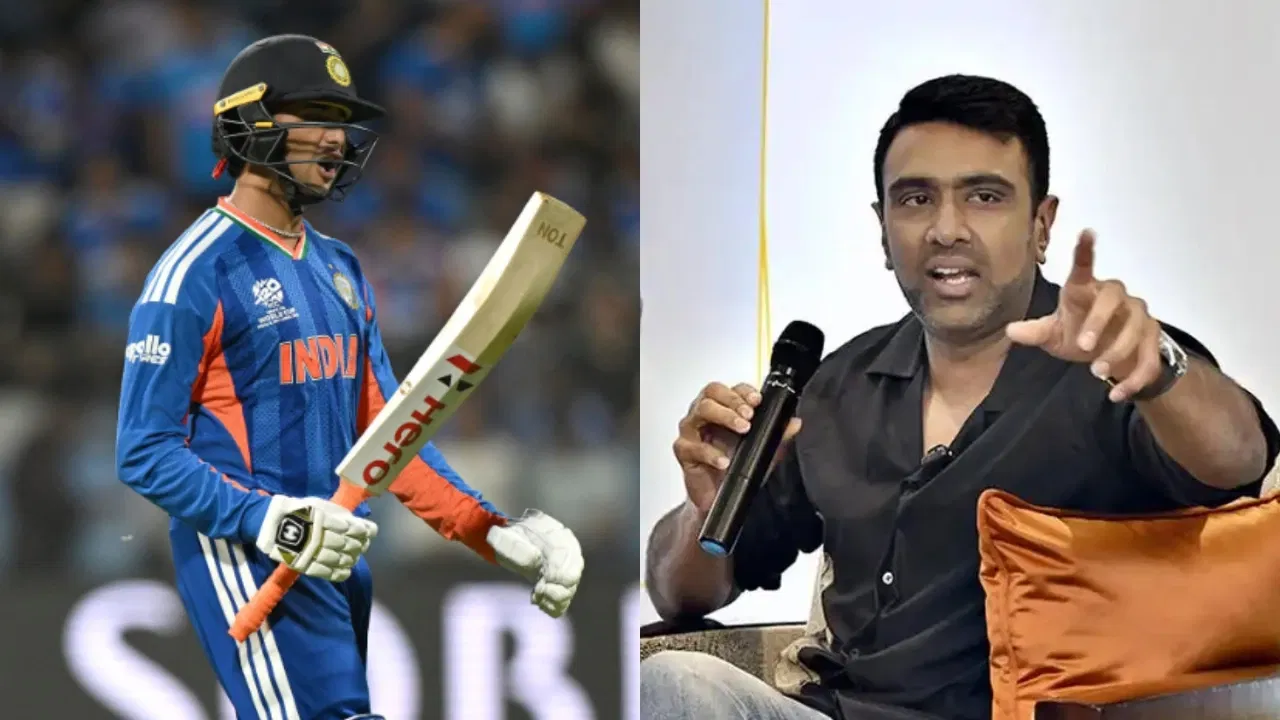
‘I’m a big fan but…’: Ravichandran Ashwin criticises Abhishek Sharma after failure vs RCB.
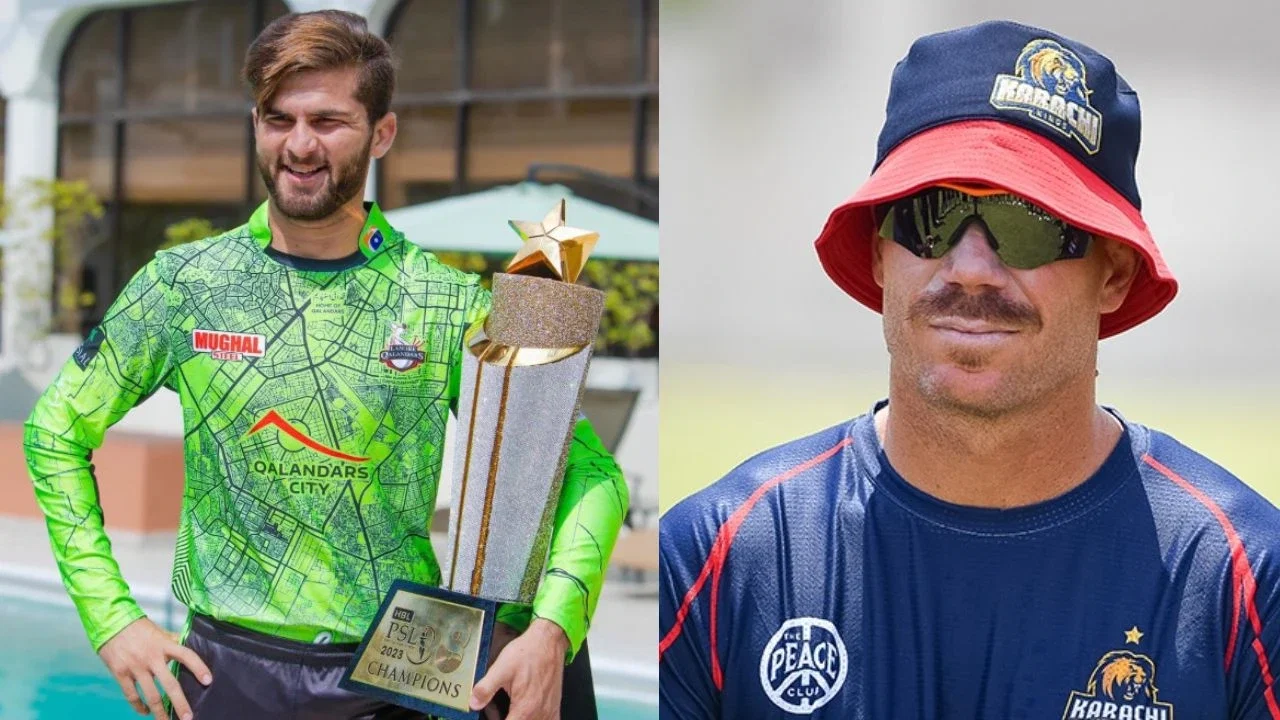
LHQ vs KRK Match Prediction, Pitch & Weather Report, Playing XIs, Head-to-Head, Free Live Streaming – PSL 2026 Match 6
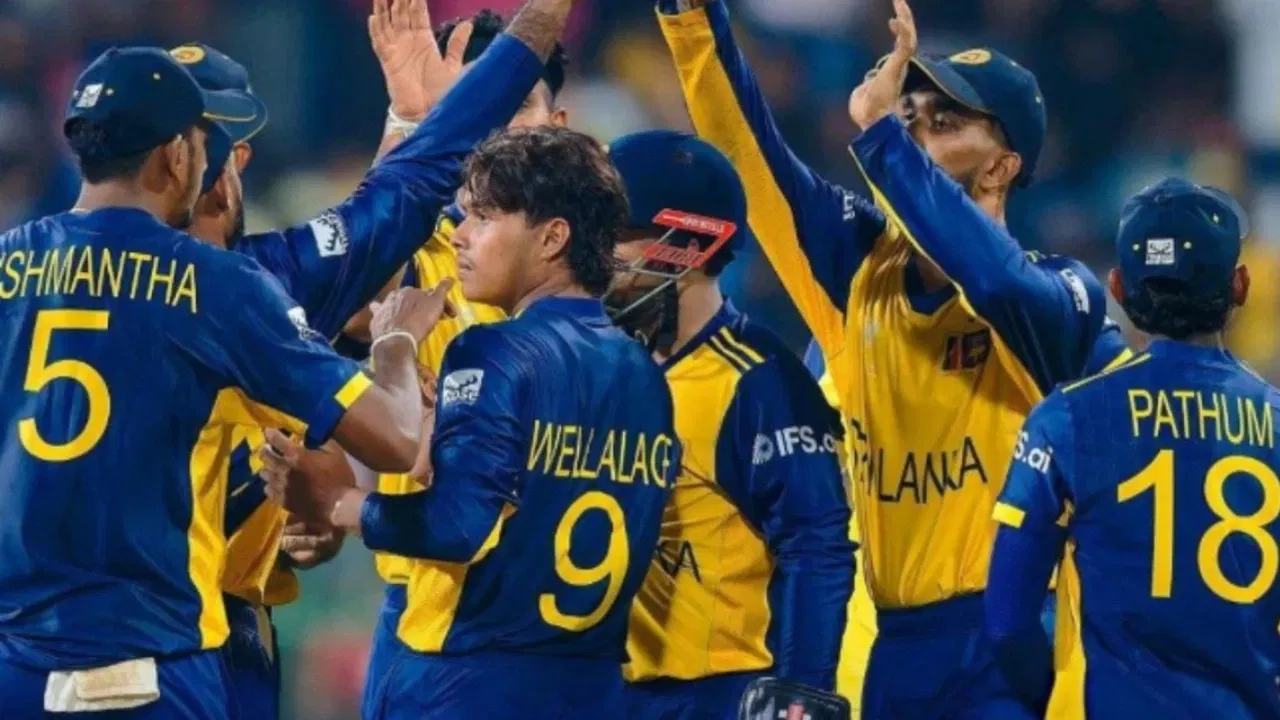
IPL teams on alert!: Sri Lanka fitness crisis sees almost 50% players fail tests
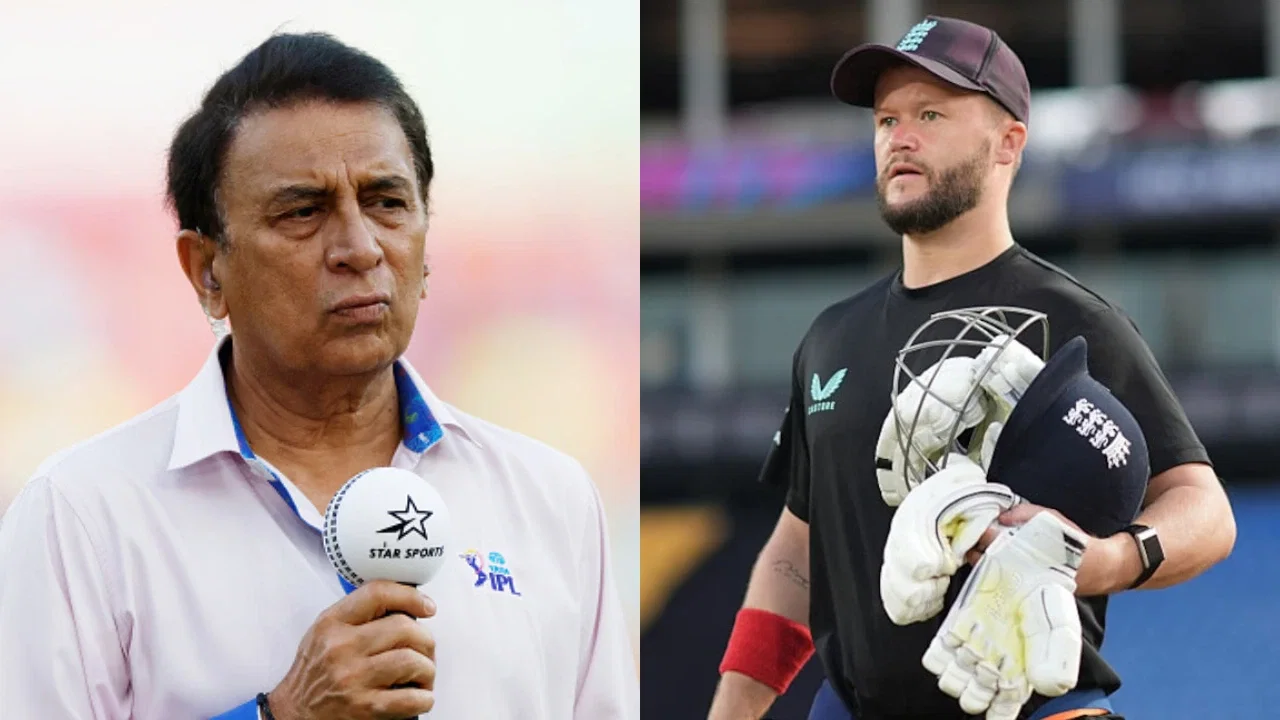
Ben Duckett in trouble? Sunil Gavaskar pushes BCCI for tougher punishment
MS Dhoni faking injury? Michael Vaughan suspects ‘strategic manoeuvre’ in CSK camp for IPL 2026
KKR coach criticises Impact Player rule, provides huge Matheesha Pathirana update
Sam Curran reveals private chat with Brendon McCullum after England axing
Ravichandran Ashwin brutally teased by Virender Sehwag on IPL 2026 debut
Virat Kohli’s ego under spotlight! Ex-KKR star makes bold claim after heroics vs SRH
Jay Shah rises to No. 22 among most powerful people in India in 2026; Virat Kohli, Gautam Gambhir included

SRH suffer huge blow! Daniel Vettori confirms another overseas pacer injured amid crisis
IPL Points Table 2026: Updated Standings, Orange Cap, Purple Cap After RCB vs SRH Match 1