Mohsin Naqvi’s PCB hit by explosive PSL ownership dispute involving two teams
Sialkot Stallionz and Lahore Qalandars Face Ownership Disputes in PSL
The Pakistan Cricket Board (PCB) finds itself in the midst of controversy once again, this time regarding ownership disputes in the Pakistan Super League (PSL). According to reports, two franchises, Sialkot Stallionz and Lahore Qalandars, are embroiled in ownership conflicts.
Dispute Over Sialkot Stallionz Ownership
Reports suggest that Muhammad Shahid, a businessman residing abroad, has filed a lawsuit against PSL CEO Salman Naseer, claiming to own 76% of the shares of the newly auctioned Sialkot Stallionz. Shahid alleges that the remaining partners, who control 24% of the shares, have been attempting to sell stakes without his consent, exceeding their entitlement. This disagreement has led to a controversy between the two shareholders of the franchise.
Shahid has taken to social media, sharing a video detailing his accusations and seeking intervention from the PCB. The Sialkot Stallionz were acquired for PKR 185 crore by a group led by Kamil Khana, a relative of a former Pakistan captain, although Khana is not directly involved in the ownership dispute.
Ownership Disputes Plague Lahore Qalandars
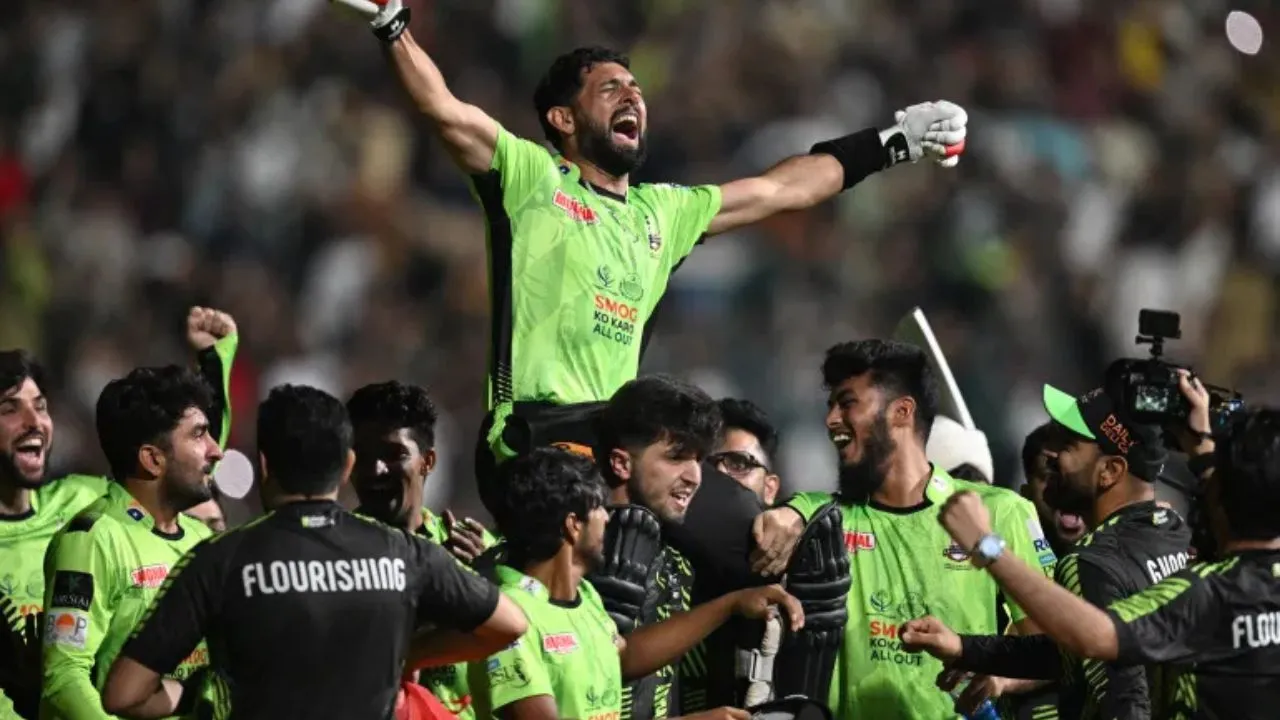
Another longstanding franchise, Lahore Qalandars, is also facing ownership issues within the PSL. Pakistani businessman Fawad Rana has filed a complaint claiming majority stake in the Lahore franchise. Court documents indicate that Rana’s petition to demonstrate his ownership was successful, alleging that other stakeholders had unlawfully sold his shares.
These conflicts come at a crucial time for the PSL as it transitions to an eight-team structure and aims for greater commercial stability. With rising franchise valuations, ownership controls are under intense scrutiny, putting pressure on the PCB to ensure transparency in governance.
Concerns for Pakistan Players in Franchise Cricket
Meanwhile, Pakistan players are facing uncertainties in participating in franchise leagues worldwide due to India-owned companies acquiring stakes in certain franchises in the Hundred. Their inclusion in these leagues is now in question, posing a potential setback for Pakistan cricket and its players.
If Pakistan players are excluded, it could reignite tensions between India and Pakistan, which have recently eased after prolonged controversy. The PCB must navigate these challenges to safeguard the interests of Pakistani cricketers and maintain a harmonious relationship with international cricket boards.
As the PSL approaches its scheduled dates from 26th March, 2026 to 3rd May, 2026, resolving internal ownership disputes will be crucial for the smooth functioning of the tournament and the overall health of Pakistan cricket.
Impact of Ownership Disputes on PSL Teams
Ownership disputes within PSL teams can have far-reaching consequences beyond just legal battles. Such conflicts can create a sense of instability within the franchise, affecting team morale, player performances, and overall team dynamics. Uncertainty surrounding ownership can lead to financial difficulties, sponsorship concerns, and a lack of strategic direction for the team.
Players may also be caught in the crossfire of ownership disputes, with their contracts and future prospects hanging in the balance. The lack of clarity on who truly controls the team can impact player retention, recruitment, and overall team composition. This can ultimately hinder the team’s competitiveness on the field and impact their chances in the tournament.
Transparency and Governance in PSL
The ownership disputes in the PSL underscore the importance of transparency and strong governance structures within the league. Clear guidelines on ownership structures, shareholding agreements, and dispute resolution mechanisms are essential to prevent such conflicts from arising in the future. The PCB must enforce strict regulations and oversight to ensure that all franchises comply with these standards.
Enhancing transparency in ownership structures can also attract more investors and stakeholders to the league, fostering growth and sustainability in the long run. By promoting fair play, accountability, and ethical business practices, the PSL can strengthen its reputation as a competitive and well-managed cricket tournament.
International Ramifications of Ownership Disputes
The ownership disputes in the PSL not only impact the league itself but also have broader international implications. In an era where cricket is increasingly globalized, with players participating in various T20 leagues around the world, conflicts within one league can reverberate across borders.
The exclusion of Pakistan players from certain franchise leagues due to ownership disputes can strain diplomatic relations between countries and create barriers for player opportunities on the international stage. It is imperative for cricket boards and governing bodies to address these issues promptly and diplomatically to prevent escalation and maintain the spirit of sportsmanship and fair play.
Looking Ahead for PSL
As the PSL gears up for its upcoming season, the resolution of ownership disputes will be a key focus for the league and the PCB. Clear communication, mediation, and legal interventions may be necessary to bring about a swift and amicable resolution to these conflicts. Ensuring the stability and integrity of the franchises will be crucial to the success and credibility of the tournament.
Ultimately, a well-managed and harmonious PSL will not only benefit the teams and players involved but also contribute to the growth and popularity of cricket in Pakistan and beyond. By addressing ownership disputes effectively and promoting a culture of transparency and accountability, the PSL can continue to thrive as a premier cricketing event in the region.
Latest News
IPL 2026 second-half schedule announcement date revealed by BCCI secretary
LHQ vs HYDK Match Prediction, Pitch & Weather Report, Playing XIs, Head-to-Head, Free Live Streaming – PSL 2026 Match 1
Aditya Birla Group confirms NO NAME CHANGE plans after RCB takeover
Virat Kohli will win Orange Cap: Jitesh Sharma makes bold IPL 2026 predictions
David Warner tears into Shaheen Afridi and Mohammad Rizwan at PSL captains’ press conference
“Joker and Clueless”: Lalit Modi’s fiery attack on Sanjiv Goenka for his Jay Shah remark after RR–RCB mega sale
IPL 2026: BCCI scraps opening ceremony! Virat Kohli’s RCB linked to shocking decision
Sanju Samson gets huge role as Ruturaj Gaikwad confirms CSK openers for IPL 2026
Prithvi Shaw declares his mission to return to team India begins from IPL 2026
Irfan Pathan questions Arshdeep Singh’s bowling ahead of IPL 2026
“Mind is somewhere else”: Yuvraj’s Father exposes Abhishek Sharma’s indiscipline lifestyle
EX-RCB pacer joins KKR as replacement of Harshit Rana ahead of IPL 2026

“Win our first trophy”: Sanjiv Goenka crowns LSG as champions ahead of IPL 2026
New catching rule? Captains warned over ‘Incomplete’ catches ahead of IPL 2026