Mohsin Naqvi’s T20 World Cup 2026 pullout threat shakes ICC, broadcasters worried over India-Pakistan clash
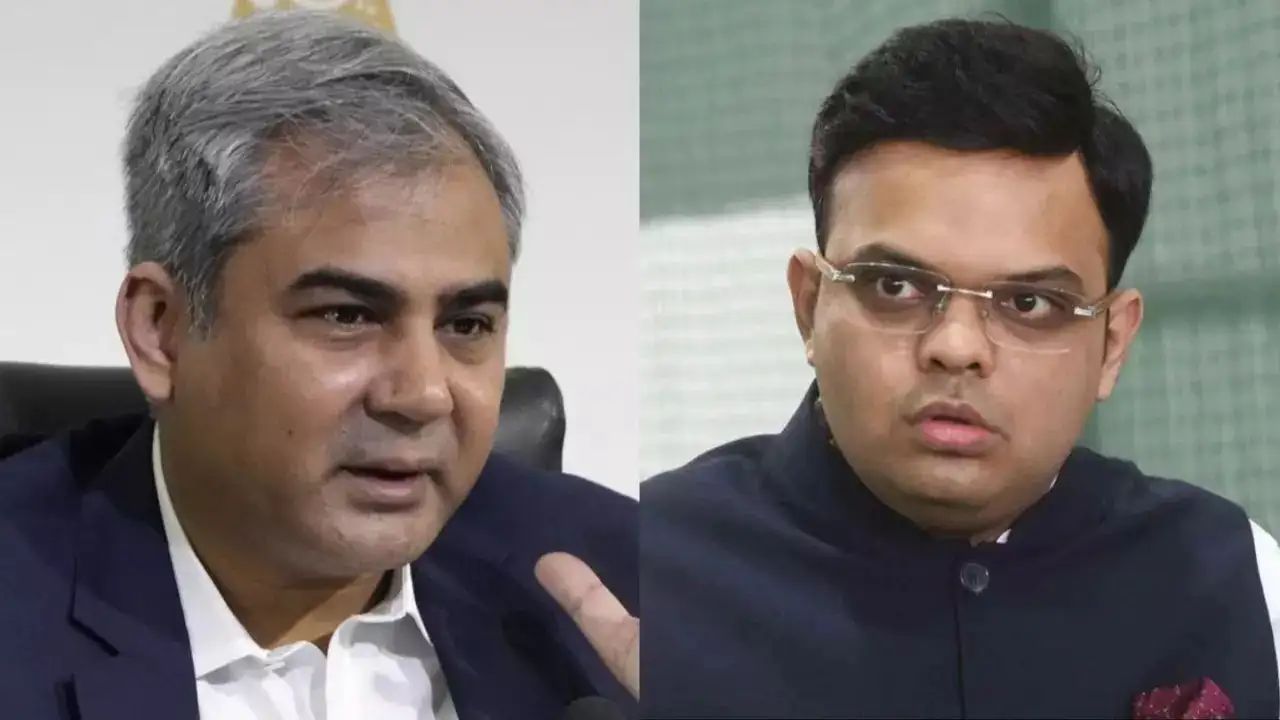
Pakistan Cricket Board Chief’s Threat to Pull Out of T20 World Cup Sends Shockwaves
Former Pakistan Cricketer Basit Ali Raises Concerns Over Potential Withdrawal
Former Pakistan cricketer Basit Ali has caused a stir in the cricket world by expressing his concerns over the recent threat made by Pakistan Cricket Board (PCB) chief Mohsin Naqvi to pull out of the upcoming T20 World Cup. Ali highlighted the significant financial implications of such a decision, especially in the context of the highly anticipated India-Pakistan fixture.
With Bangladesh already withdrawing from the T20 World Cup 2026, all eyes are now on Pakistan’s position. The PCB had initially supported Bangladesh’s decision, leading to speculation about whether Pakistan might follow suit. Naqvi stated that Pakistan’s participation in the tournament would ultimately be determined by the government of Pakistan.
Unprecedented Uncertainty in the Lead-up to the T20 World Cup
Speaking on the popular Game Plan YouTube show, Basit Ali voiced his concerns about the potential repercussions of Naqvi’s statements. He emphasized that the uncertainty surrounding Pakistan’s participation has created a challenging situation for the International Cricket Council (ICC) and the tournament’s broadcasters.
“With his remarks at the press conference, Naqvi has created unprecedented uncertainty. The wording he used has put the ICC in a difficult position. While Pakistan may not need to boycott the tournament due to venue concerns, the government could dictate otherwise, potentially siding with Bangladesh,” Ali explained.
Ripple Effects of a Possible Pakistan Pullout
Ali also highlighted the significant impact a Pakistan withdrawal would have on broadcasters and the overall viewership of the T20 World Cup. He pointed out that no replacement team could replicate the audience engagement and excitement generated by an India-Pakistan match.
“If Pakistan decides not to participate, it could spell trouble for broadcasters. It’s unlikely that any replacement team would draw the same level of interest as an India-Pakistan clash. This raises questions about the financial implications for the tournament,” Ali warned.
India-Pakistan Clash Looms Large in T20 World Cup Group Stage
India and Pakistan find themselves in Group A of the T20 World Cup 2026, alongside Namibia, the Netherlands, and the USA. The much-anticipated clash between the two cricketing giants is scheduled to take place on February 15 in Colombo.
Pakistan has already announced its squad for the tournament, with Salman Ali Agha leading the team. Notable exclusions from the squad include Haris Rauf and Mohammad Rizwan. The team is set to kick off its campaign against the Netherlands at the Sinhalese Sports Club Cricket Ground.
Financial and Strategic Considerations for Pakistan
A potential withdrawal by Pakistan would not only impact the ICC and the tournament’s revenue but could also result in financial penalties for the PCB. With matches scheduled at neutral venues, the stakes are higher than ever for Pakistan in navigating its participation in the T20 World Cup.
Given the immense financial implications and strategic considerations at play, Pakistan’s decision regarding its participation in the tournament is bound to have far-reaching consequences for the world of cricket.
The Impact of Political Relations on Cricketing Events
One crucial aspect that often influences decisions regarding international cricket tournaments involving Pakistan is the political landscape and diplomatic relations between countries. The historical tensions between India and Pakistan have frequently spilled over into the realm of cricket, with matches between the two nations carrying significant emotional weight for fans on both sides.
In the past, political tensions have resulted in the cancellation or relocation of cricket matches, highlighting the complex interplay between sports and geopolitics. Given the current geopolitical climate, any decision by Pakistan to withdraw from the T20 World Cup could potentially be viewed through the lens of political maneuvering, adding another layer of complexity to the situation.
The Role of Security Concerns in Tournament Participation
Another critical factor that often comes into play when determining a team’s participation in international cricket events is security concerns. With the T20 World Cup scheduled to take place at neutral venues, the safety and security of players, officials, and fans become paramount considerations.
Pakistan has a history of facing security challenges, both domestically and internationally, which have impacted its cricketing engagements in the past. The decision to participate in the T20 World Cup may hinge on assurances regarding the security arrangements at the tournament venues, adding an additional layer of complexity to the PCB’s deliberations.
The Significance of India-Pakistan Matches in Cricketing Context
The rivalry between India and Pakistan in cricket is legendary, with matches between the two teams often transcending the boundaries of sport to become cultural phenomena. The intense competition, historical context, and passionate fan bases make India-Pakistan clashes among the most-watched and highly anticipated fixtures in the cricketing calendar.
From a commercial perspective, an India-Pakistan match holds immense value for broadcasters, sponsors, and the tournament organizers. The potential absence of such a marquee matchup could have ripple effects on the overall viewership, advertising revenue, and marketability of the T20 World Cup, underscoring the significance of Pakistan’s decision in the larger cricketing ecosystem.
The Future of Cricket Amidst Uncertainty
As the cricketing world grapples with the uncertainty surrounding Pakistan’s participation in the T20 World Cup, questions arise about the broader implications for the sport. The evolving dynamics of international cricket, including the impact of political considerations, security concerns, and commercial interests, highlight the complex nature of organizing and hosting major tournaments.
Whether Pakistan ultimately decides to participate in the T20 World Cup or not, the discussions and decisions surrounding its involvement shed light on the intricate web of factors that shape the modern cricketing landscape. As stakeholders navigate these challenges, the future of cricket hinges on finding a delicate balance between sporting competition, geopolitical realities, and financial imperatives.
By delving into these additional perspectives and contextualizing the existing concerns, the expanded content offers a comprehensive exploration of the multifaceted issues at play in the lead-up to the T20 World Cup.
Latest News
Virat Kohli’s explosive threat during coach’s conspiracy revealed: “Will beat the living hell out of…”
Dinesh Karthik can become head coach of India, England or Australia: Jitesh Sharma makes bold claim
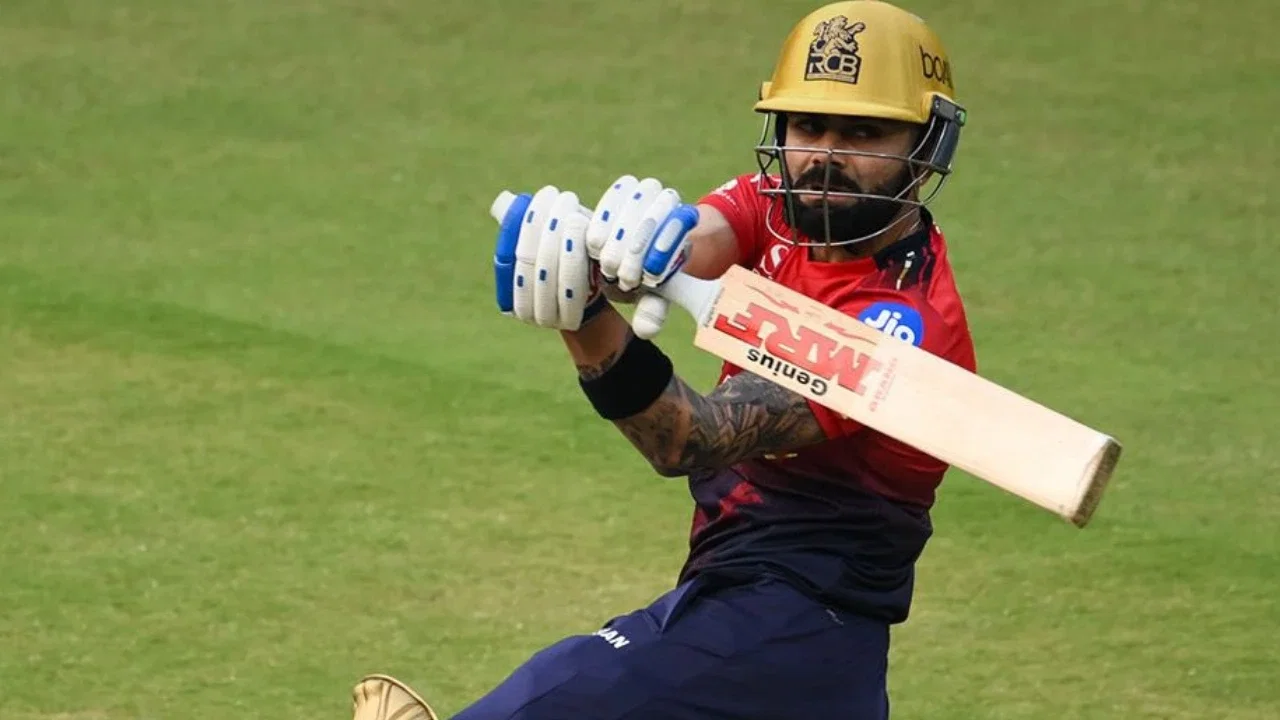
Virat Kohli turns Abhishek Sharma with explosive batting for RCB ahead of IPL 2026
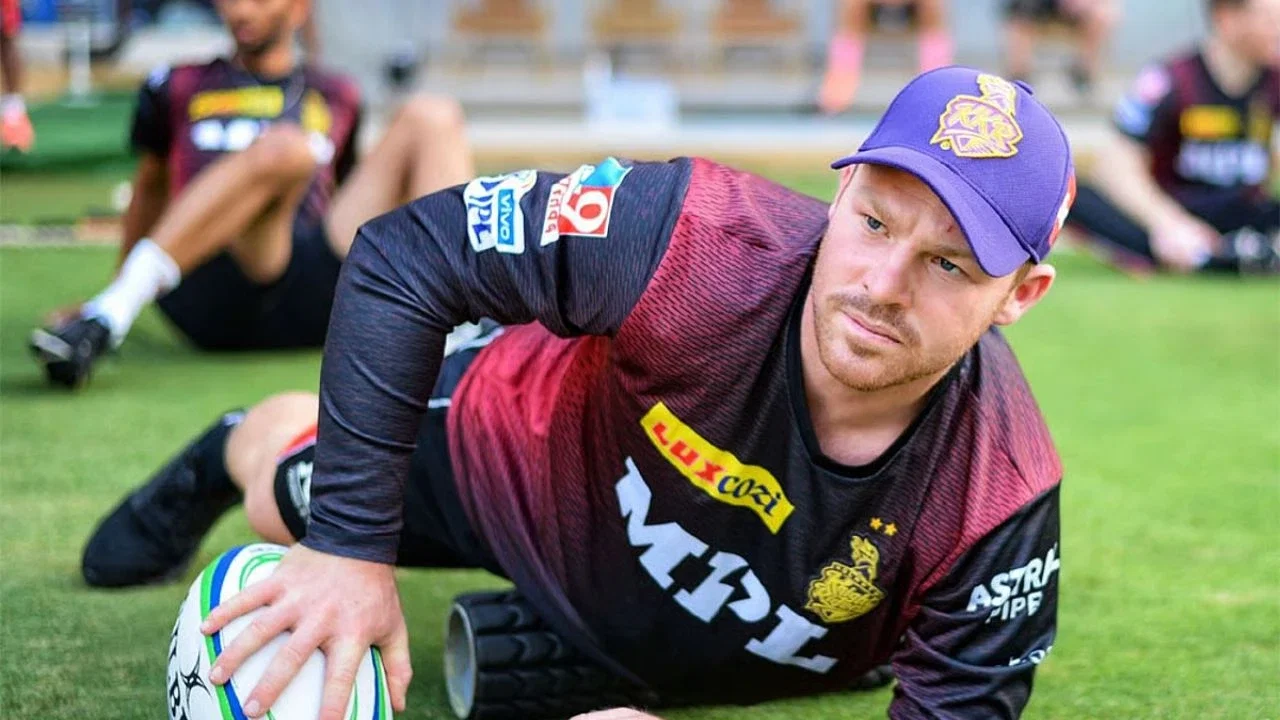
Not Tim Seifert! KKR eye 21-year-old Indian as wicketkeeper for IPL 2026
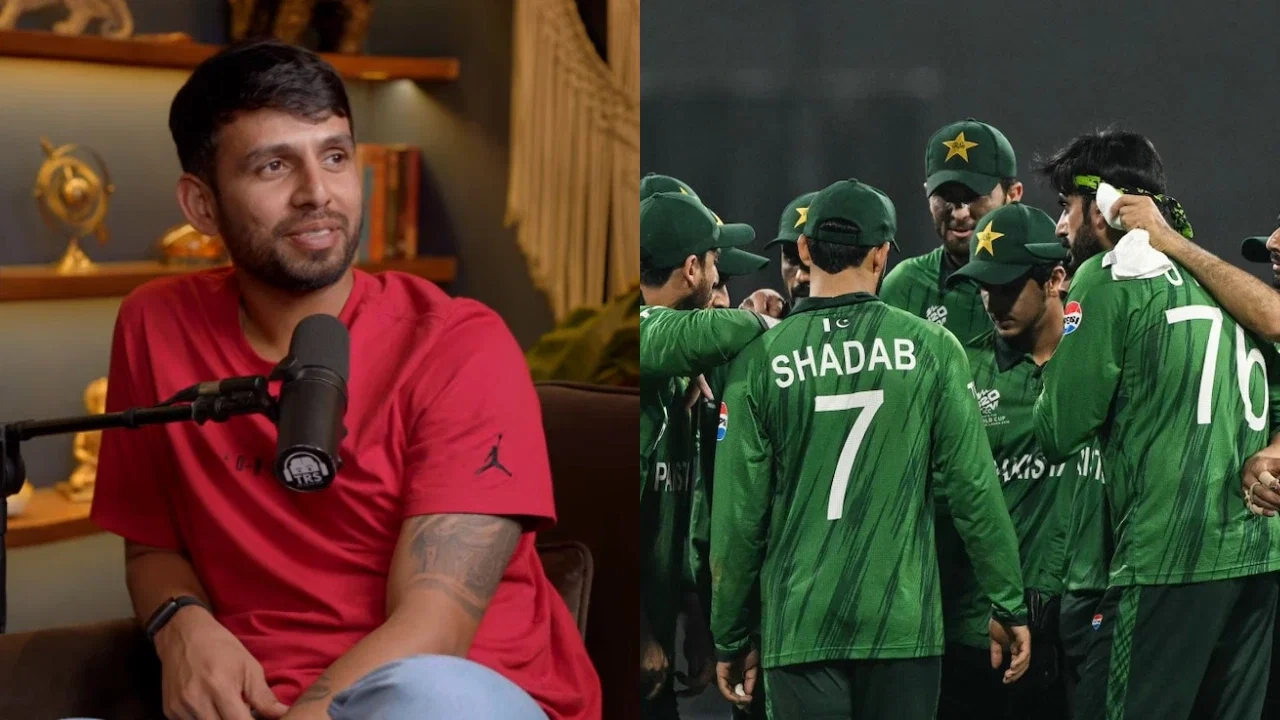
“Itna dete nahi importance inko”: Jitesh Sharma trolls Pakistan, reveals unheard story
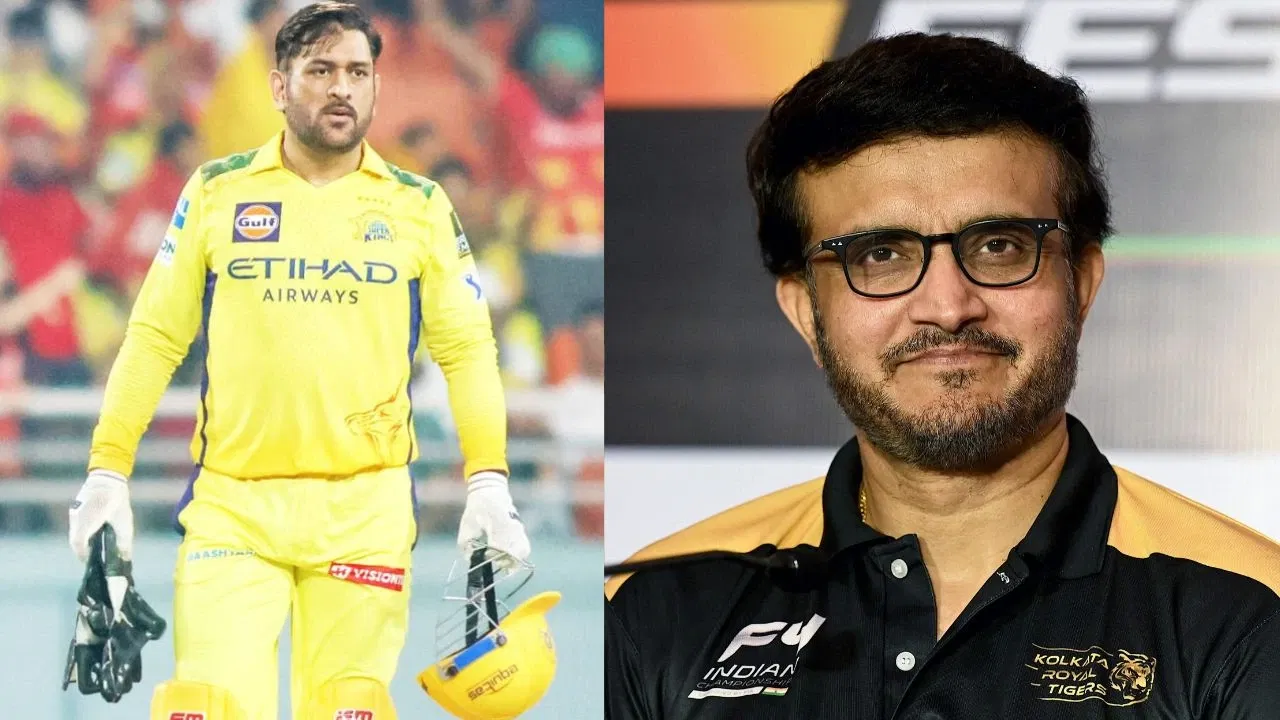
‘I liked young MS Dhoni more than the mature one’: Sourav Ganguly drops huge statement
RCB suffer huge blow! SLC blocks Nuwan Thushara’s IPL 2026 participation
Border-Gavaskar Trophy 2027 schedule announced; Ahmedabad among five venues selected
BCCI announces India’s 2026-27 international home season schedule; series vs AUS, WI, SL, ZIM finalized
Irfan Pathan reveals Yuvraj Singh’s secret method to train Rishabh Pant ahead of IPL 2026
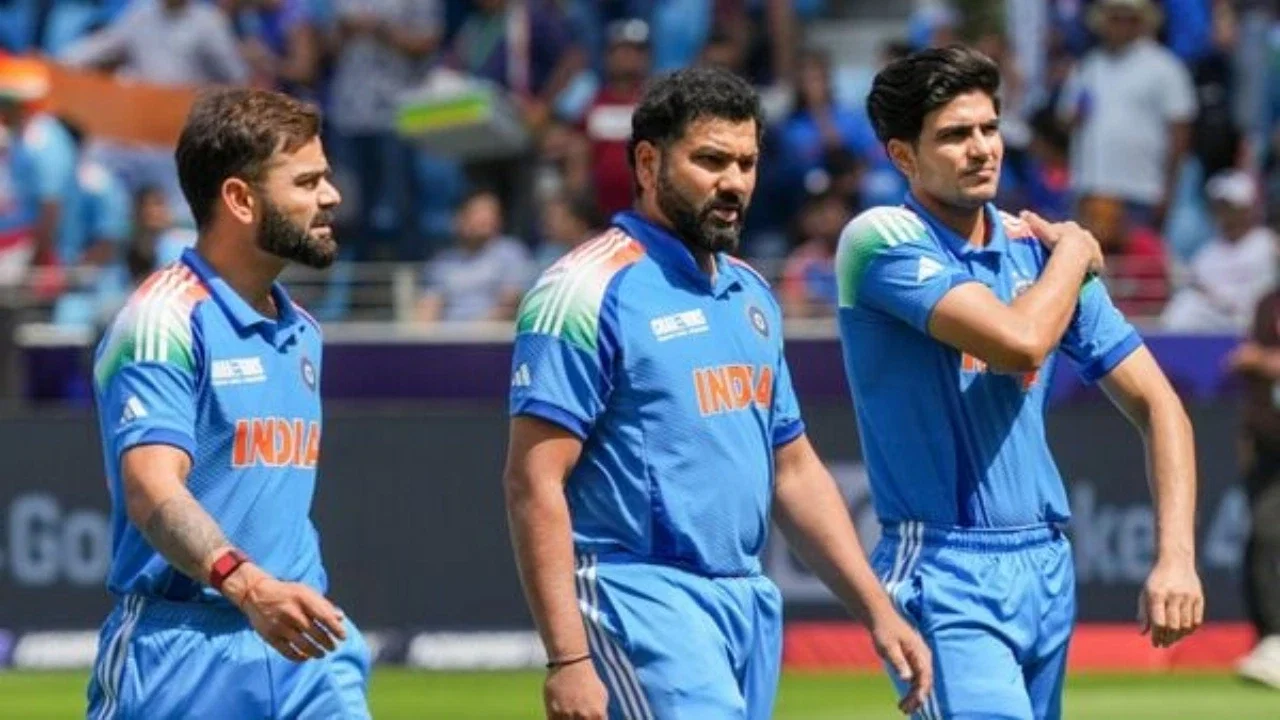
Virat Kohli, Rohit Sharma ODI schedule: Full list of matches they will play in India’s 2026-27 home season
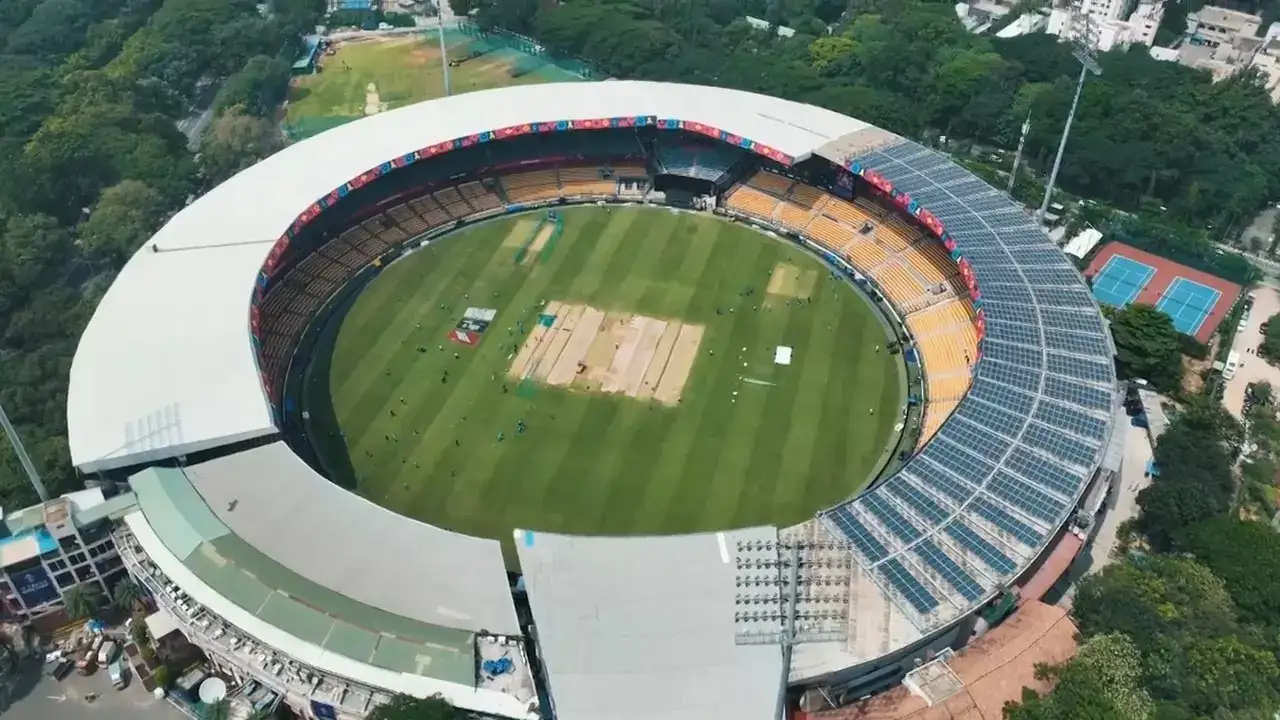
Days before RCB vs SRH IPL 2026 match, M. Chinnaswamy Stadium looks like a ‘construction side’
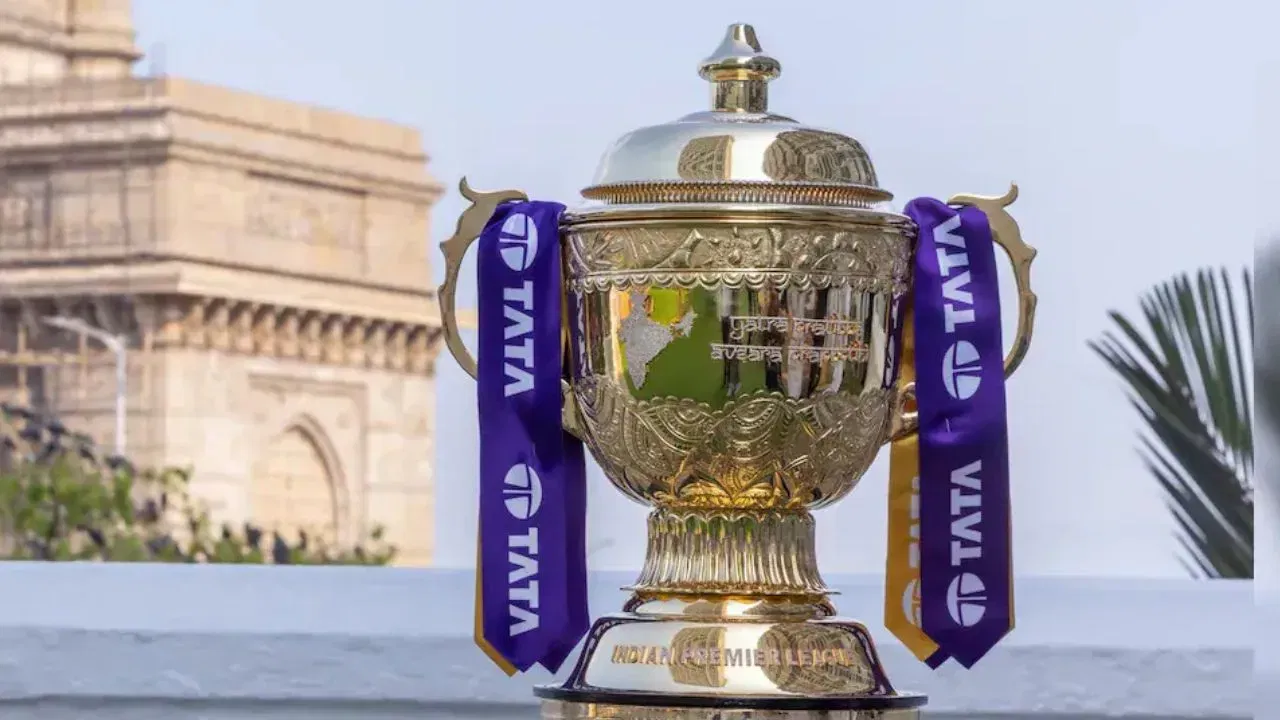
IPL 2026 second-half schedule announcement date revealed by BCCI secretary
LHQ vs HYDK Match Prediction, Pitch & Weather Report, Playing XIs, Head-to-Head, Free Live Streaming – PSL 2026 Match 1