Money over humanity? BCCI rejects Sri Lanka’s charity T20s proposal to raise funds for Cyclone Ditwah victims
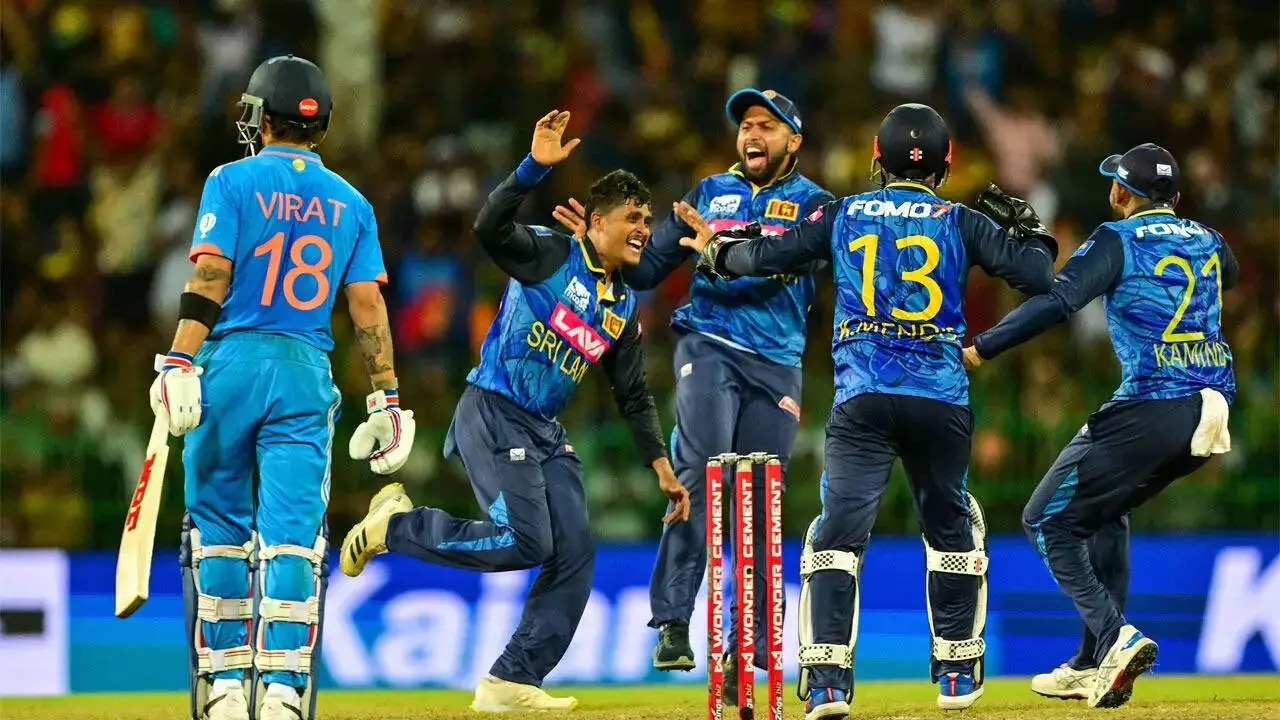
BCCI Rejects Sri Lanka’s Charity T20I Proposal Amid Packed Schedule
The Board of Control for Cricket in India (BCCI) has turned down a request from Sri Lanka Cricket (SLC) to host charity T20 matches in December to raise funds for the victims of Cyclone Ditwah. SLC chairman Shammi Silva expressed disappointment as the Indian board did not approve the initiative, which was aimed at supporting relief efforts in Sri Lanka following the devastating cyclone.
Missed Fundraising Opportunity
After Cyclone Ditwah wreaked havoc in Sri Lanka, causing massive damage and loss of lives, SLC sought to organize charity T20 matches between India and Sri Lanka. Unfortunately, the proposal did not come to fruition due to commercial challenges. This rejection was seen as a missed opportunity to raise funds for the cyclone-affected people.
Despite the setback, SLC has committed to utilizing the revenue generated from the upcoming three-match T20I series against Pakistan to contribute towards relief and rebuilding efforts in the aftermath of Cyclone Ditwah. The matches are set to take place in Dambulla.
India’s Tour to Sri Lanka
On a positive note, Sri Lanka will host India in August for a full series, featuring two Tests and two T20 Internationals. This series will provide an opportunity for cricket fans to witness competitive matches between the two nations.
Silva shared insights on the proposed charity matches, stating, “We discussed a tour for two games on December 27 and 29 in aid of Ditwah cyclone reconstruction but could not finalize arrangements on the commercial side in time.” The decision highlights the challenges of organizing such events amidst a busy cricketing schedule.
Stadium Upgrades for T20 World Cup
In preparation for the upcoming men’s T20 World Cup, Sri Lanka Cricket is investing in stadium infrastructure improvements. The Sinhalese Sports Club Ground is undergoing significant upgrades, including the installation of floodlights to meet international standards.
SLC Treasurer Sujeewa Godaliyadda mentioned, “We are spending 1.75 billion LKR for installing flood lights in the short term.” The upgrades aim to enhance the spectator experience and enable the SSC to host T20 World Cup matches, including its first-ever World Cup T20 game on February 7.
India’s Busy Cricket Schedule in 2026
Looking ahead to 2026, India has a packed cricket schedule with matches scheduled throughout the year. The season will kick off with a home white-ball series against New Zealand in January, followed by the ICC Men’s T20 World Cup co-hosted by India and Sri Lanka in February.
After the T20 World Cup, India will face Afghanistan in a Test match and ODI series in June, followed by a tour to Sri Lanka for a Test series in August. The year will conclude with a series against New Zealand in October and hosting Sri Lanka for ODIs and T20Is in December.
With a mix of competitive matches, charity initiatives, and infrastructure upgrades, the cricketing landscape in India and Sri Lanka promises an action-packed and eventful year in 2026.
Impact of BCCI’s Decision
The rejection of Sri Lanka’s charity T20I proposal by the BCCI not only affects the fundraising efforts for Cyclone Ditwah victims but also raises questions about the priorities and challenges faced by cricket boards when balancing commercial interests with philanthropic initiatives. This decision sheds light on the complexities involved in organizing international cricket matches, especially when addressing humanitarian causes amidst a jam-packed cricketing calendar.
Global Response to Natural Disasters
While SLC’s proposal aimed to support the recovery efforts in Sri Lanka post-Cyclone Ditwah, it underscores the global cricketing community’s potential to come together in times of crisis. The rejection highlights the need for coordinated efforts between cricketing nations to leverage the sport’s popularity and resources for charitable causes, showcasing cricket’s role beyond the boundaries of the playing field.
Future Collaborations for Social Causes
Despite the setback in organizing charity matches, the incident serves as a catalyst for discussions on future collaborations between cricket boards for social causes. With cricket being a unifying force that transcends borders, there is an opportunity for boards to explore innovative ways to harness the sport’s reach for philanthropic endeavors, fostering a spirit of camaraderie and goodwill among nations.
Strategies for Balancing Cricketing Commitments
The challenges faced in finalizing the charity T20 matches shed light on the intricate process of scheduling cricket events amidst a crowded calendar. Cricket boards need to strategize effectively to balance competitive fixtures, fundraising initiatives, and infrastructure development projects to ensure a sustainable and impactful approach towards advancing the sport while addressing social responsibilities.
Emphasis on Community Engagement
As cricket continues to evolve as a platform for social change and community engagement, the incident involving the charity T20 proposal underscores the importance of fostering meaningful relationships between cricket boards, fans, and local communities. By aligning cricketing activities with social causes, boards can amplify their impact and strengthen their bond with stakeholders, creating a more inclusive and socially responsible ecosystem within the sport.
Long-term Vision for Cricket Development
Amidst discussions on fundraising initiatives, international tours, and infrastructure upgrades, the broader narrative of cricket’s long-term development and sustainability comes into focus. Cricket boards must adopt a forward-thinking approach that balances immediate needs with strategic investments in talent development, facility upgrades, and community outreach to secure the sport’s future growth and relevance in a rapidly changing sporting landscape.
By navigating the complexities of scheduling, commercial partnerships, and social responsibility, cricket boards can steer the sport towards a more holistic and impactful direction, fostering a culture of collaboration, innovation, and inclusivity that transcends individual matches and tournaments.
Latest News
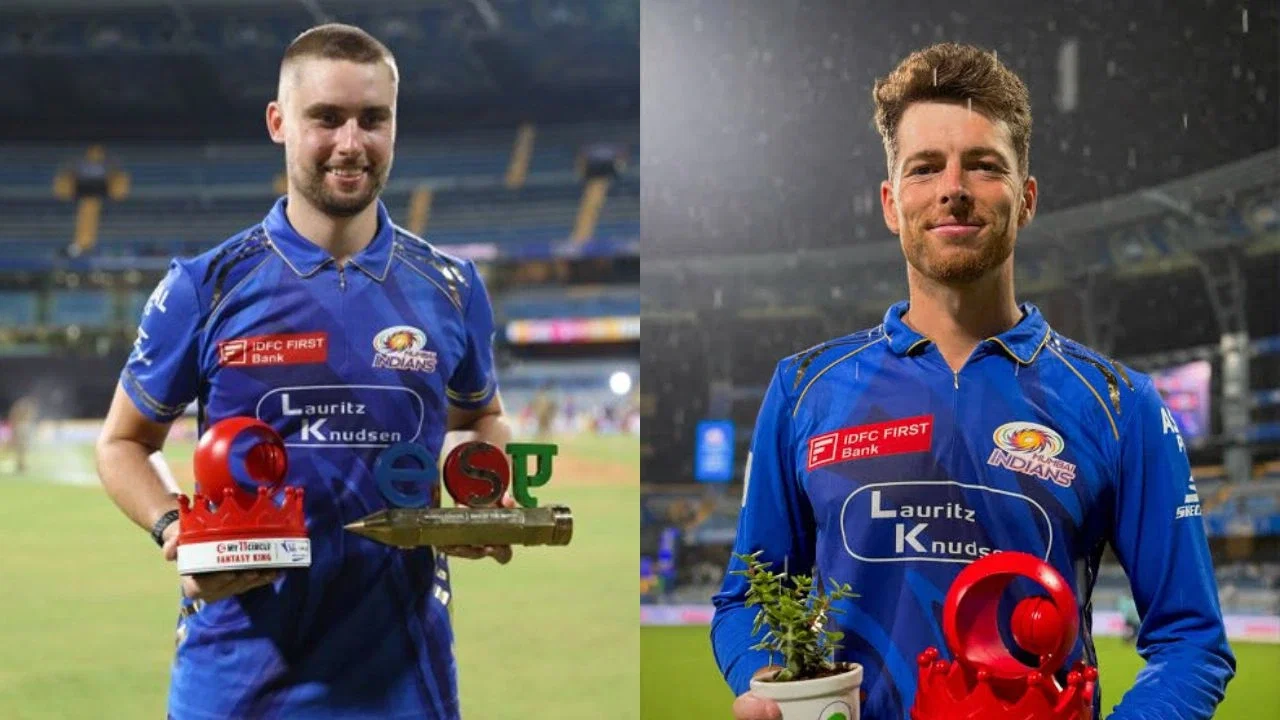
Mumbai Indians suffer blow! Mitchell Santner, Will Jacks ruled out of IPL 2026 games
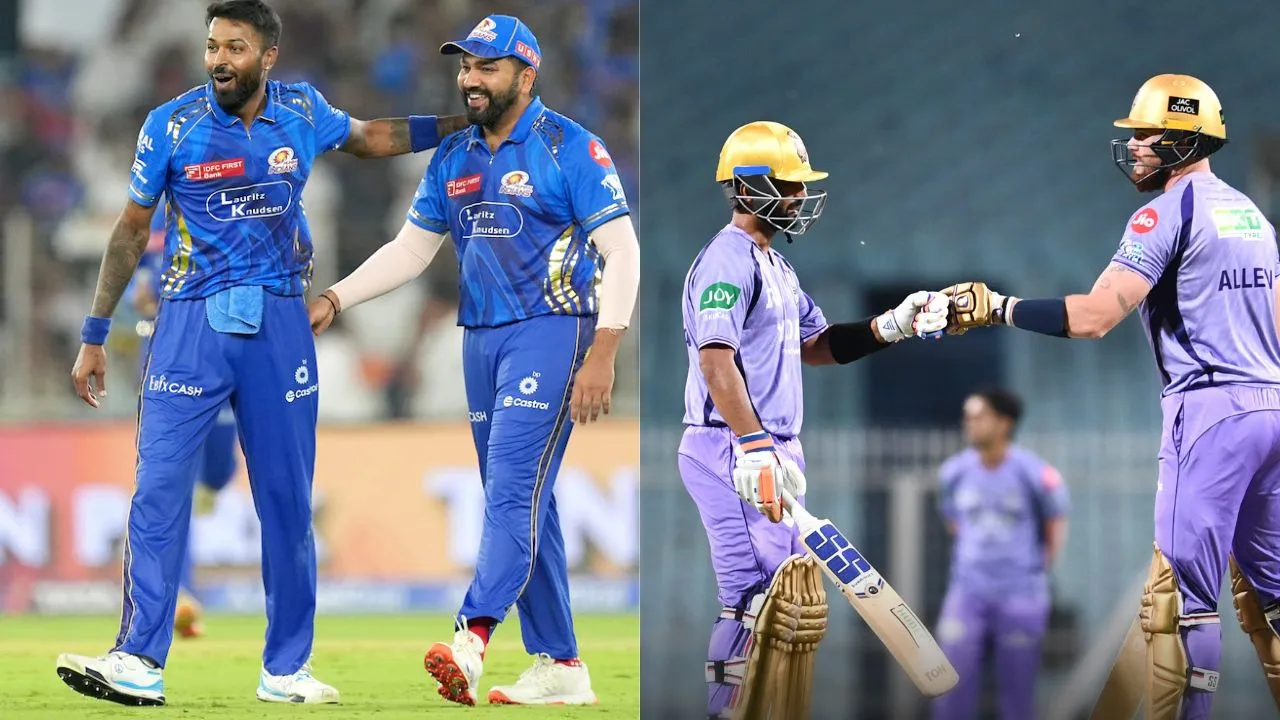
MI vs KKR Match Prediction – Who Will Win Match No.2? | IPL 2026
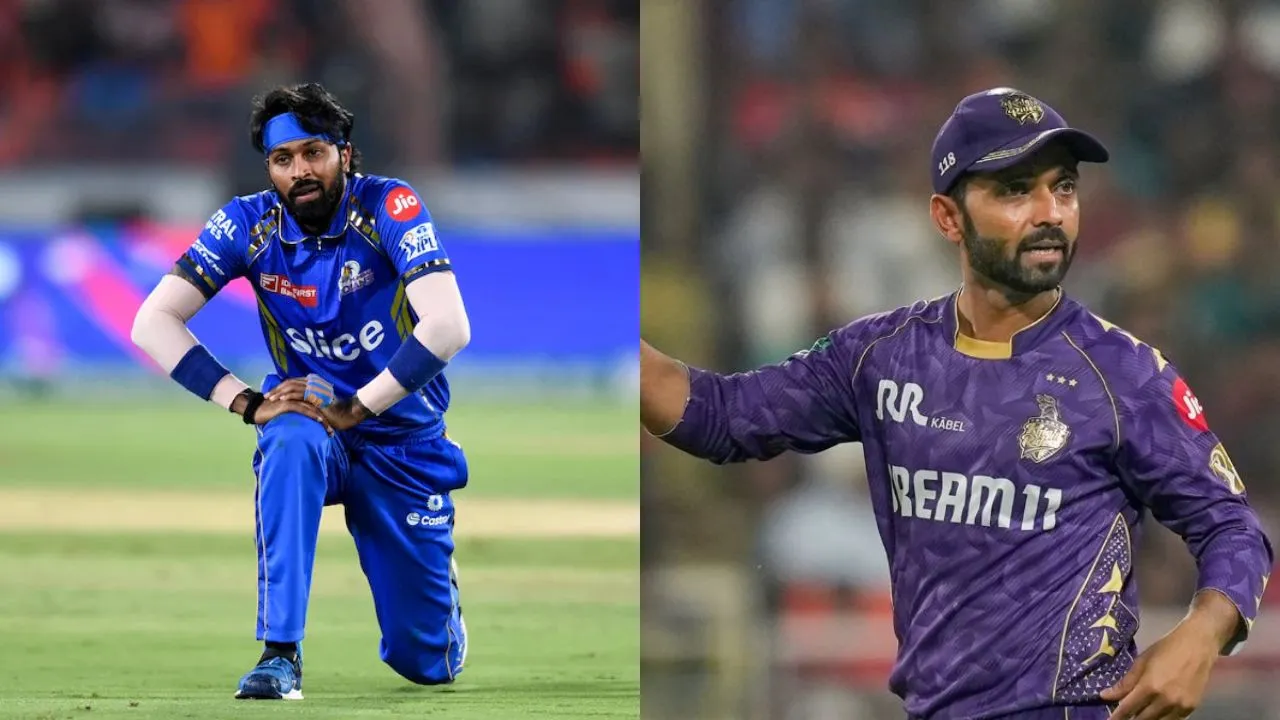
Mumbai Indians Playing XI vs Kolkata Knight Riders Playing XI- Match No. 2 | IPL 2026
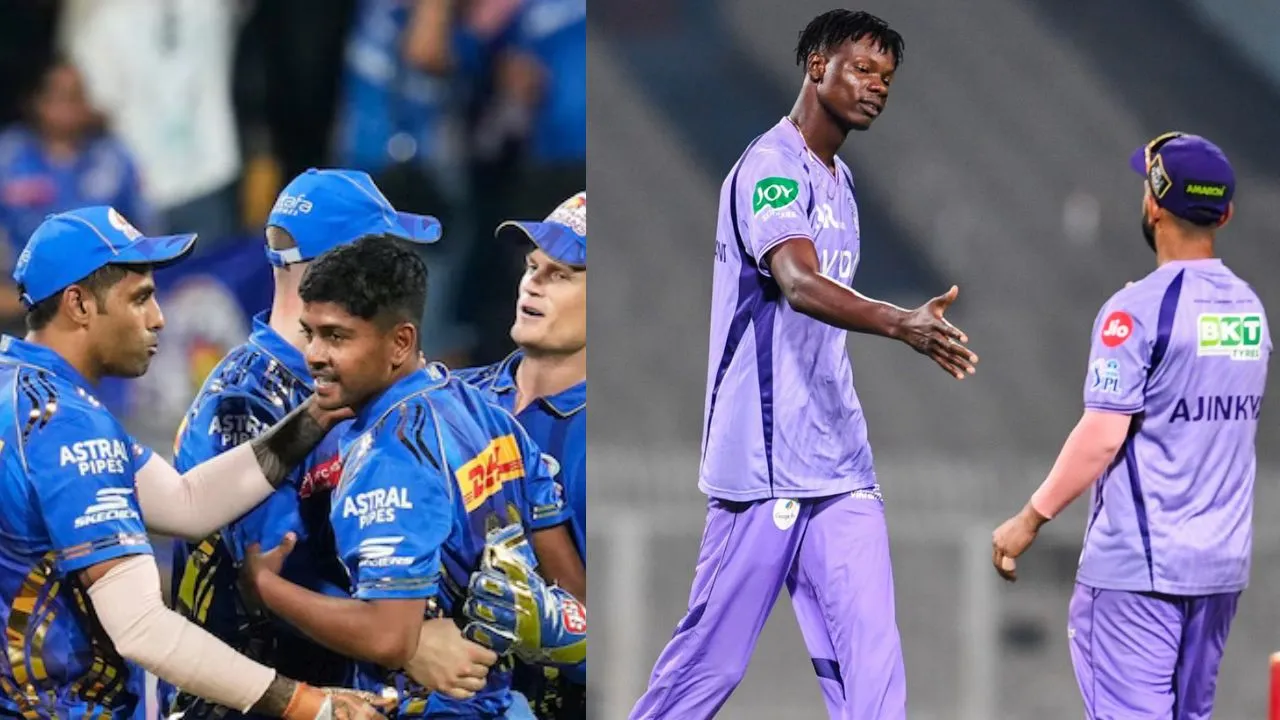
MI vs KKR Match 2 Preview: Free Live Streaming, Pitch & Weather Report, Head-to-Head | IPL 2026
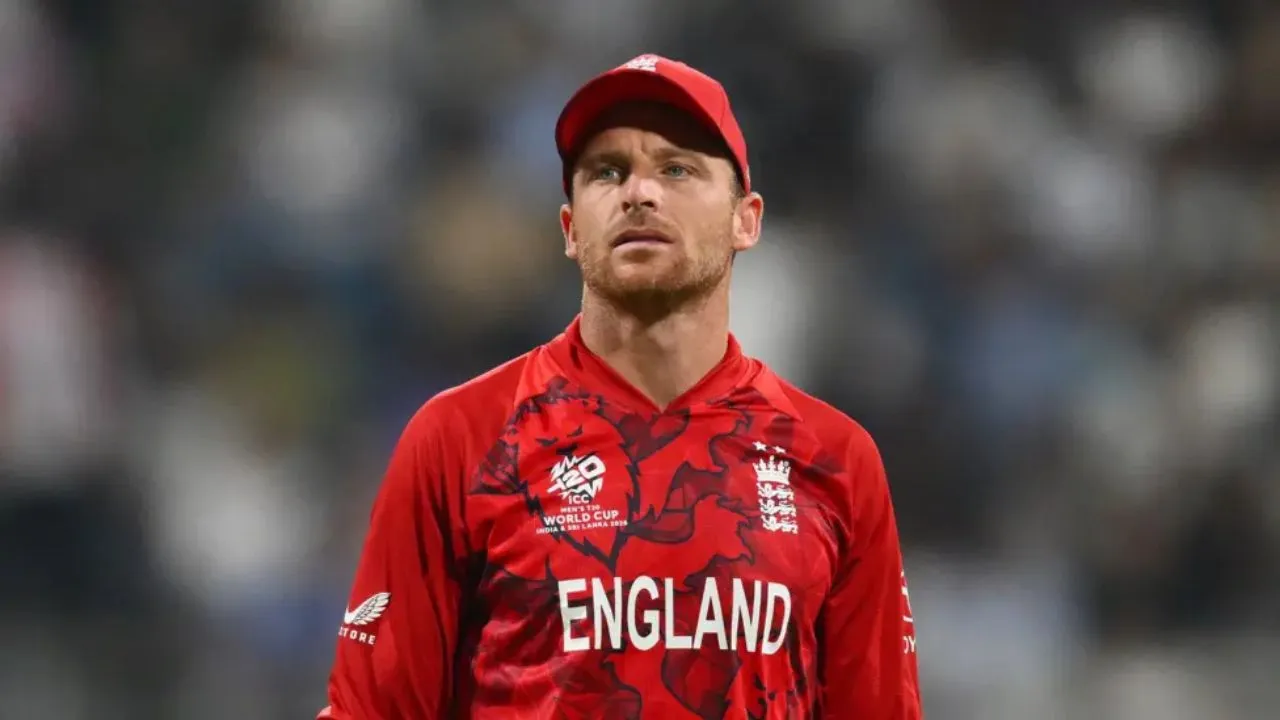
Not English cricket! Jos Buttler credits IPL for his success as a cricketer
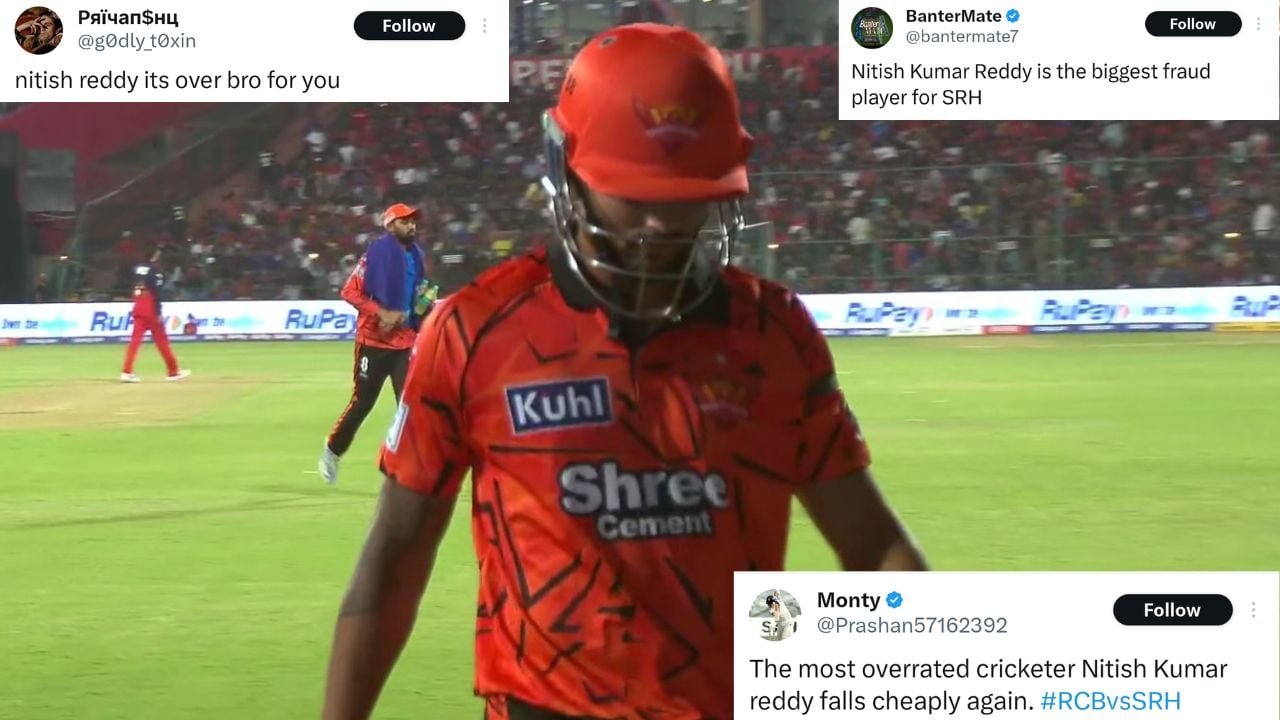
“Nitish Kumar Reddy is biggest fraud”: Fans fume as SRH star fails vs RCB in IPL 2026 opener
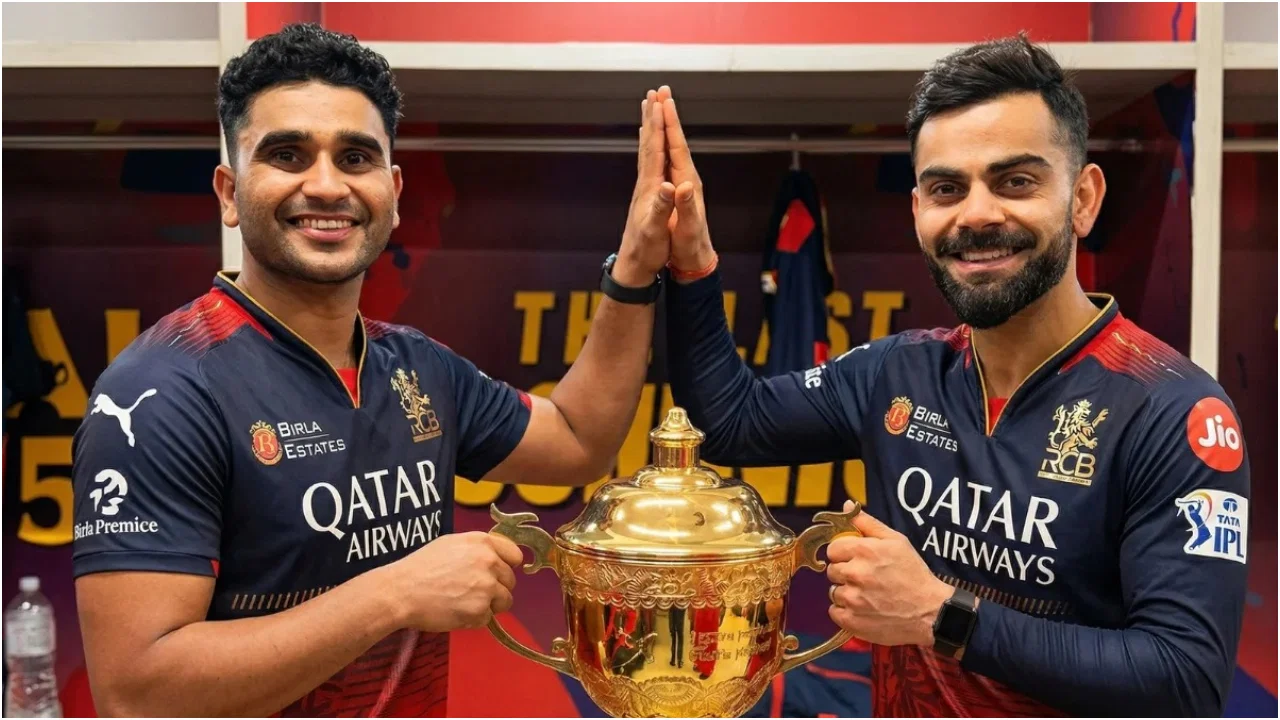
Who is Abhinandan Singh? The Virat Kohli troublemaker who made his IPL debut for RCB vs SRH
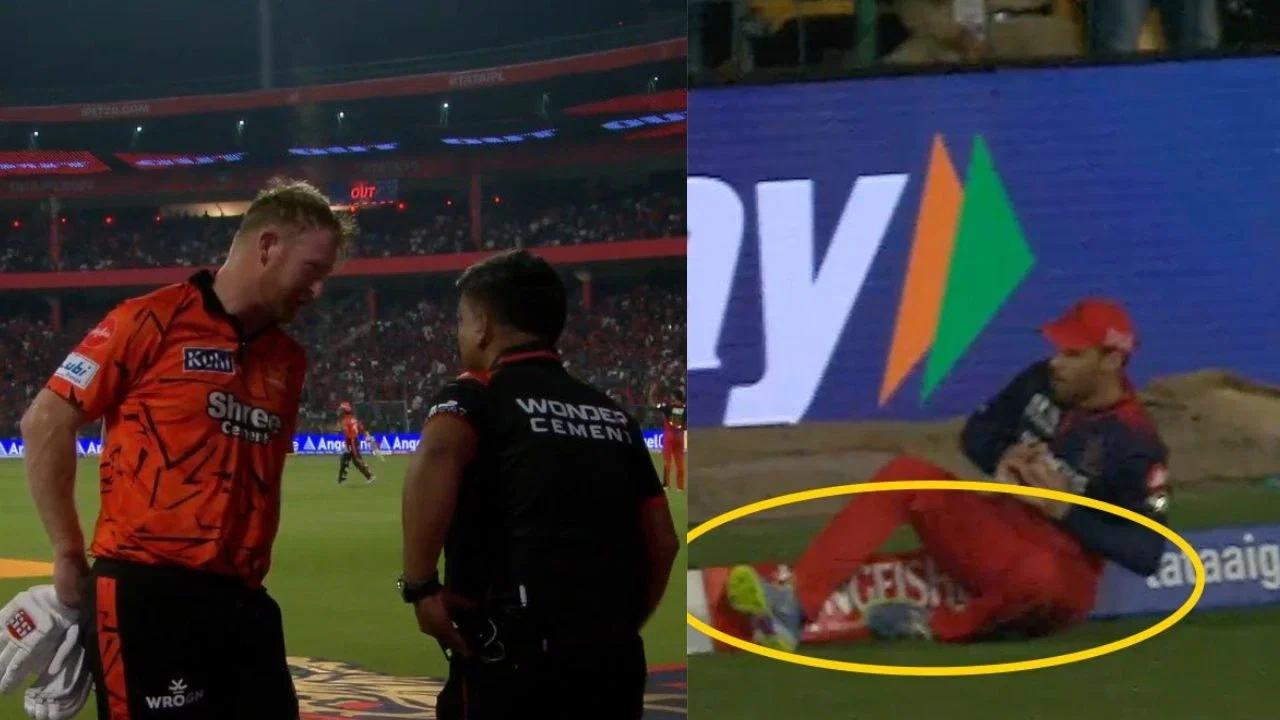
Heinrich Klaasen engages in heated chat with 4th umpire after Phil Salt’s controversial catch in IPL 2026
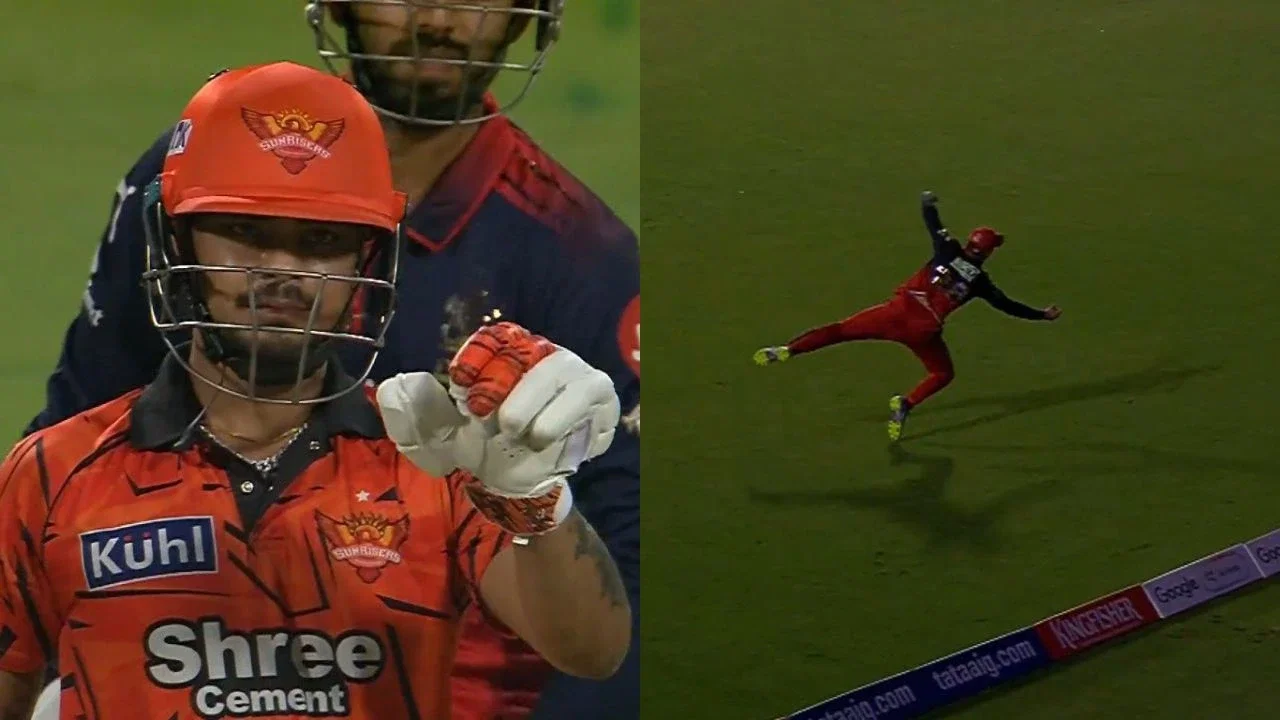
Phil Salt grabs one of the greatest catches in IPL history to dismiss Ishan Kishan
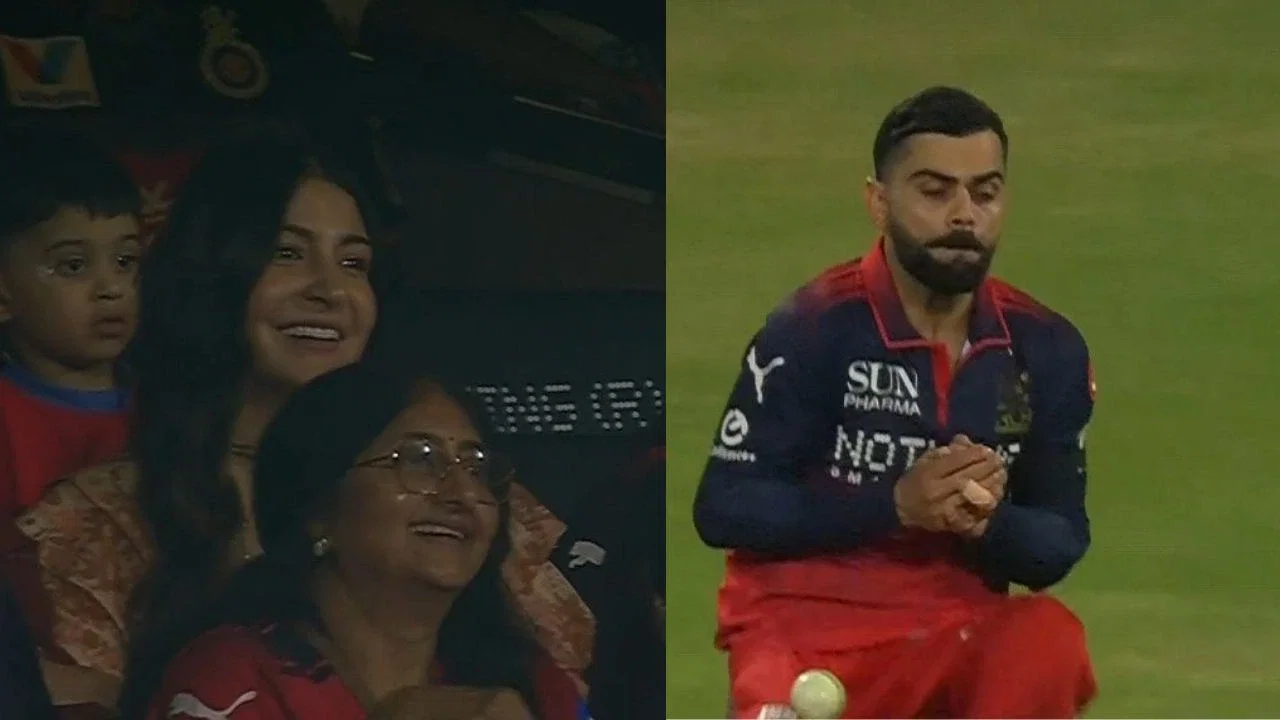
Anushka Sharma laughs as Virat Kohli drops a sitter in RCB vs SRH clash (Watch Video)
Anushka Sharma laughs as Virat Kohli drops a sitter in RCB vs SRH clash (Watch Video)
Anushka Sharma laughs as Virat Kohli drops a sitter in RCB vs SRH clash (Watch Video)
Anushka Sharma laughs as Virat Kohli drops a sitter in RCB vs SRH clash (Watch Video)
Anushka Sharma laughs as Virat Kohli drops a sitter in RCB vs SRH clash (Watch Video)