Monty Panesar Reacts After Usman Khawaja Exposes Racism in Australian Cricket
Race, Culture, and Privilege in Cricket: A Debate Sparked by Monty Panesar and Usman Khawaja
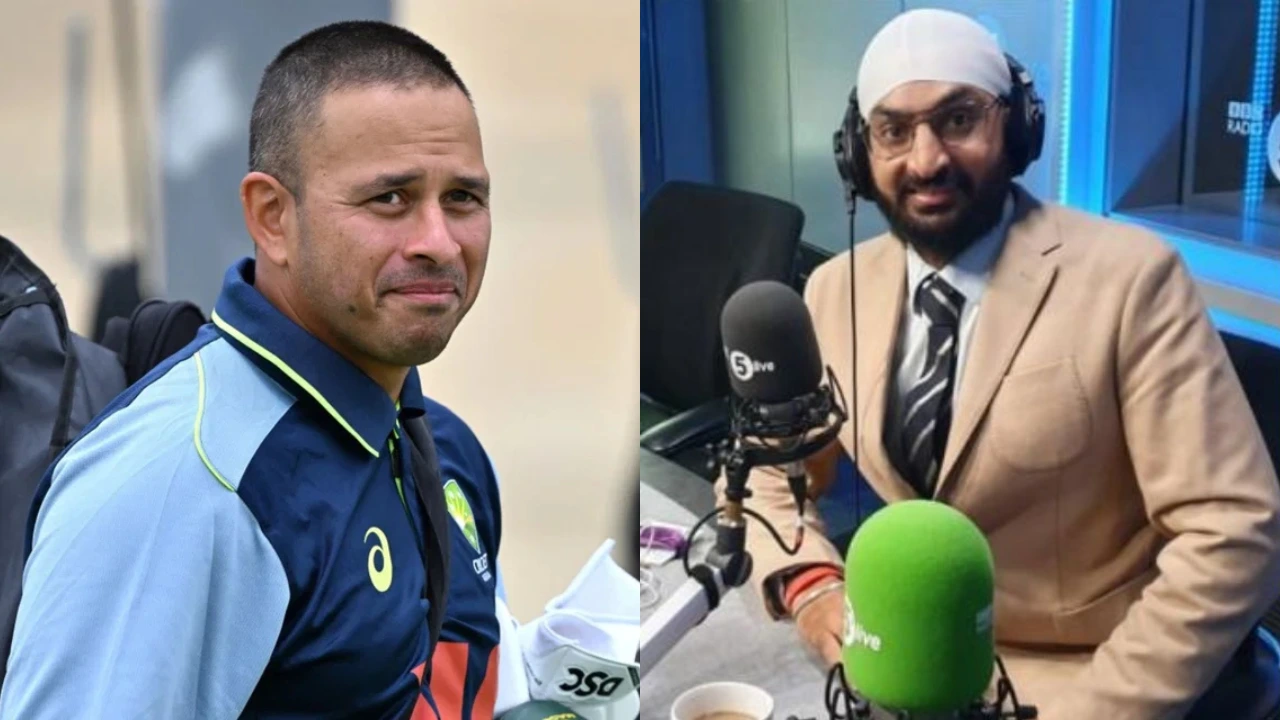
Recently, the cricket world witnessed a heated debate surrounding issues of race, culture, and privilege after former England spinner Monty Panesar expressed his views in response to Usman Khawaja’s emotional revelations about racism in Australian cricket.
Monty Panesar’s Contradictory Perspective
Monty Panesar, a British Asian cricketer who played 50 Tests for England, shared his experience, stating that he had not encountered any racism throughout his career in England. Panesar emphasized that he felt respected and valued within the England setup, with the dressing room environment being welcoming and the support from teammates and the England and Wales Cricket Board (ECB) remaining consistent.
Panesar was quoted as saying, “Thankfully, I never faced any racial discrimination while playing for England. I always received strong support from the team and the board. They were very supportive.”
Usman Khawaja’s Challenges and Struggles
On the other hand, Usman Khawaja, the seasoned Australian opener who recently announced his retirement after the final Ashes Test in Sydney, shared his own experiences of facing stereotypes and harsh treatment in Australian cricket. Despite being part of the highly celebrated national team, Khawaja expressed feeling like an outsider and experiencing differences in treatment.
Khawaja explained, “I’ve always felt a little bit different, even now. I am a colored cricketer, and the Australian cricket team is, in my opinion, the greatest national team. But I’ve also felt very different by the way I’ve been treated and by how certain things have happened.”
Challenges Faced by Usman Khawaja
Khawaja also highlighted a specific incident where he faced intense criticism before the Perth Test due to suffering back spasms after playing golf. The media and former players questioned his commitment, leading to a backlash that Khawaja believed reflected long-standing stereotypes he had encountered throughout his cricketing career.
Reflecting on the incident, Khawaja stated, “The way the media and the past players came out and attacked me, I could have copped it for two days, but I copped it for about five days straight. These are the same racial stereotypes I’ve grown up with my whole life.”
Continuing the Conversation
The contrasting perspectives of Monty Panesar and Usman Khawaja have sparked a broader conversation within the cricketing community about the prevalence of racism, cultural differences, and privilege in the sport. As the debate continues, it is essential for stakeholders to address these issues and work towards creating a more inclusive and supportive environment for all players.
Ultimately, both Panesar and Khawaja’s accounts shed light on the complex dynamics of race and culture within cricket, urging the need for greater awareness, understanding, and solidarity in combating discrimination and promoting diversity in the sport.
Unpacking the Nuances of Racism in Cricket
While Monty Panesar’s positive experience with England cricket reflects progress in combating racism, Usman Khawaja’s challenges within the Australian system highlight ongoing issues that need to be addressed. It is crucial to recognize that individuals may have different experiences based on various factors like their background, visibility, and the overall culture of the team they are a part of.
One aspect that often goes unacknowledged is the subtle forms of racism that can manifest in everyday interactions and decisions. Microaggressions, unconscious biases, and systemic inequalities can impact players’ experiences in ways that may not be immediately apparent. By delving deeper into these nuances, the cricketing community can better understand the multifaceted nature of racism in the sport.
The Role of Privilege and Power Dynamics
Privilege and power dynamics play a significant role in shaping how individuals are treated within cricketing circles. While Panesar’s positive experience may be attributed to the support he received, it is essential to recognize that his visibility as a successful player could have afforded him certain privileges that shielded him from overt racism.
In contrast, Khawaja’s experiences shed light on the challenges faced by players who do not fit the dominant cultural narrative within a team or a country. The intersection of race, culture, and privilege underscores the importance of creating an inclusive environment that values diversity and actively challenges discriminatory behaviors and attitudes.
Moving Towards Greater Inclusivity
As the conversation around race, culture, and privilege in cricket gains momentum, it is imperative for cricket boards, administrators, coaches, and players to take concrete actions to address these issues. Implementing diversity and inclusion training, establishing clear protocols for reporting discrimination, and fostering a culture of respect and understanding are crucial steps towards creating a more inclusive environment for all individuals involved in the sport.
Moreover, providing support structures for players who face discrimination, amplifying diverse voices within the cricketing community, and actively challenging stereotypes and biases are essential components of a comprehensive approach to promoting diversity and inclusivity in cricket.
Conclusion
As the cricket world navigates the complexities of race, culture, and privilege, it is vital to continue engaging in open and honest conversations that lead to meaningful change. By acknowledging the diverse experiences of players like Monty Panesar and Usman Khawaja, the cricketing community can work towards a future where all individuals, regardless of their background, feel valued, respected, and empowered within the sport.
Through collaboration, education, and a commitment to challenging discriminatory practices, cricket has the potential to become a beacon of inclusivity and diversity, setting an example for other sports and industries to follow.
Latest News
Mumbai Indians suffer blow! Mitchell Santner, Will Jacks ruled out of IPL 2026 games
MI vs KKR Match Prediction – Who Will Win Match No.2? | IPL 2026
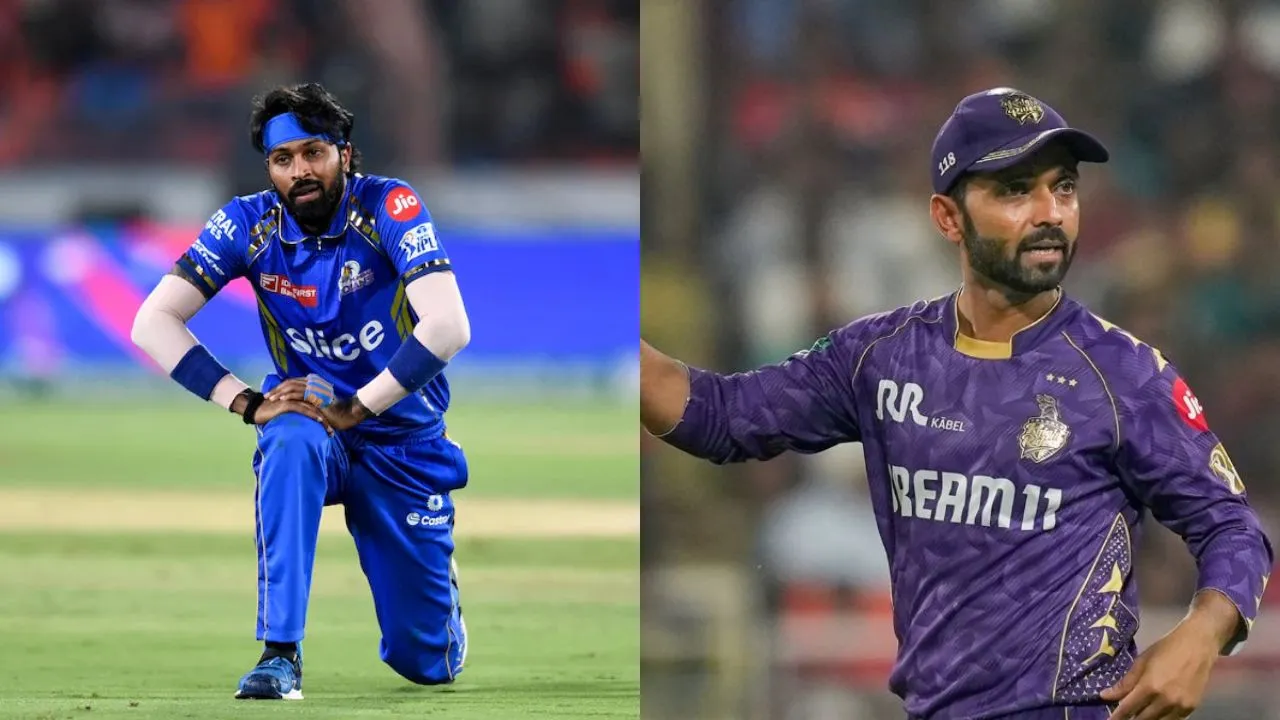
Mumbai Indians Playing XI vs Kolkata Knight Riders Playing XI- Match No. 2 | IPL 2026
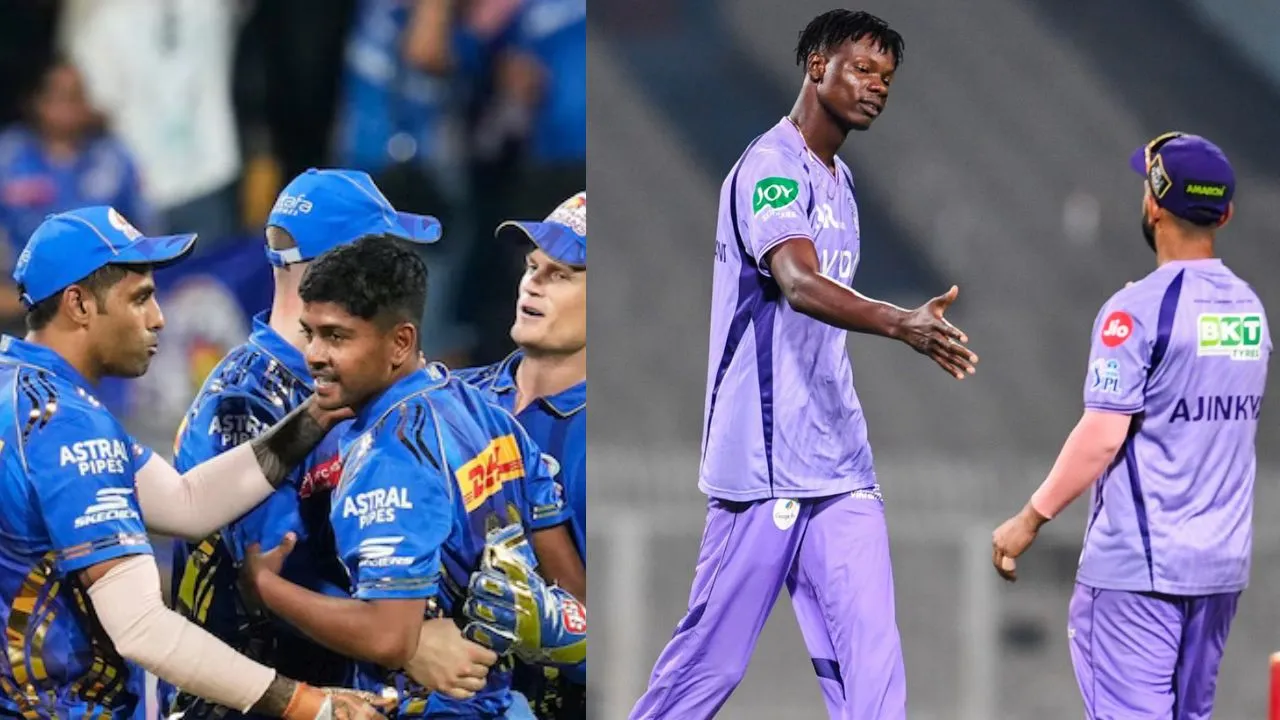
MI vs KKR Match 2 Preview: Free Live Streaming, Pitch & Weather Report, Head-to-Head | IPL 2026
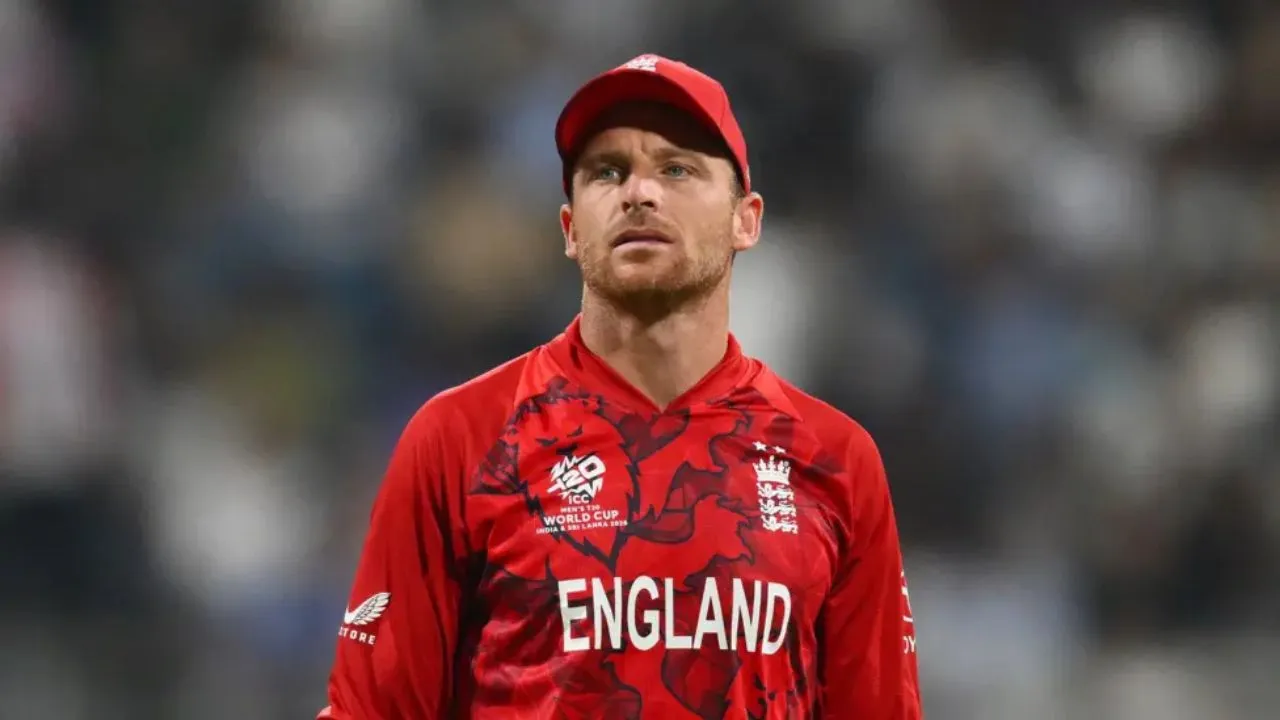
Not English cricket! Jos Buttler credits IPL for his success as a cricketer
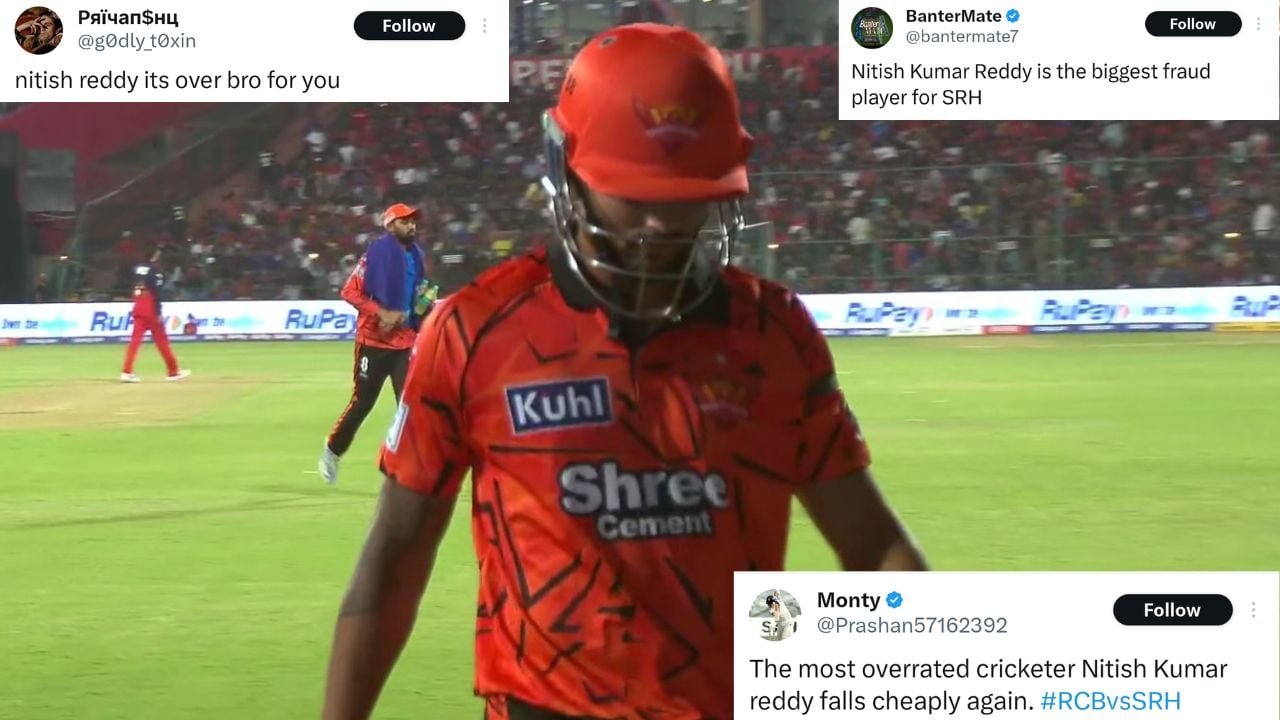
“Nitish Kumar Reddy is biggest fraud”: Fans fume as SRH star fails vs RCB in IPL 2026 opener
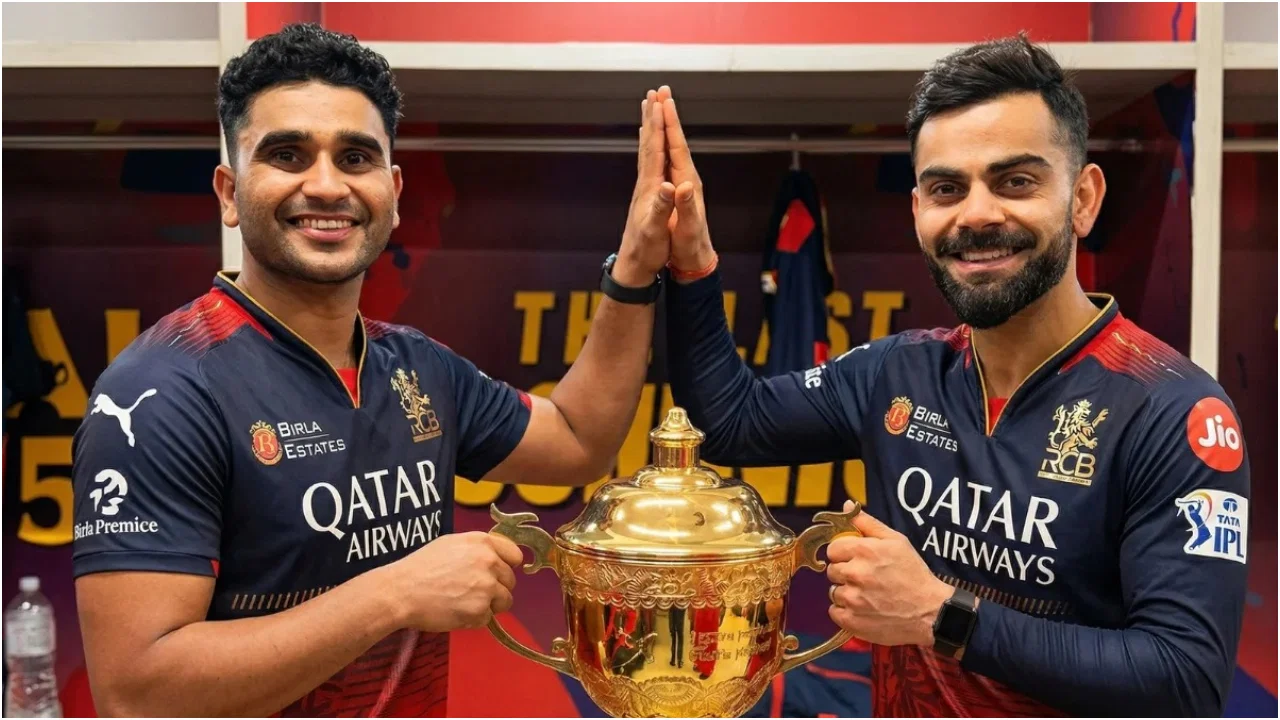
Who is Abhinandan Singh? The Virat Kohli troublemaker who made his IPL debut for RCB vs SRH
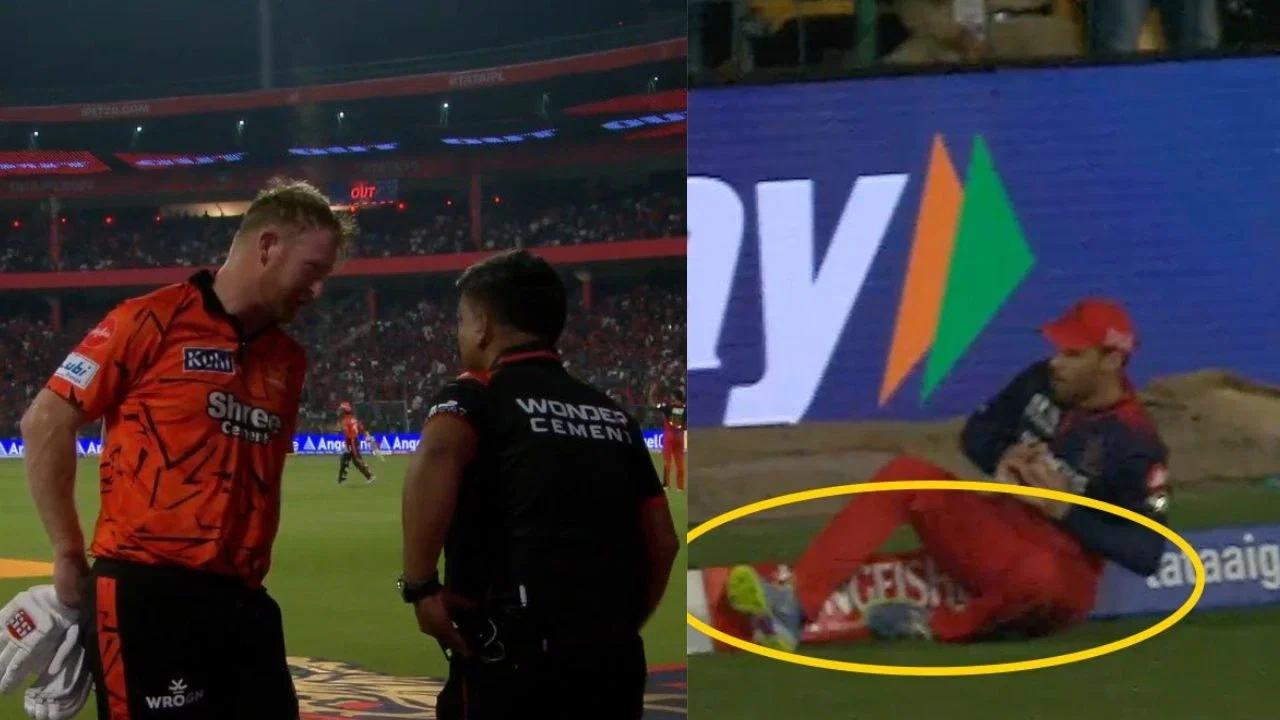
Heinrich Klaasen engages in heated chat with 4th umpire after Phil Salt’s controversial catch in IPL 2026
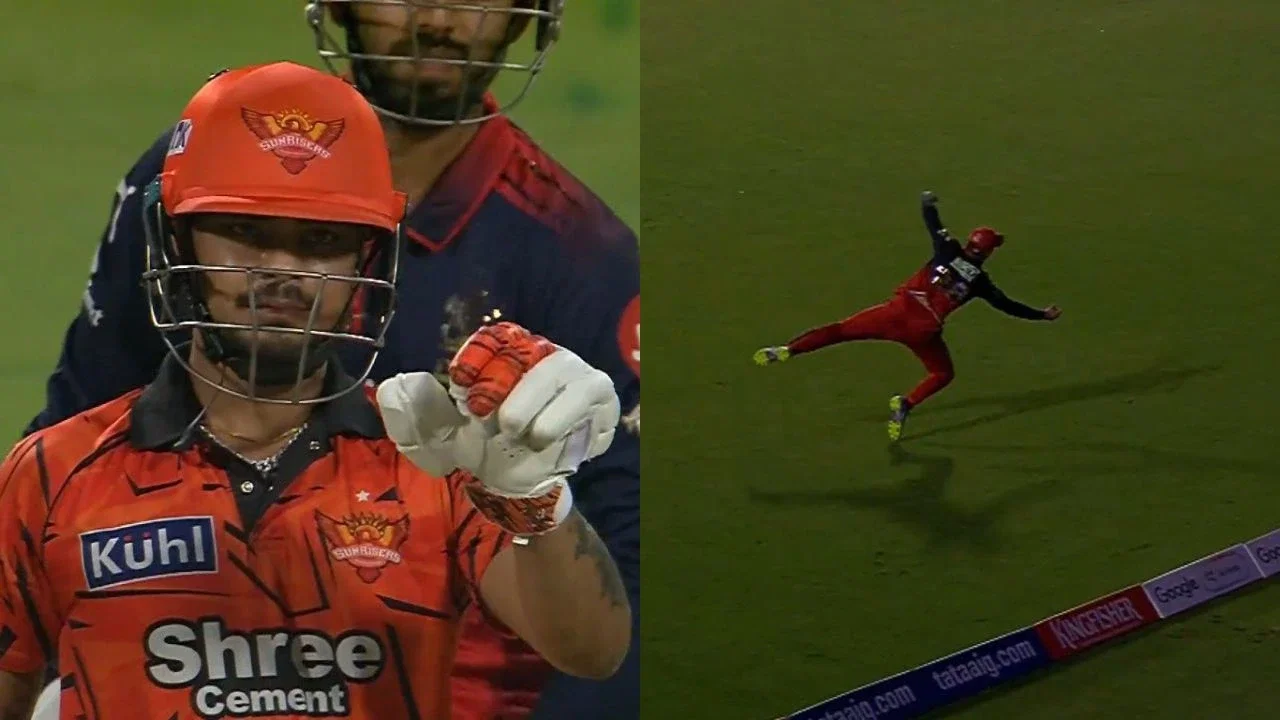
Phil Salt grabs one of the greatest catches in IPL history to dismiss Ishan Kishan
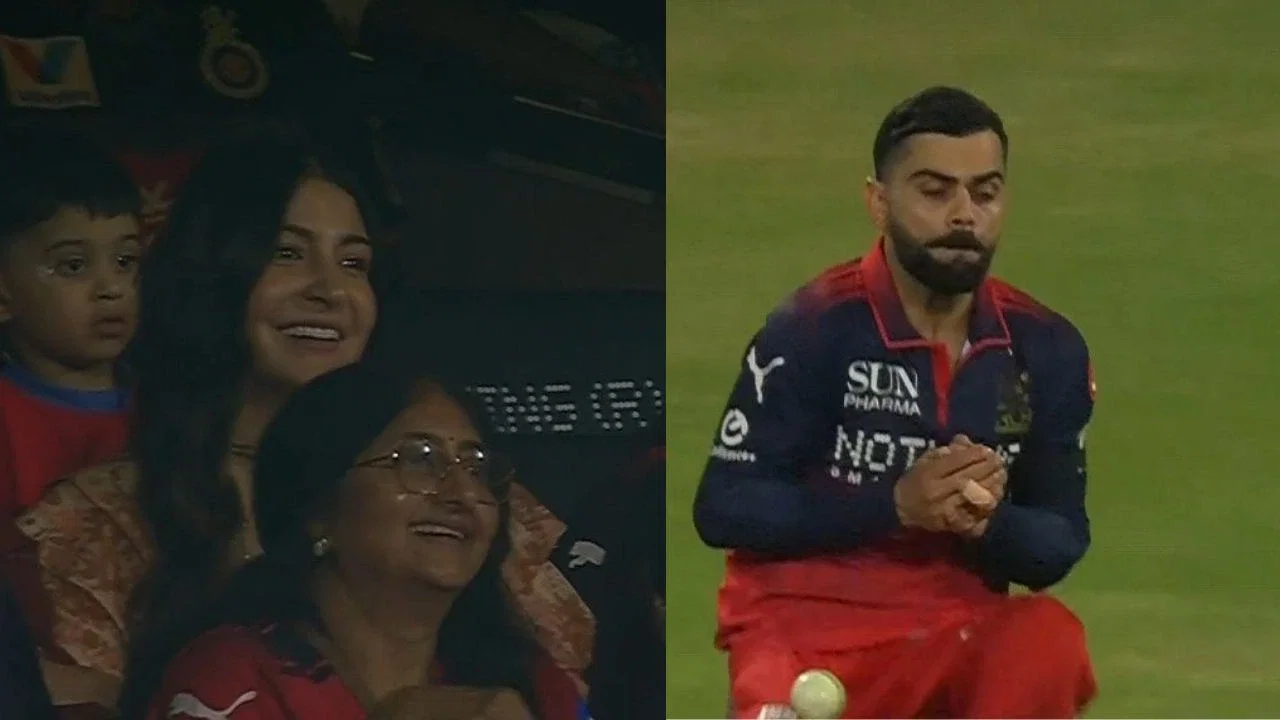
Anushka Sharma laughs as Virat Kohli drops a sitter in RCB vs SRH clash (Watch Video)
Anushka Sharma laughs as Virat Kohli drops a sitter in RCB vs SRH clash (Watch Video)
Anushka Sharma laughs as Virat Kohli drops a sitter in RCB vs SRH clash (Watch Video)
Anushka Sharma laughs as Virat Kohli drops a sitter in RCB vs SRH clash (Watch Video)
Anushka Sharma laughs as Virat Kohli drops a sitter in RCB vs SRH clash (Watch Video)