Monty Panesar Reacts After Usman Khawaja Exposes Racism in Australian Cricket
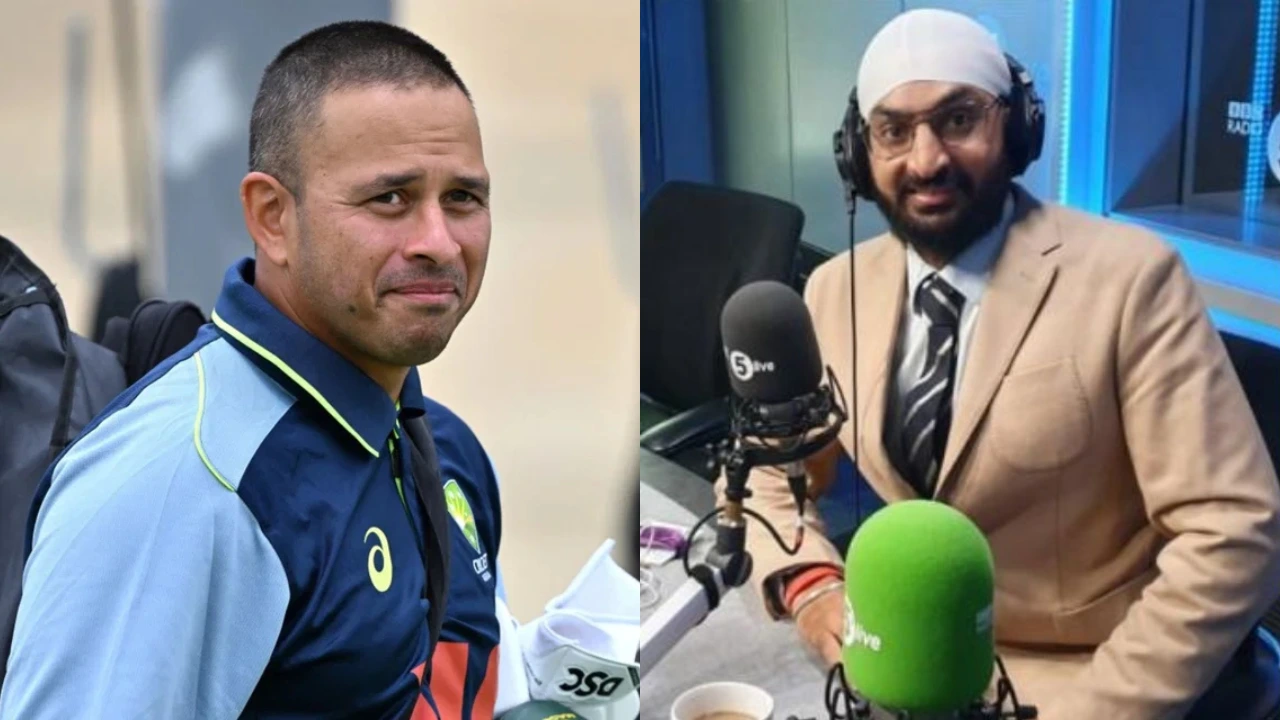
Monty Panesar and Usman Khawaja: Perspectives on Racism in Cricket
A heated debate has ignited in the cricket world surrounding issues of race, culture, and privilege following former England spinner Monty Panesar’s response to Usman Khawaja’s emotional remarks regarding racism in Australian cricket. The contrasting viewpoints of these two seasoned cricketers have shed light on the complexities of diversity and inclusion within the sport.
Monty Panesar’s Contradictory View
Monty Panesar, a British Asian cricketer who represented England in 50 Test matches, has challenged the growing narrative of racism in cricket, particularly within the England and Wales Cricket Board (ECB) setup. Panesar shared that throughout his international career, he never encountered any instances of racial discrimination. He emphasized feeling respected and valued within the England team, highlighting the welcoming nature of the dressing room environment and the unwavering support he received from his teammates and the ECB.
Panesar expressed his gratitude, stating, “Thankfully, I never faced any racial discrimination while playing for England. I always received strong support from the team and the board. They were very supportive.”
Usman Khawaja’s Struggles and Criticisms
In contrast, Australian opener Usman Khawaja has recently opened up about the challenges he has faced in Australian cricket, citing stereotypes and harsh treatment. Despite being a prominent member of the Australian national team, Khawaja revealed that he often felt like an outsider and faced discrimination based on his ethnicity.
Khawaja recounted a specific incident before the Perth Test where he was criticized for playing golf before experiencing back spasms that affected his performance. The backlash from the media and former players led Khawaja to reflect on the racial stereotypes he has encountered throughout his career, emphasizing the need for greater inclusivity and understanding within the cricketing community.
Reflecting on his experiences, Khawaja stated, “I’ve always felt a little bit different, even now. I am a colored cricketer, and the Australian cricket team is, in my opinion, the greatest national team. But I’ve also felt very different by the way I’ve been treated and by how certain things have happened.”
Looking Towards a More Inclusive Future
The contrasting perspectives of Monty Panesar and Usman Khawaja highlight the ongoing conversations surrounding racism and diversity in cricket. As the sport continues to evolve, it is essential for players, administrators, and fans to work towards creating a more inclusive and equitable environment where individuals from all backgrounds feel valued and respected.
By addressing these complex issues and fostering open dialogue, cricket can become a more welcoming space for players of diverse ethnicities and cultures, ensuring that everyone has the opportunity to thrive and succeed on the field.
The Impact of Social Media on Racism in Cricket
With the rise of social media, incidents of racism and discrimination in cricket have come under increased scrutiny. Players now have a platform to share their experiences and call out instances of prejudice, shining a light on issues that may have previously gone unnoticed or unaddressed. Usman Khawaja’s decision to speak out about his experiences is a prime example of how social media can be a powerful tool in raising awareness and driving change within the cricketing community.
Conversely, the presence of social media also exposes players to online abuse and hateful comments based on their race or ethnicity. This digital discrimination can have a profound impact on players’ mental health and well-being, further highlighting the need for a more inclusive and supportive environment within cricket. Organizations like the ECB and Cricket Australia are increasingly taking steps to combat online racism and create safe spaces for players to share their stories without fear of backlash or harassment.
Addressing Unconscious Bias in Cricket
While overt acts of racism are often condemned, unconscious bias remains a prevalent issue within cricket and other sports. Unconscious bias refers to the stereotypes and prejudices that individuals may hold without being consciously aware of them, leading to unintentional discrimination. By acknowledging and addressing unconscious bias, cricket organizations can work towards creating a more inclusive and equitable playing field for all athletes.
Training programs and workshops focused on diversity and inclusion can help players, coaches, and administrators recognize their biases and learn how to counteract them. By fostering awareness and empathy, cricket can become a more welcoming and respectful environment for players from diverse backgrounds. Usman Khawaja’s experiences serve as a reminder of the importance of challenging assumptions and stereotypes that may limit opportunities for cricketers of color.
Embracing Cultural Diversity in Cricket
Cricket is a global sport that transcends borders and brings together players from various cultural backgrounds. Embracing this diversity enriches the game and allows for the exchange of different perspectives, skills, and playing styles. By celebrating cultural diversity, cricket can become a more vibrant and dynamic sport that reflects the richness of its global fan base.
Organizations like the International Cricket Council (ICC) are increasingly promoting inclusivity and cultural awareness within the sport. Initiatives such as cultural exchange programs, language classes, and heritage celebrations help players connect with their roots and foster a sense of unity and camaraderie among teams. By embracing cultural diversity, cricket can break down barriers and create a sense of belonging for all players, regardless of their background.
Conclusion
The contrasting perspectives of Monty Panesar and Usman Khawaja shed light on the complexities of racism, diversity, and inclusion within cricket. While Panesar’s positive experiences highlight progress in creating a supportive environment for players of all backgrounds, Khawaja’s struggles serve as a reminder of the work that still needs to be done to combat discrimination and promote inclusivity in the sport.
By addressing issues of unconscious bias, embracing cultural diversity, and leveraging the power of social media, cricket can continue to evolve into a more welcoming and equitable space for players from diverse backgrounds. It is through open dialogue, education, and a commitment to change that cricket can truly become a sport where everyone feels valued, respected, and empowered to succeed.
Latest News
Mumbai Indians suffer blow! Mitchell Santner, Will Jacks ruled out of IPL 2026 games
MI vs KKR Match Prediction – Who Will Win Match No.2? | IPL 2026
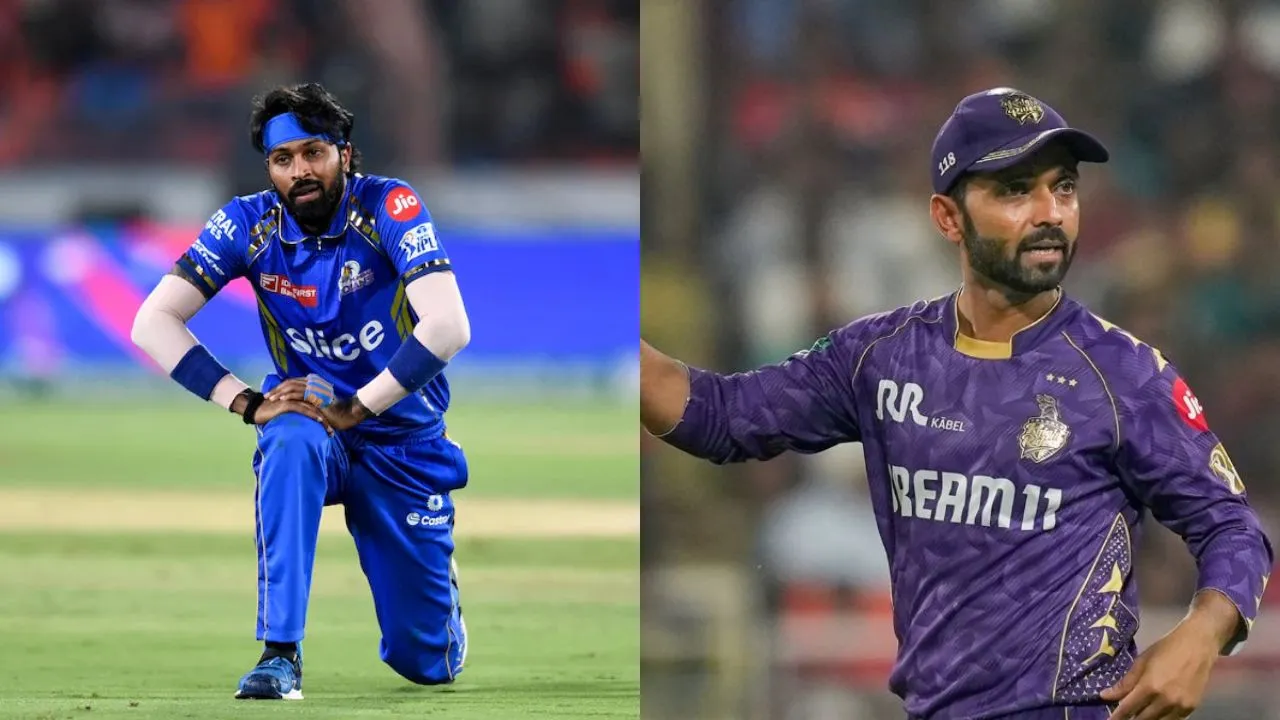
Mumbai Indians Playing XI vs Kolkata Knight Riders Playing XI- Match No. 2 | IPL 2026
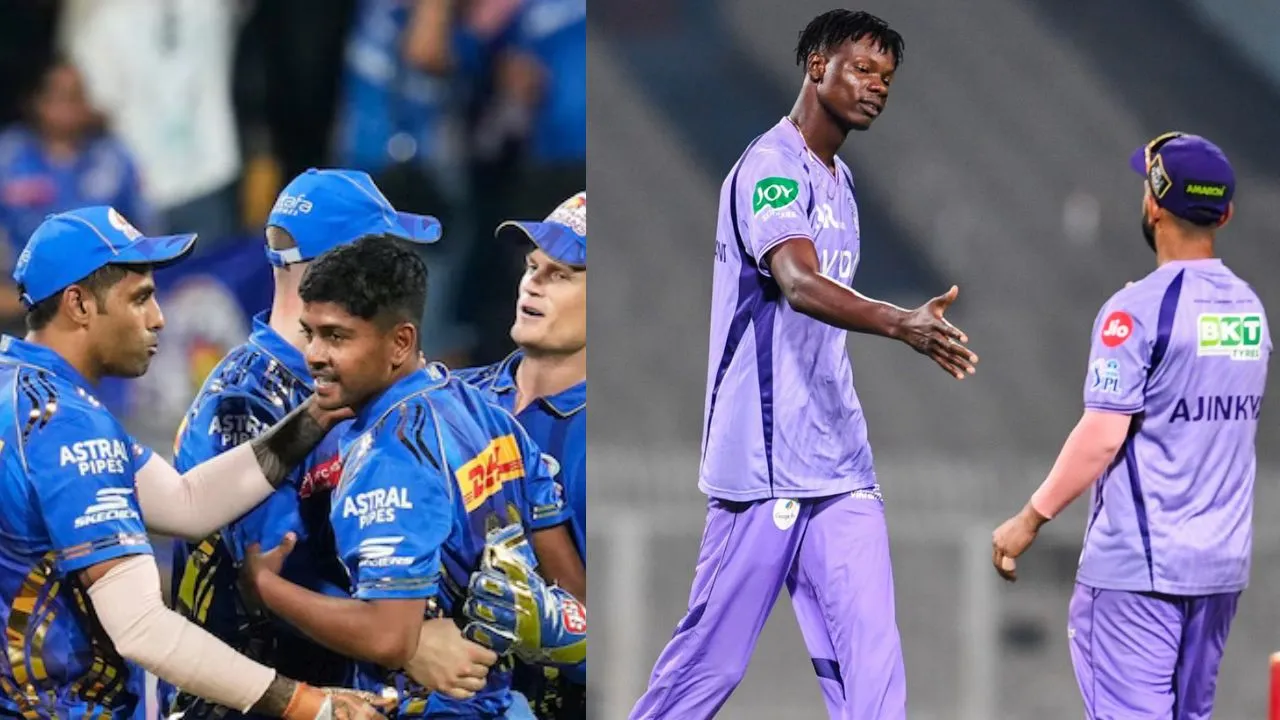
MI vs KKR Match 2 Preview: Free Live Streaming, Pitch & Weather Report, Head-to-Head | IPL 2026
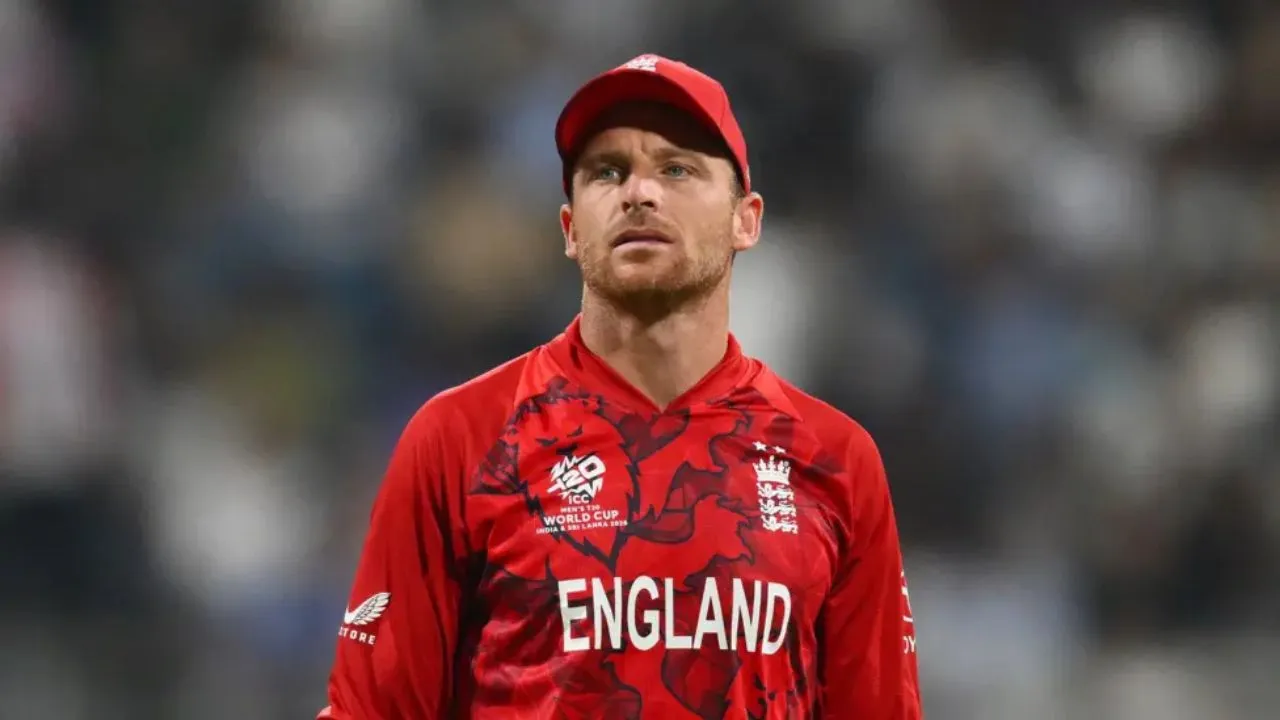
Not English cricket! Jos Buttler credits IPL for his success as a cricketer
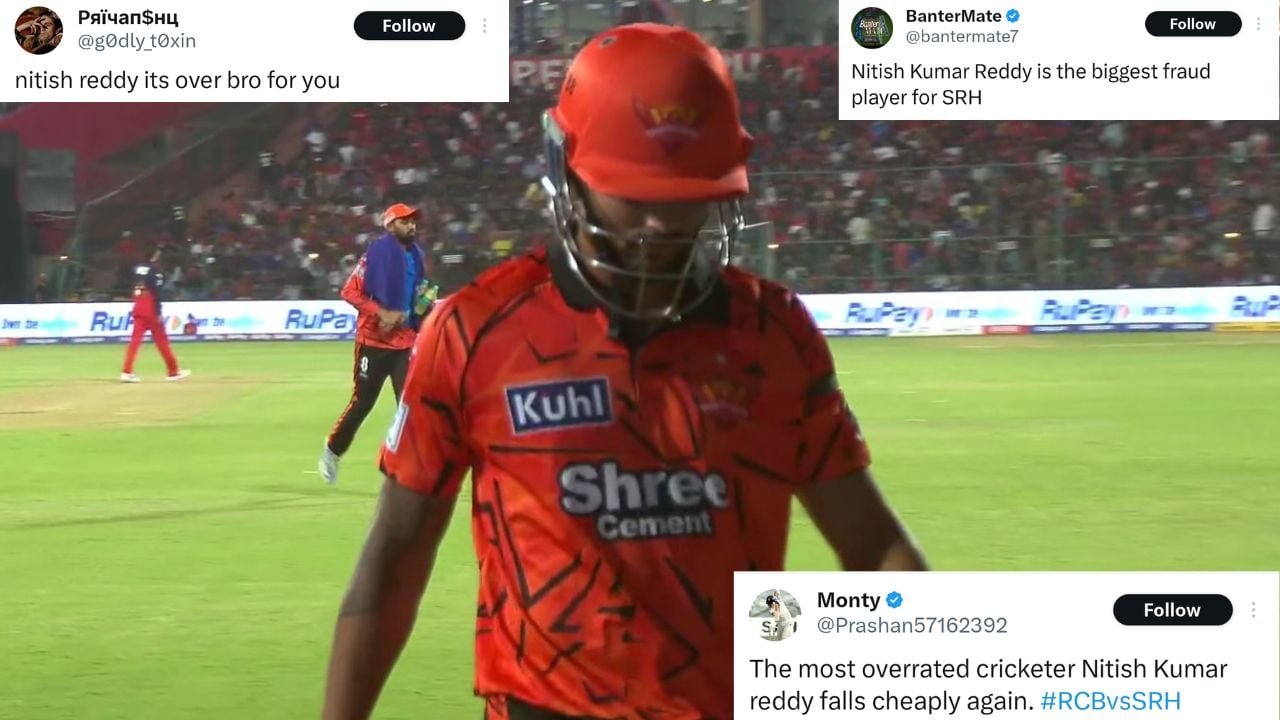
“Nitish Kumar Reddy is biggest fraud”: Fans fume as SRH star fails vs RCB in IPL 2026 opener
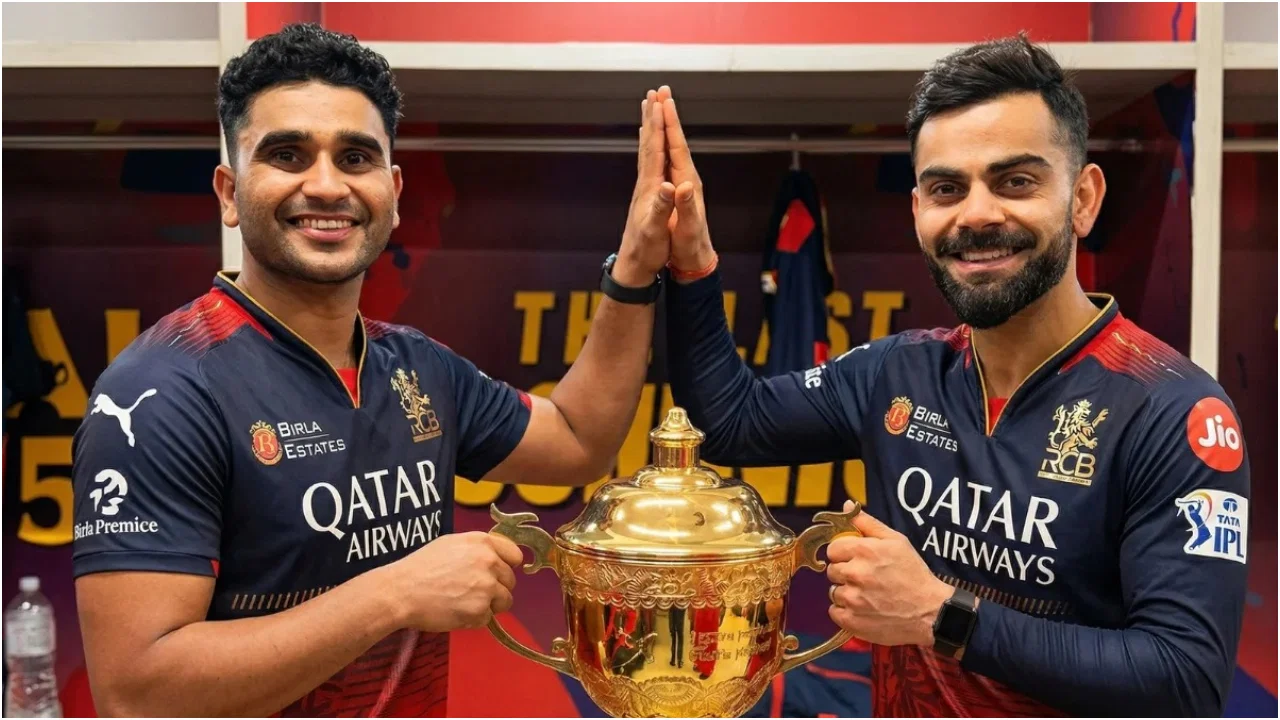
Who is Abhinandan Singh? The Virat Kohli troublemaker who made his IPL debut for RCB vs SRH
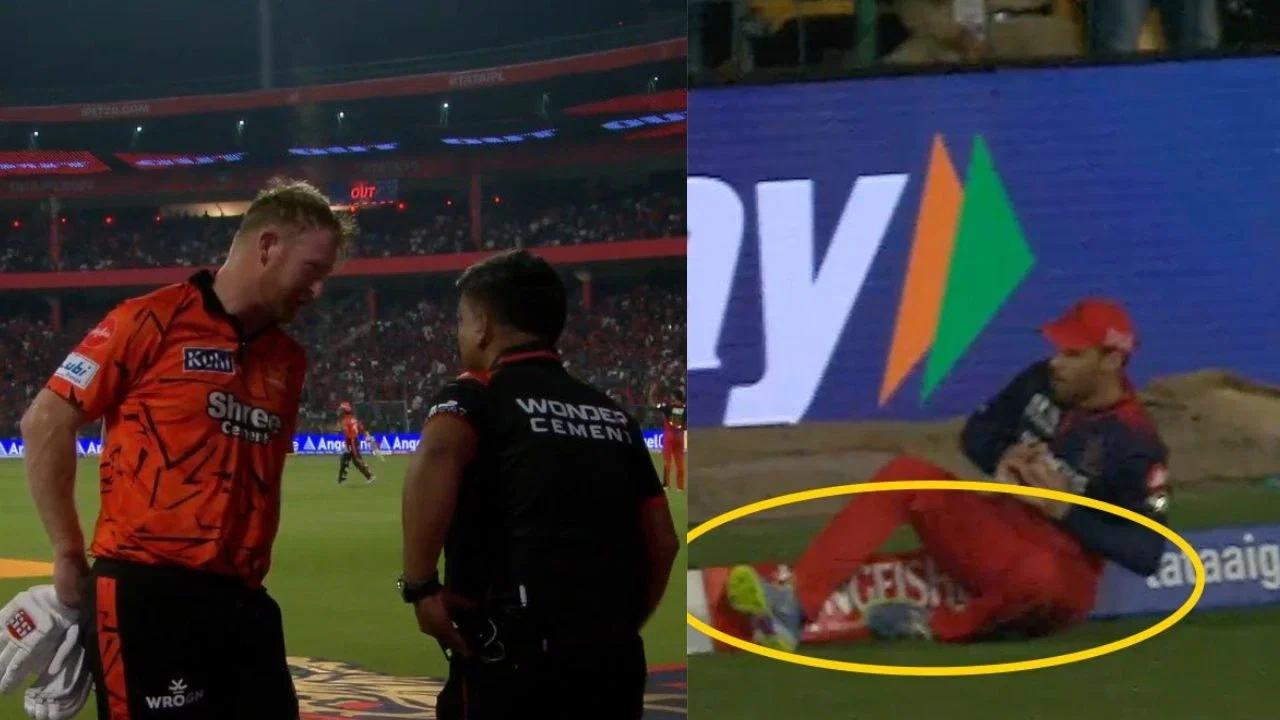
Heinrich Klaasen engages in heated chat with 4th umpire after Phil Salt’s controversial catch in IPL 2026
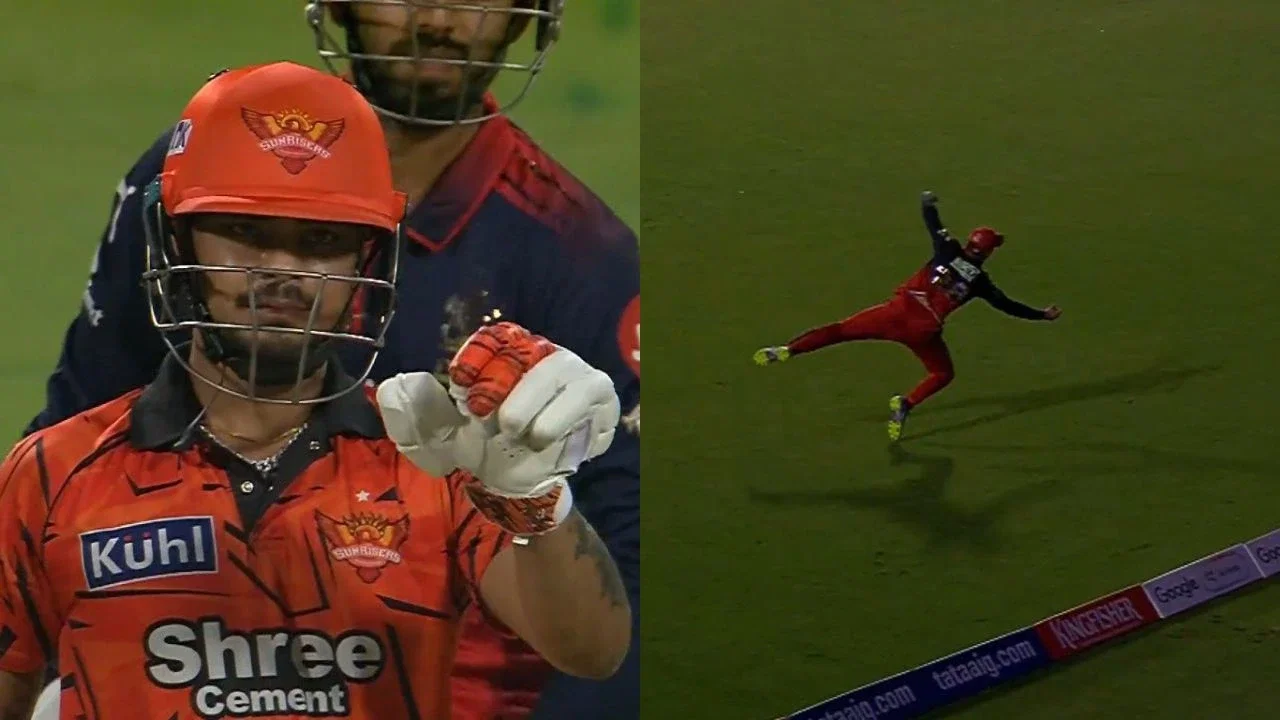
Phil Salt grabs one of the greatest catches in IPL history to dismiss Ishan Kishan
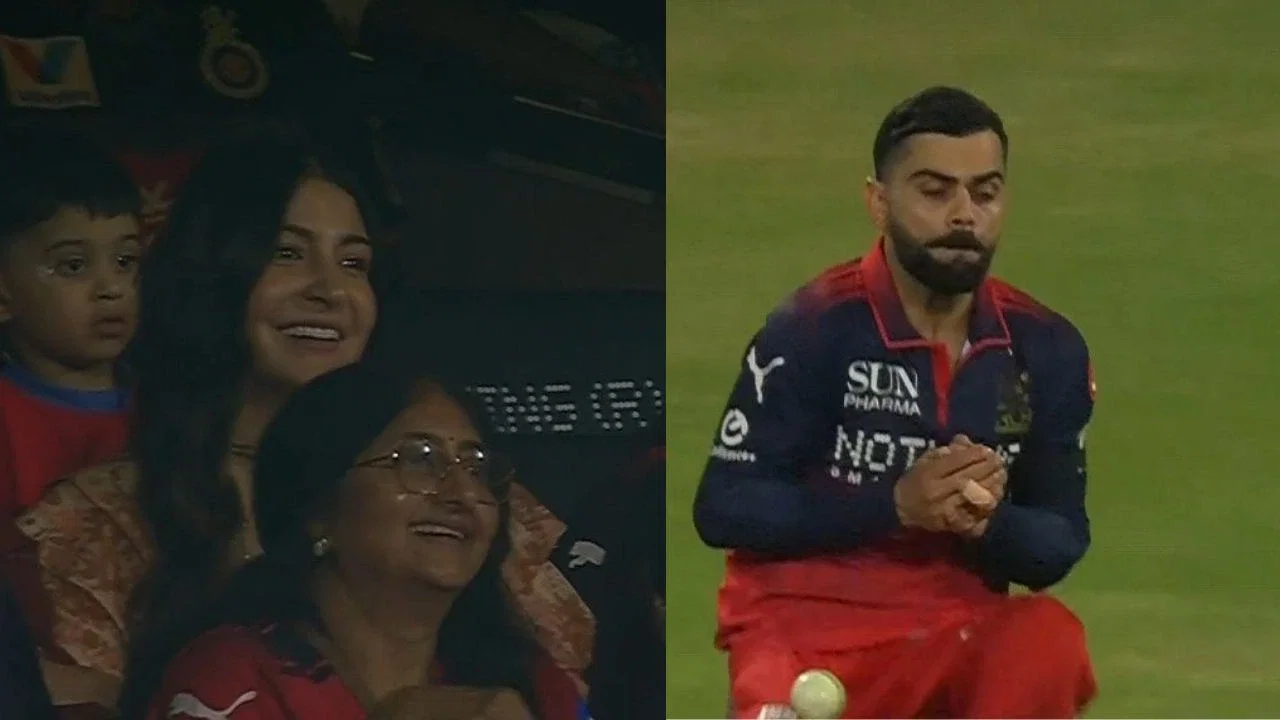
Anushka Sharma laughs as Virat Kohli drops a sitter in RCB vs SRH clash (Watch Video)
Anushka Sharma laughs as Virat Kohli drops a sitter in RCB vs SRH clash (Watch Video)
Anushka Sharma laughs as Virat Kohli drops a sitter in RCB vs SRH clash (Watch Video)
Anushka Sharma laughs as Virat Kohli drops a sitter in RCB vs SRH clash (Watch Video)
Anushka Sharma laughs as Virat Kohli drops a sitter in RCB vs SRH clash (Watch Video)