

Monty Panesar Reacts After Usman Khawaja Exposes Racism in Australian Cricket
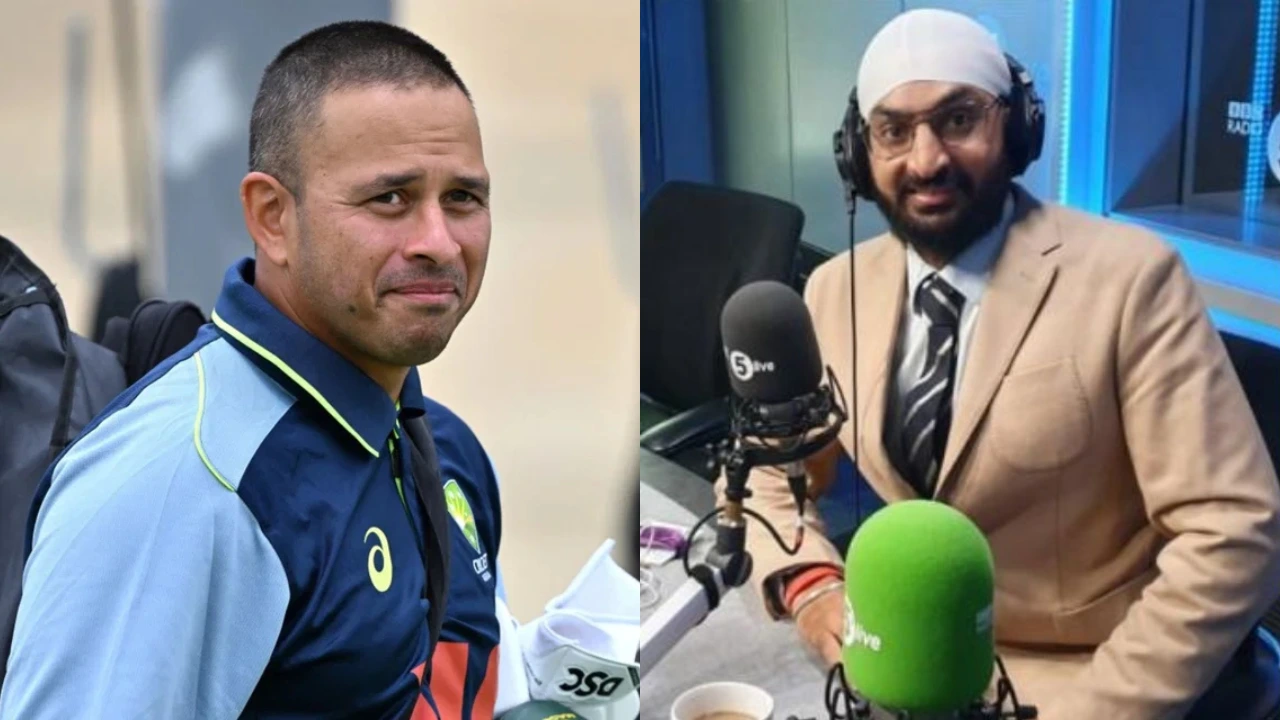
Monty Panesar and Usman Khawaja Engage in Heated Debate Over Racism in Cricket
Former England Spinner Monty Panesar Challenges Usman Khawaja’s Claims
A recent controversy has erupted in the cricket world surrounding discussions about race, culture, and privilege. The debate was sparked after seasoned Australian opener Usman Khawaja spoke out about facing stereotypes and harsh treatment in Australian cricket. In response to Khawaja’s emotional revelations, former England spinner Monty Panesar presented a contradictory view, claiming that he had not experienced any racism throughout his career in England.
Monty Panesar’s Contradictory Perspective
In a statement to IANS, Monty Panesar reflected on his time playing for England, where he participated in 50 Tests. Panesar expressed that he always felt respected and valued within the England setup. He highlighted that the dressing room environment was welcoming, and he received consistent support from teammates and the England and Wales Cricket Board (ECB).
Panesar stated, “Thankfully, I never faced any racial discrimination while playing for England. I always received strong support from the team and the board. They were very supportive.” This stands in contrast to Usman Khawaja’s recent claims about the challenges he faced as a person of color in Australian cricket.
Usman Khawaja’s Revelations
Usman Khawaja recently announced his retirement from cricket after the final Ashes Test in Sydney. Prior to his retirement, he opened up about the struggles he encountered throughout his career. Despite being part of the prestigious Australian cricket team, Khawaja revealed that he often felt like an outsider and faced stereotypes and criticism.
Khawaja expressed, “I’ve always felt a little bit different, even now. I am a colored cricketer, and the Australian cricket team is, in my opinion, the greatest national team. But I’ve also felt very different by the way I’ve been treated and by how certain things have happened.”
Challenges Faced by Usman Khawaja
One incident that stood out was ahead of the Perth Test when Khawaja had to deal with back spasms after playing golf. This led to intense criticism from the media and former players questioning his commitment to the team. Khawaja believed that this backlash was rooted in long-standing racial stereotypes that he had faced throughout his years in cricket.
Khawaja remarked, “These are the same racial stereotypes I’ve grown up with my whole life. We obviously haven’t fully moved past them, because I’ve never seen anyone being treated like that in the Australian cricket team before, not for the uncontrollable way you guys went at me.”
As the cricket world continues to grapple with issues of race and privilege, the debate between Monty Panesar and Usman Khawaja highlights the importance of addressing systemic inequalities and discrimination within the sport.
Addressing Systemic Racism in Cricket
While Monty Panesar may have had a positive experience during his time playing cricket in England, it is essential to recognize that his perspective does not invalidate the struggles faced by other players of color like Usman Khawaja. Each individual’s experience is unique, and it is crucial to listen to and acknowledge the diverse voices within the cricket community.
Usman Khawaja’s candid reflections shed light on the pervasive issue of systemic racism that continues to exist in cricket and other sports. The incidents he described, such as facing criticism based on racial stereotypes, highlight the need for greater awareness and education to combat discriminatory behaviors within the sport.
Diversity and Inclusion Initiatives in Cricket
Cricket boards and governing bodies must prioritize diversity and inclusion initiatives to create a more equitable and welcoming environment for players of all backgrounds. By implementing training programs, cultural sensitivity workshops, and anti-discrimination policies, cricket organizations can work towards fostering a more inclusive culture that values diversity.
Additionally, increasing representation of individuals from diverse backgrounds in leadership positions within cricket can help drive meaningful change and ensure that the sport is accessible and welcoming to all aspiring players, regardless of their race or ethnicity.
Standing Up Against Racism
It is crucial for players, coaches, fans, and officials to actively stand up against racism in all its forms. By promoting a zero-tolerance policy towards discrimination and prejudice, the cricket community can send a powerful message that racism has no place in the sport.
Encouraging open discussions, promoting empathy, and fostering a culture of respect and inclusivity can help create a more supportive and harmonious environment for everyone involved in cricket, from grassroots levels to the professional circuit.
Continuing the Conversation
The debate between Monty Panesar and Usman Khawaja serves as a reminder of the ongoing work needed to address issues of race, privilege, and discrimination in cricket. It is essential for stakeholders within the sport to continue engaging in meaningful dialogue, listening to diverse perspectives, and taking concrete actions to promote equality and social justice.
By amplifying the voices of marginalized communities, advocating for systemic change, and fostering a more inclusive and equitable playing field, cricket can become a beacon of diversity and unity, where every player is valued, respected, and celebrated for their unique contributions to the game.
As the cricket world evolves, it is imperative to embrace diversity, challenge prejudice, and create a more inclusive sporting environment where every individual, regardless of their background, feels empowered and supported to excel on and off the field.
Latest News
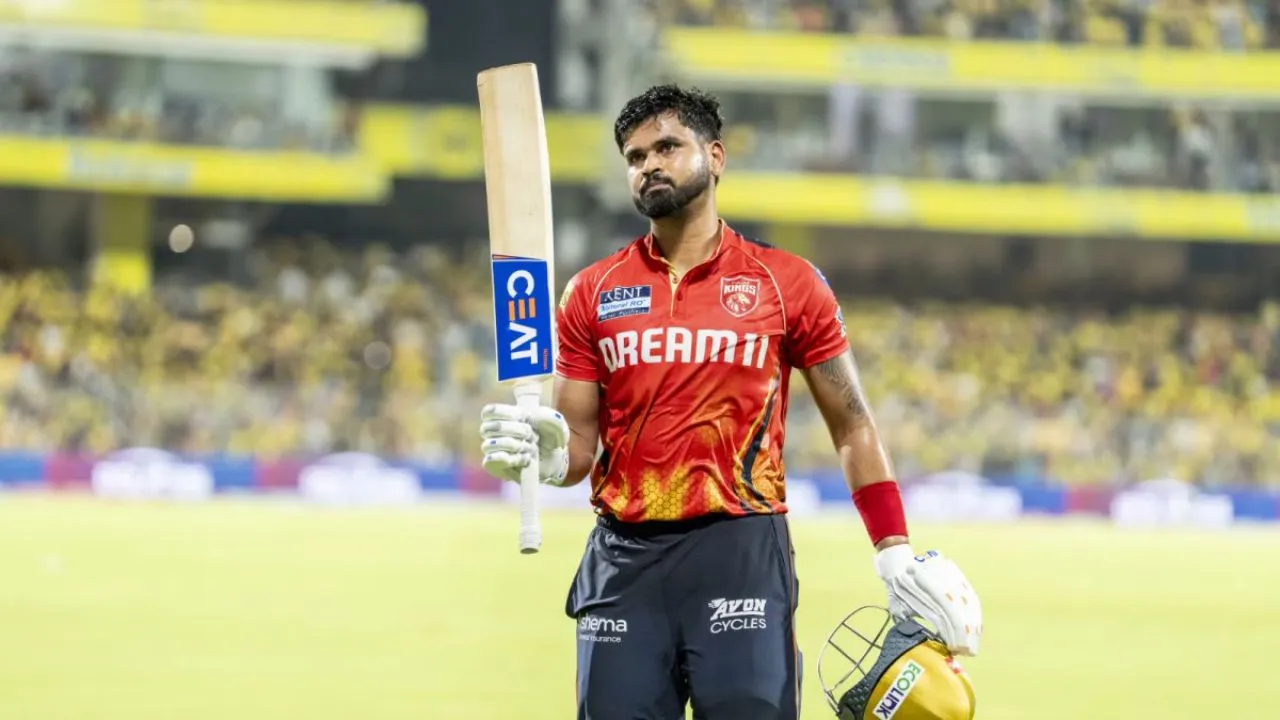
Punjab Kings penalised! Shreyas Iyer punished after win vs Gujarat Titans in IPL 2026
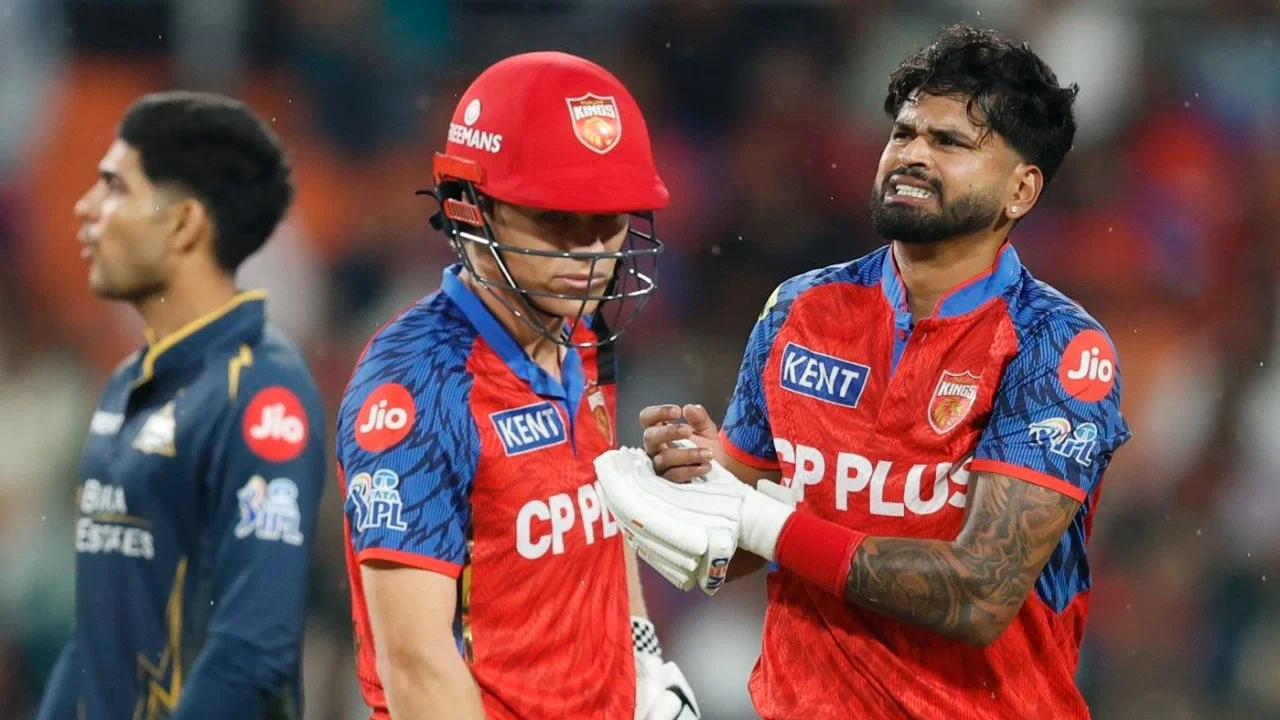
Shreyas Iyer injury update: Punjab Kings captain ruled out of IPL 2026?
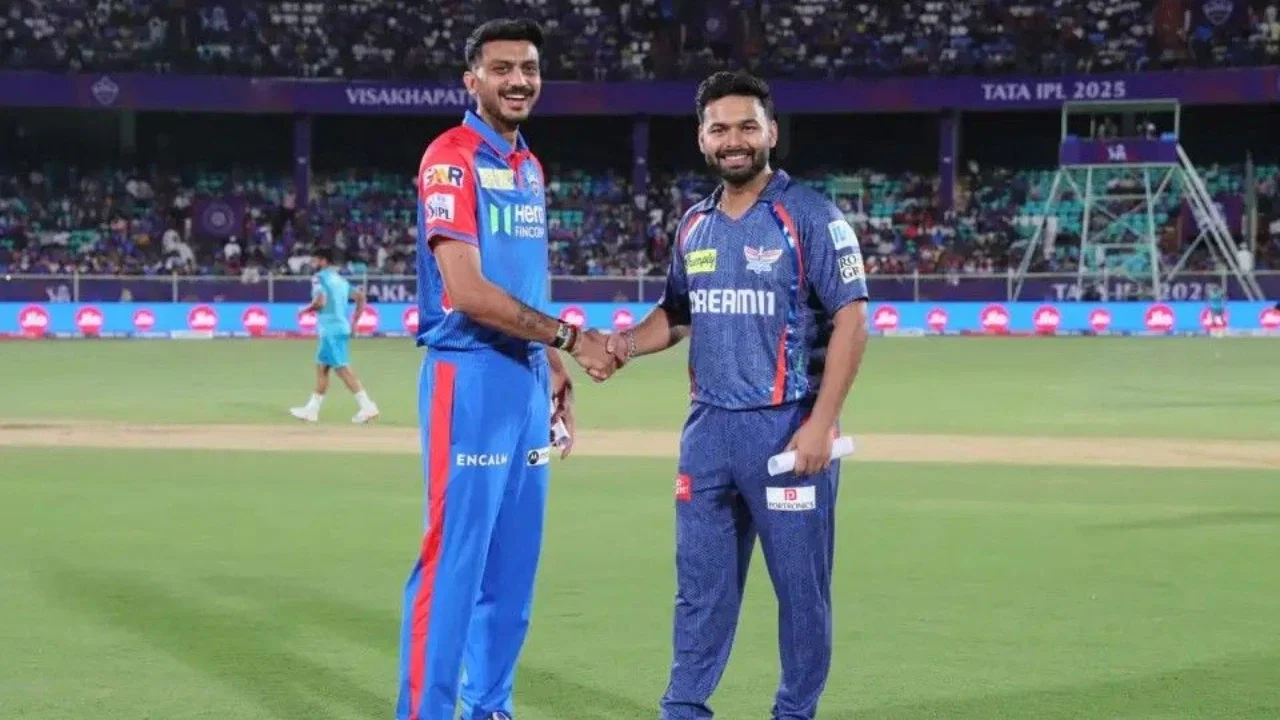
LSG vs DC Match No. 5 Preview: Free Live Streaming, Pitch & Weather Report, Head-to-Head | IPL 2026

LSG vs DC Match Prediction – Who Will Win Match No.5? | IPL 2026
LSG Playing XI vs DC Playing XI – Match No. 5 | IPL 2026
Krunal Pandya breaks silence on India snub, opens up on Virat Kohli
Mohsin Naqvi enforces new social media rules for Pakistan players following Naseem Shah incident
Fakhar Zaman officially handed cricket ban after PSL 2026 ball-tampering controversy
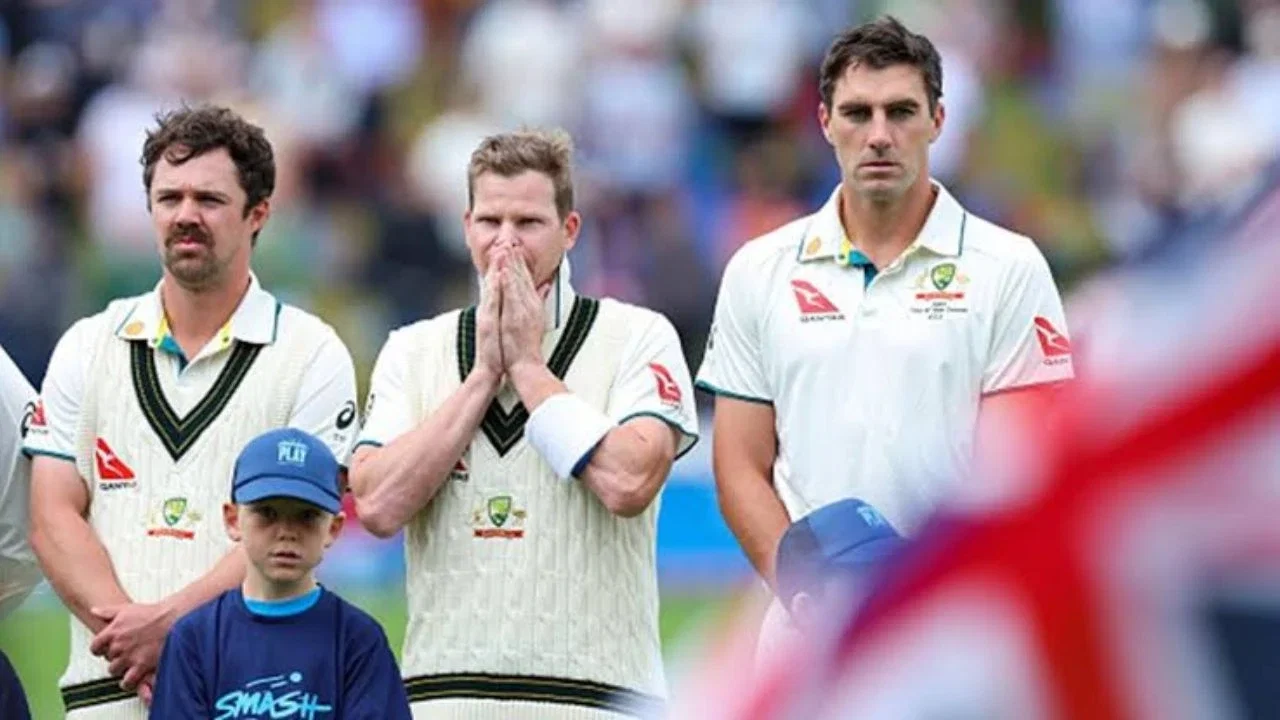
Pat Cummins forces Cricket Australia to slash central contracts list to secure premium deal
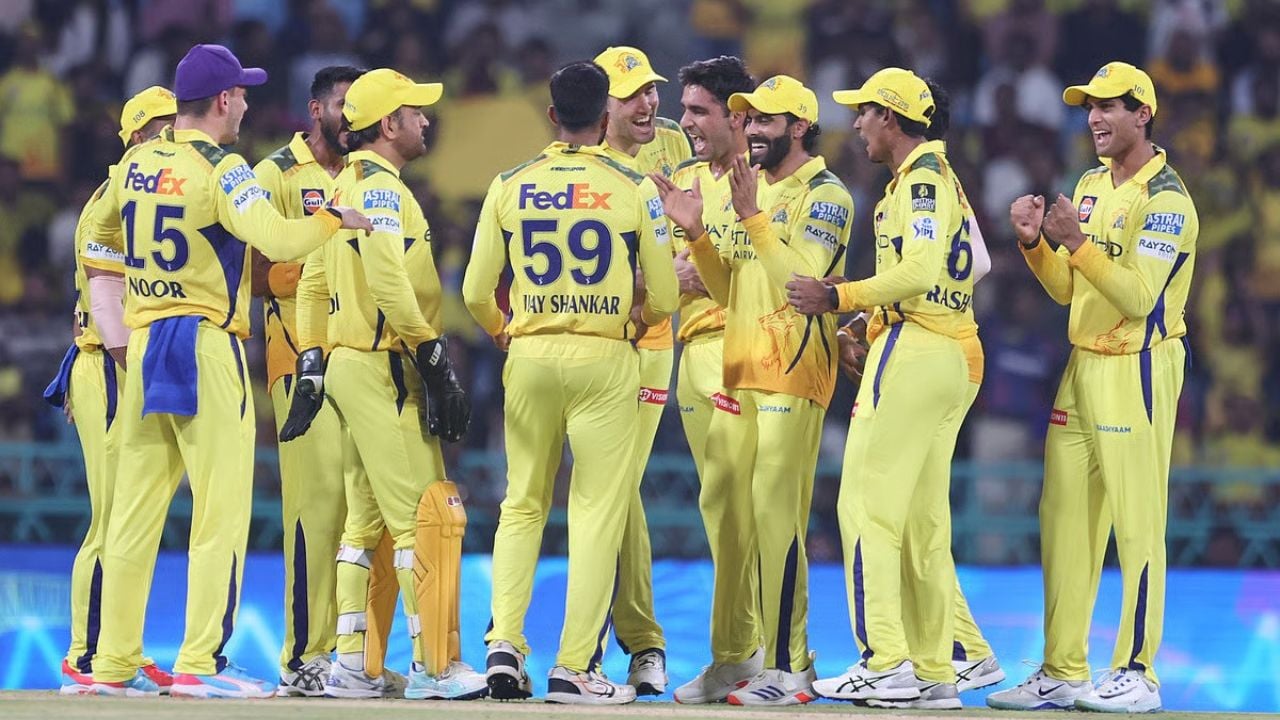
CSK’s big promise to players revealed amid IPL 2026: “Whatever BCCI offers, we’ll double it”
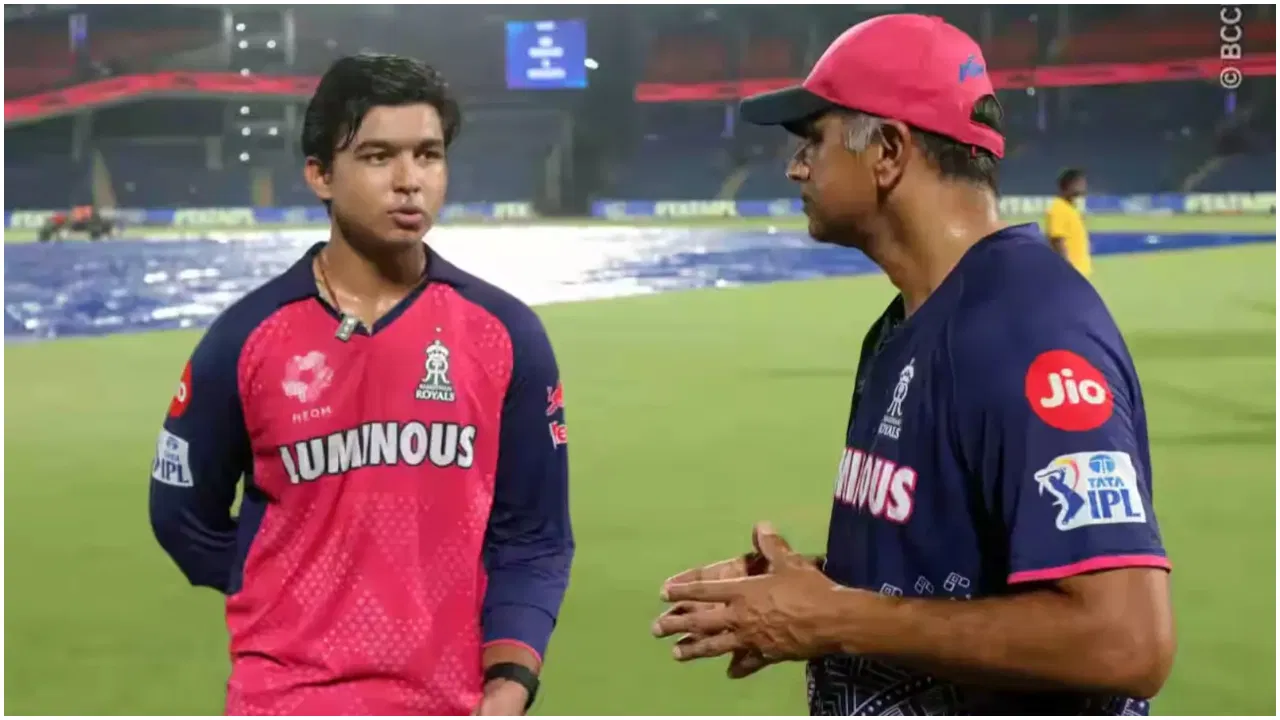
Ravichandran Ashwin rules out Vaibhav Sooryavanshi’s India call-up
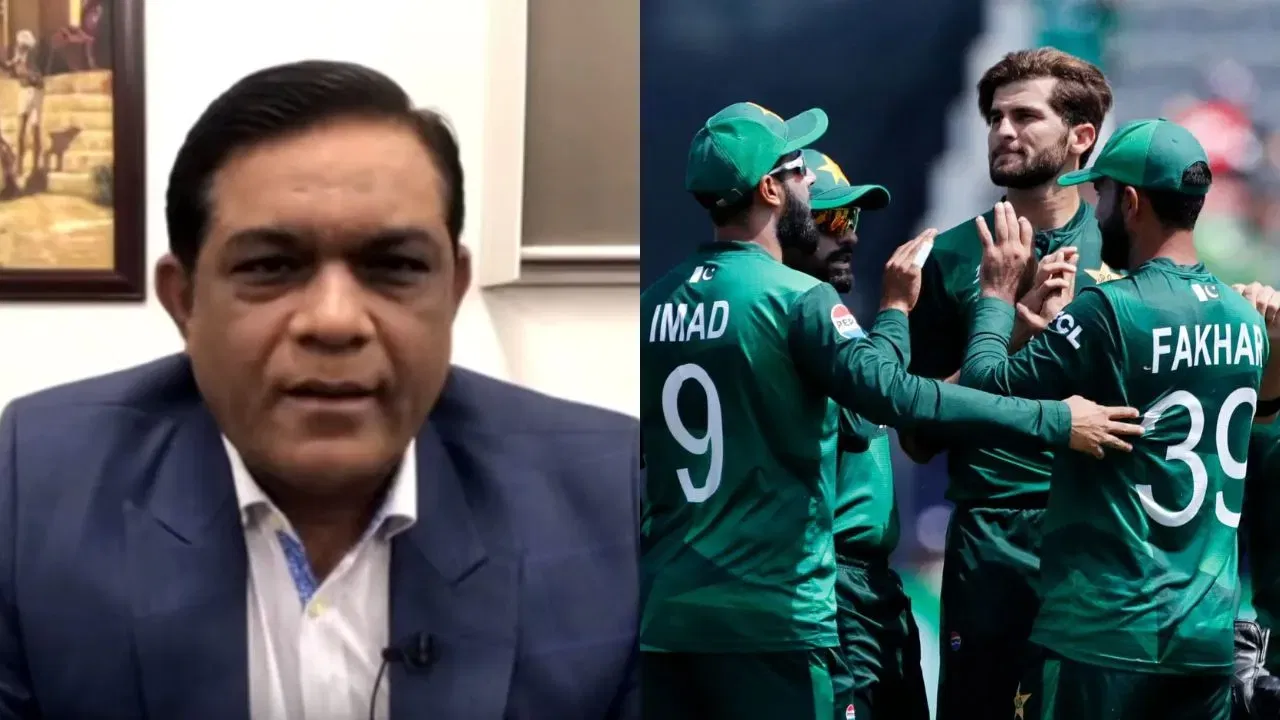
Rashid Latif claims PSL ball-tampering row was deliberately created for attention amid IPL rivalry
Mohammed Shami breaks silence on retirement buzz after India snub; has special message for LSG
Mohammed Shami reveals IPL 2026 Top 4, leaves out five-time champions

