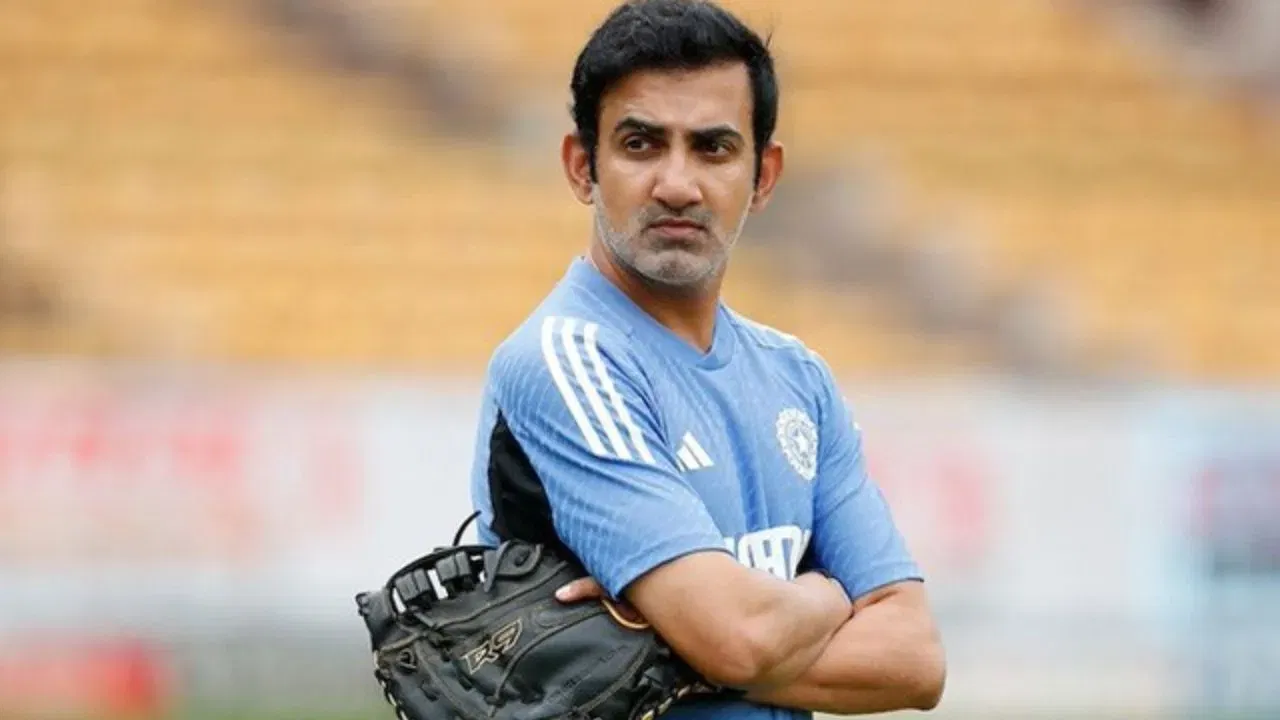
MS Dhoni’s “Captain Cool” trademark blocked; lawyer set to drag in court
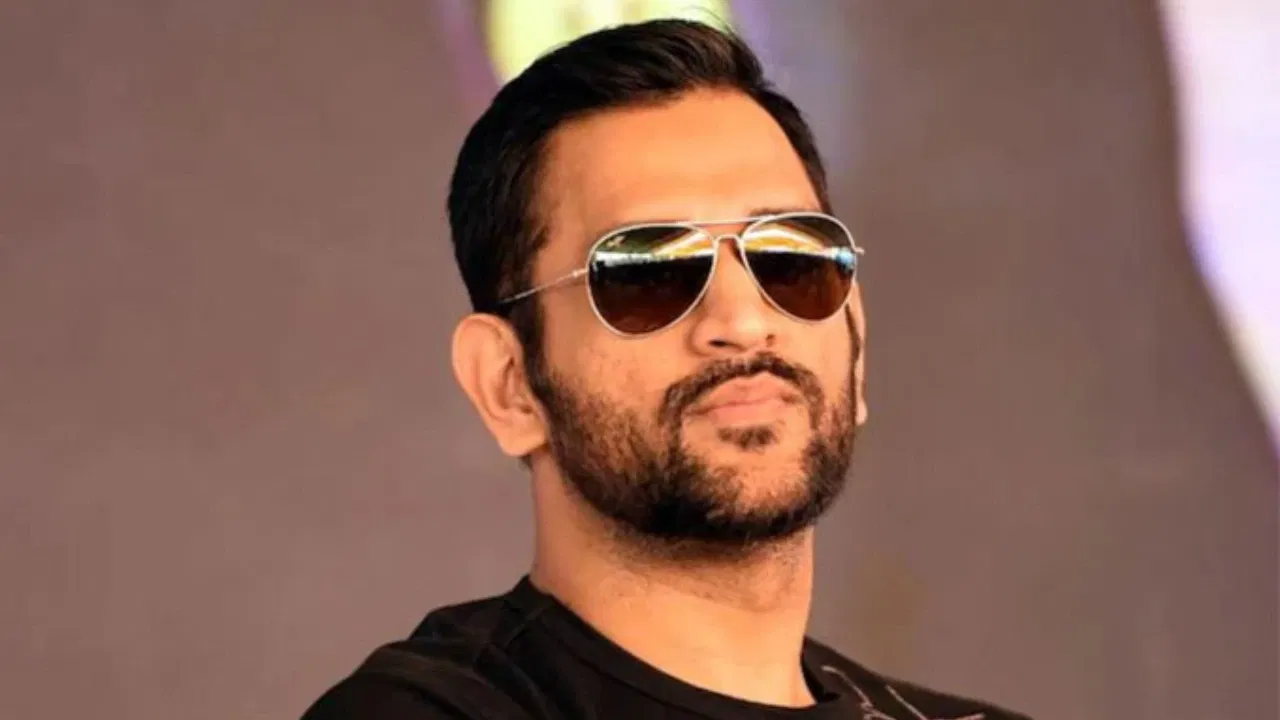
Legal Battle Ensues Over MS Dhoni’s Attempt to Trademark “Captain Cool” Nickname
A Delhi-based lawyer, Ashutosh Choudhary, along with the law firm KAnalysis Attorneys at Law, has taken a stand against former Indian cricket captain MS Dhoni’s bid to trademark the widely recognized title “Captain Cool.” This move has stirred controversy among cricket fans and legal experts alike.
Oppositions Filed Against Trademark Application
MS Dhoni had recently sought to secure the phrase “Captain Cool” under Class 41 for various services related to education, entertainment, sports, and training. However, his application faced opposition from Choudhary and his legal team, who argued that the nickname is too generic and widely used to be claimed by a single individual.
The lawyer emphasized that “Captain Cool” has been a common term in the sporting world, used to describe athletes known for their calm leadership, not just Dhoni. Choudhary contended that Dhoni’s fame as a cricket icon does not grant him exclusive rights to a phrase lacking distinctiveness under trademark law.
Challenges to the Trademark Application Process
Choudhary and the law firm raised concerns about how the Trade Marks Registry handled Dhoni’s application process. They questioned the timing of the addition of the “prior use” argument and criticized the lack of formal approval for key changes made during the examination stage.
Furthermore, they highlighted the absence of substantial evidence linking the phrase “Captain Cool” to Dhoni’s brand in the context of sports training services. The opponents argued that popularity alone does not meet the legal threshold for trademark protection.
Request for Rejection of Trademark Application
In their notice, Choudhary and the law firm urged the Trademarks Registry to reject MS Dhoni’s trademark request, emphasizing that granting exclusivity over such a generic phrase would be legally unsustainable. They called for the protection of trademark law principles to prevent individuals from monopolizing common expressions.
The opponents criticized the lack of tangible proof, such as advertisements or user data, to support Dhoni’s claim of distinctiveness for the phrase “Captain Cool.” They emphasized that a persona alone does not warrant legal rights without proper commercial use and compliance with statutory criteria.
Legal Implications and Ongoing Dispute
The legal battle over the trademark of “Captain Cool” continues to unfold, raising significant questions about the intersection of individual rights and common expressions in trademark law. The outcome of this dispute will likely have broader implications for trademark protection and the use of popular nicknames in commercial contexts.
As the controversy intensifies, the public awaits a resolution to this high-profile case, which has sparked debates about the boundaries of intellectual property rights in the realm of sports and entertainment.
Public Reaction and Support for MS Dhoni
Following the news of the legal battle over the trademark of “Captain Cool,” social media platforms have been abuzz with debates and discussions. While some support Ashutosh Choudhary’s opposition to MS Dhoni’s trademark application, many fans and supporters of the cricketer have come to his defense.
Supporters of MS Dhoni argue that he has popularized the nickname “Captain Cool” through his exemplary leadership on the cricket field and off it. They believe that his association with the phrase has become inseparable from his persona, making it a valuable asset that deserves legal protection.
Many fans point out that Dhoni’s calm demeanor under pressure, strategic acumen, and ability to lead his team to victory have perfectly embodied the essence of being “Captain Cool.” They argue that his unique interpretation of the nickname has elevated it beyond a generic description, turning it into a distinctive symbol of his leadership style.
Trademark Law and Brand Identity
The debate surrounding MS Dhoni’s attempt to trademark “Captain Cool” brings to light the complexities of trademark law and the intersection with personal brand identity. Trademarks play a crucial role in protecting brands, logos, and slogans from being used without authorization, safeguarding their distinctiveness in the marketplace.
For individuals like MS Dhoni, who have achieved celebrity status and developed a strong personal brand, trademarking elements associated with their identity can help in preventing unauthorized use and exploitation. By securing rights to phrases like “Captain Cool,” celebrities can exercise control over their brand image and commercial endorsements.
However, the challenge lies in balancing the protection of individual rights with the public interest in preserving common expressions and cultural references. Trademark law aims to strike a delicate balance between fostering innovation and competition while preventing monopolies over everyday language and symbols.
The Role of Evidence in Trademark Applications
One of the central issues in the dispute over the trademark of “Captain Cool” is the importance of providing concrete evidence to support a claim of distinctiveness. Trademark applicants are typically required to demonstrate that the proposed mark has acquired secondary meaning in the minds of consumers, associating it uniquely with their goods or services.
In the case of MS Dhoni’s trademark application, the opposition has raised concerns about the lack of substantial proof linking the nickname “Captain Cool” specifically to his sports training services. Without sufficient evidence of consumer recognition and distinctiveness, the application may face challenges in meeting the legal standards for trademark protection.
Legal experts emphasize the significance of presenting clear evidence, such as market surveys, consumer testimonials, and advertising materials, to establish the distinctiveness of a trademark. In the absence of compelling proof, trademark applications risk being rejected or facing opposition from parties disputing their validity.
Conclusion
The legal battle over MS Dhoni’s attempt to trademark “Captain Cool” underscores the intricate nuances of trademark law, brand identity, and the protection of common expressions. As the dispute unfolds, it prompts a broader conversation about the evolving landscape of intellectual property rights in the context of sports personalities and celebrity endorsements.
Ultimately, the resolution of this case will not only impact the rights of individuals to safeguard their personal brands but also shape the boundaries of trademark protection for popular nicknames and phrases. Whether “Captain Cool” will be granted trademark status or remain a widely used descriptor in the sporting world remains to be seen, highlighting the complexities and challenges inherent in trademark applications.
Latest News
Prithvi Shaw declares his mission to return to team India begins from IPL 2026
Irfan Pathan questions Arshdeep Singh’s bowling ahead of IPL 2026
“Mind is somewhere else”: Yuvraj’s Father exposes Abhishek Sharma’s indiscipline lifestyle

EX-RCB pacer joins KKR as replacement of Harshit Rana ahead of IPL 2026

“Win our first trophy”: Sanjiv Goenka crowns LSG as champions ahead of IPL 2026
New catching rule? Captains warned over ‘Incomplete’ catches ahead of IPL 2026
Pat Cummins in awe of Ishan Kishan’s captaincy
Ex-India star accuses teammates of ‘Racism’, blames it for early international exit
“I love watching Shreyas Iyer bat” – PBKS all-rounder Cooper Connolly ahead of IPL 2026
Yograj Singh gives Ravichandran Ashwin belt treatment because of Arjun Tendulkar remarks
CSK legend advises Shubman Gill the best way to bounce back in T20I team
Jasprit Bumrah Injury Scare, reason behind visit to CoE revealed
“Didn’t invite me”: R Ashwin puts Kuldeep Yadav in spotlight over wedding snub
Ireland Cricket announced the full list of central contracts for the 2026-27 season