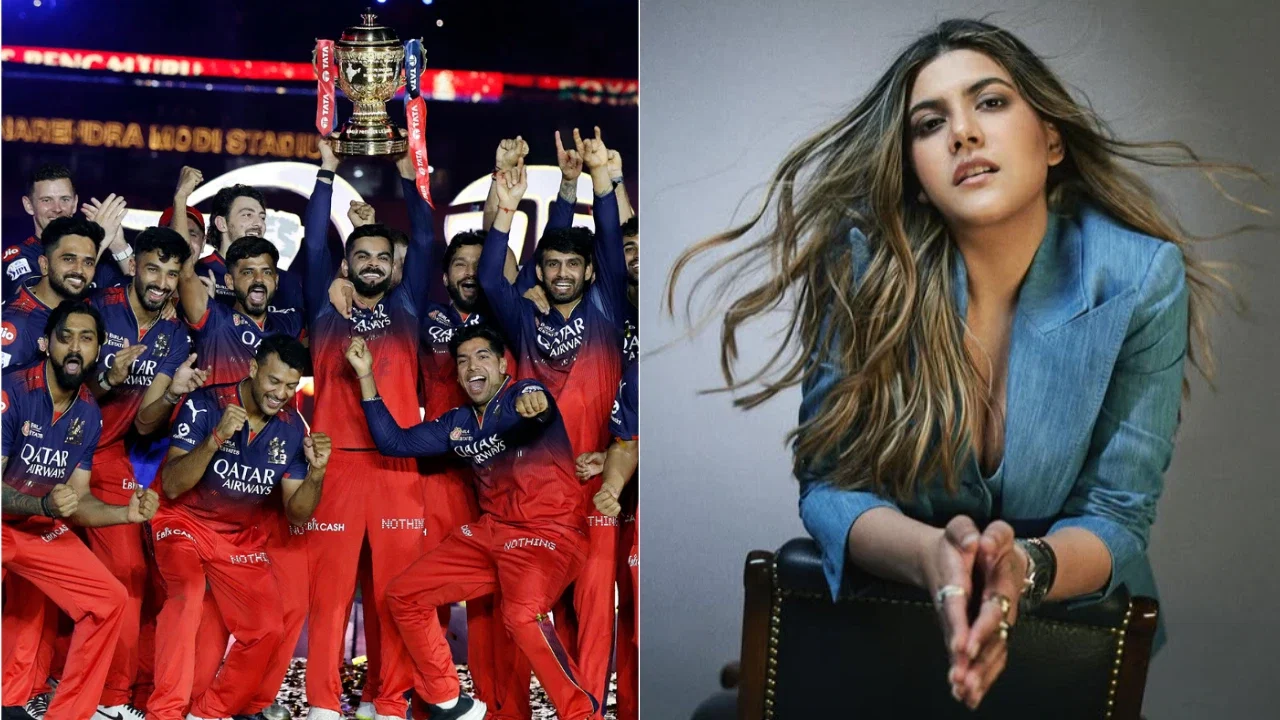
Najam Sethi goes on stupid rant, calls ICC ‘Indian Cricket Council’ as Pakistan’s T20 World Cup boycott looms
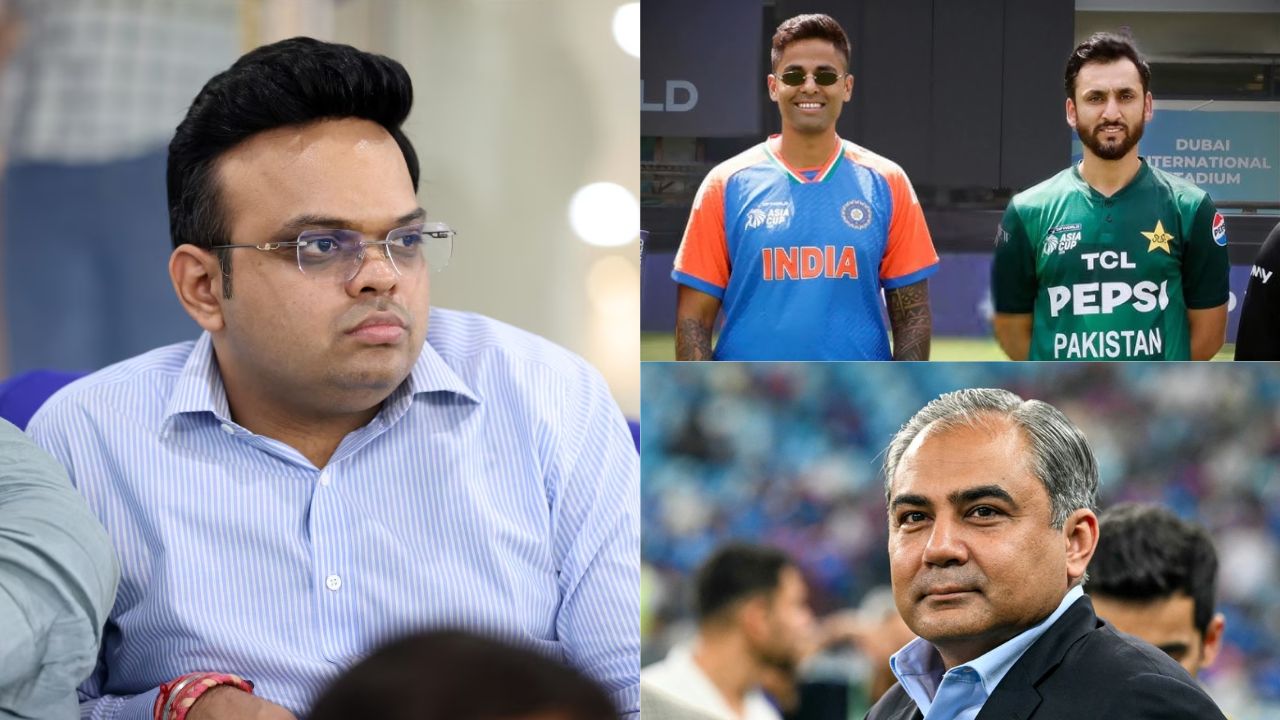
Former PCB Chairman Najam Sethi Adds Fuel to T20 World Cup 2026 Controversy
Mustafizur Rahman’s IPL Exit Sparks Political and Cricket Fallout
The T20 World Cup 2026 controversy has taken a new turn with former Pakistan Cricket Board (PCB) chairman Najam Sethi openly supporting Bangladesh and indirectly criticizing India’s influence in world cricket. The drama unfolded when Kolkata Knight Riders (KKR) removed Bangladesh pacer Mustafizur Rahman from the IPL 2026 squad on BCCI’s order, citing the current situation of Hindus in Bangladesh. This decision did not sit well with the Bangladesh government, leading to a ban on IPL broadcasts in the country.
Subsequently, the Bangladesh Cricket Board (BCB) officially requested the International Cricket Council (ICC) to relocate Bangladesh’s T20 World Cup 2026 group matches out of India due to security concerns. However, the ICC conducted an investigation and found no security threat, standing firm on their decision to keep the matches in India. In a desperate attempt to secure their spot in the tournament, Bangladesh turned to the ICC’s Dispute Resolution Committee, but their request was not even heard due to ICC rules.
Scotland to Replace Bangladesh in T20 World Cup 2026
With tensions escalating between the ICC and the BCB, Scotland has been invited by the ICC to replace Bangladesh in the upcoming T20 World Cup 2026 after the BCB failed to meet the ICC’s policy requirements. The situation has put the spotlight on the power dynamics within global cricket governance.
Najam Sethi’s Support for Bangladesh
Najam Sethi has publicly backed current PCB chairman Mohsin Naqvi, expressing confidence in his understanding of the game and the broader cricket landscape. Sethi’s comments also highlighted the perceived influence of India in global cricket decisions. He stated, “Bangladesh decided to boycott the World Cup; now it remains to be seen what the PCB decides. Mohsin Naqvi understands the game and has a good grasp of all aspects. Whatever decision he makes will be the right one.”
Sethi questioned the ICC’s neutrality and took aim at the Board of Control for Cricket in India (BCCI), suggesting that if more countries rally behind Bangladesh, the ICC will be compelled to reconsider its stance. He emphasized the need for the ICC, led by Jay Shah, to work in the best interests of all cricket-playing nations, not just those with significant influence.
Implications for T20 World Cup 2026
As the countdown to the T20 World Cup 2026 in India and Sri Lanka continues, the standoff between the ICC and the BCB has heightened concerns about the tournament’s integrity. Sethi’s remarks underscore the need for transparency and fair decision-making in global cricket governance, urging all cricket-playing nations to stand together for the sport’s greater good.
Impact of T20 World Cup 2026 Controversy on Global Cricket
The controversy surrounding the T20 World Cup 2026 has not only shed light on the power struggles within cricket governance but also raised important questions about the role of politics in sports. The decision to replace Bangladesh with Scotland in the tournament has sparked debates about fairness, transparency, and the influence of larger cricketing nations on international cricketing decisions.
The exclusion of Bangladesh from the T20 World Cup 2026 has significant implications for the team and its fans. It not only affects the players’ opportunities to showcase their talent on a global stage but also impacts the morale and reputation of Bangladesh cricket. The move has also strained relations between the BCB and the ICC, highlighting the need for clearer communication and dispute resolution mechanisms within the governing body.
Challenges Faced by Emerging Cricketing Nations
The T20 World Cup 2026 controversy has also brought to the forefront the challenges faced by emerging cricketing nations in competing against more established teams. The incident involving Bangladesh and Scotland underscores the disparities in resources, influence, and opportunities that exist within the cricketing world. It raises questions about how smaller teams can assert their rights and interests in the face of decisions made by larger cricketing bodies.
The Role of Former Cricketers in Global Cricket Politics
Najam Sethi’s vocal support for Bangladesh and criticism of the ICC and the BCCI highlight the role that former cricketers and cricket administrators play in shaping global cricket politics. Their insights, experiences, and connections can influence decision-making processes and bring attention to issues that may otherwise go unnoticed. Sethi’s comments have ignited discussions about the need for greater diversity, inclusivity, and representation in cricket governance.
Former cricketers like Sethi can serve as advocates for smaller cricketing nations, advocating for fair treatment, equal opportunities, and better representation within the international cricketing community. Their voices can help amplify concerns, push for reforms, and hold larger cricketing bodies accountable for their actions. In a sport where power dynamics can often favor the established order, the involvement of former cricketers like Sethi can bring much-needed balance and perspective to global cricket governance.
Looking Ahead: The Future of Cricket Governance
The T20 World Cup 2026 controversy serves as a reminder of the complexities and challenges inherent in global cricket governance. It underscores the importance of transparency, accountability, and inclusivity in decision-making processes, and the need for stronger mechanisms to address disputes and conflicts within the cricketing community. As the sport continues to evolve and grow, it will be essential for all stakeholders to work together to ensure that cricket remains fair, competitive, and accessible to all nations, regardless of their size or influence.
Ultimately, the T20 World Cup 2026 controversy presents an opportunity for reflection, dialogue, and reform within the world of cricket. It calls for a reevaluation of power structures, decision-making processes, and the relationship between cricket’s governing bodies and its diverse range of stakeholders. By learning from this incident and working towards greater transparency and equity, global cricket governance can become more inclusive, resilient, and responsive to the needs of all cricket-playing nations.
In conclusion, the T20 World Cup 2026 controversy, fueled by the IPL incident involving Mustafizur Rahman and the subsequent exclusion of Bangladesh from the tournament, has sparked important conversations about fairness, transparency, and the future of global cricket governance. It serves as a reminder of the challenges faced by emerging cricketing nations, the influence of former cricketers in shaping cricket politics, and the need for greater inclusivity and accountability within the international cricketing community. As the sport continues to evolve, it is essential for all stakeholders to come together to ensure that cricket remains a sport that is fair, competitive, and accessible to all.
Latest News
Virat Kohli’s explosive threat during coach’s conspiracy revealed: “Will beat the living hell out of…”
Dinesh Karthik can become head coach of India, England or Australia: Jitesh Sharma makes bold claim
Virat Kohli turns Abhishek Sharma with explosive batting for RCB ahead of IPL 2026
Not Tim Seifert! KKR eye 21-year-old Indian as wicketkeeper for IPL 2026
“Itna dete nahi importance inko”: Jitesh Sharma trolls Pakistan, reveals unheard story
‘I liked young MS Dhoni more than the mature one’: Sourav Ganguly drops huge statement
RCB suffer huge blow! SLC blocks Nuwan Thushara’s IPL 2026 participation
Border-Gavaskar Trophy 2027 schedule announced; Ahmedabad among five venues selected
BCCI announces India’s 2026-27 international home season schedule; series vs AUS, WI, SL, ZIM finalized
Irfan Pathan reveals Yuvraj Singh’s secret method to train Rishabh Pant ahead of IPL 2026
Virat Kohli, Rohit Sharma ODI schedule: Full list of matches they will play in India’s 2026-27 home season
Days before RCB vs SRH IPL 2026 match, M. Chinnaswamy Stadium looks like a ‘construction side’
IPL 2026 second-half schedule announcement date revealed by BCCI secretary
LHQ vs HYDK Match Prediction, Pitch & Weather Report, Playing XIs, Head-to-Head, Free Live Streaming – PSL 2026 Match 1